
Australia arms its Ghost Shark robot submarines with sea mines and loitering drones
Canberra has revealed three secret payloads for its Anduril-built drone submarines, letting them lay up to 12 mines, launch Altius drones and hide supply caches.
TAIPEI —
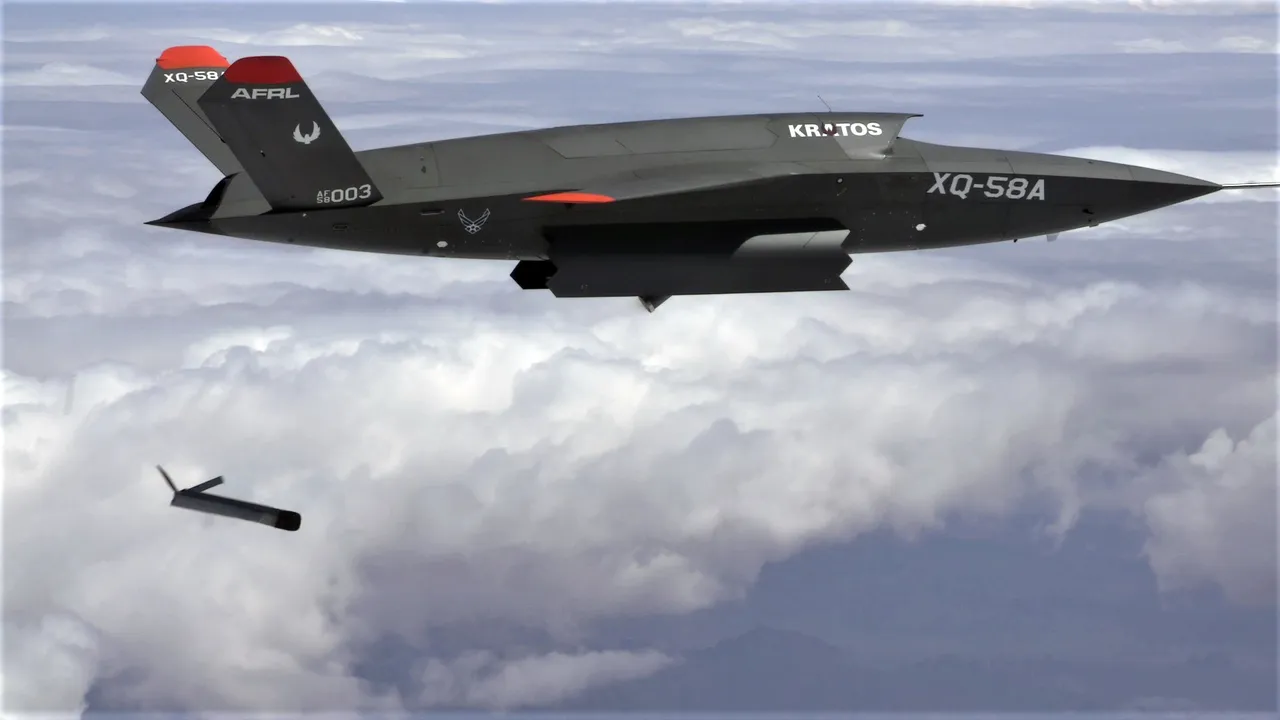
Australia has revealed three previously secret payloads for its Ghost Shark uncrewed submarines, giving the Royal Australian Navy's robotic fleet the ability to lay sea mines, launch armed aerial drones and leave hidden caches of supplies on the seabed. Defence Industry Minister Pat Conroy unveiled the systems on Monday, Oct. 19, at the Sydney facility of Anduril, the American defence technology company that builds the vessels in Australia.
According to the Sydney Morning Herald, each Ghost Shark will be able to carry up to 12 naval mines on a single mission, which would let Australia block important shipping routes or restrict the movement of hostile warships. The submarines will also carry swarms of Anduril's Altius loitering munitions, small aerial drones that can watch an area before diving onto a target. Conroy declined to say how many of the armed drones each submarine could launch, citing operational security.
The third payload lets the vessels deposit equipment and supplies under the sea for later collection, a role the newspaper said could support special forces operating in hostile territory. Australian Defence Magazine reported that the modular design of the platforms allows payloads to be swapped to suit each mission.
Conroy told reporters that the Ghost Shark now had teeth and that Australia would be able to inflict damage on any potential adversary, according to the Australian Associated Press report carried by the Canberra Times. He said the drones could be deployed anywhere along Australia's coastline, while the Herald reported that the vessels were designed to operate thousands of kilometres from shore and could be launched from shipping containers on wharves or from relatively small ships.
Conroy also said the factory had opened less than a year ago and that Ghost Sharks were now coming off the production line at an increasing rate and being handed to the navy, Australian Defence Magazine reported. Navy chief Vice Admiral Matt Buckley said the announcement showed how quickly the programme had matured, turning the vessel from a delivery system into a proven, mission-ready capability produced at scale. He added that defending a country of Australia's size required crewed and uncrewed forces to work together.
Many details of the submarines, including their maximum range, speed and size, remain secret, according to the Canberra Times report.
Defence Minister Richard Marles said Australia would showcase its own developments this week at Exercise Maritime Big Play Pacific in San Diego, an exercise held under the second pillar of the AUKUS pact with the United States and Britain. The government said the milestone built on payload testing with AUKUS partners at earlier rounds of the exercise over the past three years, and on the decision by AUKUS defence ministers in May to make payloads and support systems for uncrewed undersea vehicles their first Pillar II signature project. The Ghost Sharks will be pitched to the other AUKUS members during the San Diego exercises, the Canberra Times said.
Under its 2026 National Defence Strategy and Integrated Investment Program, the government plans to spend up to A$5.8 billion over the next decade on autonomous and uncrewed undersea warfare, including A$1.7 billion to buy a new fleet of Australian-designed and built Ghost Shark vessels for the navy, Australian Defence Magazine reported. The payloads were developed by the navy, the Defence Science and Technology Group, the Advanced Strategic Capabilities Accelerator and industry.
The government said the technology would strengthen the navy's undersea warfare, seabed operations, sea denial and protection of critical undersea infrastructure. The Herald noted that the fast development of comparatively cheap underwater drones is raising questions about how they will sit alongside Australia's much larger nuclear-powered submarine programme, which forms the first pillar of AUKUS.
Sources
More in Indo-Pacific
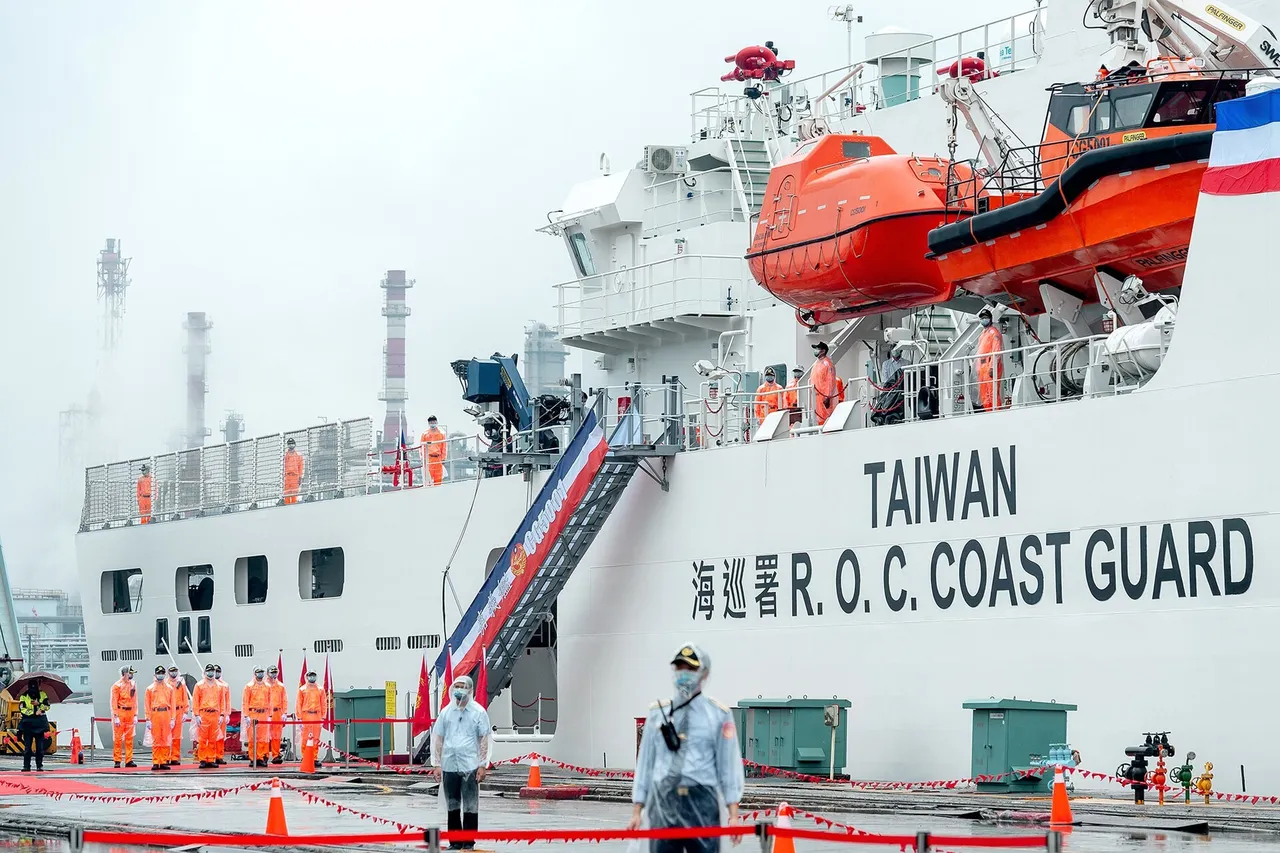
Taiwan's coast guard plans its first visit to the Philippines in 53 years as sea ties deepen
A Taiwanese coast guard ship with 100 officers and students is due in the Philippines in October 2027 as both face growing pressure from Chinese vessels.
TaiwanDefence · 22m ago · 3 min read
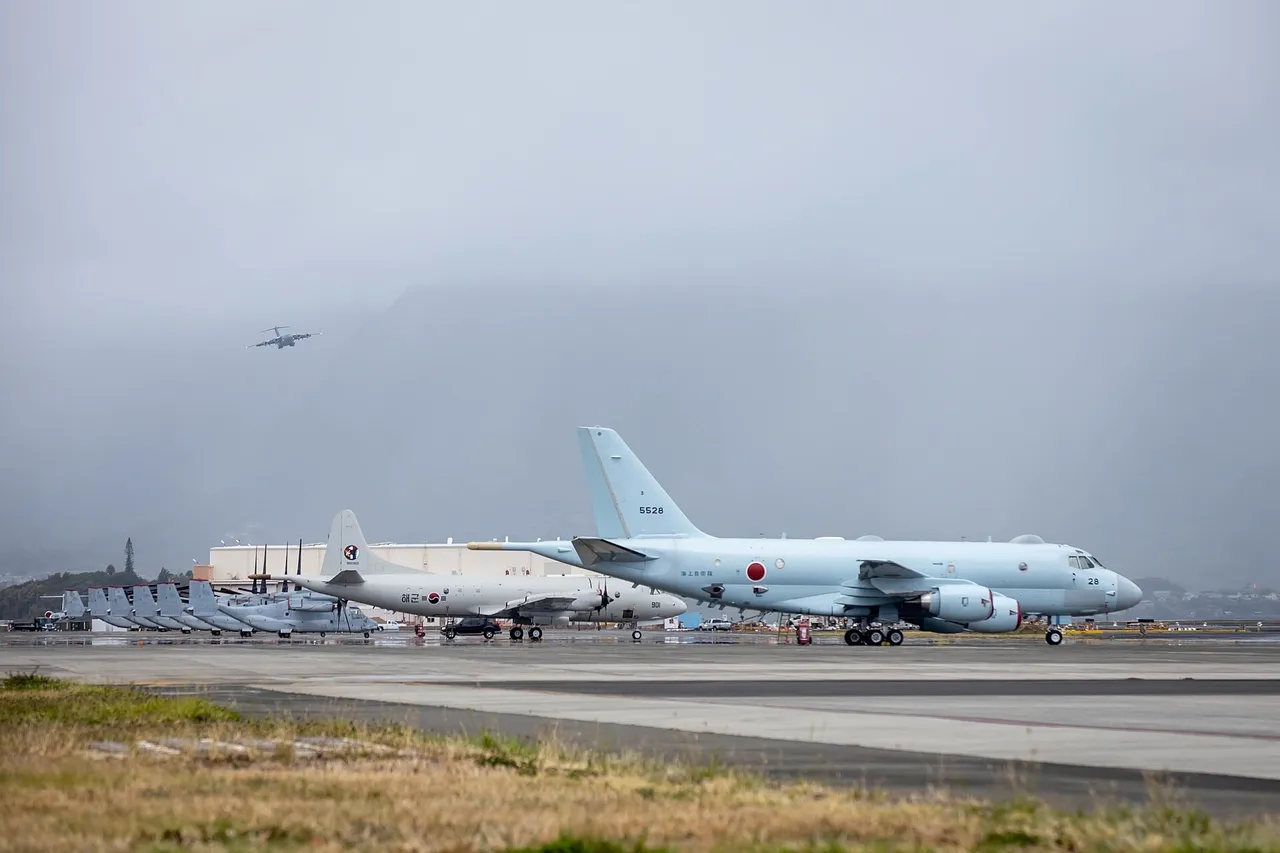
South Korea's navy seeks new patrol planes as its P-3CK fleet heads for retirement in 2030
The navy has asked for a new maritime patrol aircraft, but it may not arrive until the mid-2030s, leaving a possible gap in submarine hunting, data show.
TaiwanDefence · 4h ago · 3 min read
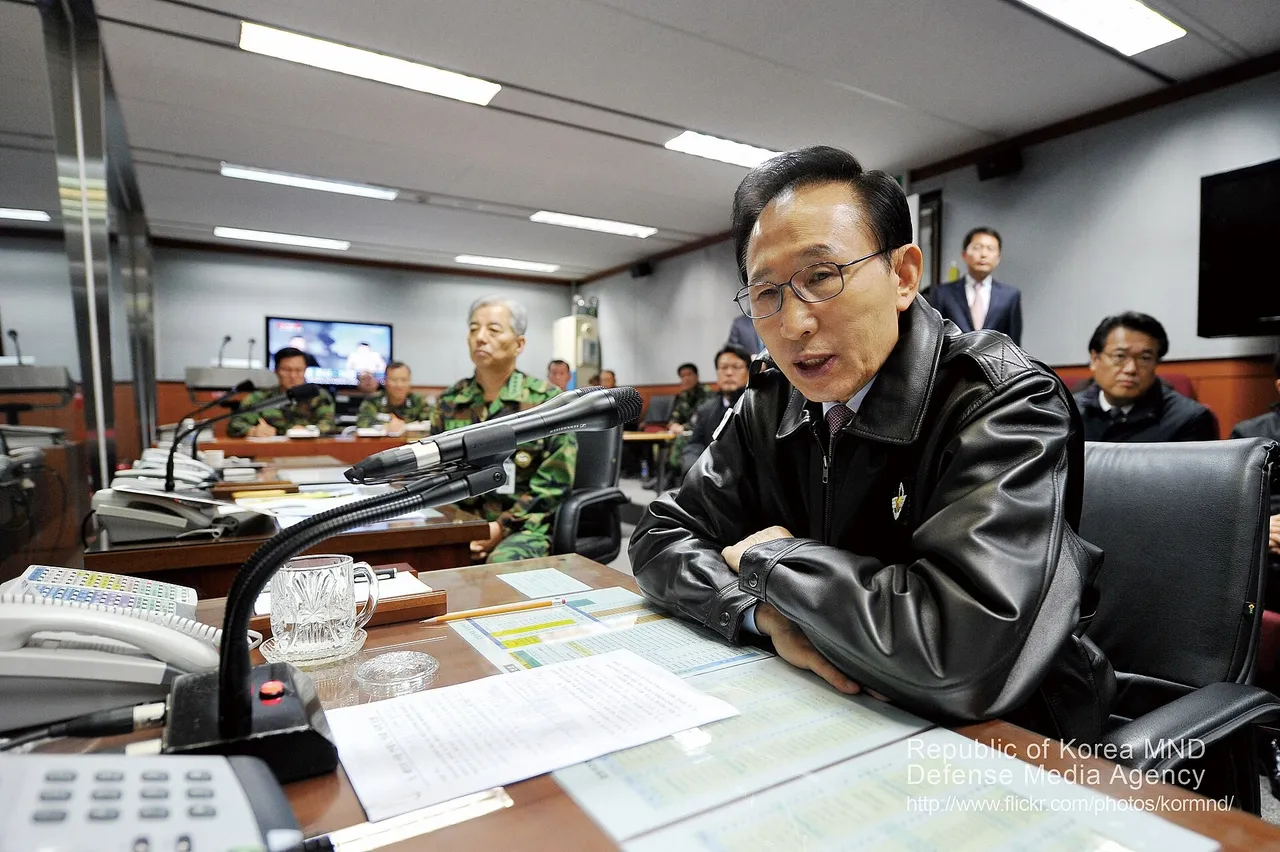
South Korea's army runs Chinese-made video conference gear in corps and division command rooms
About 130 of the army's 800 video conferencing units are Yealink codecs from China, and some 60 sit in command and situation rooms, a lawmaker's data show.
TaiwanDefence · 5h ago · 2 min read
Discussion (0)
Comments are not currently available.