
Indian Navy has 42 ships on order and early approval for 78 more platforms and 120 interceptor craft
Vice Admiral Ajay Kochhar said bids are out for four amphibious landing docks as the navy pushes home-built engines, drones, counter-drone systems and quantum technology.
TAIPEI —
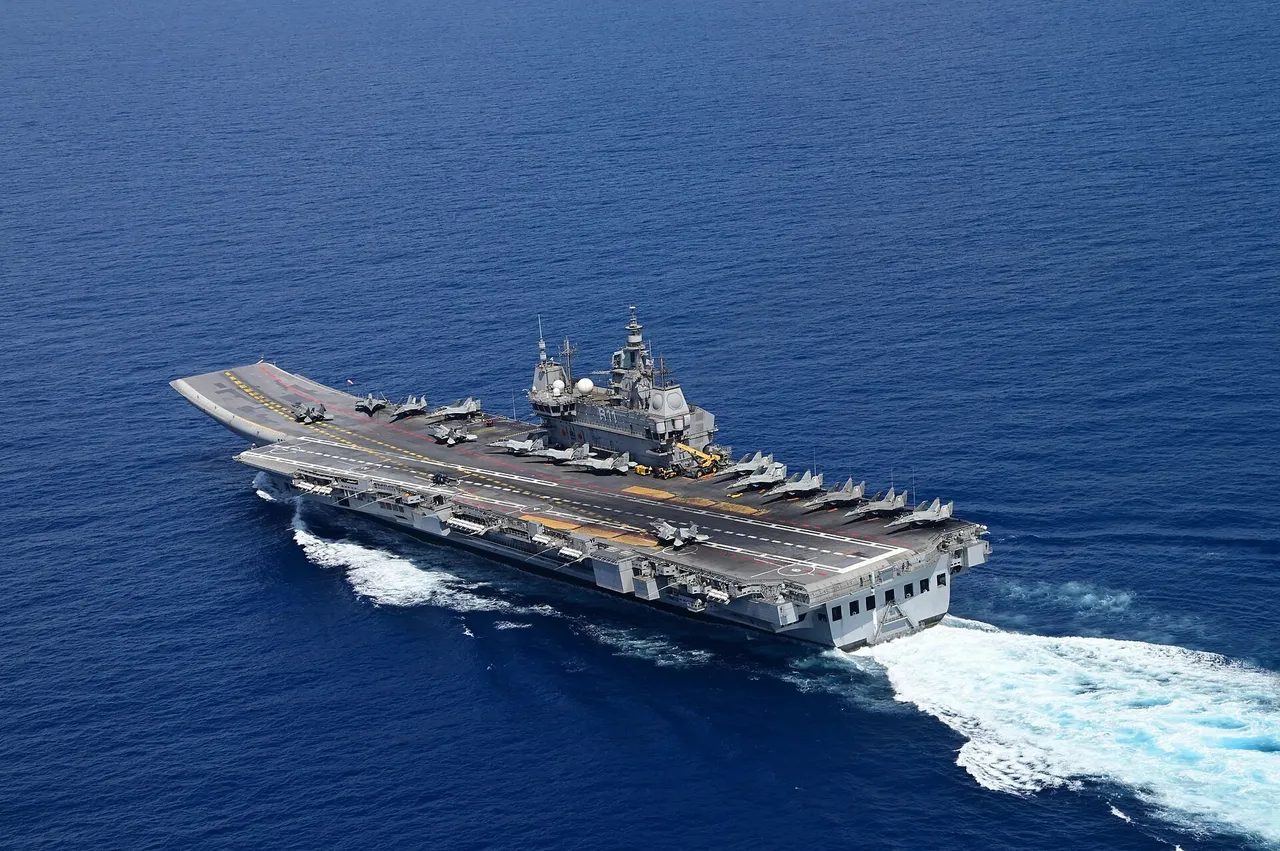
India's navy has 42 warships and other vessels on order and initial government approval to buy another 78 platforms and 120 fast interceptor craft, the Vice Chief of the Naval Staff, Vice Admiral Ajay Kochhar, told reporters in New Delhi on Monday 19 October. He put the value of the approved 78 platforms and 120 craft at about 2.41 trillion rupees and said their procurement was moving forward at different stages.
The approvals take the form of an Acceptance of Necessity, the formal recognition of a military requirement that marks the first step in India's acquisition process. Business Standard described the 78 platforms as ships and submarines, and the fast interceptor craft as multi-role boats able to escort larger warships and take part in coastal defence.
Kochhar was speaking at a curtain-raiser press conference for Swavlamban 2026, the navy's fifth annual innovation and indigenisation seminar, which the defence ministry said will be held at the Manekshaw Centre in New Delhi on 26 and 27 October. According to the ministry, he stressed that a navy operating across long distances and on prolonged deployments needs durable home-grown technology for combat readiness and operational flexibility.
On amphibious shipbuilding, Kochhar said a request for proposals for four landing platform docks, ships designed to carry and land troops, vehicles and equipment, went to shortlisted shipyards last week. He added that the request for proposals for the navy's next-generation frigate was issued a couple of weeks earlier and that responses are still awaited.
He also said programmes under the Make category of India's Defence Acquisition Procedure have started to develop an indigenous marine diesel engine, and that approval has been granted under the same route for a 24 to 28 megawatt marine gas turbine, including gas turbine generators. The navy has signed memorandums to bring in electric propulsion and has government approval for that work. Business Standard reported that an integrated full electric propulsion system, to be developed under an intergovernmental agreement with the United Kingdom, is earmarked for the four planned landing docks.
Kochhar said the navy is building capability across the air, sea, underwater, cyber, space and asymmetric domains under a Maritime Capability Perspective Plan. He listed artificial intelligence, cognitive and deception systems, advanced propulsion, surveillance and reconnaissance technology, drones and counter-drone systems, and quantum technology for secure communications as focus areas. The Times of India reported that he said the navy is also exploring directed-energy weapons as a cheaper way to defeat drones than firing costly munitions.
Through the Innovation for Defence Excellence framework, he said, the navy has received more than 4,000 proposals from Indian innovators, with around 150 small firms and start-ups taking part. Approvals worth more than 3,500 crore rupees have been granted and contracts worth over 1,900 crore rupees concluded. The challenges now being tackled range from quantum positioning and high-power microwave weapons to an extra-large autonomous underwater vehicle and indigenous ramjet engines for fixed-wing aircraft.
The ministry said this year's exhibition will feature maritime surveillance, counter-drone, artificial intelligence and quantum technologies, and that the seminar will release the Swavlamban 5.0 document, a compendium of technology imperatives and a new set of interface standards for naval systems known as NAUSETU. Kochhar said participation has grown from about 800 people at the first edition to nearly 3,000 last year.
The interceptor craft programme is not new. India's Defence Acquisition Council, chaired by Defence Minister Rajnath Singh, first approved the purchase of 120 fast interceptor craft on 3 December 2024, alongside 31 water-jet fast attack craft intended for surveillance, patrol and search and rescue close to the coast.
Sources
More in Indo-Pacific
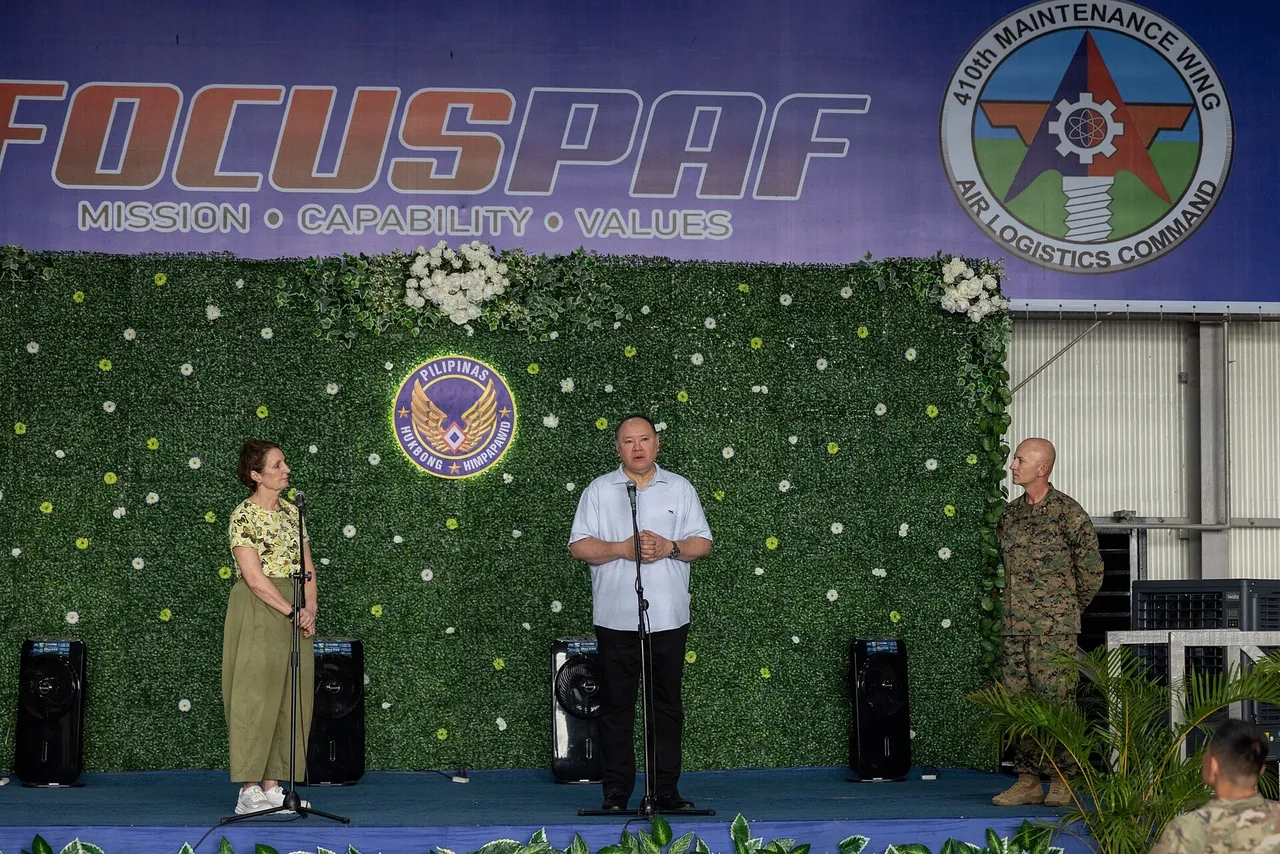
Philippine senators clear defence budget as Teodoro flags a shortfall in bases and fuel
A Senate finance panel sent Manila's P324.6bn defence budget for 2027 to the floor as the defence chief pressed for more money to build bases, supply hubs and fuel stocks.
TaiwanDefence · 2h ago · 3 min read
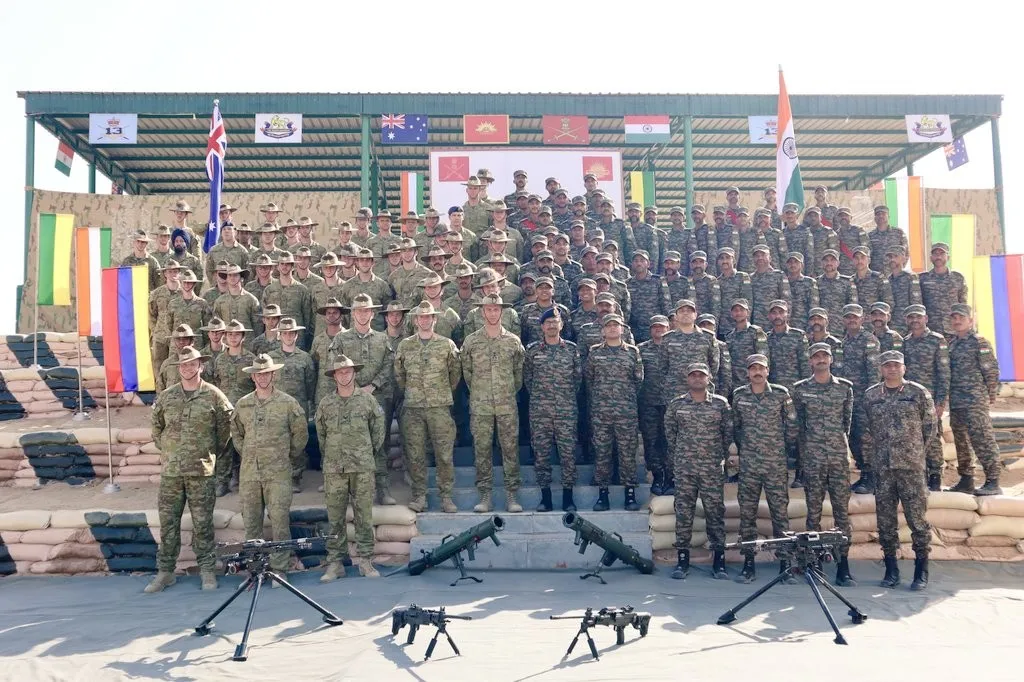
India and Australia open AUSTRAHIND army drill built around island and coastal operations
The fifth India-Australia army exercise opened in Kerala with about 240 troops training for island and coastal missions, and New Zealand observing for the first time.
TaiwanDefence · 3h ago · 2 min read
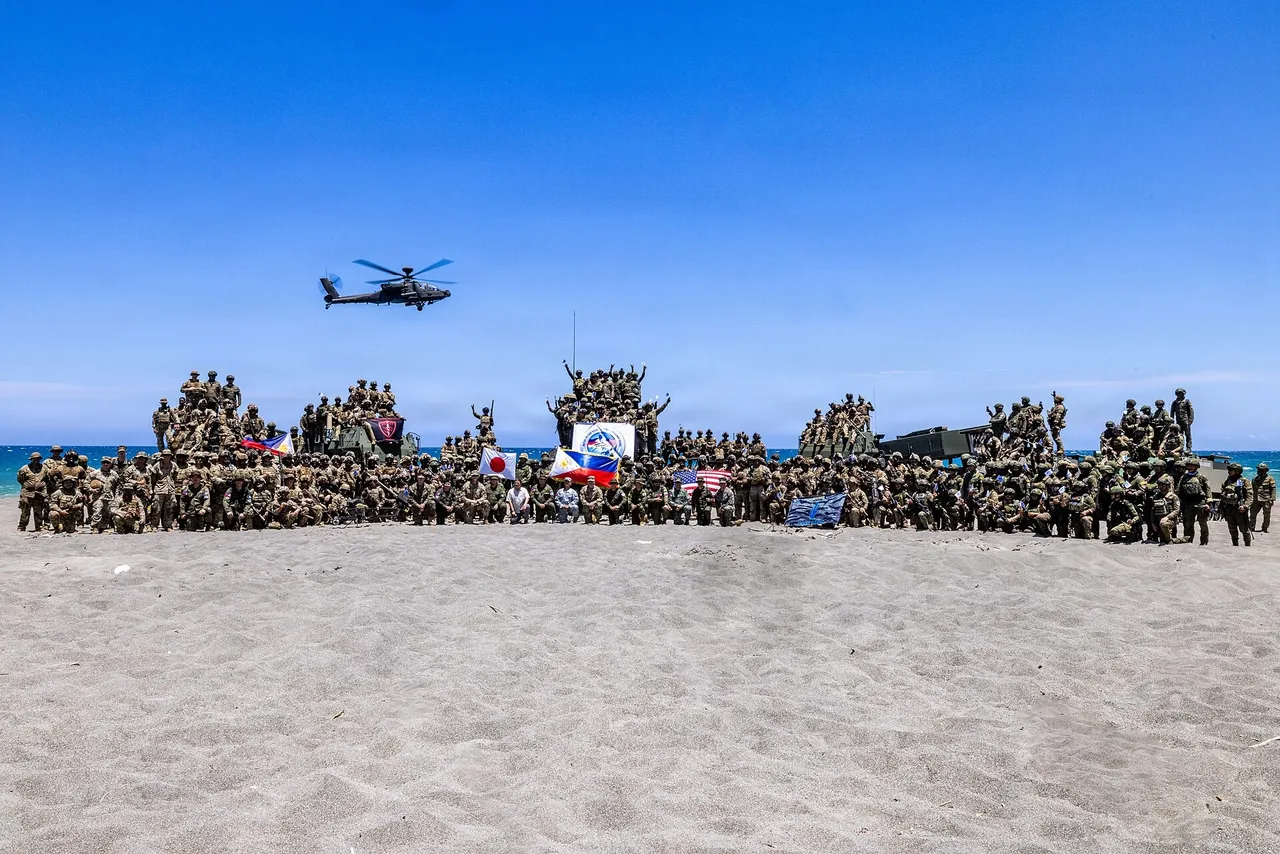
US Army Pacific chief says showing China more firepower is how to deter war
In a Financial Times interview reported on 19 October 2026, Gen. Ronald Clark cited Typhon deployments and HIMARS live-fires using South Korean ammunition as visible signals meant to make Beijing pause.
TaiwanDefence · 3h ago · 2 min read
Discussion (0)
Comments are not currently available.