
South Korea's army runs Chinese-made video conference gear in corps and division command rooms
About 130 of the army's 800 video conferencing units are Yealink codecs from China, and some 60 sit in command and situation rooms, a lawmaker's data show.
TAIPEI —
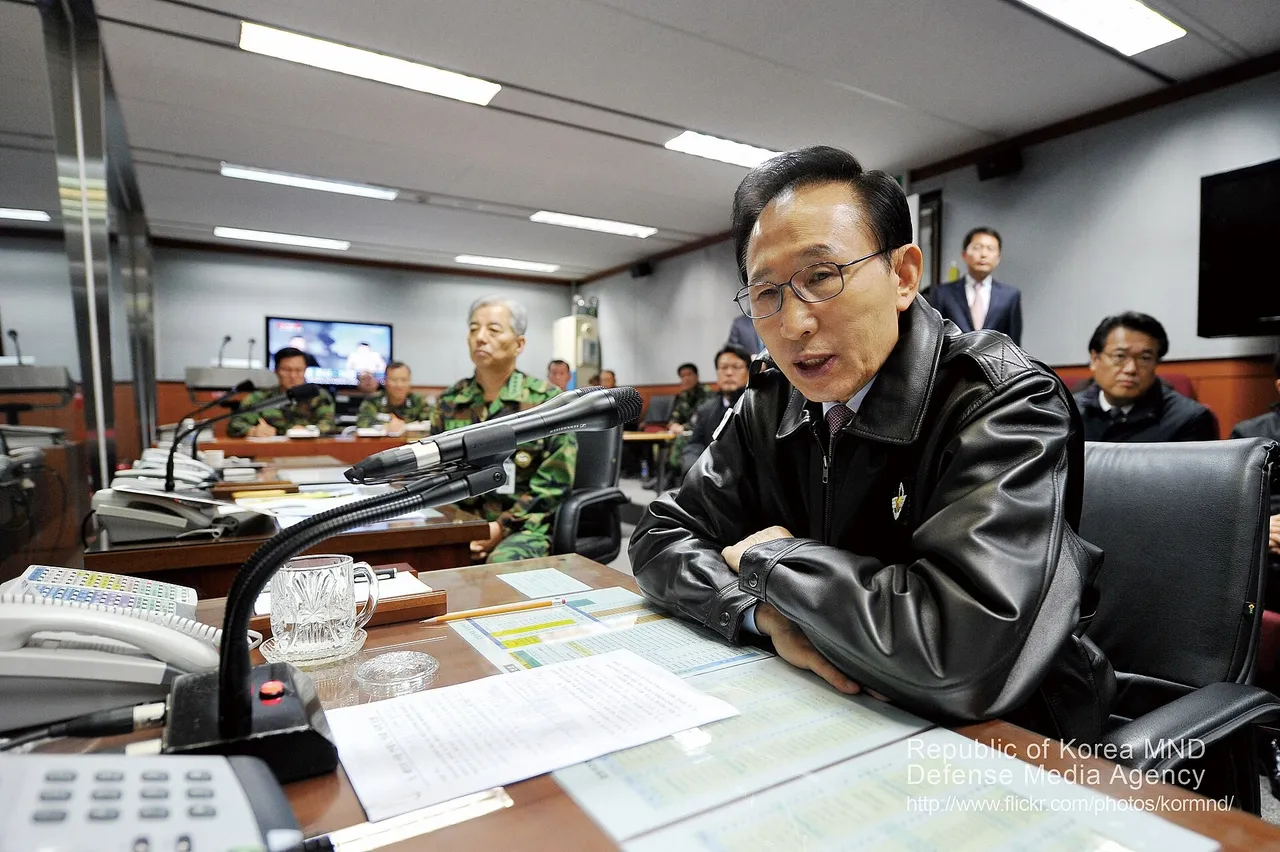
About one in six video conferencing units used by South Korea's army are made by a Chinese company, and dozens of them are installed in the command and control rooms of corps and divisions, according to army data released by an opposition lawmaker on Monday, Oct. 19, Korea time. The disclosure has raised concern that sensitive information on military operations and command decisions could be exposed.
Rep. Yu Yong-weon of the People Power Party, who sits on the National Assembly's National Defense Committee, obtained the figures from the army in a report on the introduction and use of Chinese-made information and communications equipment. The data surfaced during the legislature's annual audit of government agencies.
Of roughly 800 video conferencing devices the army operates, about 130 are codecs made by the Chinese telecommunications equipment maker Yealink, or around 16 percent of the total, the Munhwa Ilbo reported. About 60 of those 130 units are installed in corps- and division-level command and control rooms, operations situation rooms and intelligence situation rooms, according to the data.
Those rooms are where operational situations are shared in real time and where commanders' orders are passed down, so they require tighter information protection than ordinary administrative offices, the reports said. Because video conferencing equipment sends and receives both images and sound, a security flaw could not be ruled out as a route for sensitive military information to leak, according to the papers.
Both reports noted that the US state government of Oklahoma banned Yealink products from its state networks in 2024, citing security concerns.
The army said the equipment passed a security review by the Defense Counterintelligence Command before it was brought in, and that later inspections by bodies including the Cyber Operations Command have found no particular vulnerabilities so far. It added that the communication links run under several layers of protection, including encryption devices, network access control and unified threat management systems.
The data also showed that the armed forces have brought in or are operating about 1,770 Chinese-made CCTV cameras. The army introduced about 510 between 2022 and 2024, while the navy runs about 160, the air force about 400 and the Marine Corps about 700, for perimeter security and unit management, the Munhwa Ilbo said. Hansbiz reported that the army's cameras came from three Chinese manufacturers it identified only by their initials.
Yu said the presence of a significant number of Chinese video conferencing units in corps and division situation rooms, where sensitive operational and command information flows, should not be taken lightly, since even a small security weakness could lead to a leak of military information. He urged the military to examine how such equipment is managed at major facilities, including CCTV and other video and communications gear, and to apply strict security verification when buying equipment in future.
Sources
More in Indo-Pacific
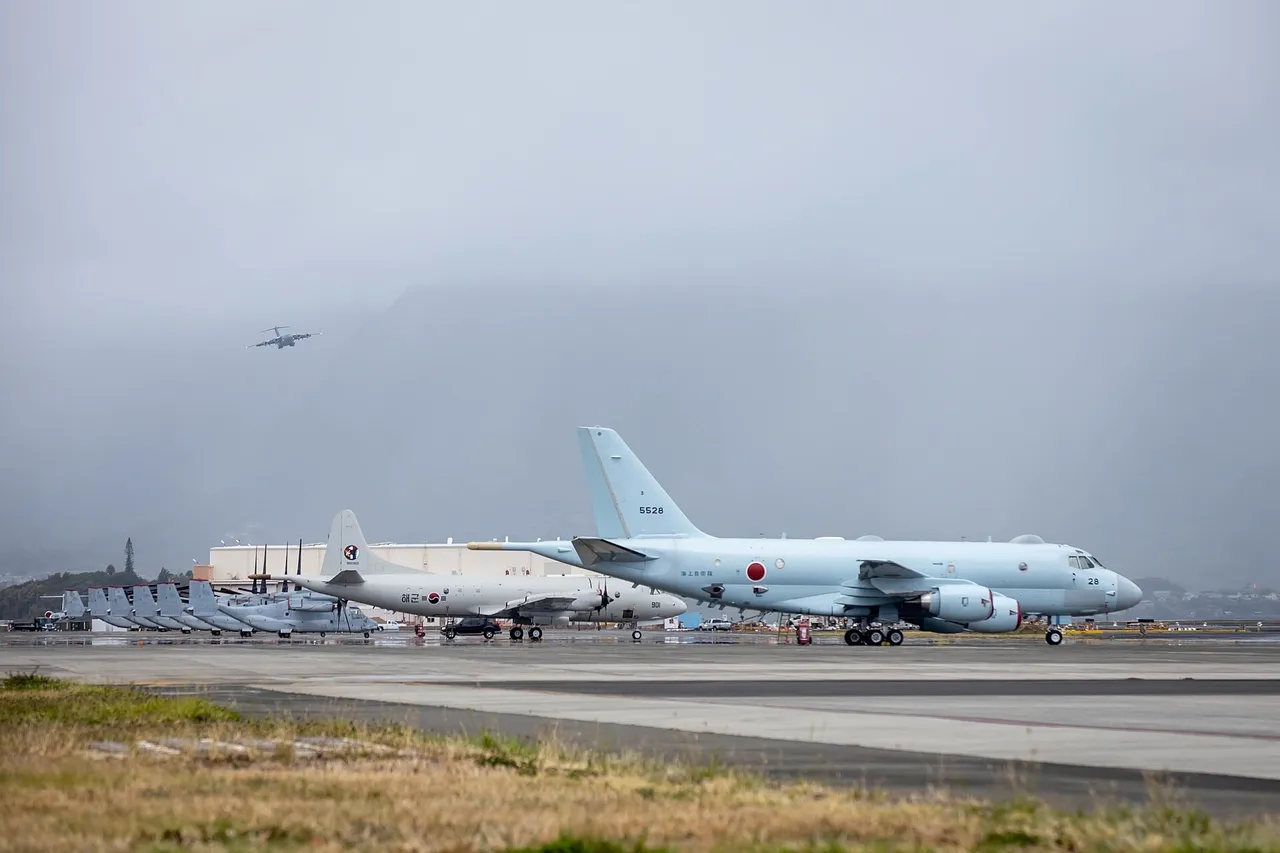
South Korea's navy seeks new patrol planes as its P-3CK fleet heads for retirement in 2030
The navy has asked for a new maritime patrol aircraft, but it may not arrive until the mid-2030s, leaving a possible gap in submarine hunting, data show.
TaiwanDefence · 27m ago · 3 min read
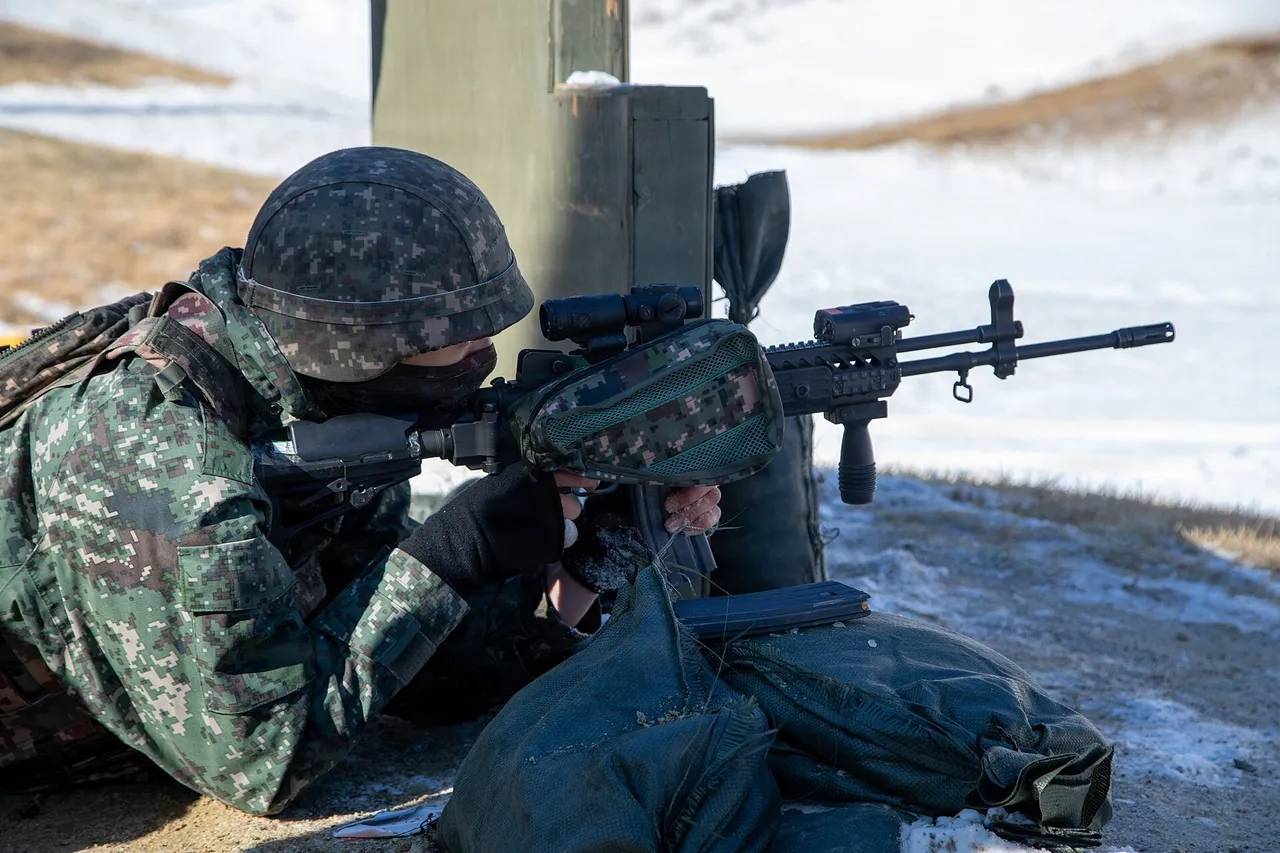
South Korea's military lost track of 11 firearms in five years, lawmaker's data show
Army, navy and air force figures list missing rifles and pistols, stolen practice grenades and lax armoury key handling, with several guns still not recovered.
TaiwanDefence · 6h ago · 3 min read
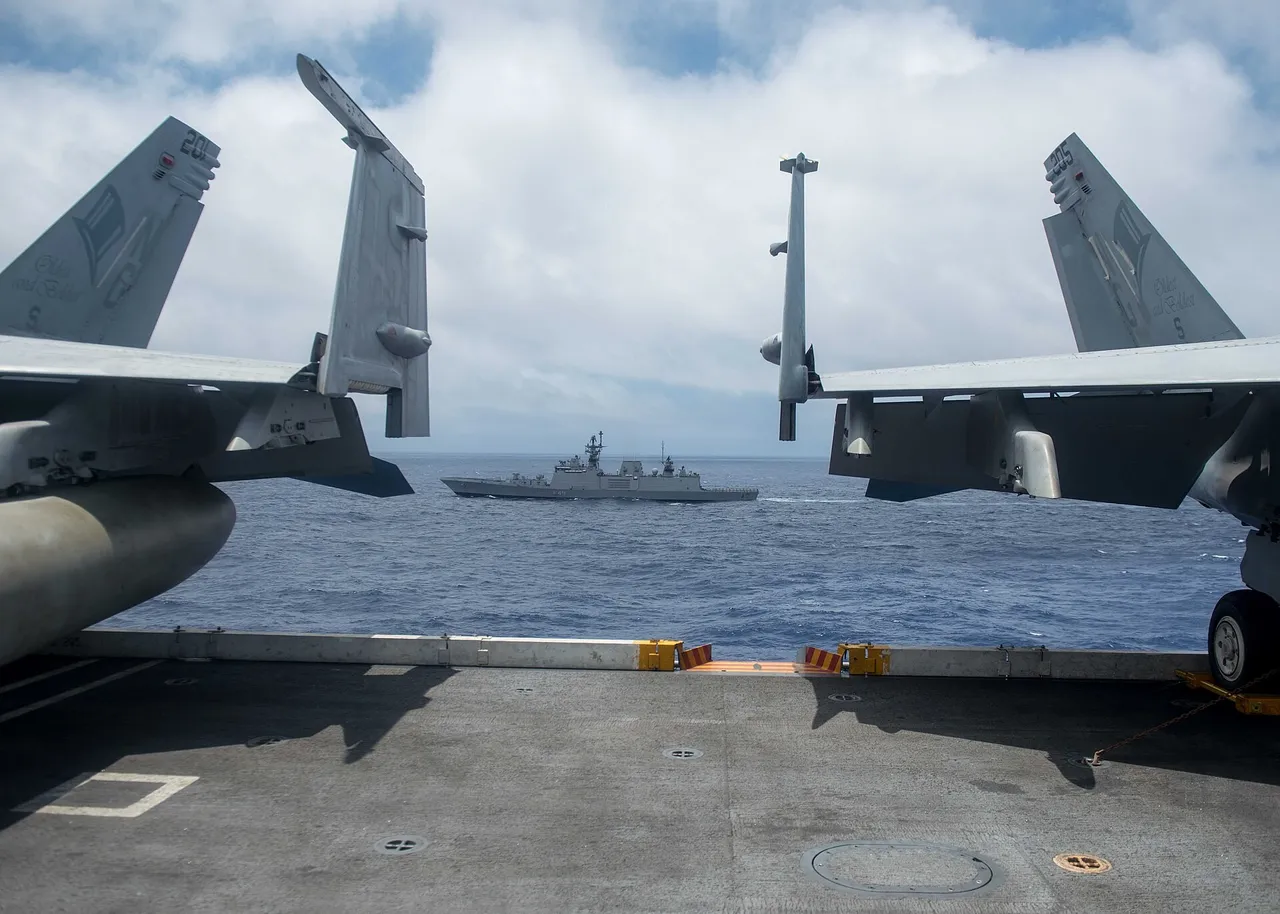
Indian frigate and Russian Pacific Fleet corvette fire guns together in the Sea of Japan
INS Sahyadri and the corvette Aldar Tsydenzhapov fired at sea and air targets and fought off mock drone attacks in the INDRA 2026 exercise, Russia's fleet said.
TaiwanDefence · 7h ago · 3 min read
Discussion (0)
Comments are not currently available.