
South Korea's navy seeks new patrol planes as its P-3CK fleet heads for retirement in 2030
The navy has asked for a new maritime patrol aircraft, but it may not arrive until the mid-2030s, leaving a possible gap in submarine hunting, data show.
TAIPEI —
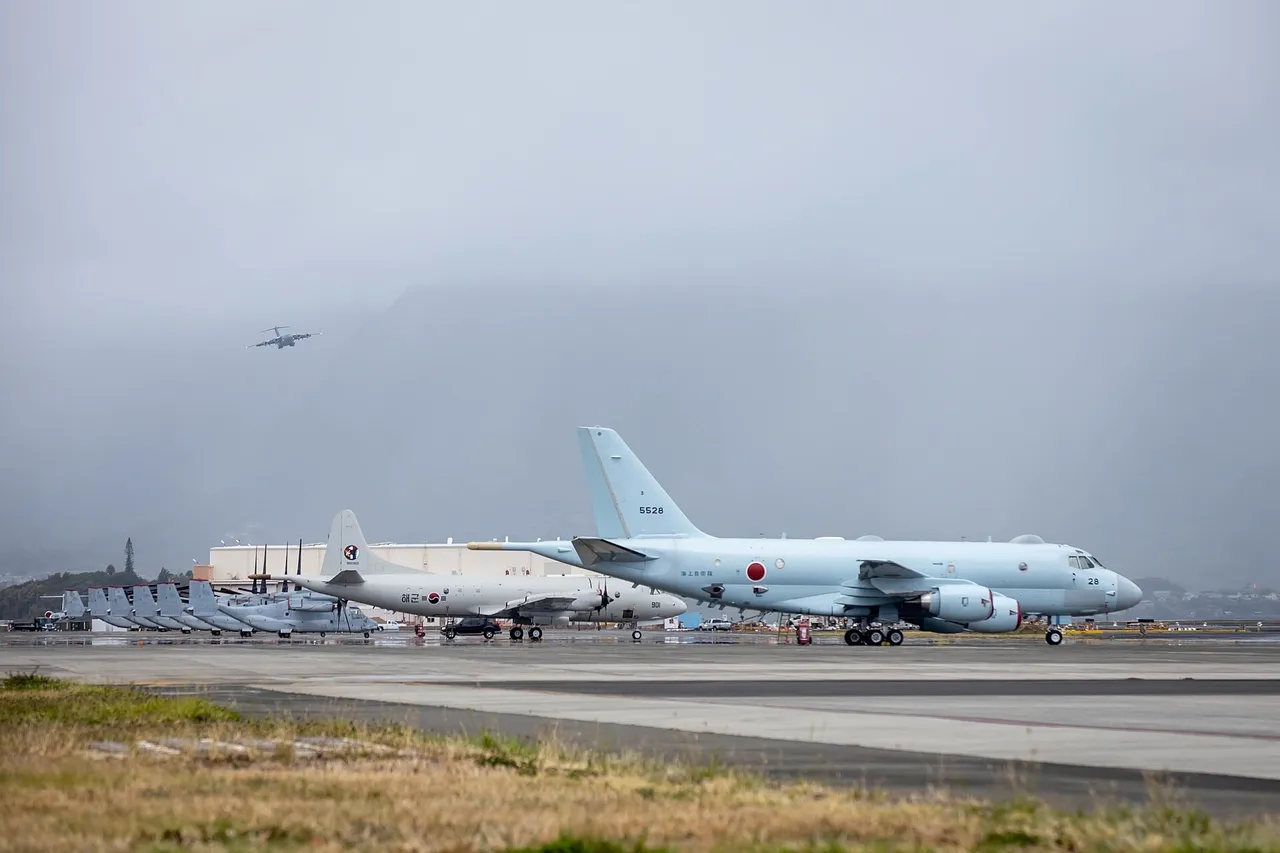
South Korea's navy has formally asked for a new fleet of maritime patrol aircraft to replace its ageing P-3CK planes, all seven of which are due to be retired around 2030, according to navy material released on Monday, Oct. 19, by an opposition lawmaker. The replacement is not expected to enter service until the early-to-mid 2030s, which has raised concern about a gap in the navy's ability to watch the sea and hunt submarines.
Rep. Yu Yong-weon of the People Power Party, who sits on the National Assembly's National Defense Committee, obtained the documents from the navy, including a status report on additional force requirements linked to operations in the Yellow Sea, Yonhap News Agency reported. They show the navy filed the requirement for the programme, called Maritime Patrol Aircraft-III, in January this year.
Filing a requirement is the first formal step in South Korea's arms acquisition process. A service sets out the performance, operating concept, number of units and fielding timeline it needs and sends the request to higher authorities. The Joint Chiefs of Staff is expected to make its requirement decision on the new patrol aircraft before the end of this year, the reports said.
The timing is the central problem. The navy has told the lawmaker's office it is looking at fielding the new aircraft in the early-to-mid 2030s, while the seven P-3CKs it still has are all scheduled to leave service around 2030. Even if the new programme runs to plan, the space between those dates could weaken long-range maritime surveillance and the detection and tracking of submarines for a period, according to the reports.
Before a P-3CK crashed in Pohang in May last year, the navy flew 16 aircraft of the P-3 family, eight P-3Cs and eight P-3CKs. It added six Boeing P-8A Poseidon aircraft in 2024. The P-3CK is built on old US Navy P-3B airframes that Korea Aerospace Industries reworked so heavily that the result was close to a new aircraft, and it entered Korean service in 2010. After the crash the military decided to retire the remaining seven by 2030. The type was grounded after the accident and resumed test flights in September after detailed inspections and added flight safety equipment.
Asked by Yonhap whether a gap would open, the navy said it would use its P-3C and P-8 aircraft more flexibly until the new planes arrive, and would draw on maritime operations helicopters and warships so that patrol coverage does not lapse. On whether the requirement had come too late, the navy said the programme had been moving forward since a long-term new requirement decision in 2022, but that the earlier P-3CK retirement date set after the crash had opened a gap with the planned arrival of the new aircraft.
The documents also show that the navy filed a requirement last October for a manned and unmanned teaming carrier, a ship of more than 30,000 tons, about 270 metres long and 70 metres wide, which it wants in place of a light aircraft carrier built mainly around crewed jets. It has also raised a requirement for KSS-IV, a conventional submarine programme to follow its ageing Jang Bogo-II boats.
Pressure at sea is growing. North Korea placed its new 5,000-ton destroyer Choe Hyon with its West Sea Fleet in June, and the South Korean military estimates that China's navy holds roughly five to ten exercises in the Yellow Sea every year, according to Yu's office. The Herald Business reported that South Korea's Defense Intelligence Agency, citing US Defense Department material, expects the navy of China's Northern Theater Command, which operates the carrier Liaoning, to keep growing. The agency also judged that the submarine Hero Kim Kun Ok, which North Korea presents as a missile-firing tactical nuclear attack boat, has not yet entered service.
Yu said patrol aircraft are a core asset for watching and tracking enemy ships and submarines and for responding quickly in a crisis. He said the military needs a concrete plan for operating its forces during any gap, not only a fielding schedule, and urged the navy to keep the carrier and next-generation submarine projects on track as Chinese and North Korean activity at sea continues.
Sources
More in Indo-Pacific
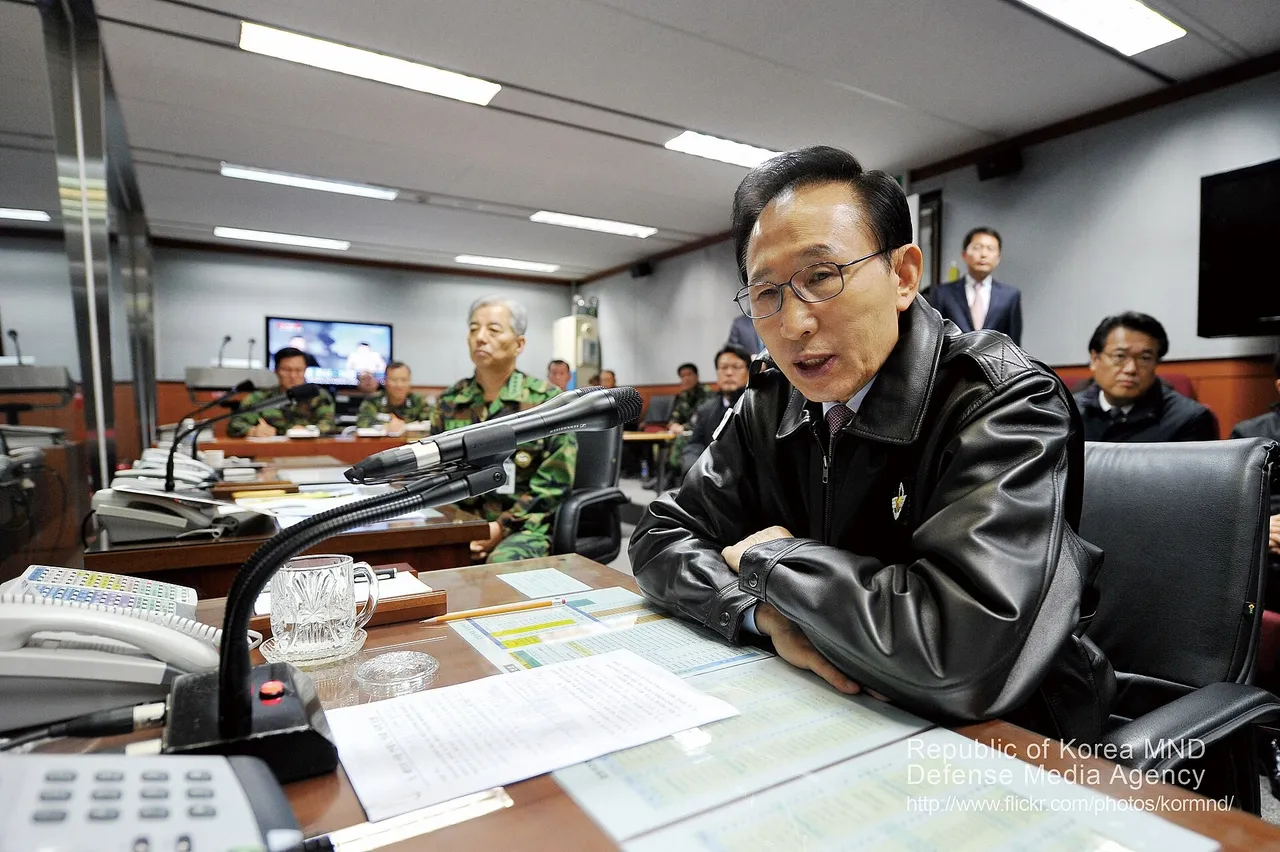
South Korea's army runs Chinese-made video conference gear in corps and division command rooms
About 130 of the army's 800 video conferencing units are Yealink codecs from China, and some 60 sit in command and situation rooms, a lawmaker's data show.
TaiwanDefence · 2h ago · 2 min read
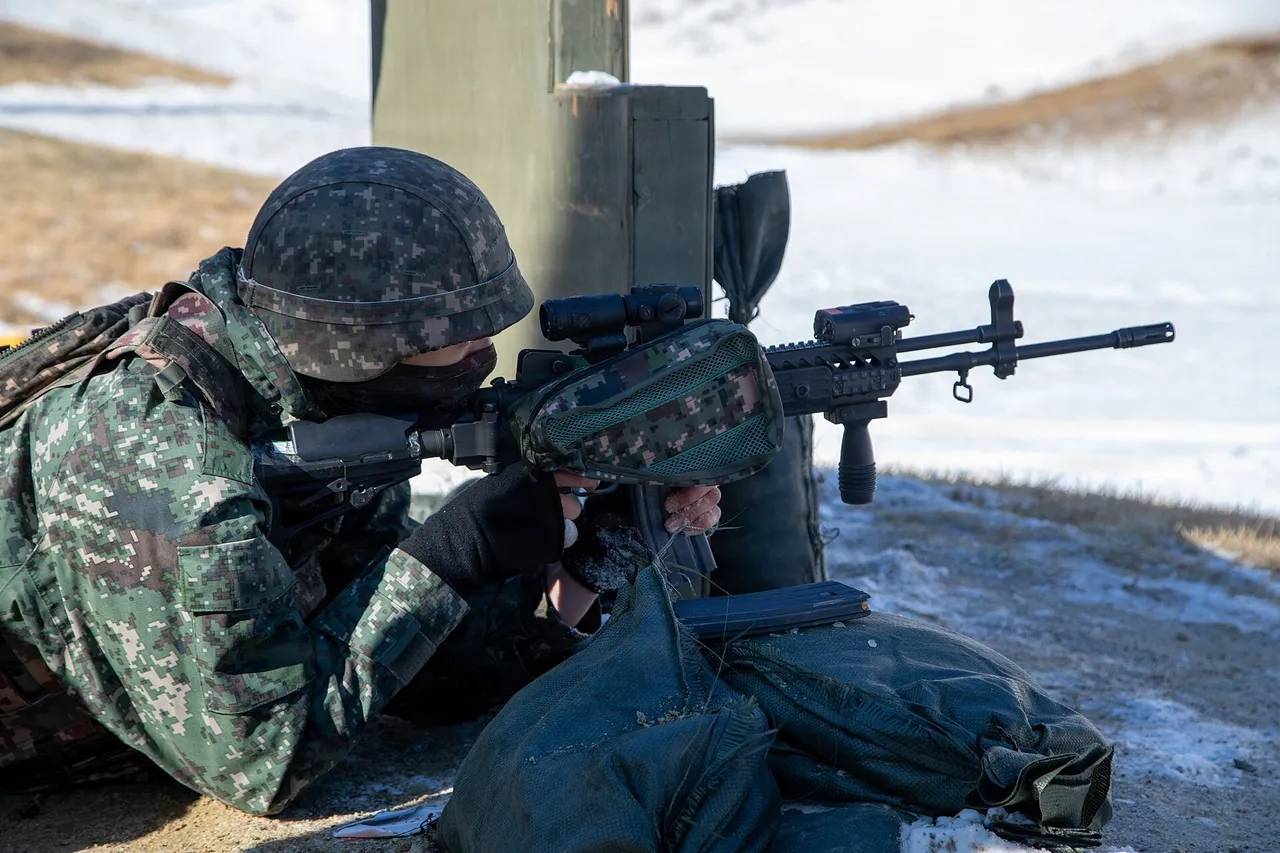
South Korea's military lost track of 11 firearms in five years, lawmaker's data show
Army, navy and air force figures list missing rifles and pistols, stolen practice grenades and lax armoury key handling, with several guns still not recovered.
TaiwanDefence · 7h ago · 3 min read
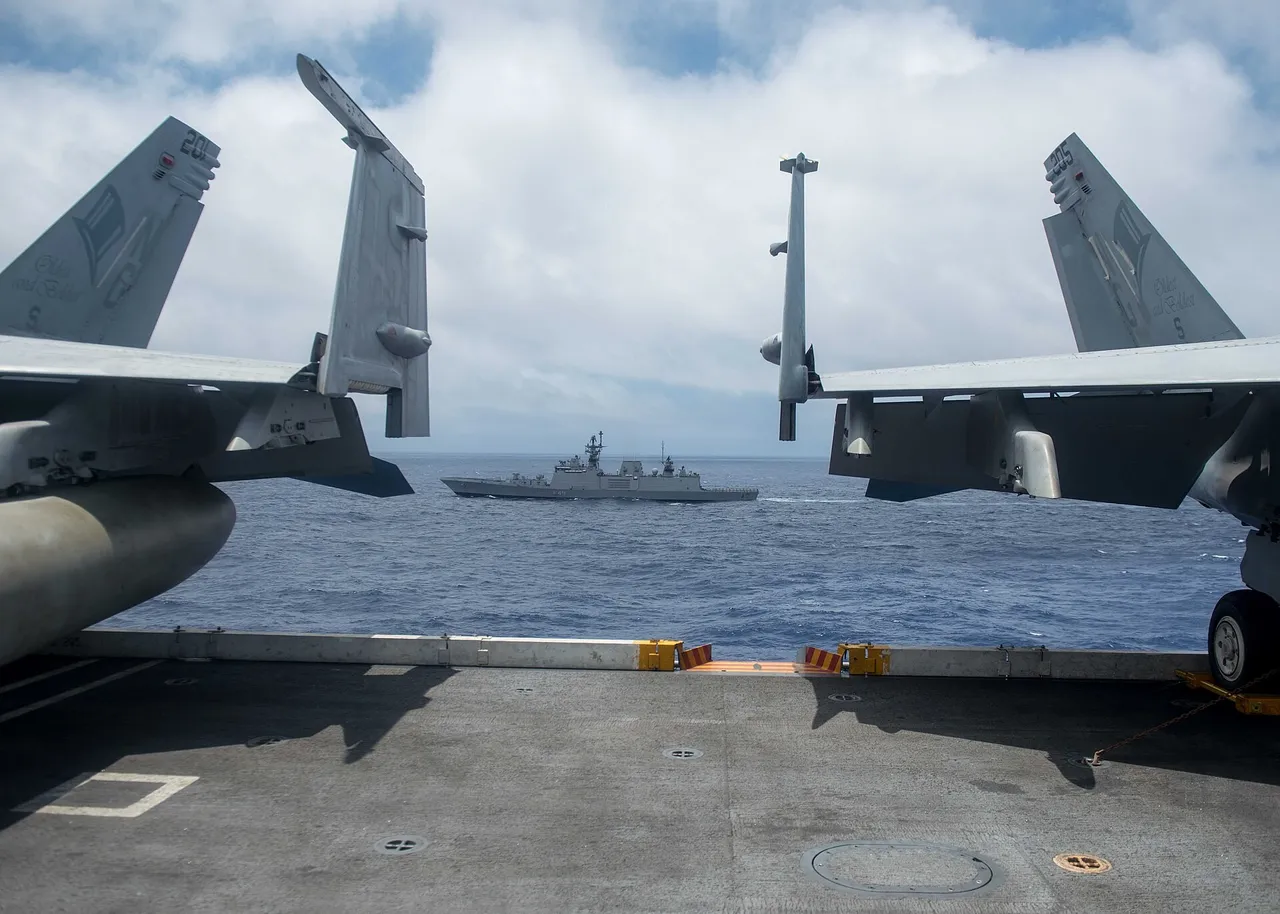
Indian frigate and Russian Pacific Fleet corvette fire guns together in the Sea of Japan
INS Sahyadri and the corvette Aldar Tsydenzhapov fired at sea and air targets and fought off mock drone attacks in the INDRA 2026 exercise, Russia's fleet said.
TaiwanDefence · 8h ago · 3 min read
Discussion (0)
Comments are not currently available.