
Taiwan indicts four as two former service members are accused of selling military secrets to China
Prosecutors say a military police officer and an air force soldier passed classified files to China for about NT$1.8 million, with crypto used to move the money.
TAIPEI —
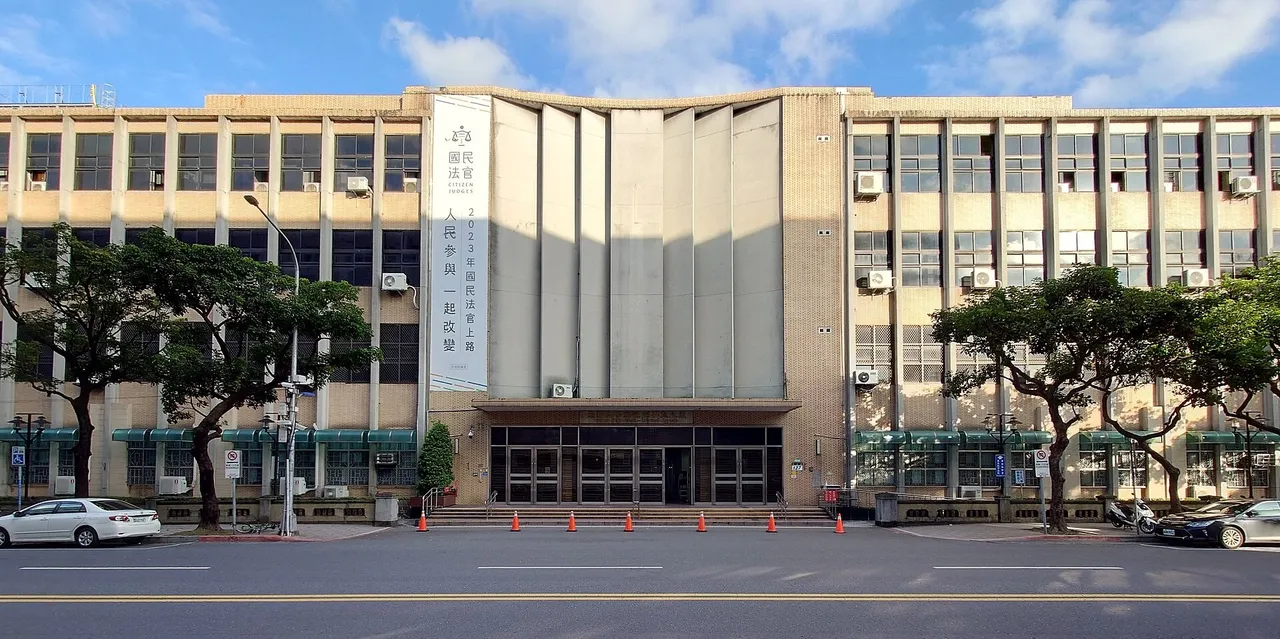
Taiwan's High Prosecutors Office on Monday, Oct. 19, indicted four people in an espionage case in which two members of the armed forces are accused of passing multiple classified military files to China in return for money. Prosecutors asked the court to impose heavy sentences on all four and sent the two defendants held in custody to the Taiwan High Court the same day.
The two accused of leaking the material are a field-grade officer surnamed Li, who served with a military police unit, and a soldier surnamed Sen, who served in the air force, according to TaiSounds. Both have since left the military. Prosecutors said Li spied for, gathered, leaked and handed over military secrets to the Chinese side from around March or April 2024 until August 2025, and Sen did so from around October or November 2023 until March 2025. Both were in urgent need of money when they were recruited by Chinese intelligence personnel, the reports said.
The two other defendants are accused of helping to move the payments. A lieutenant-grade officer surnamed Tsai, who was serving in the coast guard, allegedly lent his own bank account to Sen to receive money from the Chinese side while knowing what it was for, according to TaiSounds. Mirror Daily described Tsai as a public servant.
The fourth defendant, a retired service member surnamed Yu, is accused of acting as a go-between. Between March and October 2024, prosecutors said, Yu received cryptocurrency from people in China in his own digital wallet, sold it to currency dealers for cash and then deposited the money into accounts belonging to Li and Tsai on the instructions of his Chinese contacts. Prosecutors said Yu had previously been indicted for leaking and handing over classified military material, and that he had now taken money from a new channel set up by the Chinese side.
Prosecutors put Li's illegal gains at NT$884,000. Sen and Tsai together received NT$515,000, and Yu kept NT$430,403, for a combined total of about NT$1.82 million, according to the indictment as reported by both outlets.
The case was uncovered by a national security station of the Ministry of Justice Investigation Bureau, which reported it to the High Prosecutors Office. Investigators later carried out searches and questioning. Li and Sen were detained and barred from contact with others, while Yu and Tsai were released on bail of NT$100,000 and NT$50,000 and banned from leaving the country by air or sea.
The four face a long list of charges. They include leaking or delivering military secrets to the enemy under the Criminal Code of the Armed Forces, leaking national secrets to mainland China under the Classified National Security Information Protection Act and the National Security Act, leaking national defence secrets under the Criminal Code, taking and giving bribes for breach of duty under the Anti-Corruption Act, and money laundering.
In seeking heavy sentences, prosecutors noted that Li and Sen were members of the military and Tsai was a public servant when the offences took place, and said all three should have understood the importance of national security. They argued that, at a time of tense cross-strait relations and military threats from Beijing, handing China secrets that could harm national and defence security had done serious and lasting damage. Prosecutors also said Yu had offered excuses after the offence and showed no remorse, while his crypto transfers had been an essential part of the scheme.
The case adds to a run of prosecutions in Taiwan involving current and former military personnel accused of selling information to China, a pattern that has put the recruitment of service members in financial difficulty and the use of cryptocurrency to pay them at the centre of recent counterintelligence work.
Sources
More in Cross-Strait
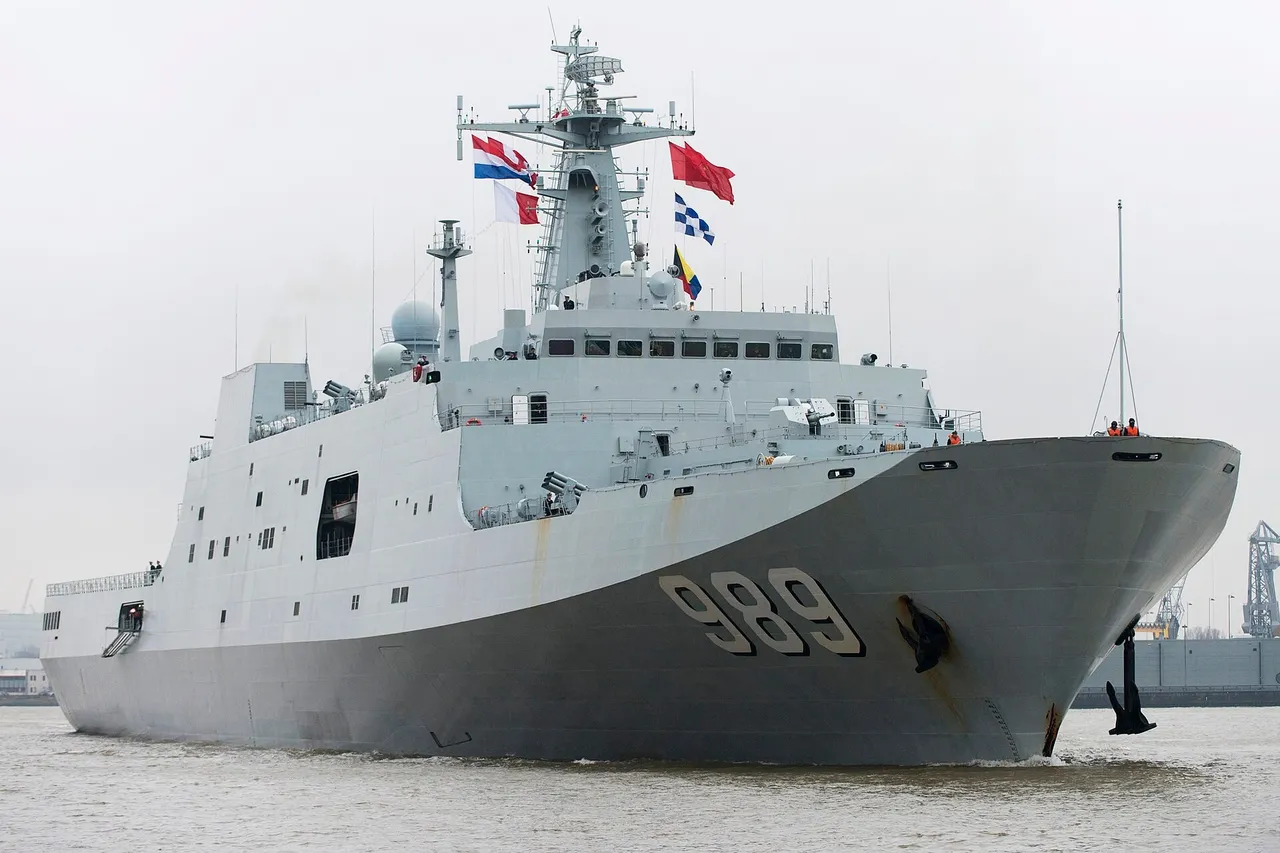
China airs rare live-fire salvo by four Type 071 landing ships on the eve of Keen Sword
PLA Navy footage shows four Southern Theatre Type 071 amphibious ships firing side by side as China runs drills across four seas before US-Japan exercises.
TaiwanDefence · 15h ago · 3 min read
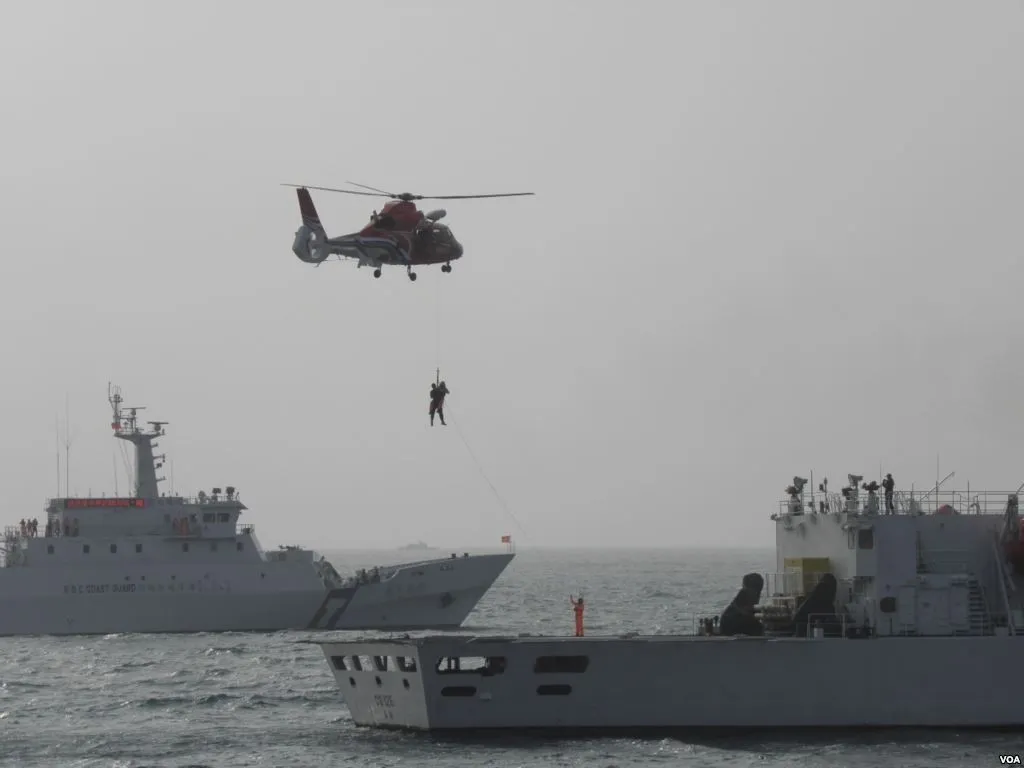
China sends 16 coast guard, research and fishing vessels to press on four areas around Taiwan
Taiwan's coast guard says 12 Chinese government ships and four fishing boats moved into waters off Hualien, Pingtung, Kaohsiung and Pratas on Sunday.
TaiwanDefence · 16h ago · 3 min read
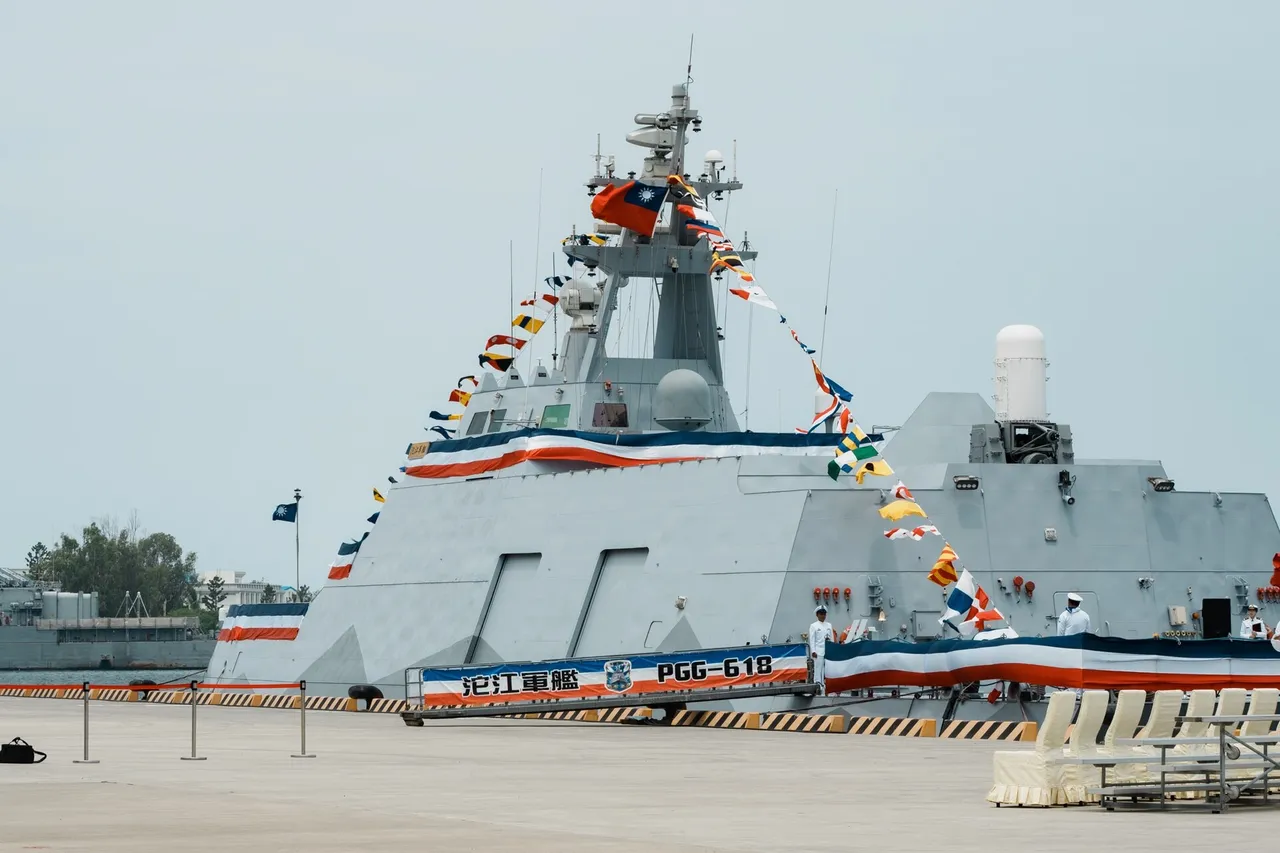
China's YJ-9ER anti-ship missile reportedly doubles range against Taiwan's fast corvettes
Chinese reports say the YJ-9ER can be fired from 30 km by helicopter and 60 km by aircraft, twice the YJ-9's reach, though the figures remain unproven.
TaiwanDefence · 22h ago · 3 min read
Discussion (0)
Comments are not currently available.