
Taiwan's defence innovation office has made more than 10 purchases from civilian suppliers
Officials say the office buys small batches of mature commercial technology, from counter-drone rifle sights to civilian beach surveys, without military specs.
TAIPEI —
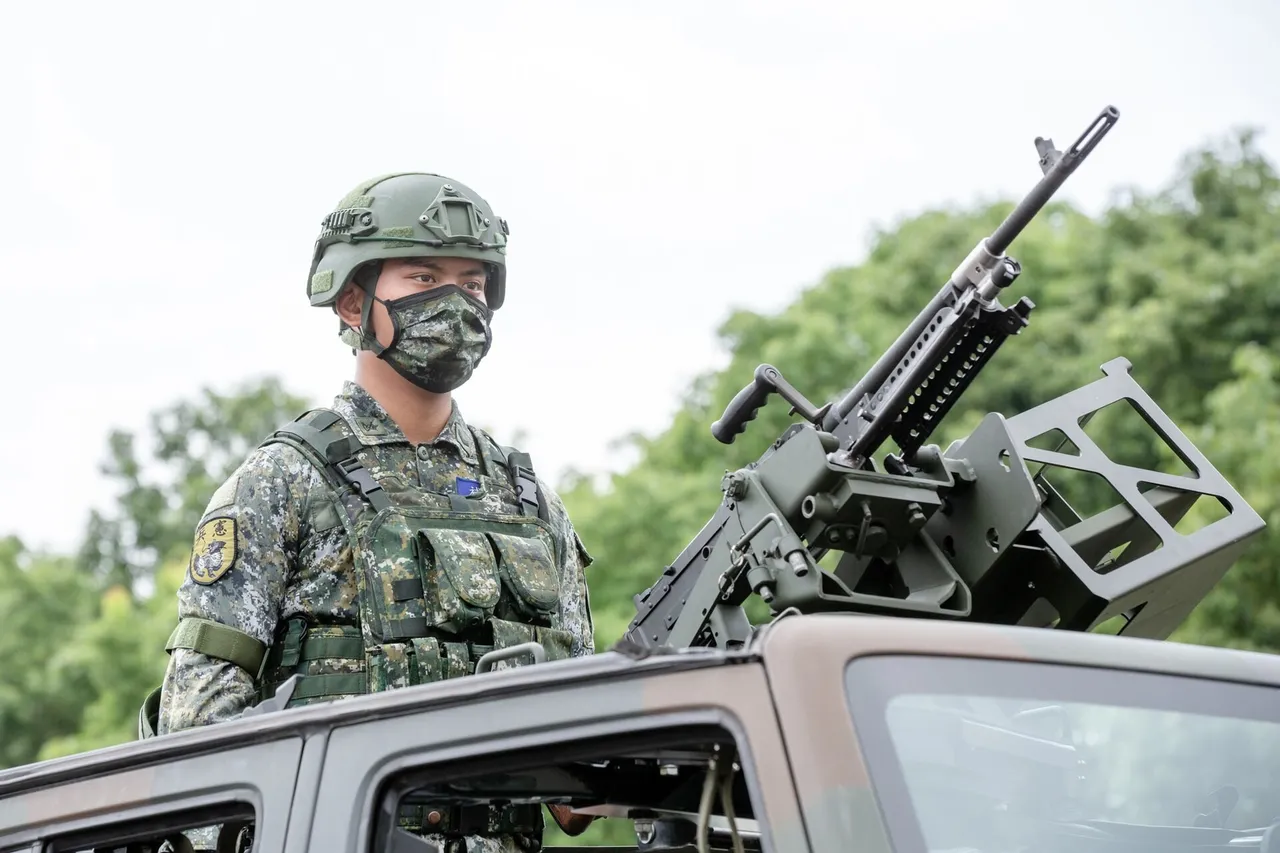
Taiwan's defence ministry has now placed more than 10 procurement cases with private suppliers through an office created to bring in mature civilian technology without the usual military-specification hurdles, military officials told the China Times in a report published on Monday, Oct. 19, Taipei time. The body, set up in February 2024 as a Defence Innovation Office group modelled on the US military's approach, was raised in May this year to a full division of the ministry's Department of Integrated Assessment and is supervised directly by Defence Minister Wellington Koo, the paper said.
According to the officials, the purchases include a navy contract for civilians to survey hydrographic and terrain data, an integrated mission centre to be set up by a private contractor, a light-weapons fire control system for the Military Police Command and a satellite imagery system that uses artificial intelligence to recognise targets automatically, which was bought for the ministry's Telecommunications Development Office.
The officials explained the reasoning in terms of speed. Weapons now change from one generation to the next so quickly, they said, that the old practice of drawing up a five-year force-building plan before buying anything risks delivering equipment that is already out of date. The office instead buys in small batches, is willing to purchase a product once private developers have taken it about 90 percent of the way, and pushes for quick acceptance testing to see whether it meets the target. Most of what it has bought so far falls into two areas: uncrewed vehicles and ways to counter them, and artificial intelligence and sensing.
The military police fire control system is in practice a counter-drone weapon, the China Times said. The Liberty Times reported last week that the Military Police Command bought 25 sets from a foreign supplier for a total of NT$21.89 million. The sights contain a fire control computer, fit the T112, M4 and AR15 rifles the unit already carries, and can track small drones automatically so that a soldier can engage them with gunfire at ranges of 400 metres or more, according to that report.
The Liberty Times said the new sights are meant to cover gaps left by two fixed counter-drone systems the military police operate in the Taipei garrison area. Those fixed systems rely on signal detection and electronic jamming and can handle up to 20 small drones within a five-kilometre radius, but the garrison area stretches about 20 kilometres from east to west and 27 kilometres from north to south, leaving parts of the capital and its government district outside their reach.
The navy survey contract is the case the China Times described as the office's most significant breakthrough. It hands the measurement of waters off beaches where the People's Liberation Army might try to land to civilian boats and civil aircraft, breaking a decades-old navy rule that military hydrographic work was carried out only by its own ships, even though the data touch some of Taiwan's most sensitive defence planning.
Other projects under way through the same channel, according to the Liberty Times, include tests of four-legged robots, fibre-optic drones of the kind proven in Ukraine to resist jamming, and a navy system that pairs autonomous underwater gliders with acoustic tracking. The paper said the cyber command has also bought commercial security and vulnerability-scanning tools in the same way.
A defence ministry report cited by the China Times said military technology once drove commercial progress, but the war between Russia and Ukraine has shown civilian emerging technology now playing an important part in defence innovation. The paper summed up the approach as replacing a rule that equipment must meet military specifications with a willingness to buy whatever best suits the defence of Taiwan and Penghu, in small quantities and off the shelf.
Koo has repeatedly told lawmakers that the character of war has changed and that Taiwan's forces must shift toward large numbers of low-cost, efficient systems for asymmetric warfare, the Liberty Times reported. It said the ministry's model of small purchases, fast testing and rapid acquisition is meant to replace procurement processes that used to take years to deliver a weapon.
Sources
More in Industry
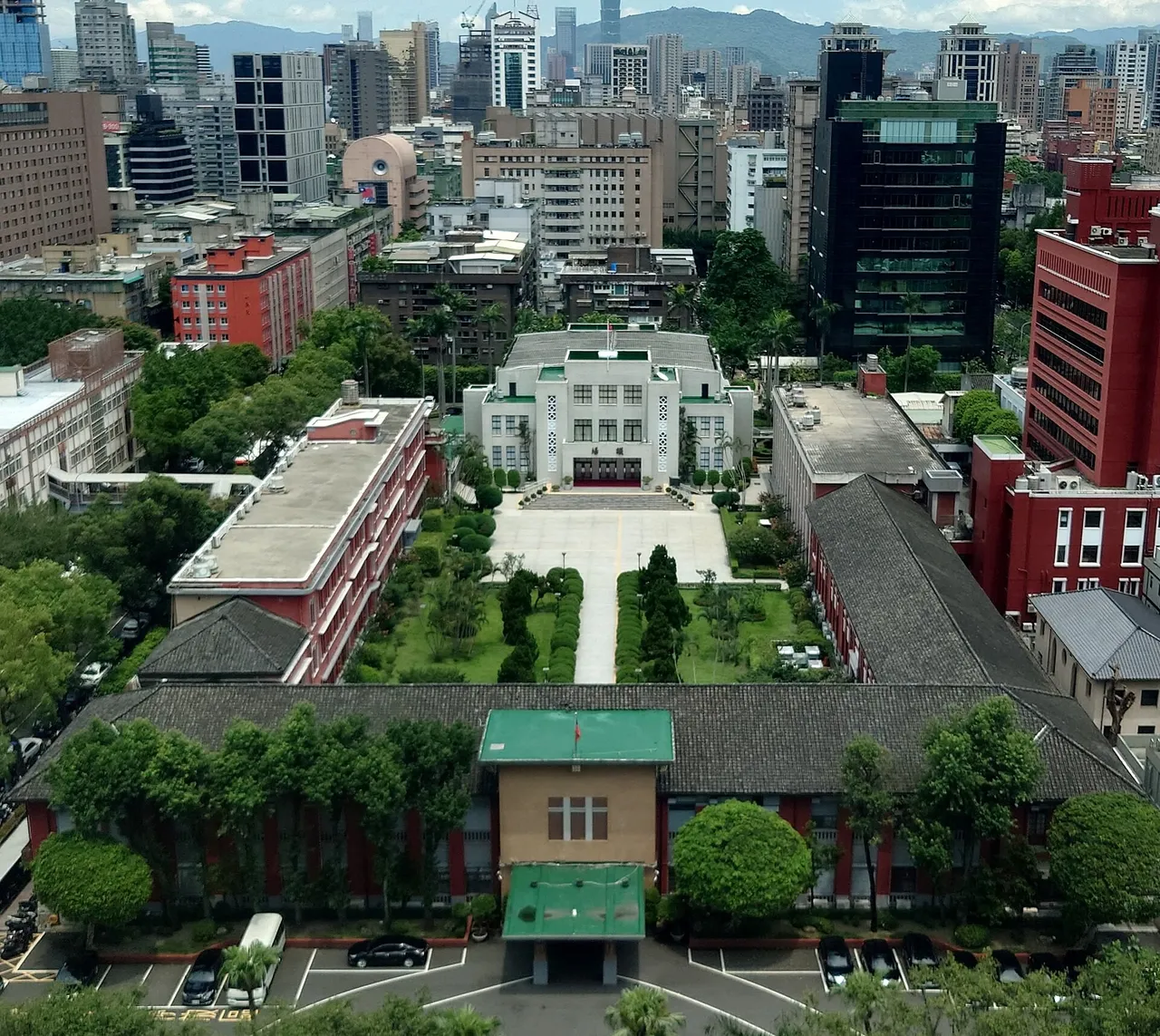
More than 150 frozen Taiwan defence budget items wait on lawmakers with none released yet
Three weeks into the new session, the defence committee has not scheduled any ministry request to unfreeze 2026 funds, including army ambulance upkeep.
TaiwanDefence · 17h ago · 3 min read
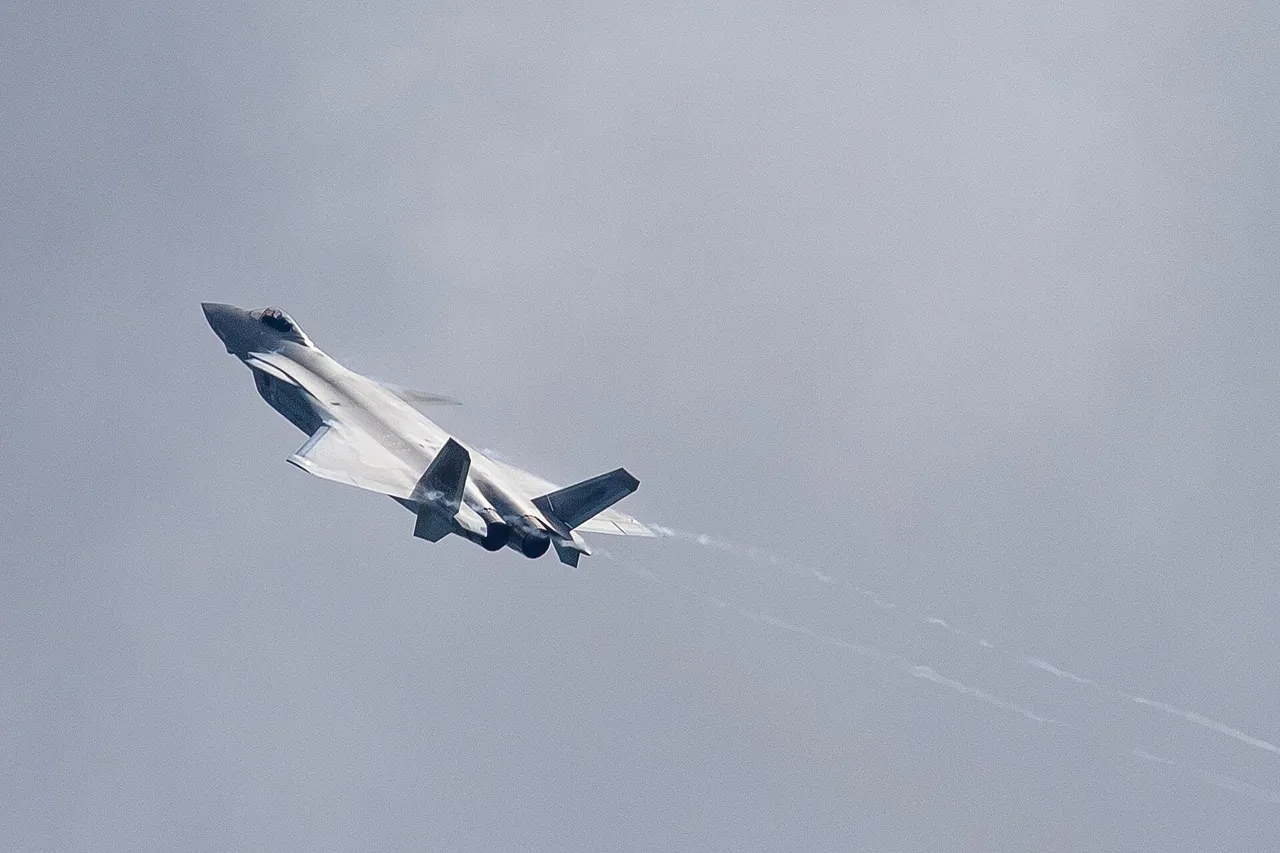
China's J-20 stealth fighter maker says modular tooling cuts its set-up costs by a fifth
Chengdu Aircraft says reusable assembly modules trim tooling costs about 20% and lead times 25%, a claim tied to faster fighter output that no one has audited.
TaiwanDefence · 1d ago · 3 min read
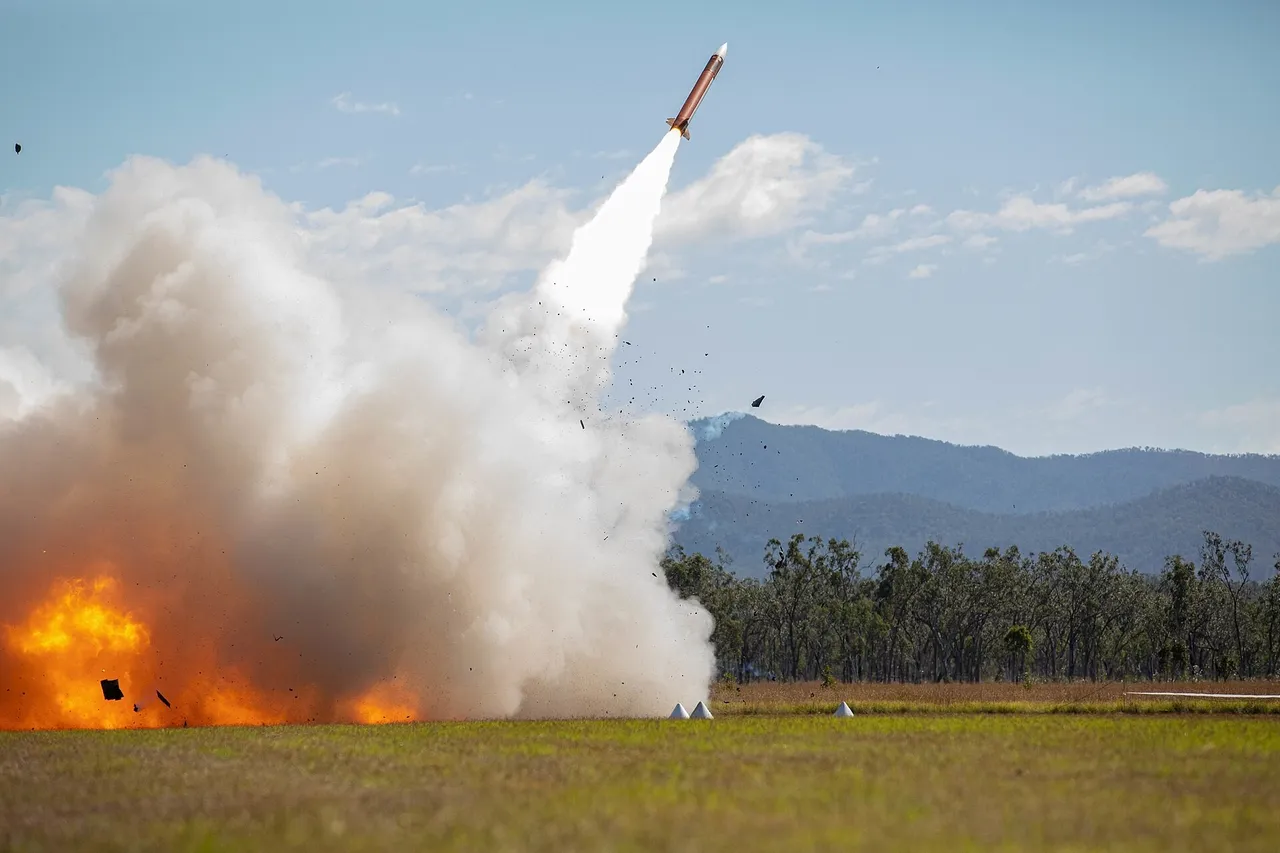
Lockheed pours $300m into Texas missile parts plant as Taiwan waits on Patriot deliveries
The Grand Prairie expansion feeds the PAC-3 MSE, THAAD and PrSM lines as the Pentagon pushes interceptor output towards 2,000 a year, while Taiwan's own Patriot order is still waiting.
TaiwanDefence · 2d ago · 3 min read
Discussion (0)
Comments are not currently available.