
US Army Pacific chief says showing China more firepower is how to deter war
In a Financial Times interview reported on 19 October 2026, Gen. Ronald Clark cited Typhon deployments and HIMARS live-fires using South Korean ammunition as visible signals meant to make Beijing pause.

TAIPEI —
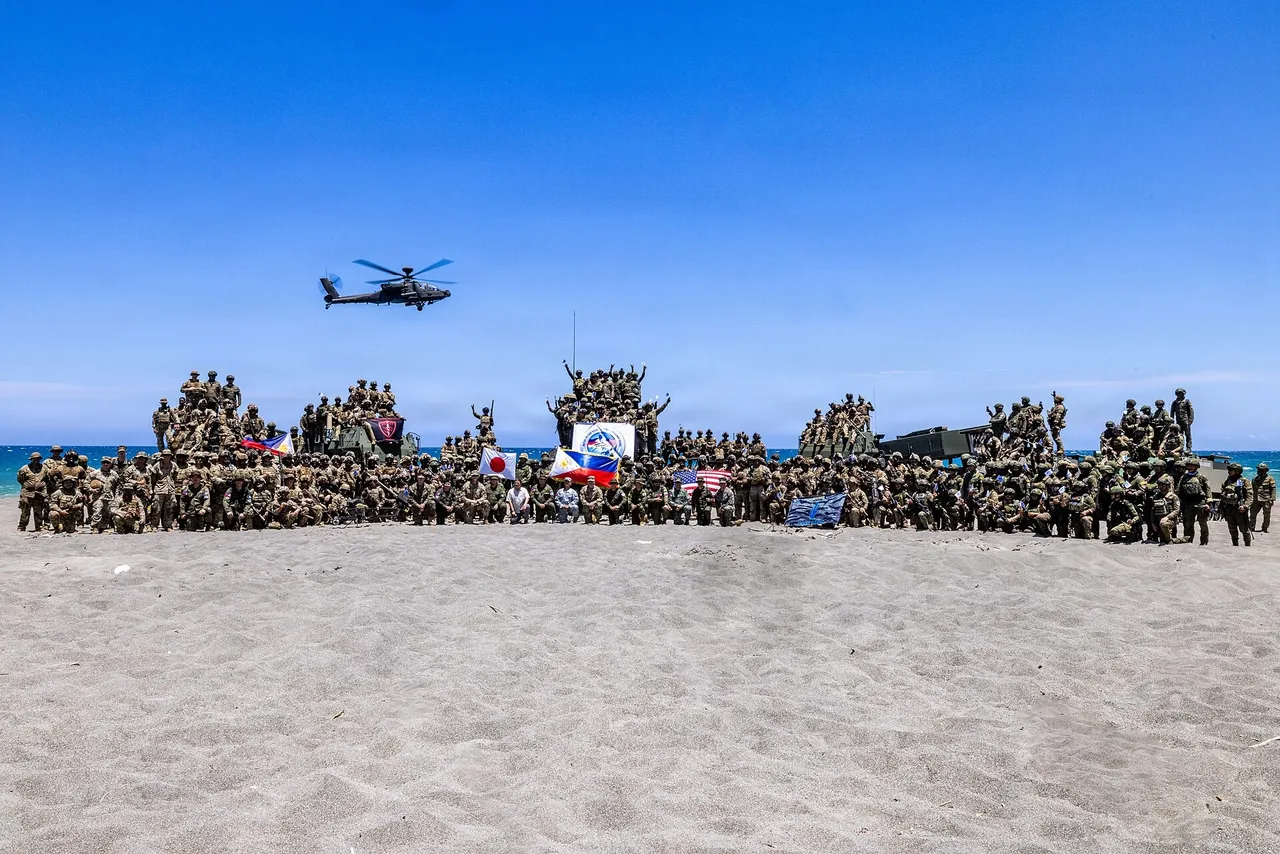
The commander of U.S. Army Pacific said he wants to put more advanced American military capability on display across the Indo-Pacific so that China sees enough readiness to think twice about starting a war, according to an interview with the Financial Times that Asian outlets summarised on 19 October 2026.
Gen. Ronald Clark told the newspaper he hopes, while he holds the command, to reveal enough capability and readiness to deter conflict. He argued that adversaries should be shown exquisite tools that give them pause, rather than leaving deterrence to rhetoric alone, the Asia Business Daily and Yonhap reported from the interview.
Clark commands Army forces under U.S. Indo-Pacific Command and has overseen a larger role for temporary weapon deployments and joint exercises in places that would matter in a Taiwan contingency, including the Philippines and Japan, the same accounts said. The remarks land as Washington has dialled back some public China rhetoric even while regional drills and rotational fires keep expanding, a contrast several Indo-Pacific wires highlighted when summarising the interview.
As one example, Clark pointed to Typhon, the Army mid-range capability launcher used in Philippine and Australian exercises. The system can fire SM-6 missiles against ships and Tomahawk cruise missiles against land targets; from Philippine sites, Tomahawks could reach parts of China's coast, which Beijing has criticised, the reports said.
He also described a HIMARS live-fire sequence earlier in 2026 in which the Army moved long-range precision weapons from the United States to the Philippines and brought ammunition from South Korea for the shoot. Clark said every stage was deliberately visible so rivals would see that U.S. forces can deploy and fire at scale, at a time and place of their choosing, Asia Business Daily and Yonhap reported. That logistics path, he argued, is itself part of the deterrent message.
Times Now and Asia Business Daily both noted the political backdrop: allies have worried about U.S. political signals under President Trump, yet defence officials say military cooperation from the Philippines to Australia has set records for participants and activity over the past year. Clark cast the United States as the security partner of choice and said working with Washington serves those countries' own interests.
Yonhap added that Clark is managing ally sensitivity to permanent basing by spreading exercises through the year and concentrating deployments when risk is assessed as higher, arguing temporary presence can still deter and surge if a crisis hits. He also said the Army is putting more divisions, corps-level headquarters and multi-domain units into the Pacific than at any point in his career.
Taken together, the interview portrays temporary mid-range fires and allied ammunition sharing as public proof-of-concept rather than secret capability. Clark's examples emphasised that China and other observers can watch Typhon and HIMARS movements in the Philippines and Australia and should treat that visibility as intentional, the Asia Business Daily, Yonhap and Times Now accounts agreed.
The Financial Times interview itself remains the originating record; the English and Korean wire write-ups published on 18-19 October 2026 independently track the same Typhon, HIMARS and partner-of-choice themes without claiming new Chinese responses. Beijing had not issued a fresh reply to Clark's latest comments in the initial Korean coverage.
Sources
More in Indo-Pacific
India and Australia open AUSTRAHIND army drill built around island and coastal operations
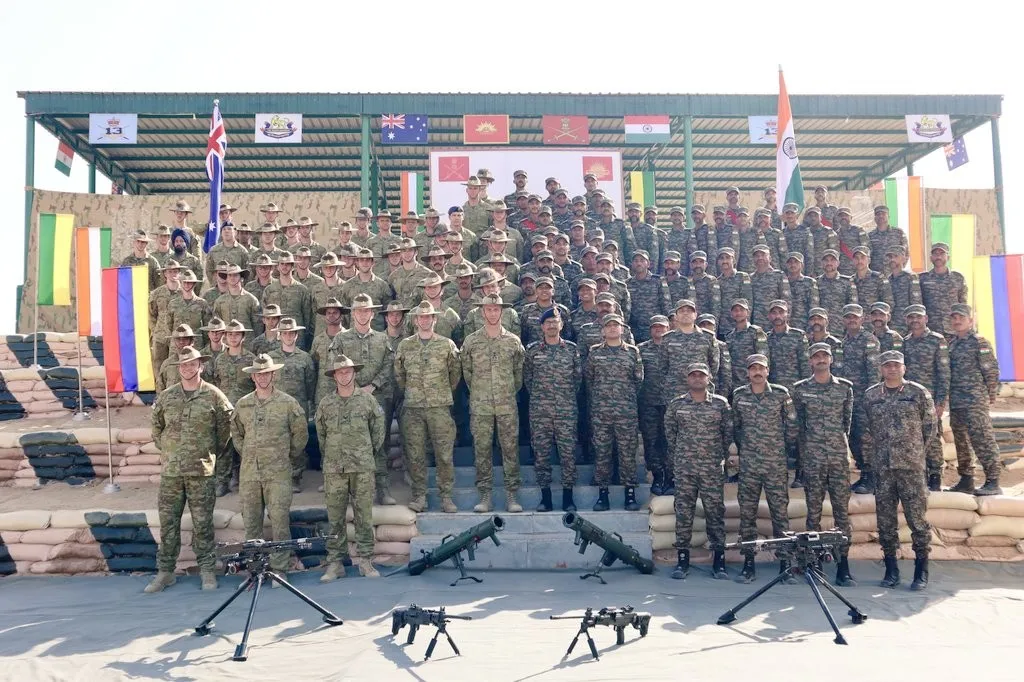
The fifth India-Australia army exercise opened in Kerala with about 240 troops training for island and coastal missions, and New Zealand observing for the first time.
TaiwanDefence · 5m ago · 2 min read
South Korea's Lee says Seoul must retake wartime command early, rebuffing US commander's new conditions
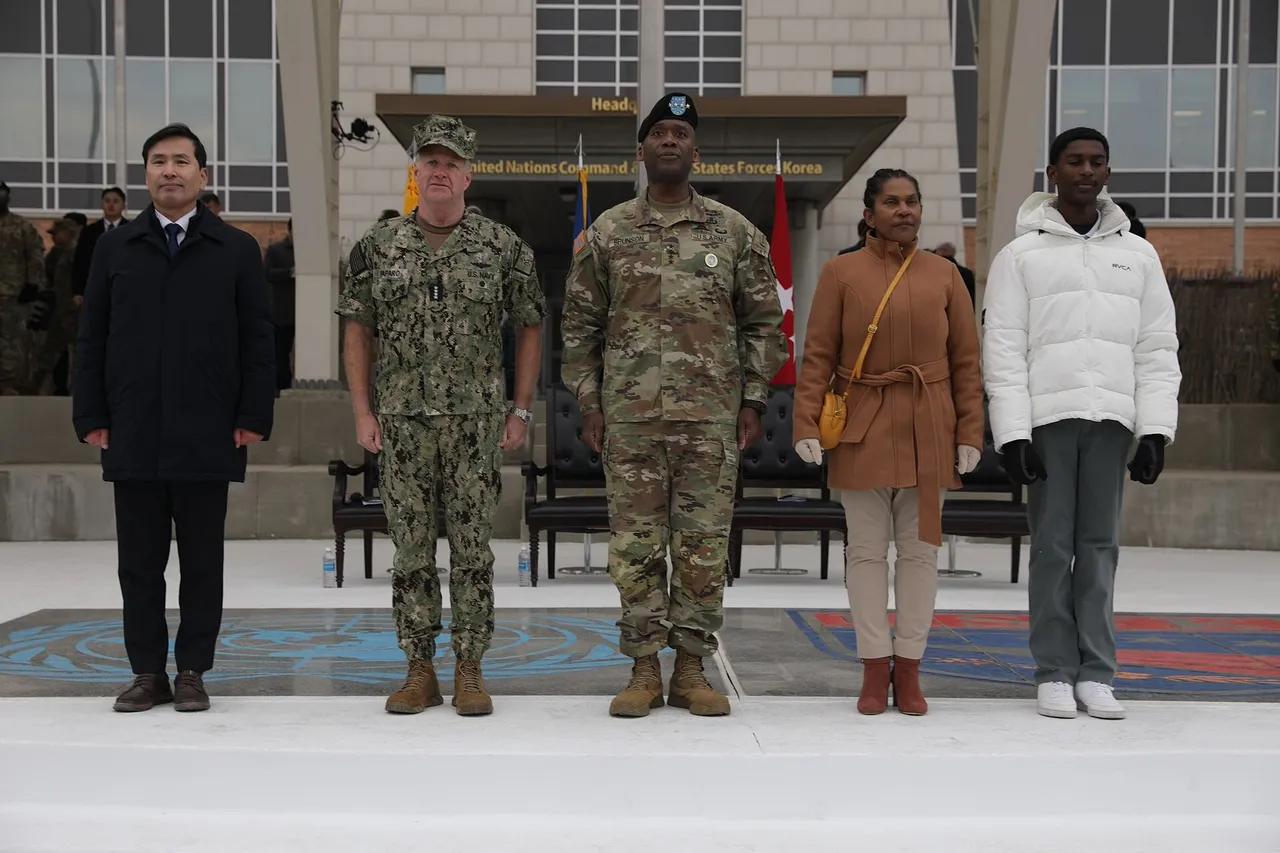
In his first comments on the row, the president said the handover is something Seoul must do itself, as the army chief rejected the US general's border remark.
TaiwanDefence · 3h ago · 3 min read
Australia opens a tender for medium-range army missile defence as it eyes China's arsenal
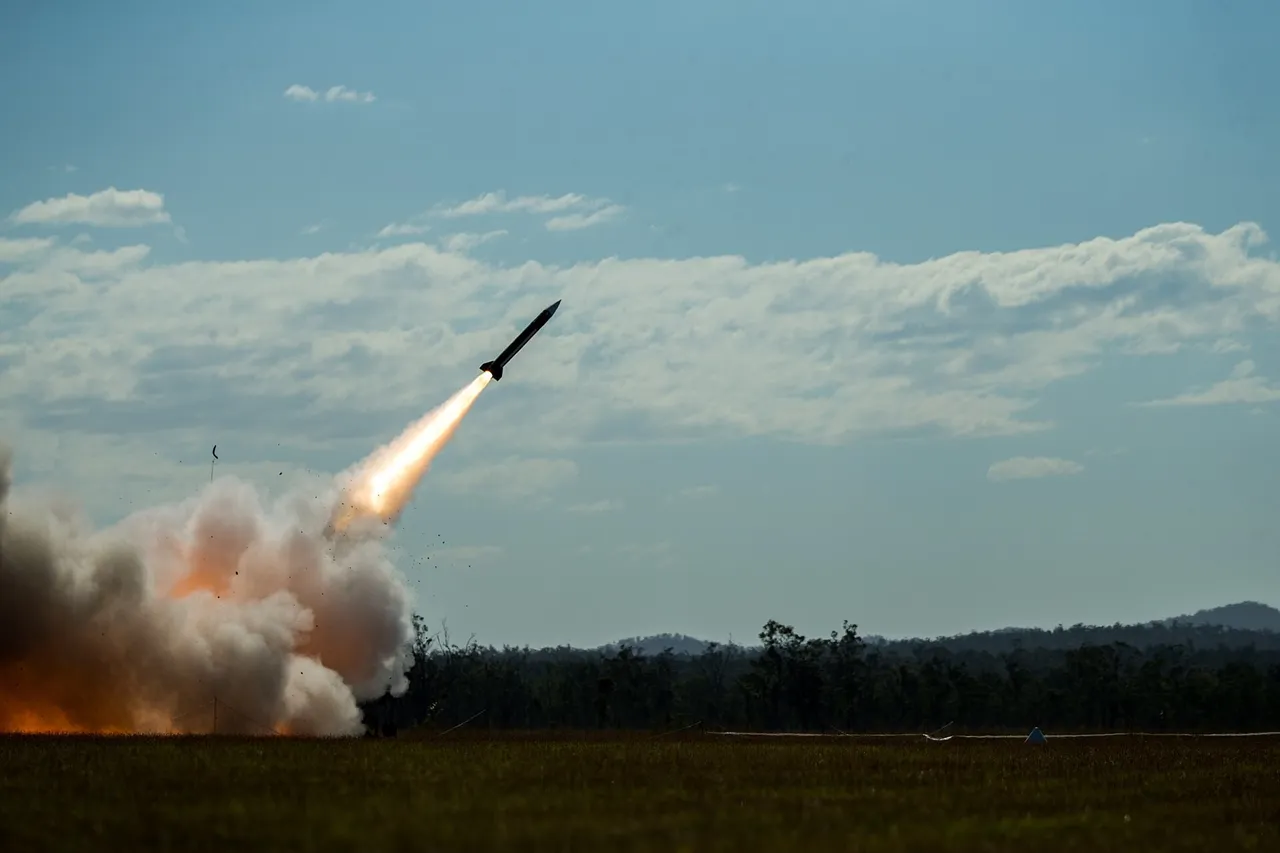
Project Land 6504 seeks an off-the-shelf system that can stop ballistic missiles in their final phase, with a vendor to be picked by the end of 2027.
TaiwanDefence · 4h ago · 3 min read
Discussion (0)
Comments are not currently available.