
AUKUS officials say undersea drone work is on track after live trials off California
More than 40 crewed and uncrewed systems were put through strike, resupply and submarine-hunting scenarios, with payload deliveries due to start next year.
TAIPEI —
Defence officials from Australia, Britain and the United States said this week that their joint work on autonomous undersea warfare is on track, after a live demonstration off Southern California on 21 October in which more than 40 government and industry systems, crewed and uncrewed, were tested in strike, contested resupply and undersea warfare scenarios.
The event, called Maritime Big Play Pacific, sits under the second pillar of the AUKUS partnership, the part that covers advanced technology rather than nuclear-powered submarines. A Pentagon release carried by the US Pacific Fleet said it runs from 5 to 26 October. USNI News reported that it was hosted by the Naval Information Warfare Center Pacific, the Pacific Fleet and the Marine Corps, with activity in San Diego, on San Clemente Island and at Camp Pendleton.
Michael Dodd, the Pentagon assistant secretary for critical technologies, told a media roundtable that the aim is to find areas where working together gives the three countries an operational edge that none could reach as efficiently alone. He said this year's priorities under the second pillar are torpedoes, uncrewed vehicles, mines and undersea communications, and that delivery of systems and payloads is planned to begin next year.
According to the Maritime Big Play director, Gerry Tighe, the scenario had joint forces moving across island chains while an adversary attacked their logistics and resupply with drones in the air, on the surface and under the sea. Britain's special representative for AUKUS, Sir Stephen Lovegrove, said the scenario was built with the Indo-Pacific in mind but that the maritime work is not tied to one theatre. He added that Britain's main focus remains the North Atlantic, the Mediterranean and the High North, where Russia is seen as the principal threat.
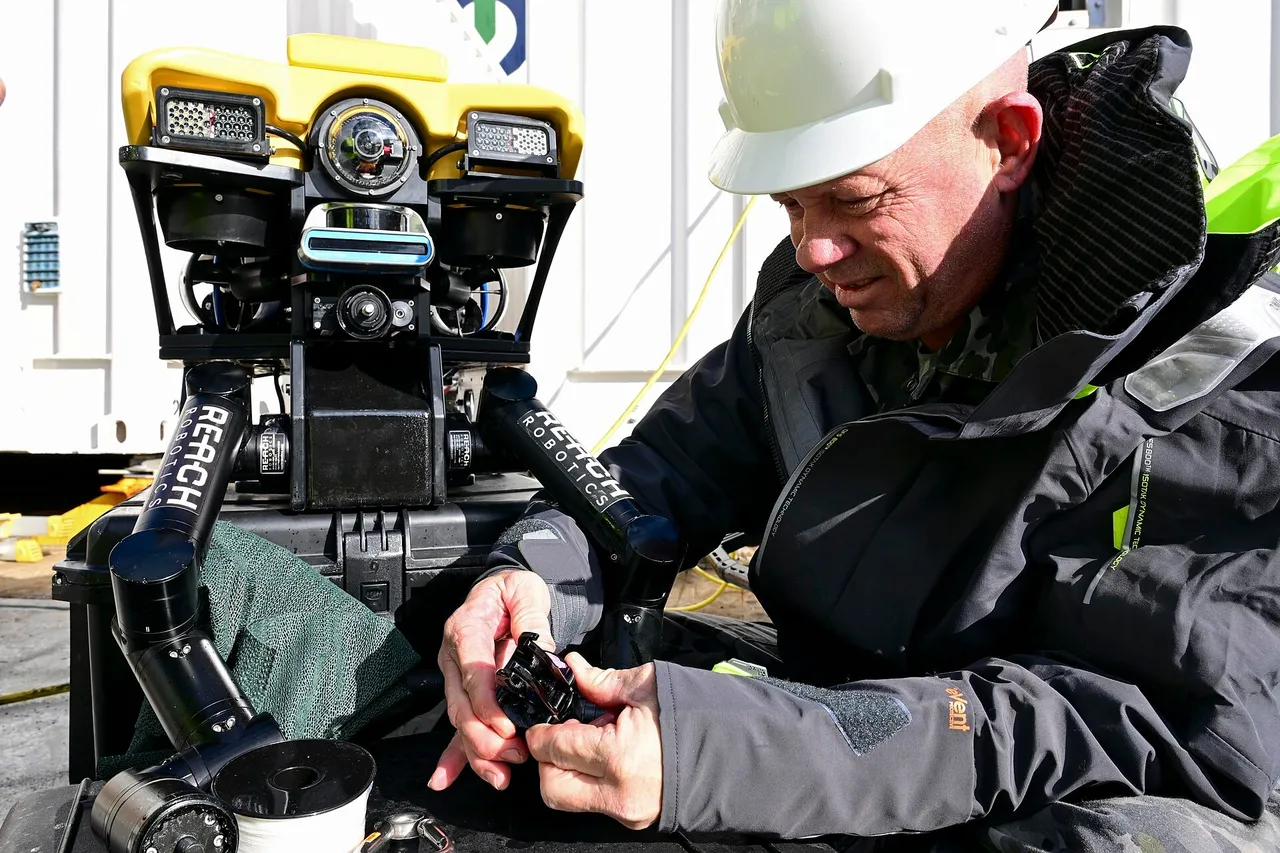
Several large underwater drones took part. USNI News described a 34-foot cargo vehicle from Composite Energy Technologies that spent five days at sea, and an extra-large vehicle from Anduril Australia carrying a deployable acoustic sensor array for detecting passing contacts. A small recoverable underwater drone played the enemy submarine in the anti-submarine serials. During a display a day earlier, three aerial drones were launched from a Royal Navy Kraken uncrewed surface vessel and flown by a single operator.
Australia used the event to show its own work. David Nockels, an Australian defence trade official, said he was seeing real progress across the second pillar. Earlier in the week Canberra revealed new payloads for its Ghost Shark and Speartooth underwater drones and Bluebottle surface vessels, including sea mines, supply caches and a small aerial drone, and Defence Minister Richard Marles said Australia would showcase them at the California event.
Officials also pointed to obstacles. Dodd said some US export control restrictions dating back decades still affect systems used in the demonstration, and that the partners want to bring such barriers to the surface and settle them together. Lovegrove said the work to remove bureaucratic barriers, including on US arms export rules and exempted technologies, is not yet complete.
Naval Technology noted that the demonstration series preceded the first signature project of the second pillar, announced in May, which covers payloads and supporting systems for uncrewed undersea vehicles. The Pentagon has said that project is meant to support seabed infrastructure protection, surveillance, strike, logistics, anti-submarine warfare and mine countermeasures. The officials did not say which systems would be bought, in what numbers, or when they would join the three fleets.
Sources
More in Indo-Pacific
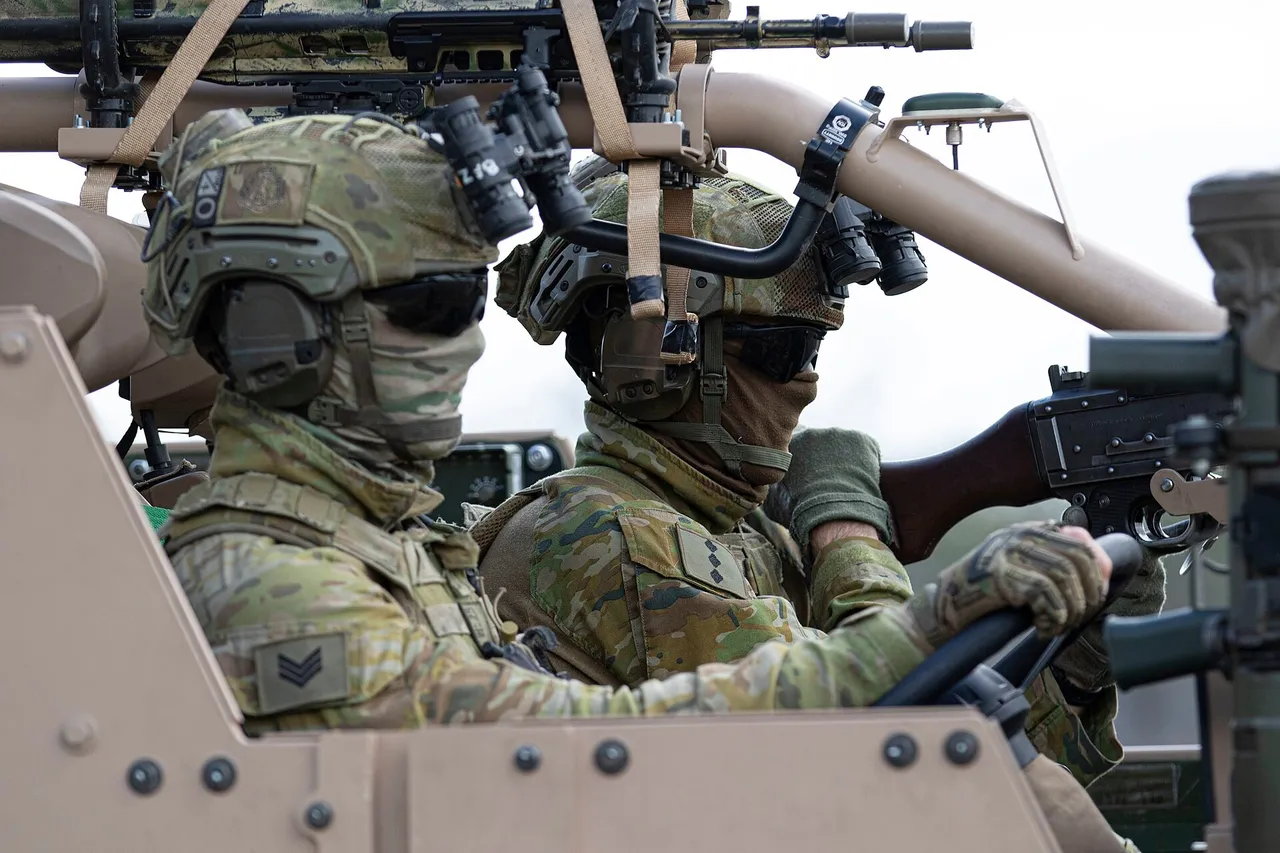
Australian Defence confirms an earlier Supacat tip-over after a fatal rollover in the Northern Territory
The six-wheel transporter that killed a corporal at Mount Bundey had laid over on a 2020 driver course, while British Jackal variants logged more than 30 rolls.
TaiwanDefence · 37m ago · 3 min read
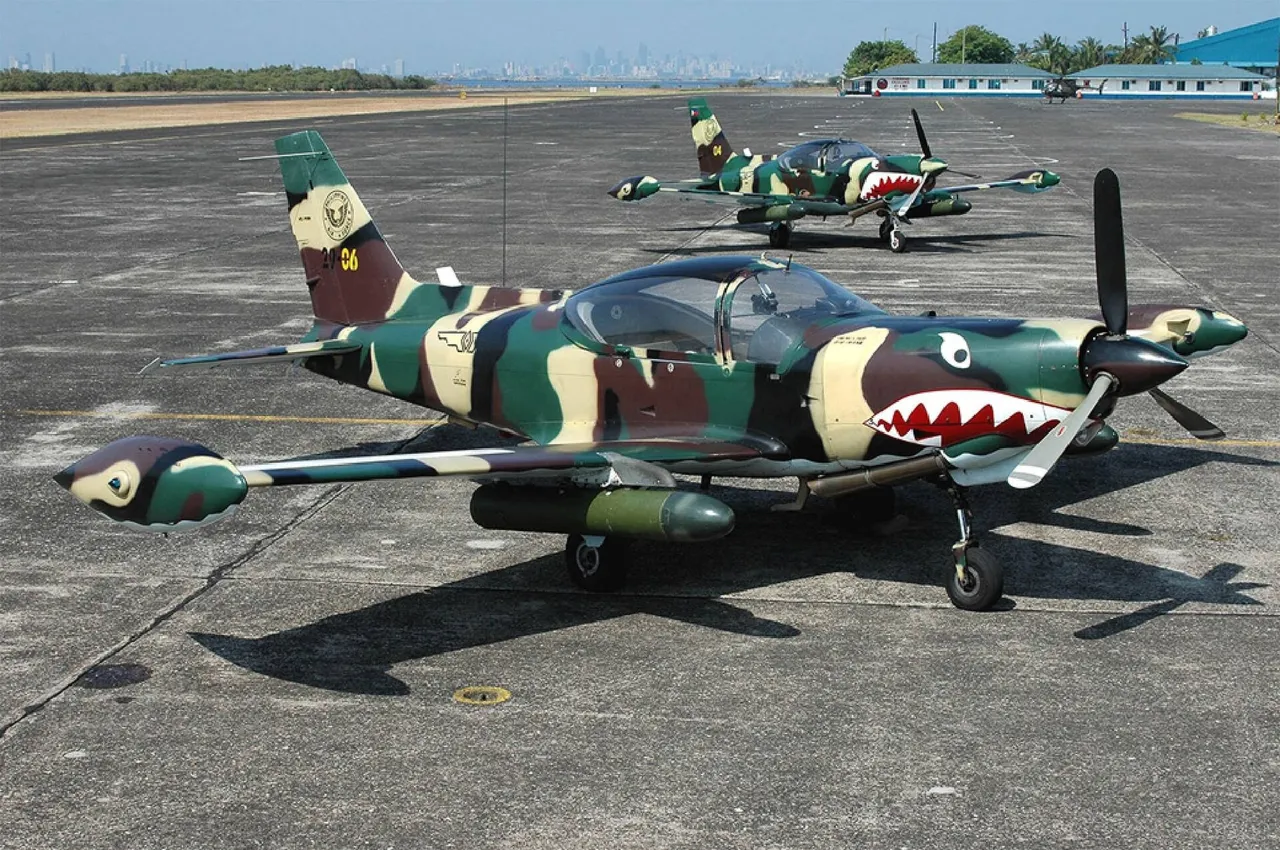
Four Philippine Air Force pilots die as two SF-260 trainers go down at Fernando Air Base
The air force says both trainers came down inside the Lipa base during a training flight and it has grounded every SF-260 while investigators look for the cause.
TaiwanDefence · 3h ago · 2 min read
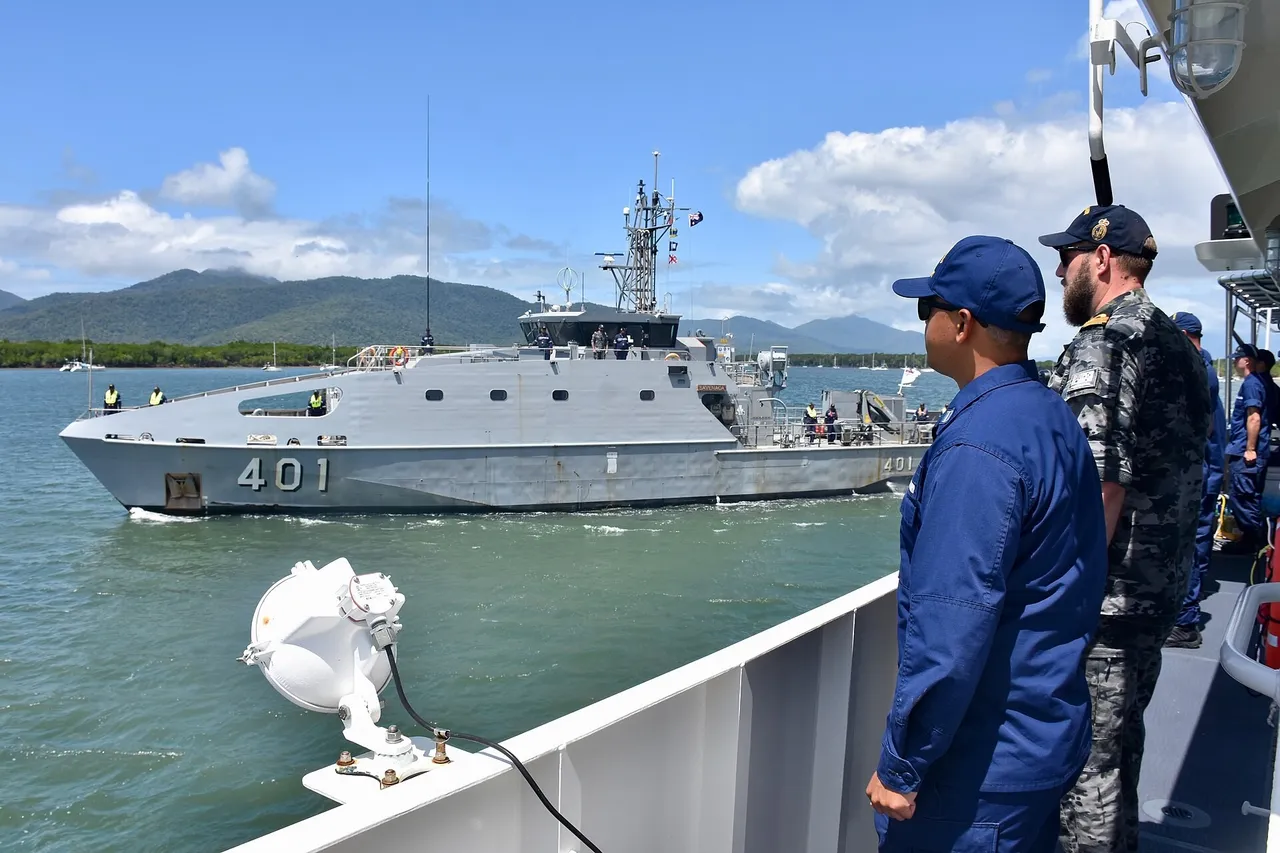
Fiji launches its first maritime security strategy as Australia pledges Bluebottle sea drones
Fiji's defence minister says the plan targets drug runners and illegal fishing, while Australia will give the navy solar-powered uncrewed patrol vessels.
TaiwanDefence · 4h ago · 3 min read
Discussion (0)
Comments are not currently available.