
Australia's submarine agency still has unfinished work at Stirling a year before US and UK boats rotate in
The agency's 2025-26 annual report says three of seven goals were only substantially met, and one industrial facility at the base still needs redesign.
TAIPEI —
Australia's Submarine Agency says it fully met four of its seven performance measures in the 2025-26 financial year and only substantially met the other three, as it prepares to host rotating American and British nuclear-powered attack submarines at HMAS Stirling in Western Australia from 2027. The figures come from the agency's annual report, which has been tabled in Parliament, Defence Connect reported on 10 November.
Two of the measures that fell short of full marks are closely tied to that 2027 start date for Submarine Rotational Force-West, according to the report's performance chapter. One covers the infrastructure and maintenance workforce at Stirling, and the other covers preparation for Australia's purchase of three Virginia-class submarines from the United States.
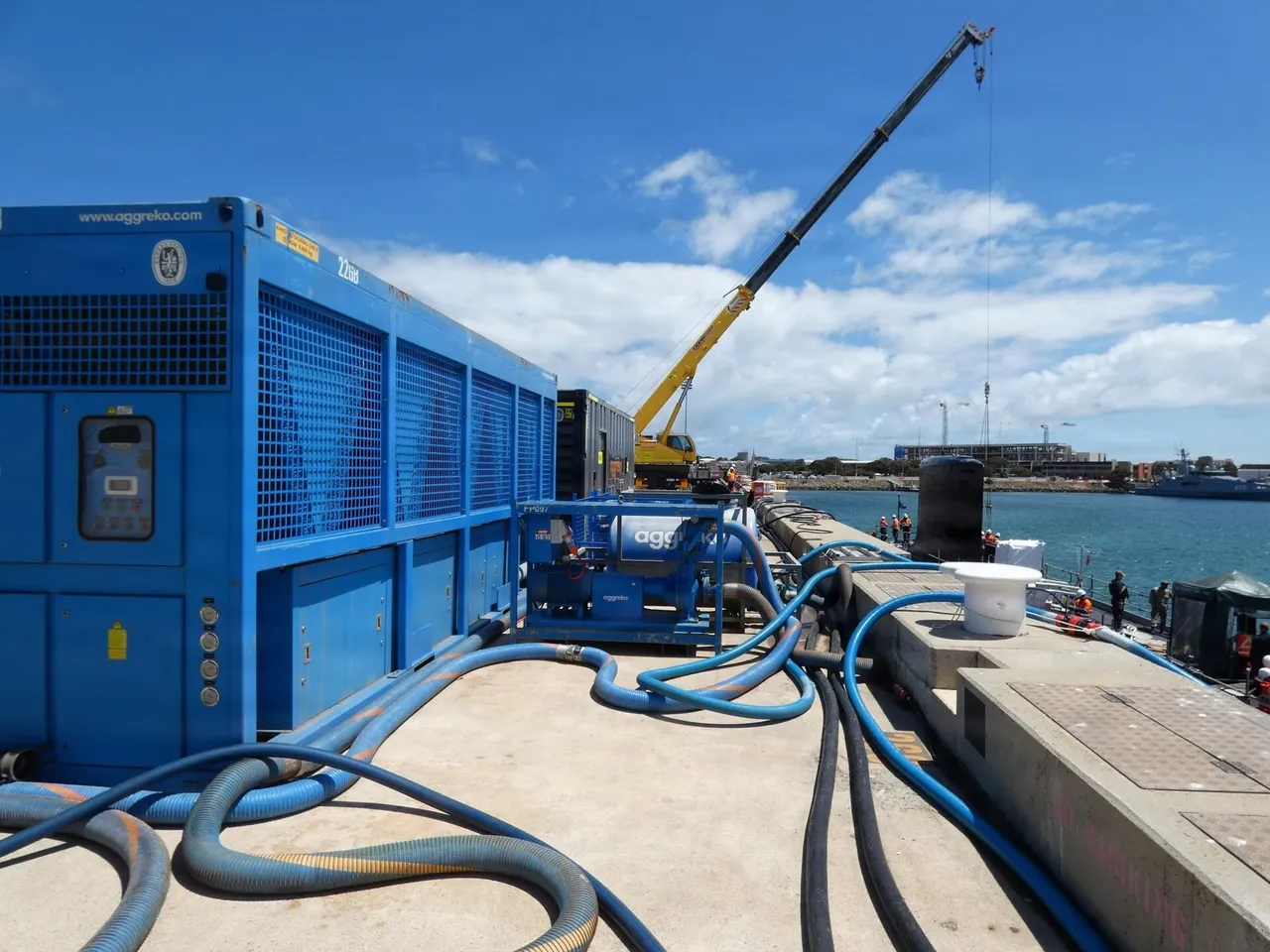
On infrastructure, the report says building work began during the year on most of the priority projects needed for the rotations, including maritime and landside facilities. It also says the base's Controlled Industrial Facility needs further design refinement. The agency has agreed interim arrangements that will provide an initial capability until the permanent facility is working.
Training of the people who will carry out intermediate maintenance on visiting submarines is further along. The report says 238 workers were deployed for training, and that 18 industry workers who had come back to Australia had finished all of their training by 30 June 2026. Eight Royal Australian Navy clearance divers became the first Australians qualified for advanced underwater maintenance on US Virginia-class boats, and they used those skills during the maintenance period of USS Vermont at Stirling. The agency judges the workforce to be on track for the initial support requirements of the rotational force.
For the Virginia-class purchase, 14 of the 16 training support systems needed for the start of the rotations have been readied for shipment to Australia in 2026-27, and the remaining two needs will be met by existing navy training systems at Stirling. The agency also signed a contract in June 2026 with Leidos Gibbs and Cox Australia to design a contingency dry dock. Australia must be able to make emergency out-of-water repairs to its nuclear-powered submarines before a full depot-level maintenance capability is built at Henderson, and a shipyard will later be chosen to build and test the dock.
Two submarine maintenance periods were completed at Stirling during the year, one on USS Vermont and one on the Royal Navy's HMS Anson, the first such period for a British nuclear-powered submarine in Australia. The Anson work involved more than 620 hours of effort by uniformed personnel from the three AUKUS nations, with 17 Australian businesses producing 34 locally made components and providing more than 2,500 hours of industry support.
The agency fully met its measures for starting the Australian-built SSN-AUKUS programme, developing the submarine construction yard at Osborne in South Australia, carrying out the AUKUS submarine industry strategy and setting up international agreements. The Geelong Treaty on nuclear-powered submarine cooperation between Australia and the United Kingdom was signed in July 2025 and entered into force in December 2025.
The director-general's review in the report lists 26 prototyping contracts for Australian suppliers and 12 local companies moved through a supplier qualification programme. HIFraser became the first Australian company qualified to supply components to the US Virginia-class supply chain, and Lockheed Martin Australia was chosen in May 2026 as the preferred combat system integration partner for Australia's own Virginia-class boats. The agency's staff grew to 1,034 by 30 June 2026, made up of 922 public servants and 112 military personnel, while 200 navy personnel were in naval nuclear propulsion training and 70 Australian submariners were serving aboard US Virginia-class submarines.
Vice Admiral Jonathan Mead, the agency's director-general, said the third year of operation showed a clear move from laying foundations to delivering capability. His review states that Australia remains on track for the rotational force to begin from 2027.
Sources
More in Indo-Pacific
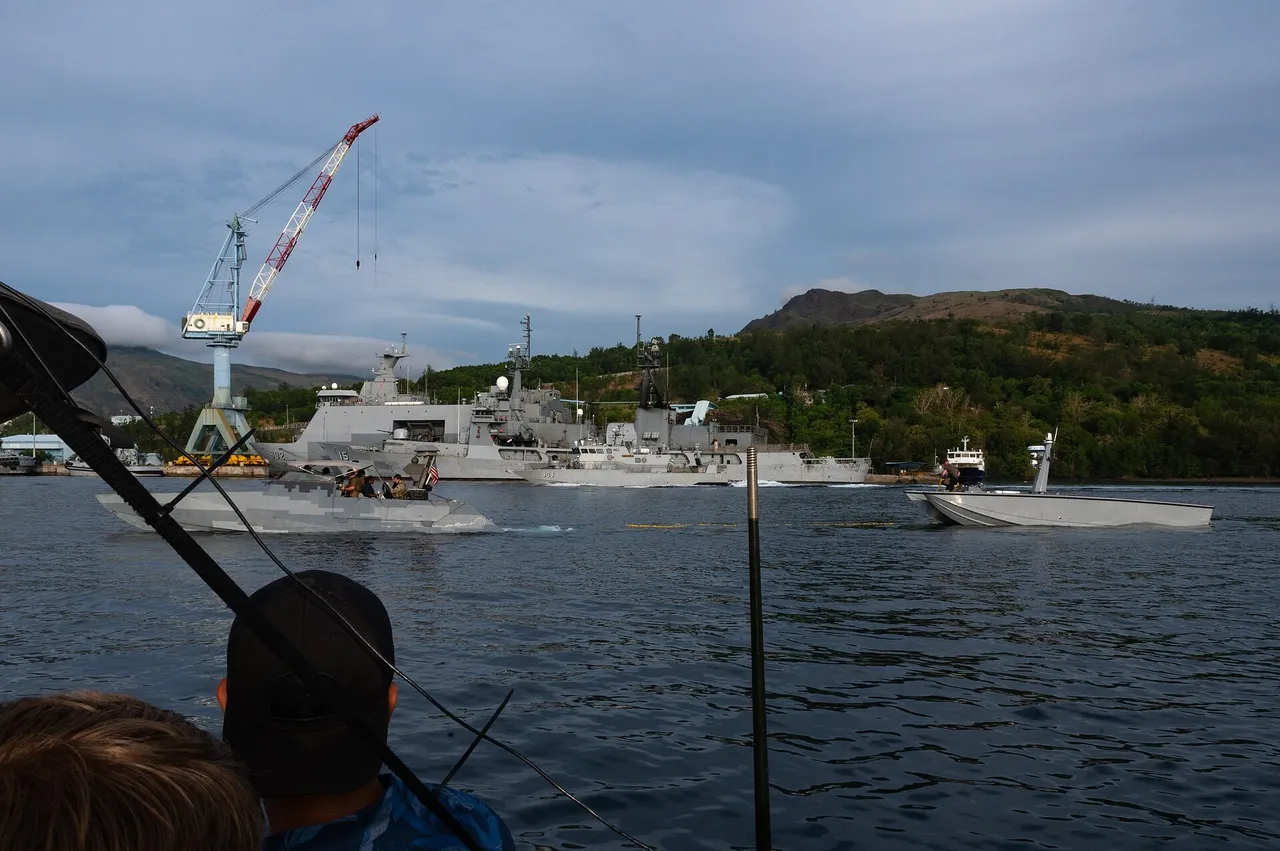
US hands Philippine Marines two Devil Ray drone boats worth more than $8 million
The US Embassy says the two uncrewed T38 surface vessels will let the Philippine military watch wider stretches of its waters for longer and at lower cost.
TaiwanDefence · 27m ago · 2 min read
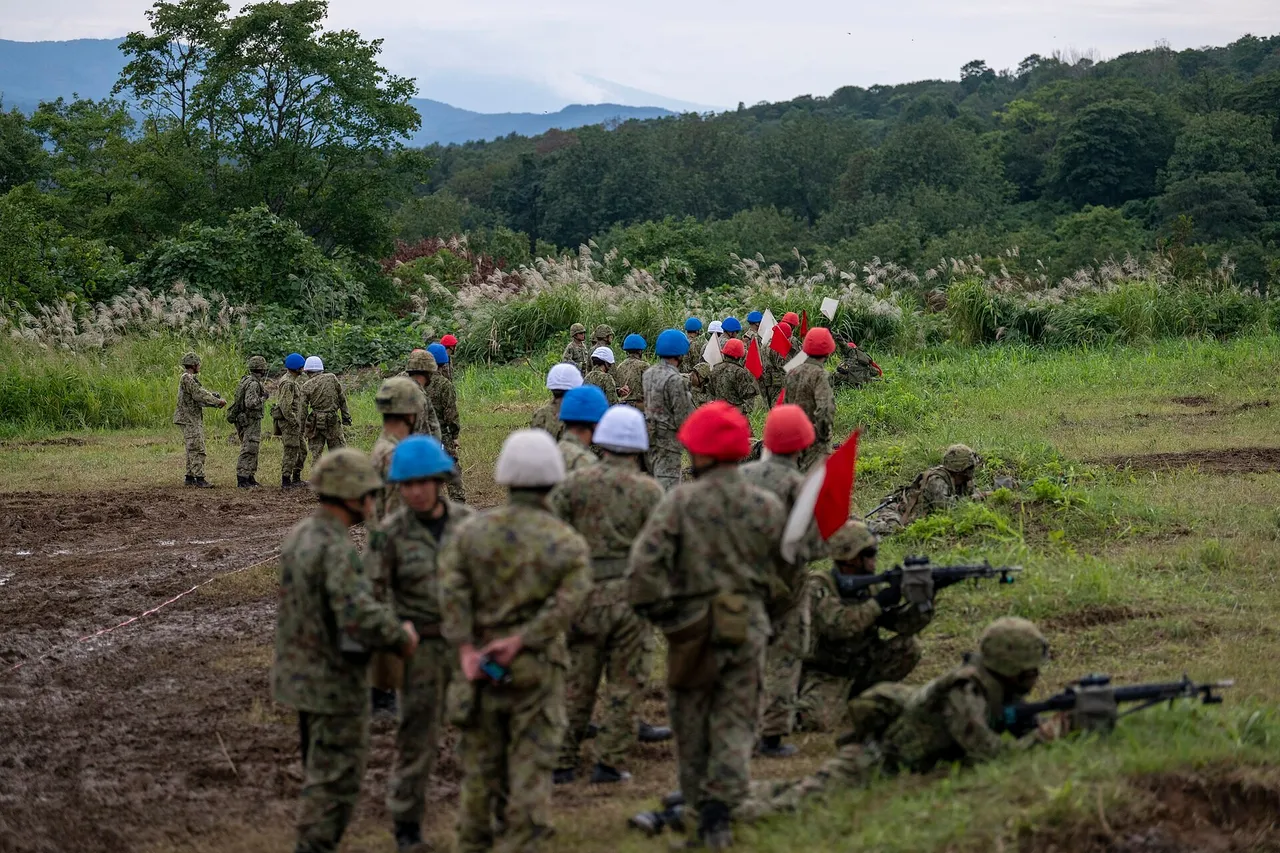
Japanese lawmakers urge letting SDF members work to 65 as early retirement and recruiting gaps bite
A cross-party caucus led by former defence minister Gen Nakatani wants retiring SDF personnel guaranteed public-service jobs to 65 and a new support agency.
TaiwanDefence · 1h ago · 2 min read
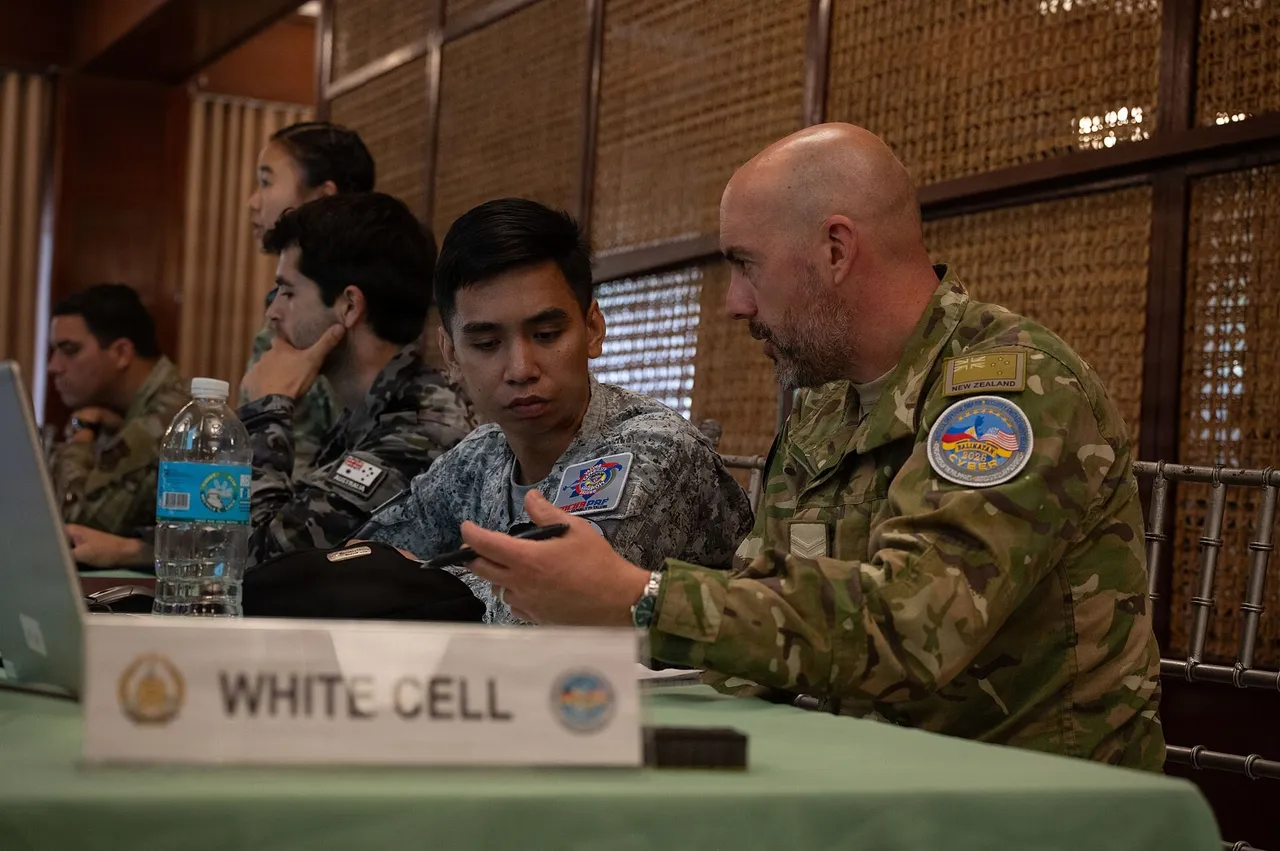
Philippine military investigates claimed hack of air force personnel records
The AFP says it has not confirmed any breach after a dark web post claimed files from a Philippine Air Force personnel system were stolen.
TaiwanDefence · 4h ago · 3 min read
Discussion (0)
Comments are not currently available.