
Japanese lawmakers urge letting SDF members work to 65 as early retirement and recruiting gaps bite
A cross-party caucus led by former defence minister Gen Nakatani wants retiring SDF personnel guaranteed public-service jobs to 65 and a new support agency.
TAIPEI —
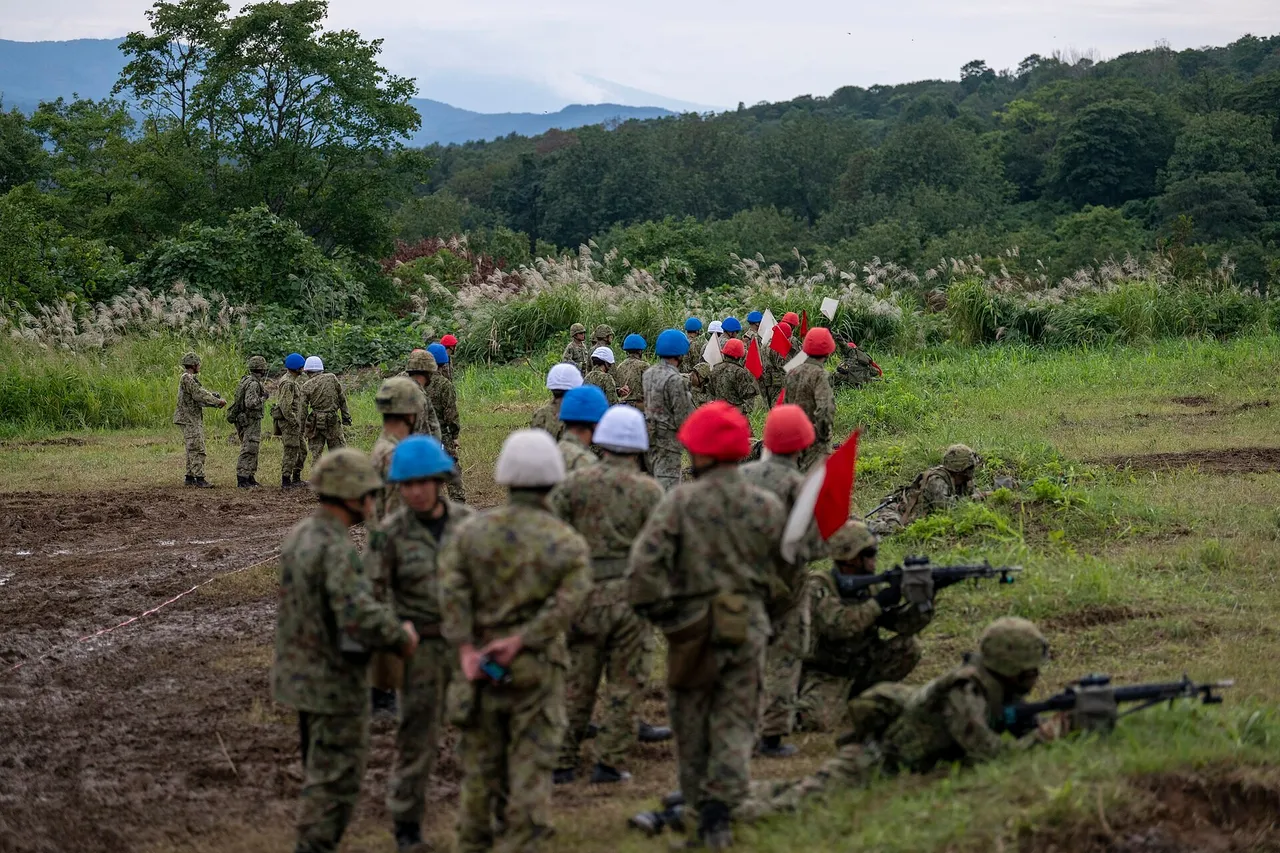
A cross-party group of Japanese lawmakers adopted a proposal on 10 November calling on the government to let members of the Self-Defense Forces, most of whom must leave uniform in their mid-50s, keep working as public servants until the age of 65 if they wish. The caucus plans to submit the recommendations to the government shortly.
The group, a parliamentary league set up to support serving SDF members, retired members and their families, is chaired by former defence minister Gen Nakatani. Its central aim is to secure the position of uniformed personnel who are pushed into retirement early under the SDF's young retirement-age system, Jiji Press reported after obtaining the draft on 9 November.
Under the plan, personnel reaching retirement could continue working in a suitable post at the defence ministry or at other government ministries. The draft also calls for a new government agency dedicated to retired SDF members and their families.
Other measures include making medical care free for SDF members at an early date, financial support for veterans and family associations and local defence associations, childcare, parenting and nursing-care help for families, and help with jobs and with moving children between nurseries and schools when personnel are posted to new units. Nikkei reported that the proposal also asks for pay and conditions that match responsibilities, covering officers as well as junior ranks.
The lawmakers want lifelong support for SDF members and their families written into the three security documents that the government plans to revise by the end of this year as a major policy goal. Nakatani told reporters at the Diet on 10 November that he hoped the revision would mark a turn toward a security policy built around supporting SDF members and families throughout their lives.
The proposal comes as the SDF struggles to fill its ranks. In June 2025 the government said it had recruited 9,724 uniformed personnel in fiscal 2024, only 65 percent of its plan, and that staffing stood at 89.1 percent of the authorised strength of about 247,000. It was the first time in 25 years, since fiscal 1999, that the figure had fallen below 90 percent, the Asahi Shimbun reported.
Under the early retirement system most SDF personnel retire at 56, the Asahi said. A basic policy adopted in December 2024 introduced re-employment support and raised the retirement age for general ranks by two years. The government also reported that 2,972 personnel had left mid-career between December 2024 and March 2025, about 250 fewer than in the same period a year earlier.
The caucus proposal is a recommendation from lawmakers and does not bind the government, which will decide what goes into the revised security documents. How much of it Tokyo adopts will indicate how far it is prepared to go to keep experienced personnel in public service as recruitment continues to fall short of its targets.
Sources
More in Indo-Pacific

US hands Philippine Marines two Devil Ray drone boats worth more than $8 million
The US Embassy says the two uncrewed T38 surface vessels will let the Philippine military watch wider stretches of its waters for longer and at lower cost.
TaiwanDefence · 27m ago · 2 min read
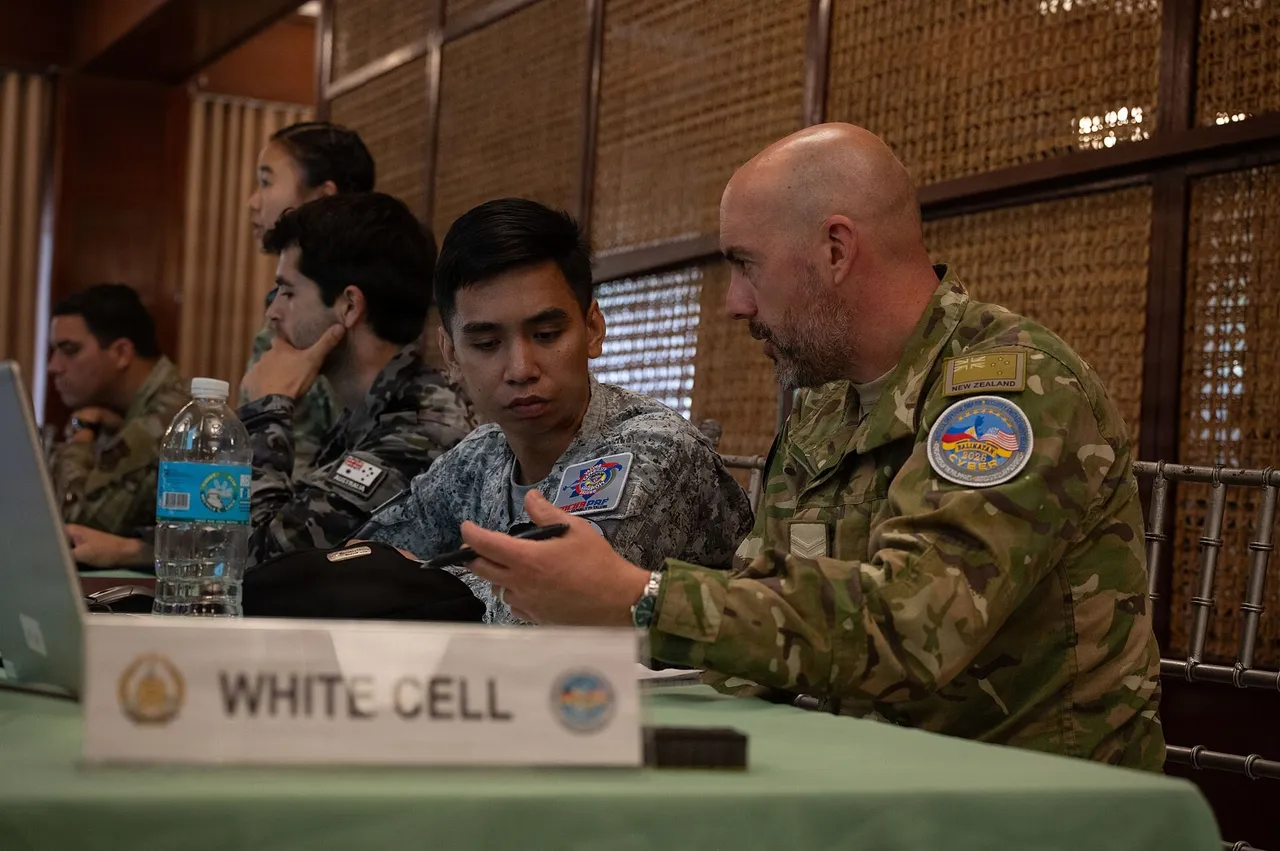
Philippine military investigates claimed hack of air force personnel records
The AFP says it has not confirmed any breach after a dark web post claimed files from a Philippine Air Force personnel system were stolen.
TaiwanDefence · 4h ago · 3 min read

Japan to give Sri Lanka's navy 25 surveillance boats under its security aid programme
Tokyo's second Official Security Assistance grant to Colombo, worth 1 billion yen, follows last year's drones and targets coastal patrols on Indian Ocean sea lanes.
TaiwanDefence · 6h ago · 2 min read
Discussion (0)
Comments are not currently available.