
China says its new DF-61 intercontinental missile has entered Rocket Force service
Chinese state television says the road-mobile ICBM first shown at Beijing's 2025 parade is now in routine training, but gave no figures on range, numbers or bases.
TAIPEI —
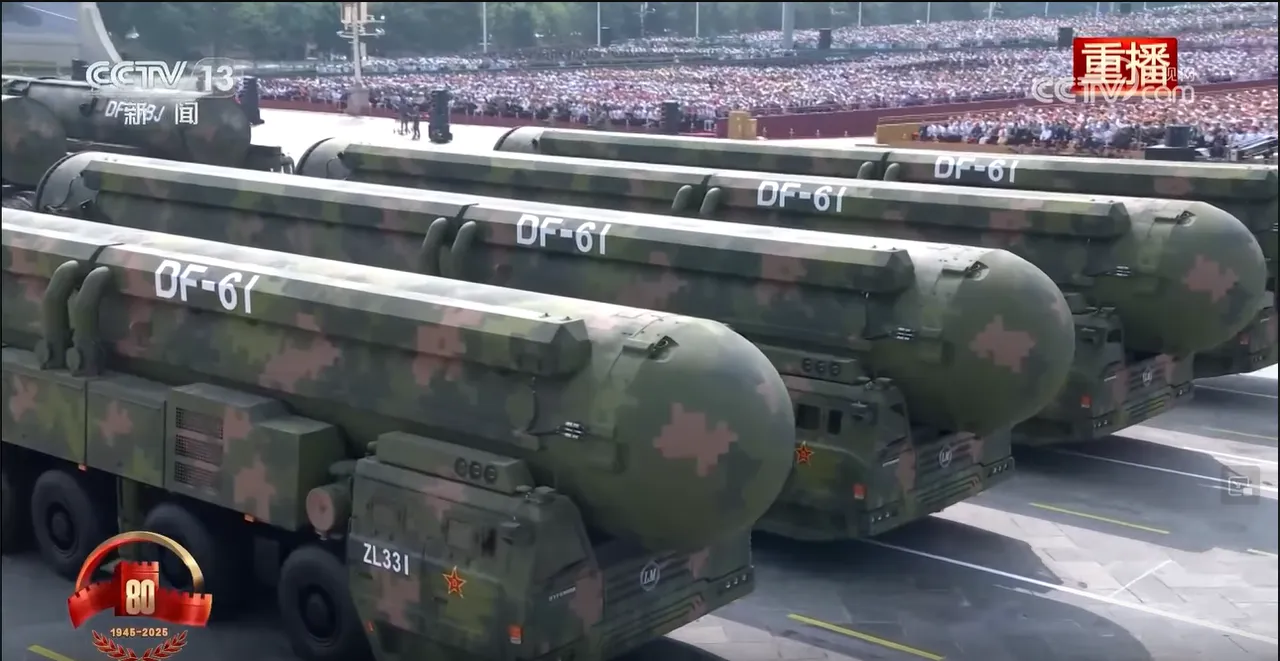
Chinese state broadcaster CCTV reported on 5 November that the DF-61, a new road-mobile intercontinental ballistic missile, has been fielded by the People's Liberation Army Rocket Force and has entered routine training. The claim comes from Chinese state media and has not been independently verified. Taiwanese and Singaporean news outlets relayed the report on the same day.
CCTV made the disclosure in a segment marking 66 years since China's first short-range surface-to-surface missile, the Dongfeng-1, was launched at Jiuquan on 5 November 1960, according to Lianhe Zaobao. The Singapore paper noted that the Dongfeng-1 was copied from a Soviet design and never entered service with the armed forces.
The DF-61 was first shown in public at the military parade in Beijing on 3 September 2025, held to mark the 80th anniversary of the end of the war against Japan. It rolled past in the parade's first nuclear missile formation alongside the JL-1 air-launched long-range missile, the JL-3 submarine-launched missile and a land-based DF-31 variant, a line-up Zaobao described as a display of China's land, sea and air nuclear triad.
In the state media segment, military commentator Shao Yongling argued that the DF-61 had moved from its parade debut to routine training far faster than earlier Chinese intercontinental missiles. She said this showed that development, design finalisation, trial fielding and reliability testing had all been finished before the parade. These are assessments by a commentator speaking on Chinese state media, and they cannot be checked independently.
Shao also said the missile works with the Rocket Force's existing command, communications and support networks, which she said lets units master the new system quickly. According to the state media account, routine training means crews are now practising field manoeuvres, moves between launch positions and launch procedures. State media presented this as a boost to the mobility, survivability and penetration ability of China's land-based nuclear counterstrike force.
The broadcaster did not say how far the missile can fly, how many warheads it carries, whether it can carry multiple independently targetable re-entry vehicles, how many have been delivered or where they are based, the Liberty Times and Zaobao reported.
Newtalk reported that outside observers see a strong resemblance between the DF-61 and the older DF-41, since both use an eight-axle, 16-wheel road-mobile launcher and similar launch canisters. It said the DF-41 entered service around 2017 and is estimated to have a range of 12,000 to 15,000 kilometres with multiple warheads, while observers estimate the DF-61 could reach about 18,000 kilometres. Newtalk stressed that no official performance data has been released.
The Liberty Times set the report against the US Defense Department's 2025 China Military Power Report. That report said China replaced the Rocket Force commander, its political commissar and several deputy commanders in 2023, and that investigators also looked at defence industry executives and Rocket Force engineers. The Pentagon judged that the purge may have affected the nuclear force and raised doubts about its readiness.
The same Pentagon report estimated that China held more than 600 nuclear warheads at the end of 2024 and would pass 1,000 by 2030, even though growth had slowed compared with earlier years. It also said China had placed more than 100 solid-fuel intercontinental missiles in silos at three launch fields, according to the Liberty Times.
The Rocket Force last drew wide attention on 25 September 2024, when it fired an intercontinental missile with a dummy training warhead into the high seas of the Pacific, the first such publicised Chinese launch into the Pacific since 1980. The Pentagon later identified the missile as a DF-31B fired from northern Hainan that flew about 11,000 kilometres before coming down near French Polynesia, the Liberty Times reported. China's defence ministry said at the time that the launch was part of annual training and was not aimed at any country.
Sources
More in Indo-Pacific
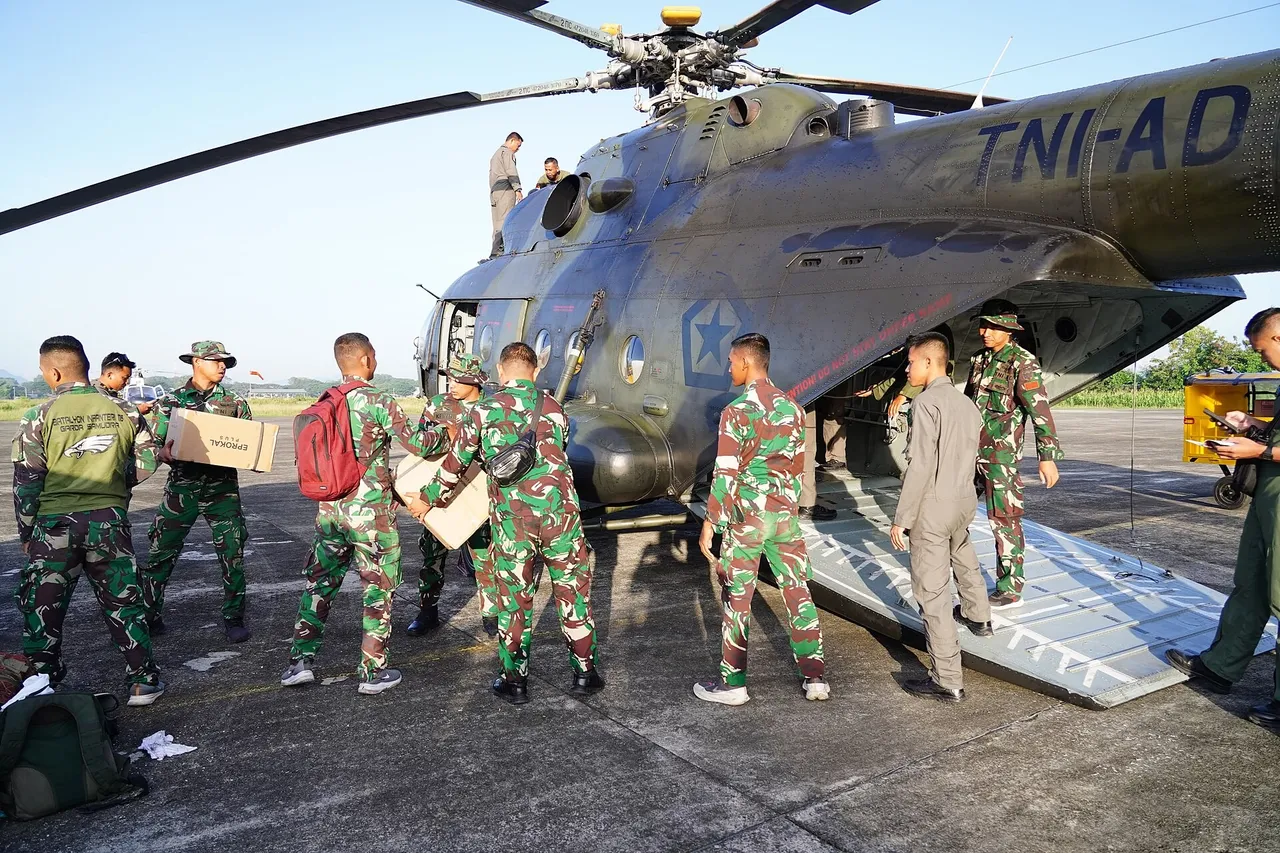
Indonesian Army Mi-17 crashes on a forest-fire mission in Kalimantan, killing three crew
An Indonesian Army Aviation Mi-17V5 went down while scooping water for fire bombing near Tanjung Puting National Park, killing three of the eight soldiers on board.
TaiwanDefence · 1h ago · 3 min read
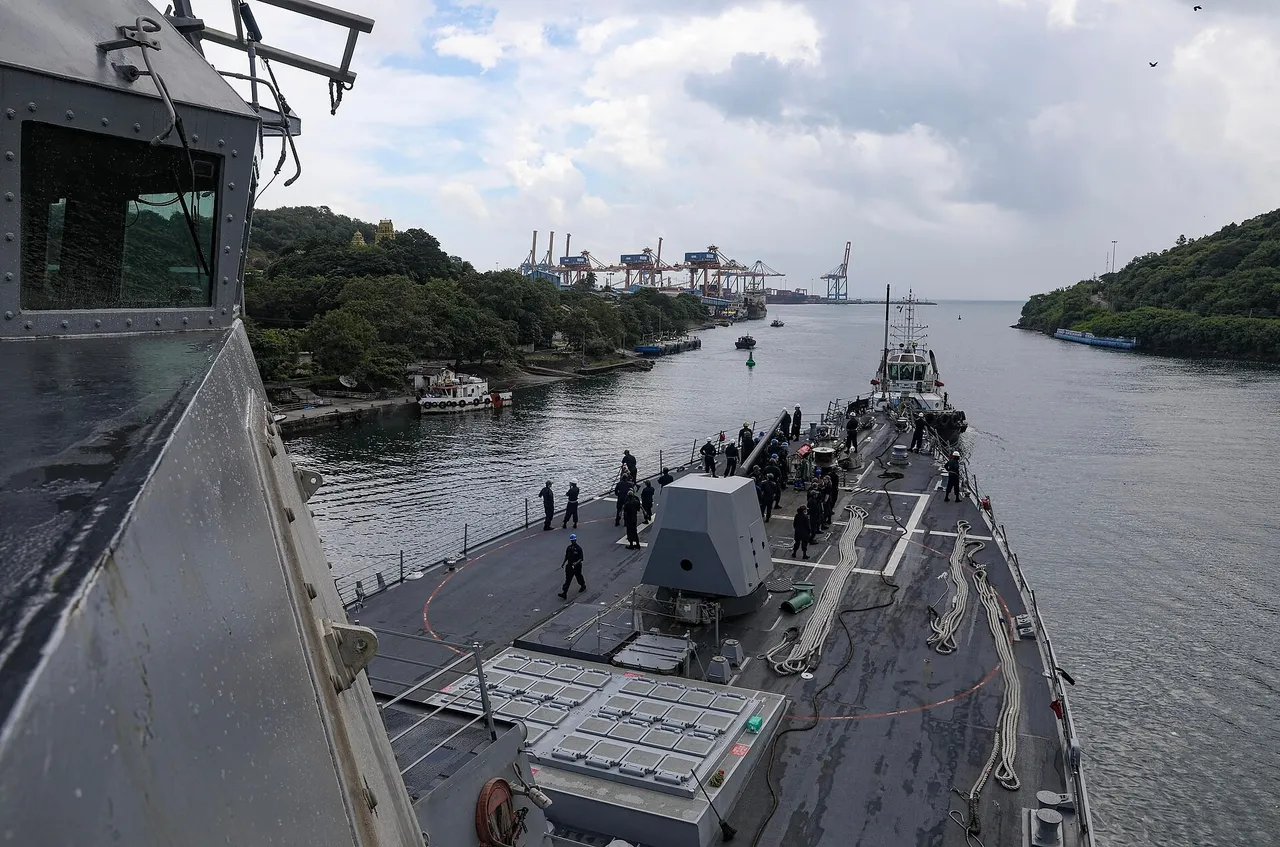
Quad navies open this year's Malabar exercise off Tokyo with submarine and surface warfare drills
The US, Japan, Australia and India began Malabar 2026 south of Kanto on 5 November, with Japan's Ise, India's Sahyadri and Australia's Stuart taking part.
TaiwanDefence · 4h ago · 3 min read
Philippines wants more BrahMos missiles from India and has sent a wish list, Teodoro says
Defence Secretary Gilberto Teodoro told an Indian forum that Manila hopes to add BrahMos units and wants the system tailored to Philippine conditions.
TaiwanDefence · 7h ago · 3 min read
Discussion (0)
Comments are not currently available.