
Japanese defence think tank says China sees the South China Sea as a route to Taiwan
Japan's National Institute for Defense Studies says Beijing wants control of the South China Sea to keep US forces out of any war over Taiwan.

TAIPEI —
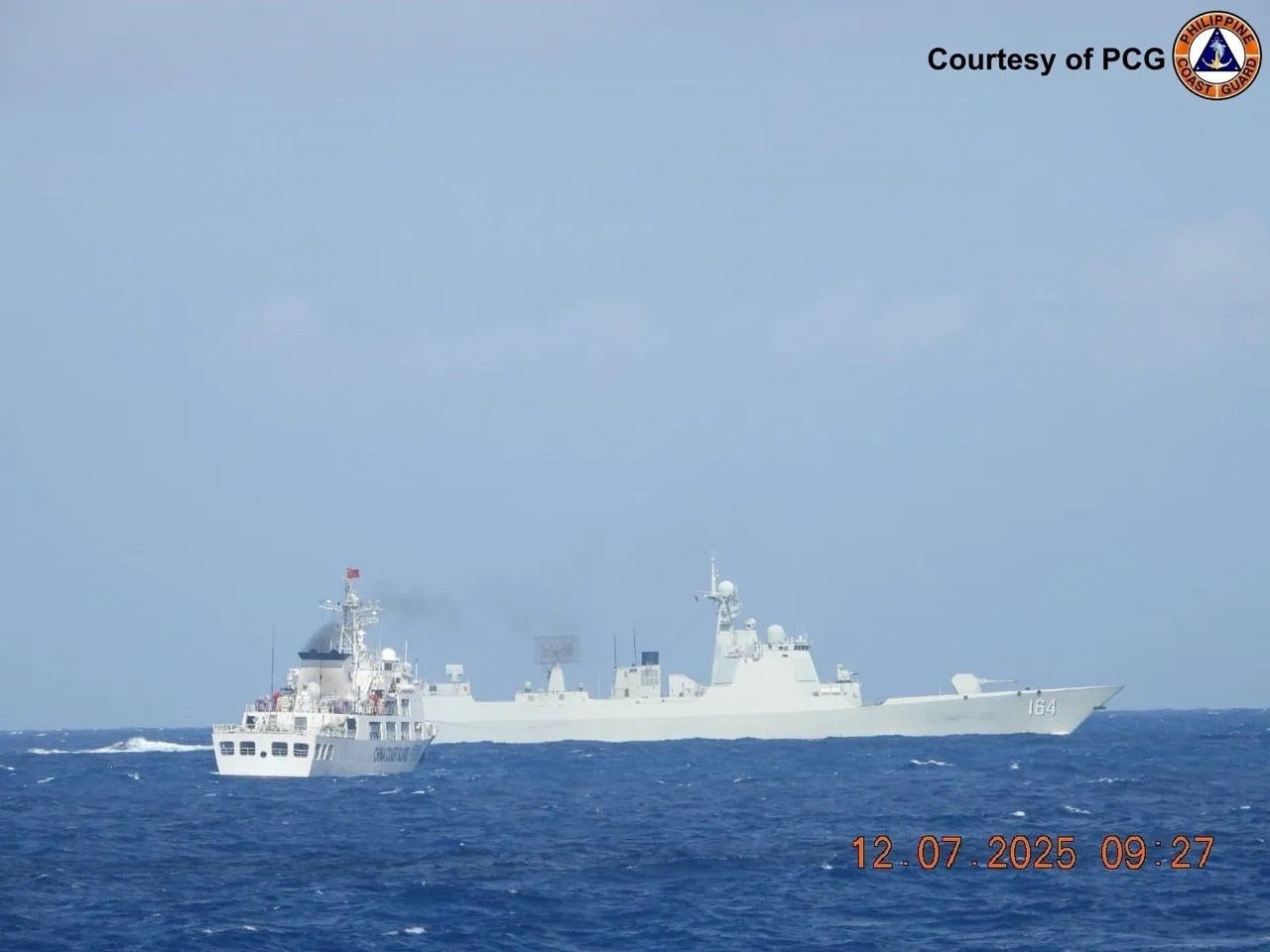
China is giving growing priority to control of the South China Sea so that it can hold off US military intervention in a possible invasion of Taiwan, according to a report released on 13 November by Japan's National Institute for Defense Studies, the Defence Ministry's research arm. The China Security Report 2027, the 17th edition of the annual study, focuses this year on China's maritime strategy in the South China Sea.
The authors argue that if the People's Liberation Army could blockade the Bashi Channel between Taiwan and the Philippines and win air and maritime superiority south of Taiwan, it would be better placed to invade southern Taiwan from the South China Sea. They add that the same waters would be a key theatre for any blockade of the island or for strikes on military outposts and cities in the south of Taiwan.
The report links that reasoning to recent PLA drills. It notes that the repeated exercises encircling Taiwan have consistently included zones near the Bashi Channel, and it judges that China's likely aim is to be able to close the channel and block US access to the South China Sea during a Taiwan contingency. Holding the sea would also make it harder for US forces to approach from the Indian Ocean or the waters around Oceania, the authors say.
A third motive, the researchers say, is nuclear deterrence. The PLA has based six strategic nuclear submarines on Hainan Island, and control of the surrounding sea would let them patrol without US interference. The report says these boats are believed to carry the JL-3 missile, with a reported range of more than 10,000 kilometres, and that a submerged launch in the South China Sea in July 2026 sent a missile about 7,300 kilometres into the South Pacific.
On naval strategy, the institute traces a shift from defending coastal waters to what Beijing calls near seas defence and far seas protection, with the emphasis on distant operations growing since about 2020 because of rivalry with the United States. Sankei reported that the study cites the simultaneous Pacific deployment of the carriers Liaoning and Shandong in May and June 2025 as a sign of that shift, with the Shandong group reaching the Pacific from the South China Sea through the Bashi Channel.
The report also examines the China Coast Guard, which it describes as an organisation with both military and administrative roles. It says the coast guard has gained new ships and military-grade equipment, operates under the Central Military Commission, appoints more officers with navy backgrounds and coordinates with the PLA Navy. The maritime militia appears to take direction from both, and together they put pressure on other claimants' vessels without crossing into armed conflict, according to the study.
Kyodo reported that the institute recommended closer defence equipment and technology cooperation between Japan and Southeast Asian states, such as supplying radar systems and patrol vessels, and stronger frameworks with Australia, Britain, Canada and other partners to protect freedom of navigation. The report states that it reflects the researchers' own analysis and not the official position of the Japanese government or the Defence Ministry.
For Taiwan, the study adds weight to warnings that the island's southern approaches and the Bashi Channel could be as important as the Taiwan Strait itself in a crisis, and that pressure in the South China Sea is tied closely to Beijing's plans for Taiwan.
Sources
More in Cross-Strait
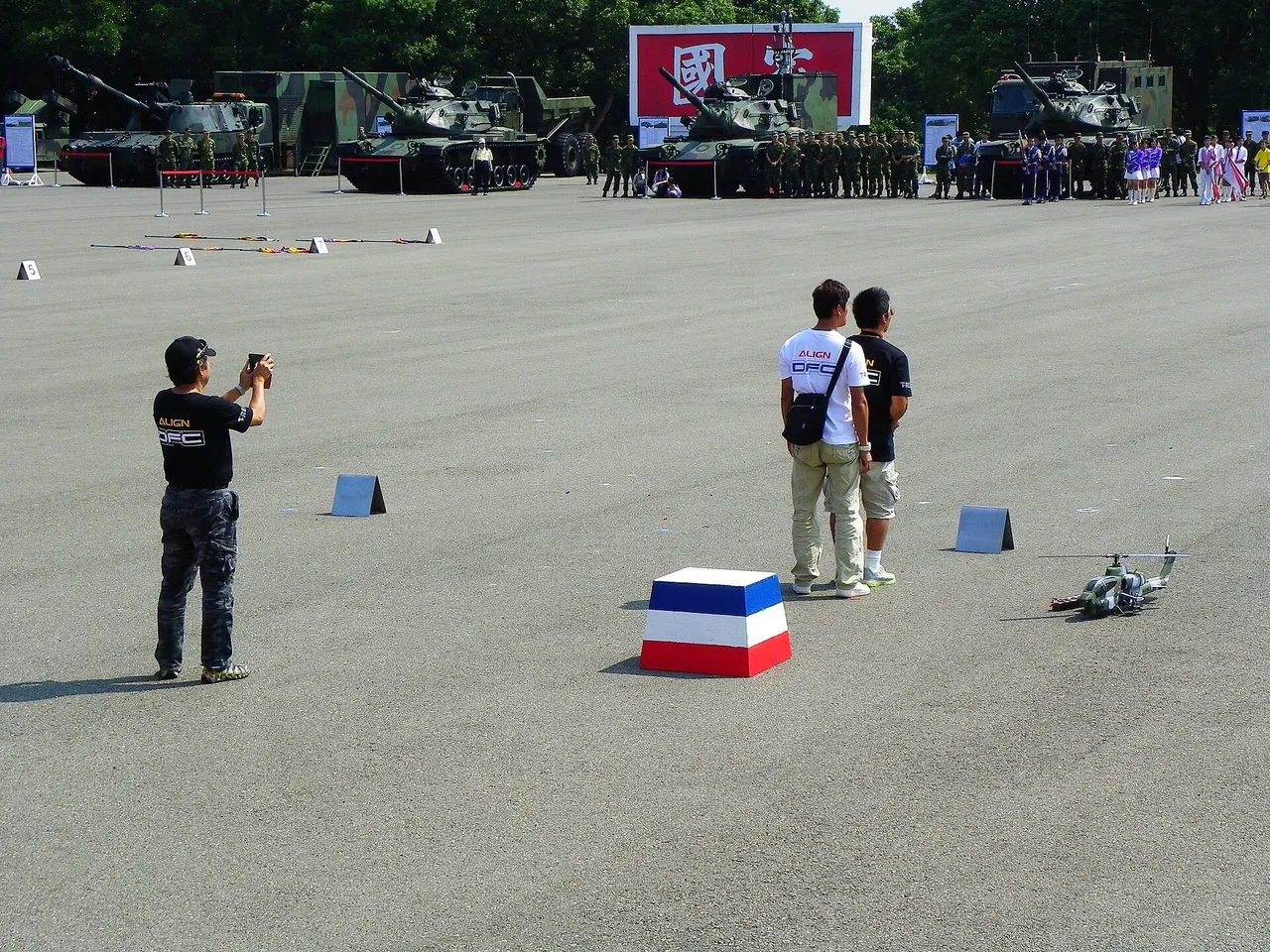
Taiwan charges drone maker Align's founder with hiding Chinese chips in military drones
Prosecutors say the T-REX helicopter firm's founder and his wife supplied four military drone orders with Chinese parts and scrubbed their markings to pass inspection.
TaiwanDefence · 4m ago · 3 min read
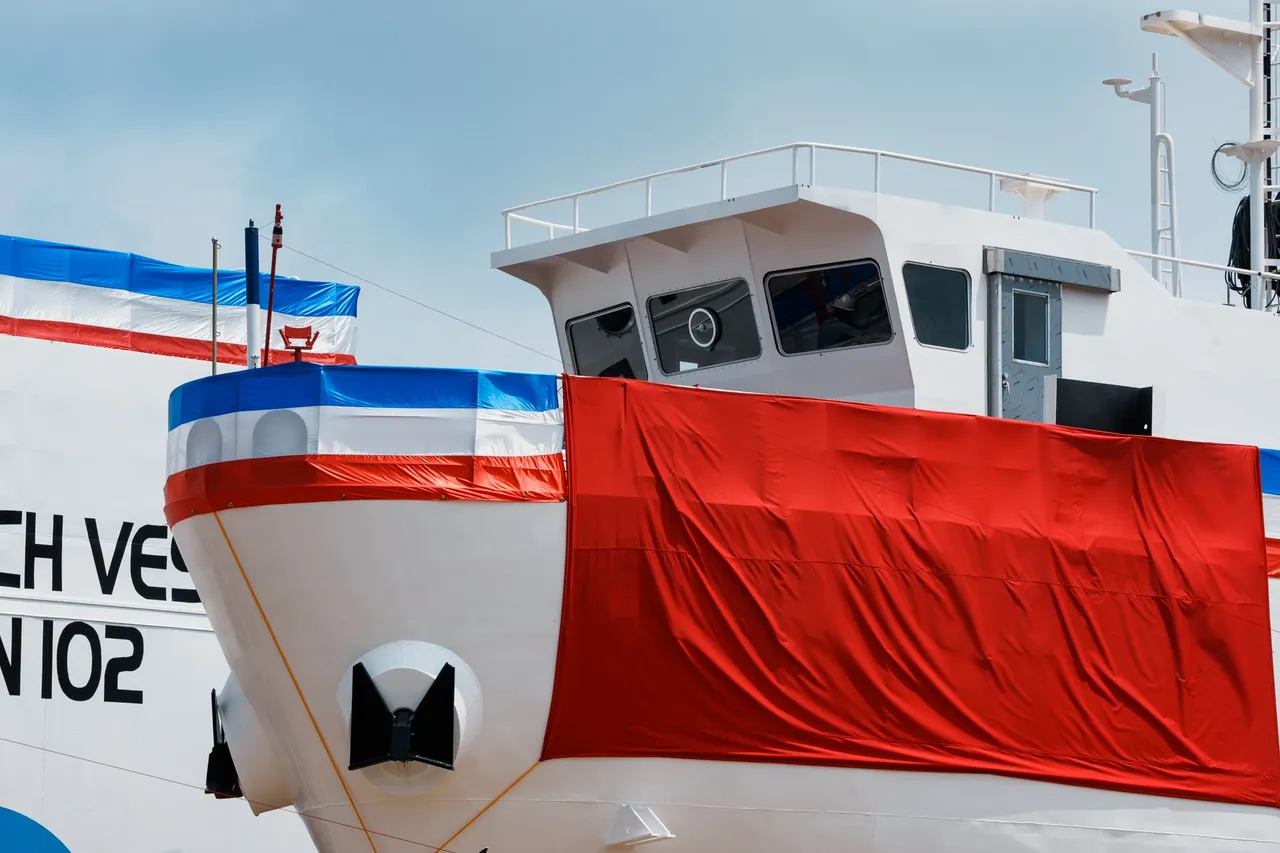
Taiwan opens an ocean survey centre, saying 74 Chinese ships have mapped the seas around it
President Lai unveiled a centre that will run Taiwan's survey ships and a ship model lab tied to its submarine programme, as officials cited Chinese seabed surveys.
TaiwanDefence · 58m ago · 3 min read
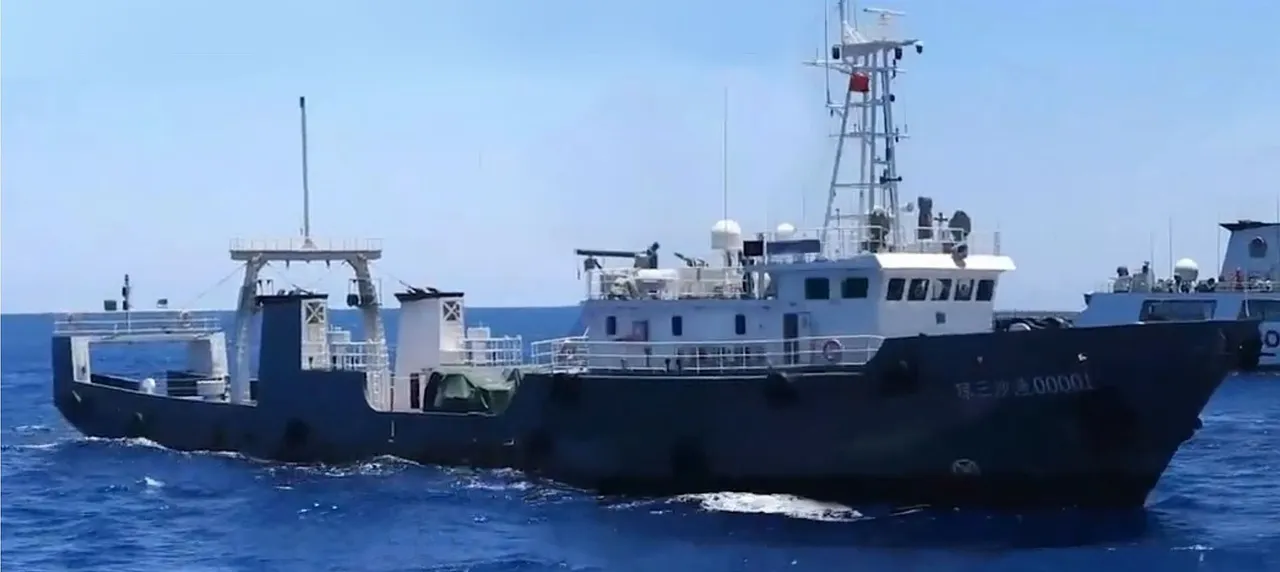
Taiwan report says PLA units face a talent gap as China's coast guard pushes east of Taiwan
Taiwan's Mainland Affairs Council says constant reform has thinned PLA grassroots talent, while Chinese coast guard and militia boats spread into waters east of the island.
TaiwanDefence · 3h ago · 3 min read
Discussion (0)
Comments are not currently available.