
Lu Sheng 2 attackers drive from Kaohsiung into Miaoli in three days as Taiwan's defenders fall back
Three days into the army's longest brigade-on-brigade drill, the southern red force has pushed into Miaoli and the northern defenders have pulled back behind the Houlong River.
TAIPEI —
Three days into Lu Sheng 2, the Taiwanese army's annual brigade-level force-on-force exercise, the attacking side has pushed well past the line where the two brigades were expected to meet. Storm Media, which followed units in the field in central Taiwan on 16 October, reported that elements of the 564th Combined Arms Brigade, playing the red force, had already moved into Miaoli County. That forced the defending 269th Combined Arms Brigade, the blue force, back to positions north of the Houlong River.
The 564th belongs to the Eighth Army Corps and is based in Kaohsiung, so its spearhead covered the length of western Taiwan from the far south to Miaoli in three days. The 269th had initially been holding a boundary around the Da'an River, which separates Miaoli from Taichung, before the red force received its orders to keep advancing north.
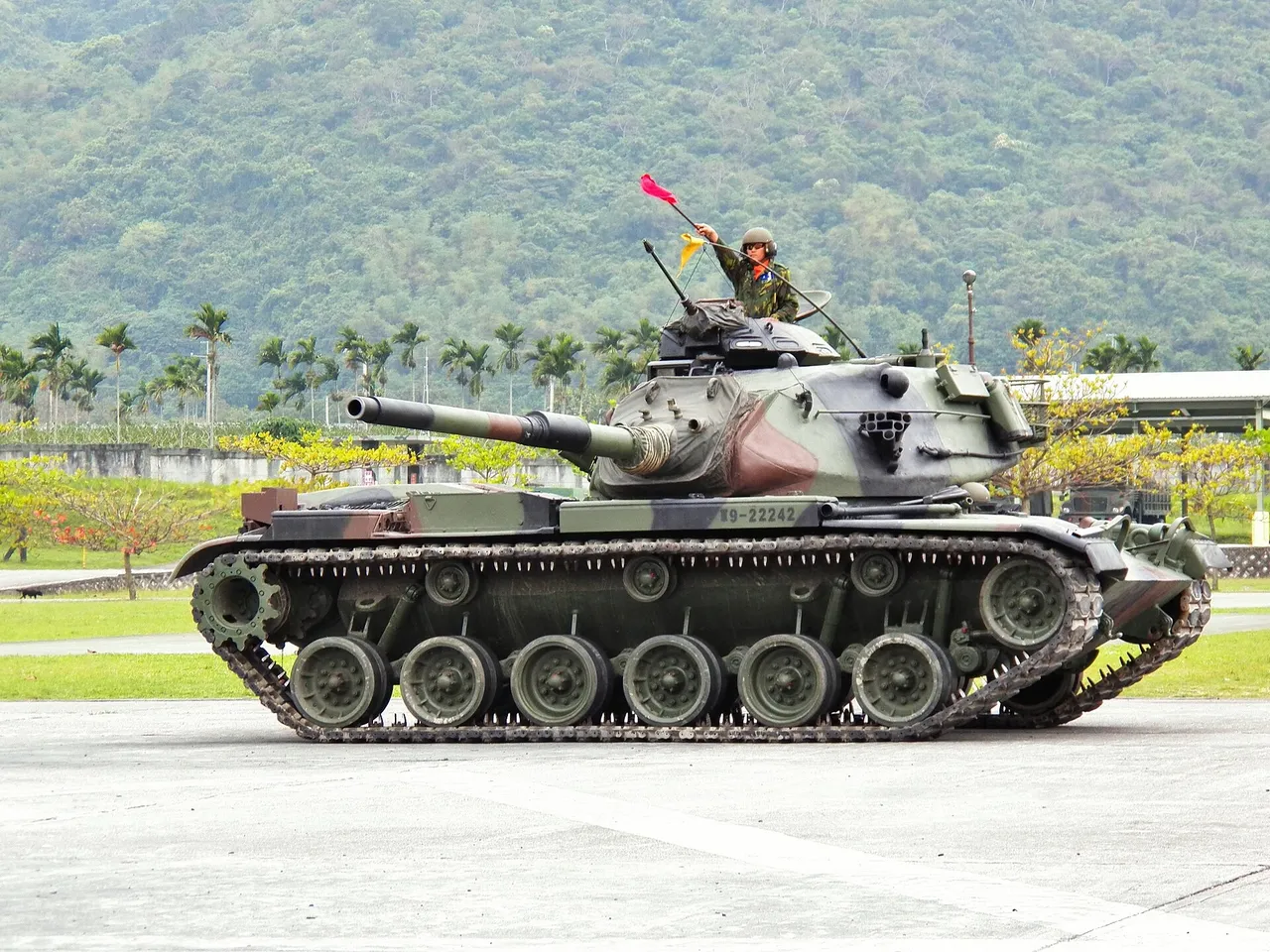
Storm Media said this year's drill has been run with far less publicity than usual, largely because the army wants to test signature management, keeping the physical and electronic traces of its units out of view. Most of the movement its reporter saw was by company-sized groups rather than large formations, and firing positions, even those beside roads, were difficult to spot without a close look. Its photographs showed an M60A3 tank of the 564th on the move and a 269th brigade CM-32 Clouded Leopard eight-wheeled armoured vehicle draped in anti-drone netting.
The defence ministry's Military News Agency, in a report carried by the Youth Daily News early on Saturday, Taipei time, said the two brigades entered the exercise from northern and southern Taiwan under a live-troop format with central adjudication. Stay-behind operations and drone use have been written into the scenario, and umpires decide when attack and defence change hands based on each side's tactical results. The training covers brigade and battalion command, fire-support coordination, successive resistance, combined ground and air operations, and the use of drones and special forces.
The agency described several of the drills. Units were sent straight into new missions after long road moves. Artillery crews ran the full chain from target acquisition and fire requests to firing data and gun preparation. CM11 tank crews practised a field repair after a track was damaged by obstacles, using clamping tools to release tension, removing the broken track shoes and using rope and the tank's own power to pull the track back onto the drive sprocket. Surveillance platoons flew Mojie drones for overhead reconnaissance, while engineers laid steel hedgehogs, concertina wire, Jersey barriers and HESCO blast walls to slow enemy movement.
Lu Sheng 2 runs from 14 to 23 October as ten days and nine nights of continuous training, up from seven days and six nights in the past, and has been shifted to northern Taiwan so troops learn the key terrain of their own wartime sectors. It is also testing the Taiwan Tactical Network and OneWeb satellite links as backup command and communications channels, the army's third-generation area communications system, and the tactical use of the newly delivered M1A2T tanks.
The army has built this year's exercise around successive resistance and protracted operations, in line with the chief of the general staff's guidance on attrition. A fast-moving attacker forcing the defenders to trade ground for time is exactly the situation that approach is meant to rehearse, and the dispersed, low-profile movement seen in Miaoli suggests commanders are treating Chinese drone and surveillance coverage of massed units as a real wartime threat rather than a theoretical one.
Sources
More in Army
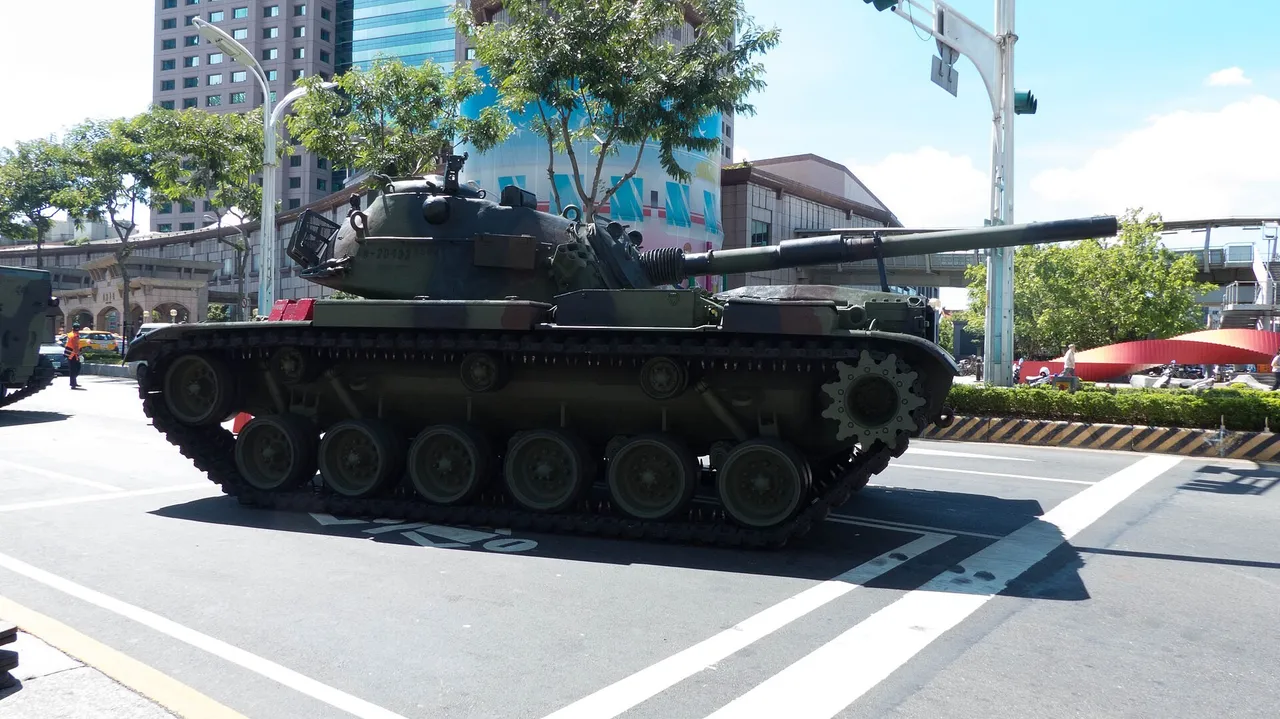
Taiwan army CM11 tank rides up onto Miaoli highway median after suspected brake failure
No one was hurt when a 564th Armored Brigade tank on a mission movement struck the concrete divider on Provincial Highway 13; the army apologised and police are probing liability.
TaiwanDefence · 14h ago · 2 min read
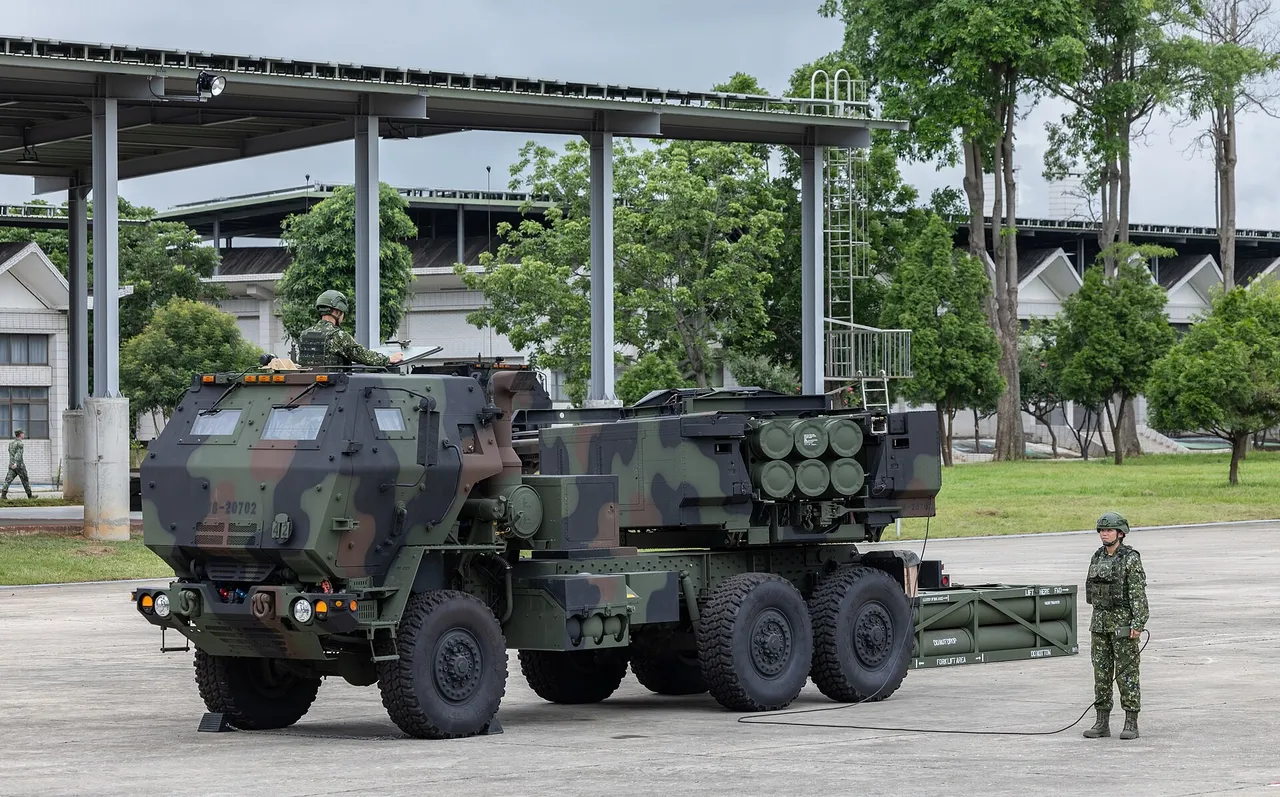
Taiwan's army trims artillery navigation buy as HIMARS and M109A7 bring their own
The army has dropped seven positioning and azimuth systems and about NT$80 million from a replacement plan after lawmakers said new US launchers already carry built-in navigation.
TaiwanDefence · 17h ago · 2 min read
MND vows zero tolerance for bullying after new evidence in 206th Brigade death
Spokesperson Sun Li-fang says any peer or rank bullying is barred as Sixth Army Corps forwards family audio of Lieutenant Wang to prosecutors and military police.
TaiwanDefence · 1d ago · 2 min read
Discussion (0)
Comments are not currently available.