
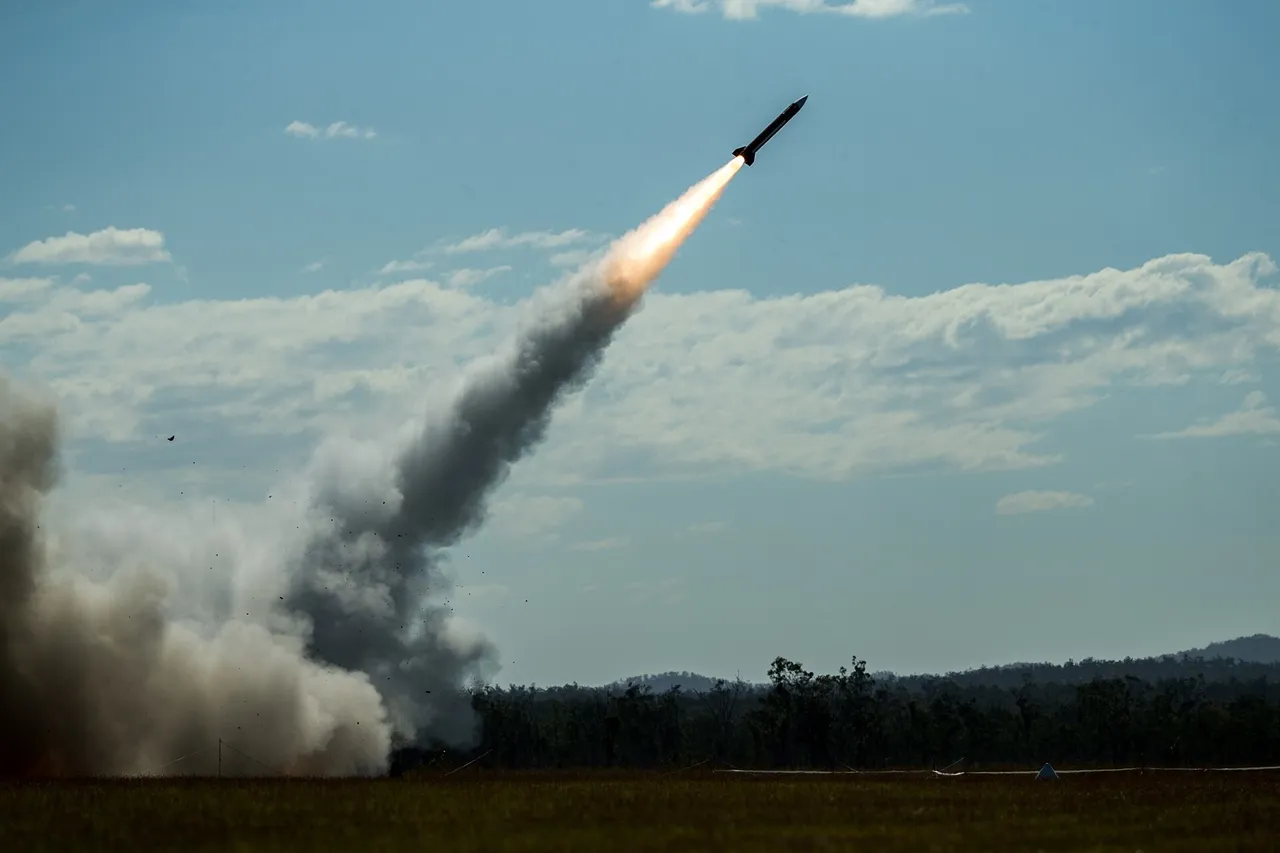
Patriot and a US-built Iron Dome interceptor are in the running for Australia's army missile shield
Defence chiefs told a Senate committee they want a ground-based missile defence system by the early 2030s and will recommend options to the government next year.
TAIPEI —
Australia is weighing the US Patriot system and a US-built interceptor based on Israel's Iron Dome as it tries to field a ground-based missile defence system quickly, defence officials told a parliamentary committee on Thursday 29 October. They told senators that Australia wants such a system in service by the early 2030s, citing the rapid changes in warfare seen in Ukraine and the Middle East.
Air Marshal Robert Chipman, the Vice Chief of the Defence Force, told the Senate Foreign Affairs, Defence and Trade Legislation Committee that market analysis had been done on options for land forces, but that the project was not yet advanced enough to say which systems would compete. He said Defence wanted mature systems it could field as soon as they were available, and confirmed that Patriot was among them, without naming the others.
According to AFP, Chipman said the defence force would make recommendations to the government next year after a competitive selection process linked to the Talisman Sabre exercise in 2027.
The Iron Dome question
Senator James Paterson asked about the Israeli company Rafael Advanced Defense Systems. Racheal Kuczama, acting deputy secretary of Defence's Capability Acquisition and Sustainment Group, replied that Defence was looking at US-manufactured technology based on Iron Dome. Witnesses stressed that the discussion was still hypothetical while market research continues.
AFP reported that the Rafael interceptors are made jointly with the US company Raytheon and are used in a new US Marine Corps system. Truck-mounted medium-range interceptors were tested by the Marines on Guam in June during a regional war game in which Australia also took part. Australia does not supply weapons to Israel, and its purchases of Israeli defence products have faced political scrutiny. Minister Murray Watt told the committee that the government would always seek the most suitable military technology.
Tender documents ask for pricing and delivery timelines for a medium-range land-based shield from the early 2030s, with bids sought for systems from the United States, Norway, South Korea and Israel, the Daily Mail reported, citing The Australian. The US Marine Corps Medium Range Intercept Capability and the US Army's Patriot are both listed, and Patriot is understood to be favoured by the army. The proposed systems would protect military bases and deployed troops rather than cities.
Bases first, not cities
That focus drew criticism from Michael Shoebridge, director of Strategic Analysis Australia, who argued that the plan would leave the population exposed while the military protected itself. He also said the listed systems were a decade or more old and that the United States cannot make enough Patriot interceptors for its own needs. Each Patriot interceptor costs roughly four million US dollars, the Daily Mail reported.
The requirement sits under Project LAND 6504, the army's medium-range ground-based air defence programme, for which Defence sought expressions of interest on 13 October. Industry briefing material calls for a mobile system tied to Australian-made CEA Technologies radars that can stop ballistic missiles in their final phase and subsonic missiles, with defence against hypersonic and fast cruise missiles listed as highly desirable, Breaking Defense reported. Euan Graham of Australia's National Security College told the outlet that Chinese cruise missile submarines could one day threaten targets such as HMAS Stirling.
Officials also told the committee that drone incursions over defence bases had climbed from 19 in 2022 to 204 last year. The government is understood to have prioritised a battle management system, funded at 190 million dollars and being built by Lockheed Martin Australia, which would serve as the hub of the wider defence network.
Sources
More in Indo-Pacific
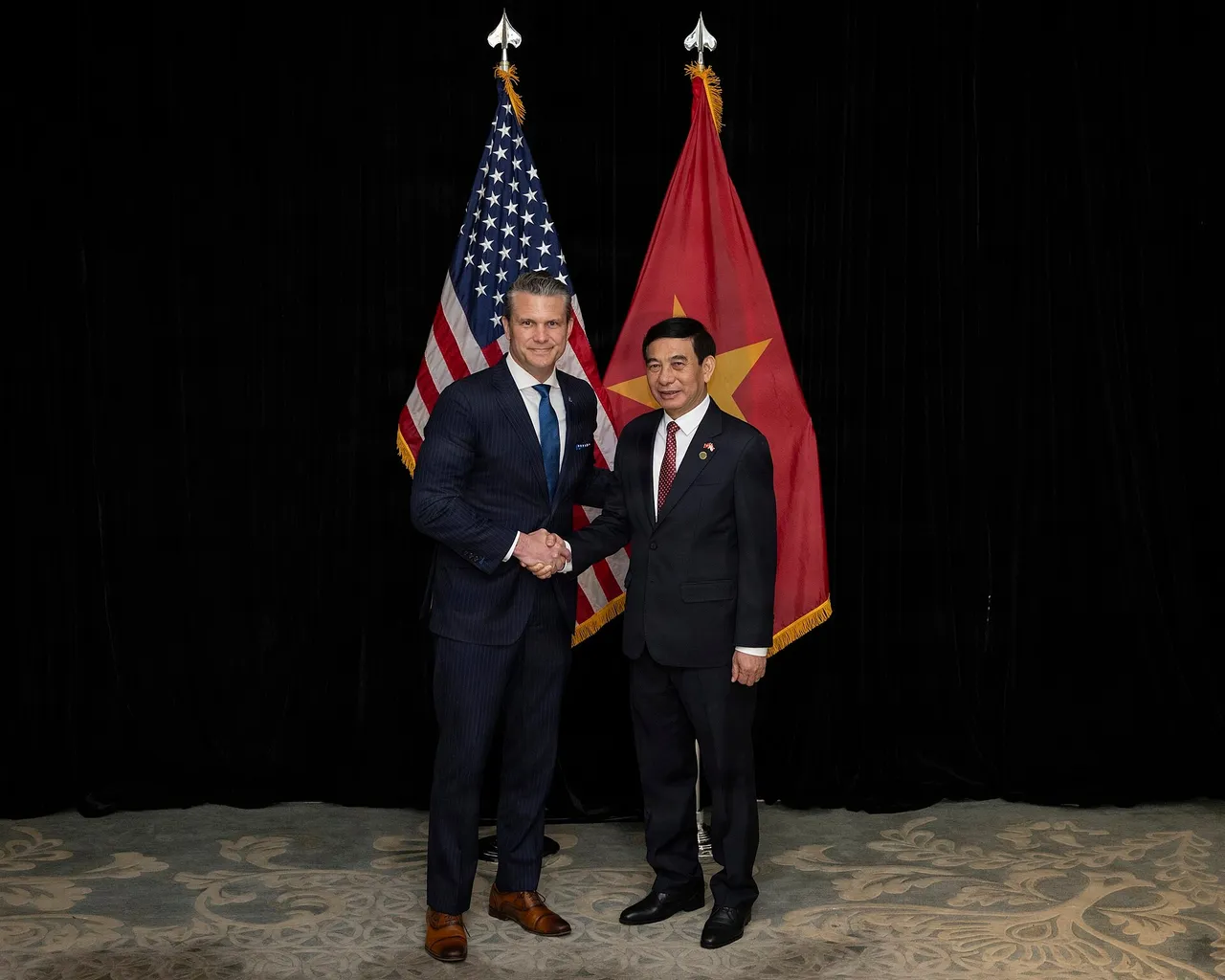
US military hardware is heading to Hanoi's arms expo as Vietnam presses landing-craft talks with Japan
Defence Minister Phan Van Giang welcomed the US plan in talks with Pete Hegseth in Cebu, where he also confirmed progress with Tokyo on jointly building fast landing craft.
TaiwanDefence · 1h ago · 3 min read
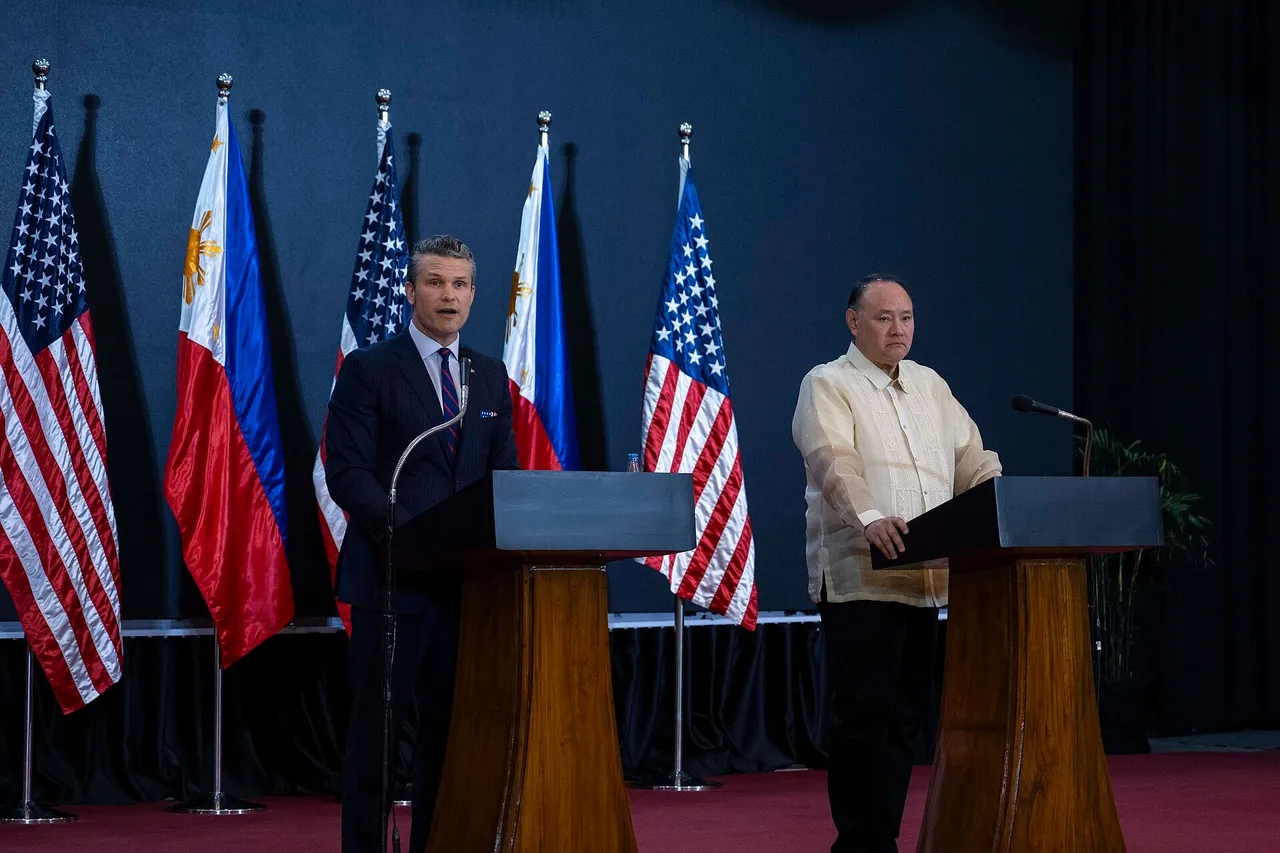
US promises the Philippine military more security cooperation money but names no figure
After talks in Cebu, Hegseth told Teodoro the US will raise funds to speed up AFP modernisation and launch a command and control sprint, without an amount.
TaiwanDefence · 4h ago · 2 min read
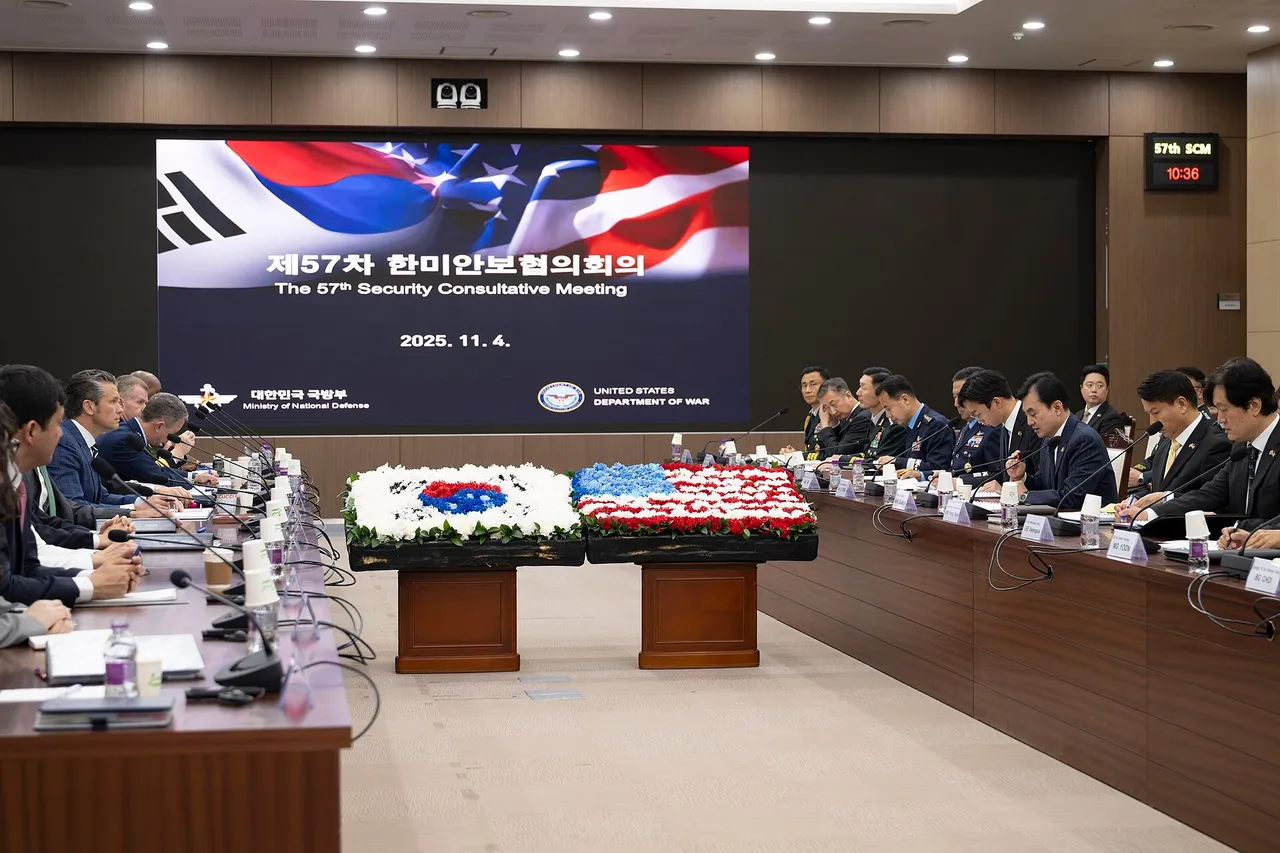
Kang's first talks with Hegseth end with a December date in Washington and no OPCON year
In 40 minutes of talks in Cebu, the US and South Korean defence chiefs set a December meeting and backed only a timely, not accelerated, handover of wartime command.
TaiwanDefence · 8h ago · 3 min read
Discussion (0)
Comments are not currently available.