
PLA-linked Chinese university bought Nvidia H200 chips despite US blacklist, records show
Northwestern Polytechnical University, a missile and aircraft research school on the US Entity List since 2001, bought two H200 chips last month through a domestic supplier.

TAIPEI —
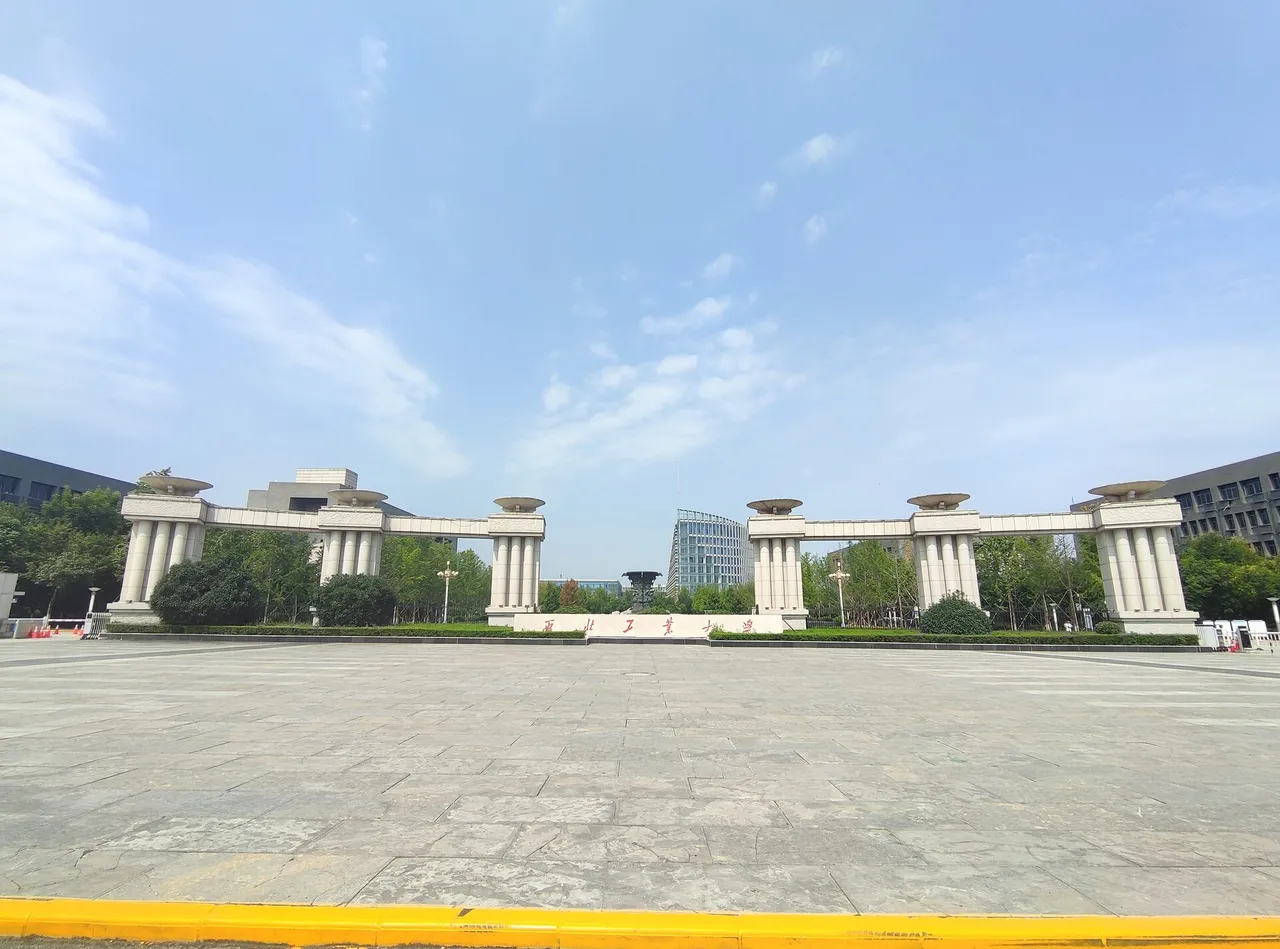
Northwestern Polytechnical University, one of China's leading defence research universities, bought two Nvidia H200 artificial intelligence chips in October even though it has been on a US export blacklist for 25 years, Reuters reported on 11 November, citing procurement records published on the university's own website.
According to the report, a procurement record dated 21 October shows the university paid 874,700 yuan, or about US$123,000, for the two chips. The purchase was made for the university's management school, and the seller was a Chinese company named Shaanxi Bosuan Network Technology rather than Nvidia itself. Reuters said it could not find contact details for that supplier.
The Xian-based university belongs to the group of elite defence-oriented schools known in China as the Seven Sons of National Defence, and it conducts research tied to military aircraft, missiles and satellites. The US Commerce Department put it on the Entity List in 2001 over alleged involvement in missile proliferation and military research, and in 2019 tightened the rules so that licences for controlled US technology are denied in most cases.
The H200 is one of Nvidia's most capable processors for training and running advanced AI models, and its export requires a US licence. Washington began allowing some H200 sales to China on a case-by-case basis in January, but Reuters noted that the change did not lift the separate restrictions on Entity List organisations, and that the licensing rules also require safeguards against blacklisted and military end users reaching the chips remotely.
The outright purchase was not the only route. Procurement records cited by Reuters show the university also signed five contracts this year with Chinese companies for rented computing power that included H200 chips and other restricted Nvidia processors. Its cybersecurity school awarded two seven-month contracts in January, worth roughly 441,700 yuan and 441,000 yuan, for access to servers holding eight H200 chips each, to fine-tune AI models and run reinforcement-learning training.
The university also rented servers containing Nvidia A100 and A800 chips, which are barred from export to any Chinese buyer, according to the records. Reuters also cited an April contract by a university institute for computing services needing at least 24 A100 chips to run structural and fluid-dynamics simulations, a detail Newtalk repeated in its summary.
Reuters said its review of 26 Chinese procurement and corporate records from this year found several universities and research institutes buying restricted Nvidia chips or renting computing services built on them through little-known domestic suppliers. Among them was Beihang University, another of the Seven Sons with close links to military aviation and space programmes, which bought four A800 processors in April. The records gave little detail about where the chips came from or where the rented servers were located.
Northwestern Polytechnical University, Nvidia and the Commerce Department's Bureau of Industry and Security did not respond to requests for comment, Reuters said.
The findings add to pressure in Washington over Nvidia's push for looser chip sales to China. United Daily News, citing the Reuters report, said some US lawmakers argue that access to Nvidia's most powerful chips could speed China's development of AI for weapons design, intelligence analysis and military modernisation, while Nvidia chief executive Jensen Huang has argued that continued sales keep Chinese customers dependent on US technology.
Reuters said the purchases highlight gaps in Washington's efforts to curb China's access to advanced technology, as military-linked institutions keep obtaining US computing power through domestic suppliers, either by buying chips outright or renting servers. The agency has previously reported that restricted Nvidia chips reached Chinese buyers inside servers sold through resellers and via third-country intermediaries.
Sources
More in Cross-Strait
Two-thirds of Taiwanese say they would defend the island if attacked, poll finds
A survey released on 11 November puts willingness to defend Taiwan at 66.4%, up from 64% a year earlier, while backing for a US military alliance edged up to 58.8%.
TaiwanDefence · 6h ago · 3 min read
Taipei court acquits retired officer over cash pipeline that funded a Chinese spy ring
A Taipei court cleared a retired army lieutenant colonel of laundering NT$11.1 million sent to fund a PLA-linked spy ring, but convicted the money mover.
TaiwanDefence · 8h ago · 2 min read
PLA cyber scientist Guo Shize vanishes from China's academy roster, the latest defence expert to go
The Strategic Support Force veteran's page has been pulled with no explanation, as Hong Kong media count about 11 academicians dropped in a year, many from the arms industry.
TaiwanDefence · 10h ago · 3 min read
Discussion (0)
Comments are not currently available.