
Satellite images point to China's biggest Red Sword air force exercise in years
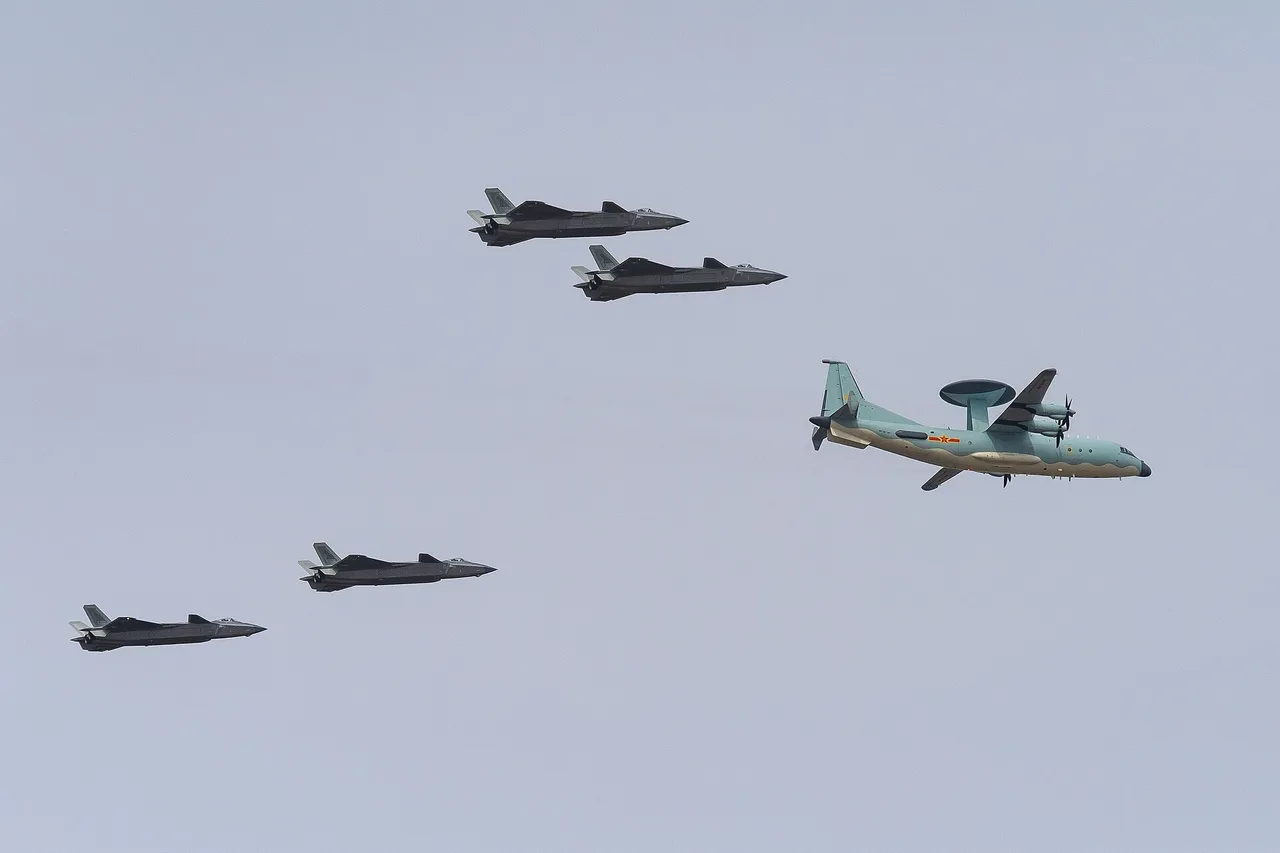
Close to 300 PLA aircraft, including J-20 stealth fighters, H-6 bombers and KJ-500 radar planes, have massed at 11 western airbases, a US institute says.

TAIPEI —
China's air force appears to be running its largest Red Sword exercise in several years, with close to 300 aircraft visible at airbases in the country's west, according to an analysis of commercial satellite imagery released by the Mitchell Institute for Aerospace Studies on 11 November. The US institute said aircraft hidden in shelters could push the total above 300.
In the latest episode of its Eye on China series, retired US Navy intelligence officer J. Michael Dahm walked through imagery showing the buildup taking shape across China's Western Theater Command from mid-October. Y-20 transports and tanker versions of the same aircraft arrived first, around 17 and 18 October, followed by J-10, J-16 and J-20 fighters, H-6 bombers and special mission aircraft, Army Recognition reported from the video.
Defence Security Asia, which also reported on the imagery, said about 279 aircraft could be counted on open ramps at 11 airfields that normally show around 80 to 100, roughly three times the usual level. Its breakdown listed about 43 J-20 stealth fighters, 43 J-10s, 93 aircraft in a combined J-11 and J-16 category, about 20 H-6 bombers, 12 JH-7 strike aircraft, around 16 KJ-500 airborne early warning planes, about 27 Y-20s and roughly 25 Y-8 and Y-9 special mission aircraft. The concentration was still in place on 11 November.
China has not publicly named the exercise or said how many aircraft are taking part. Calling it Red Sword is an assessment based on the mix of aircraft, the spread of detachments and the timing, which matches a pattern of autumn deployments to western airfields seen in earlier years. The analysts also noted that some aircraft on the ramps may belong to resident units rather than the exercise.
The comparison with last year suggests the drill has grown. Defence Security Asia said the assessed 2025 Red Sword involved an estimated 200 to 250 aircraft at eight bases spread over about 1,200 nautical miles, and that images of those bases taken within roughly a day in early November 2025 showed 194 aircraft in the open. That event ran for about five weeks and ended with more than 100 aircraft operating from Dingxin Air Base for over two weeks.
According to the institute, large-force exercises of this kind test whether China can combine fighters, bombers, intelligence aircraft, logistics, maintenance, air defences and command networks into a single fighting system. The early arrival of airlifters and tankers is consistent with setting up the support needed to keep many aircraft types flying away from their home bases for weeks.
The imagery has clear limits. It shows aircraft on the ground but cannot reveal how many sorties were flown, how well crews performed, or whether J-20s and older fighters trained as an integrated force rather than as opposing sides. Army Recognition noted that the desert exercise does not show how the same force would cope over contested sea approaches or under electronic attack, and that it does not establish naval involvement or a Taiwan scenario.
Even so, both outlets said the scale of the buildup matters for planners in the region. Defence Security Asia pointed to India's direct interest because the bases lie in the Western Theater Command, while Army Recognition said a Chinese air force better able to sustain large coordinated operations would raise the demands on US and allied airfields, fuel and maintenance in any Indo-Pacific conflict.
Sources
More in Air Force
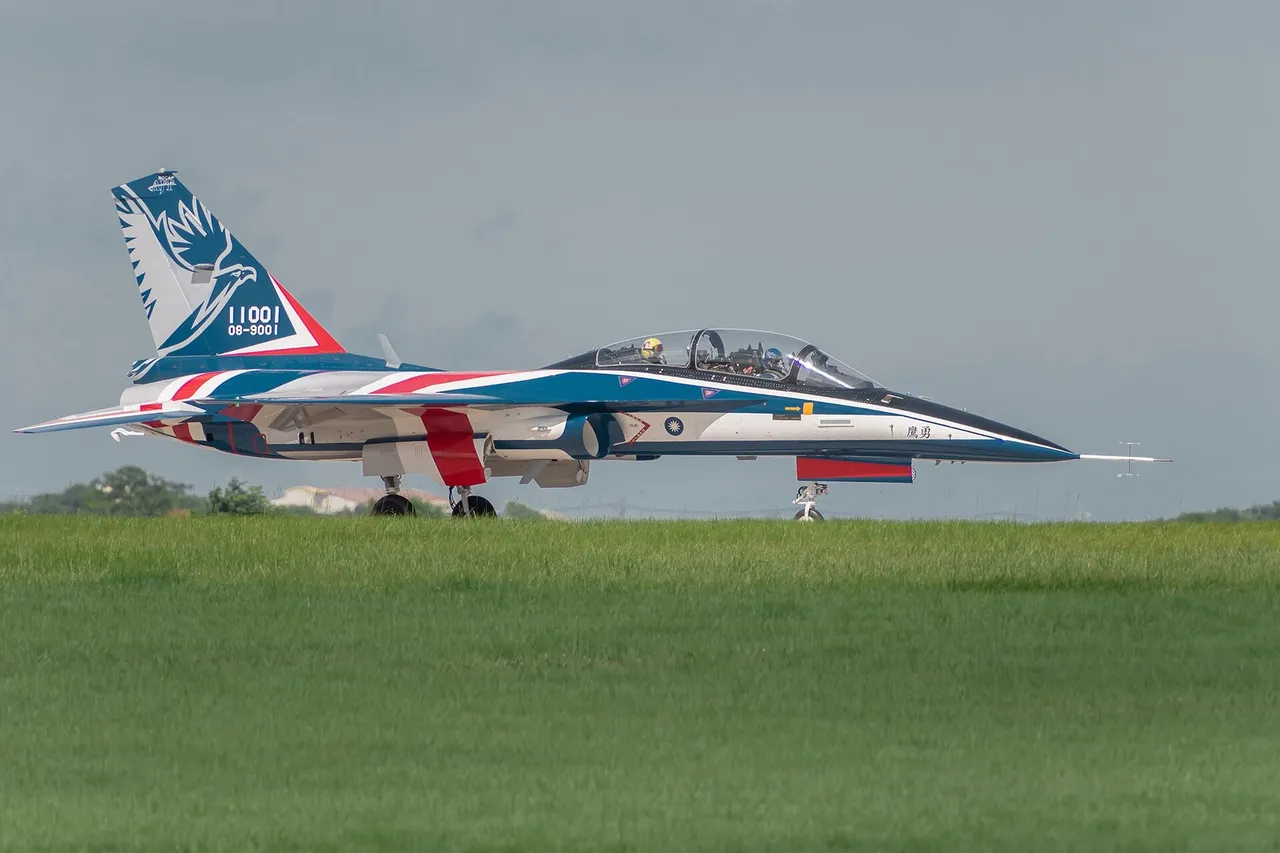
Taiwan grounds all 65 Brave Eagle trainers after air force confirms brake failure
The air force told lawmakers a mechanical fault caused the Gangshan runway excursion, the worst of nine brake-related incidents on the jet in three years.
TaiwanDefence · 1d ago · 2 min read
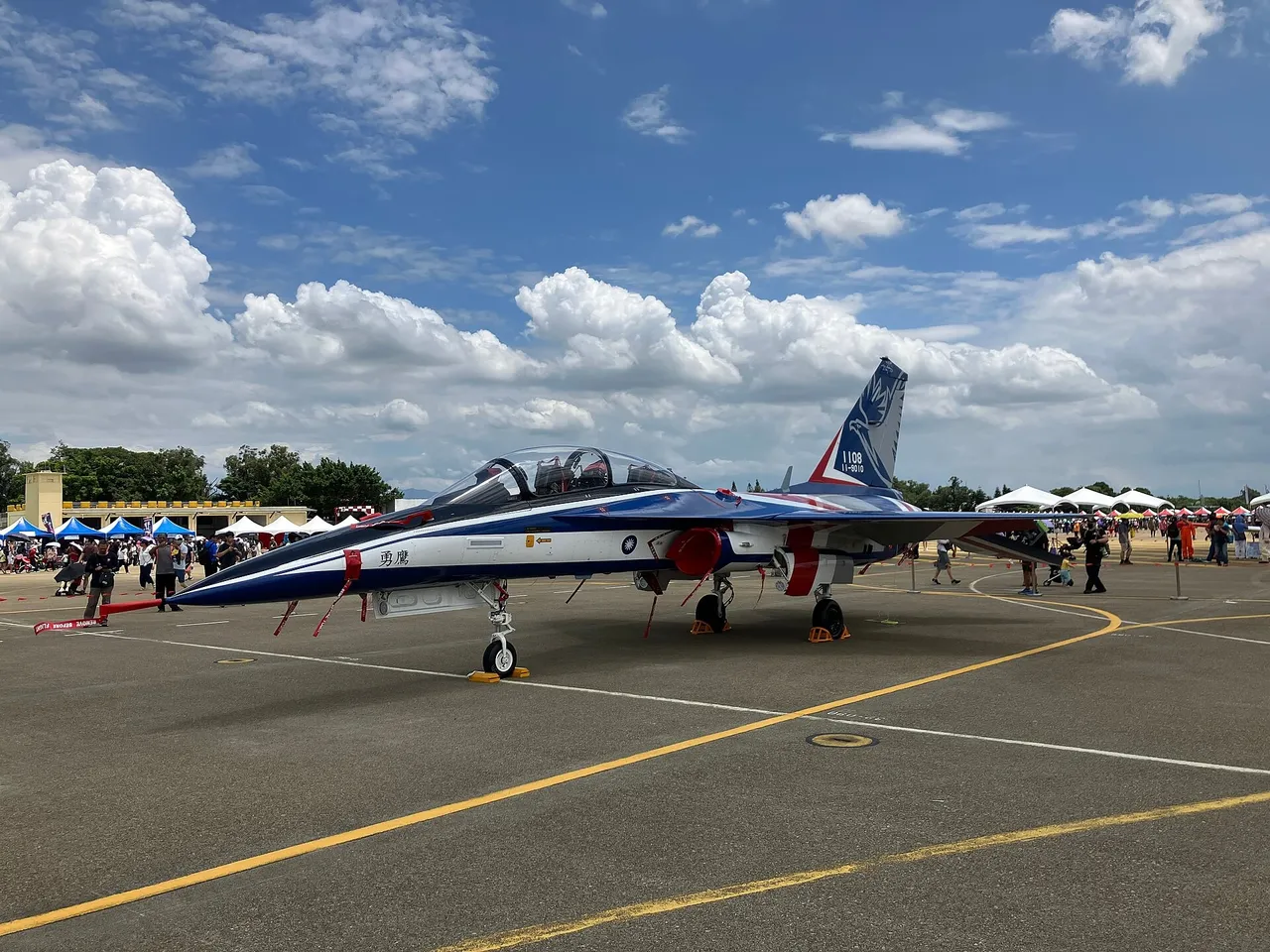
Taiwan Brave Eagle jet trainer runs off Gangshan runway after brake failure
A T-5 trainer burst a tyre and damaged its landing gear on landing at the air force academy base, the second trainer mishap there in under a week.
TaiwanDefence · 2d ago · 2 min read
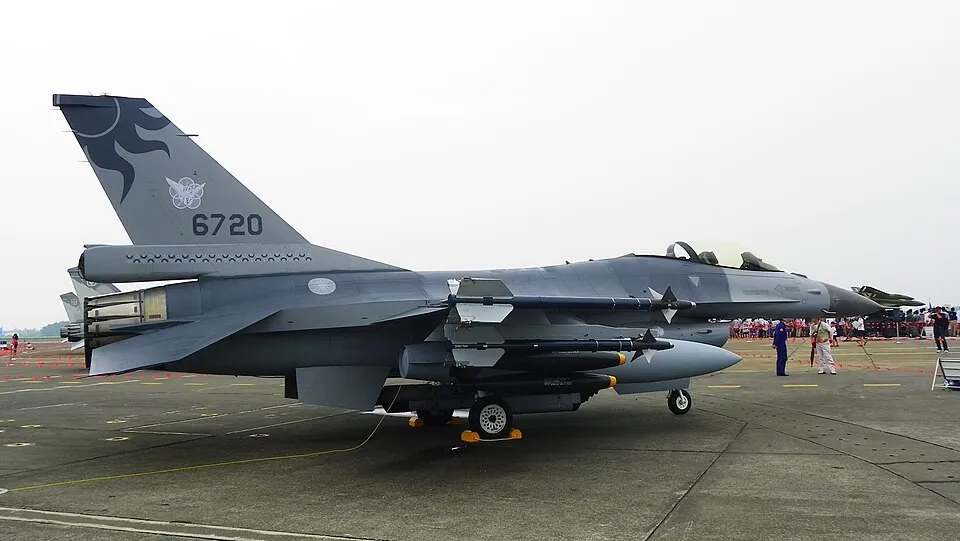
Air Force locks 8 November Chihhang window for second F-16 Block 70 batch
Air Force media notice on 7 November 2026 set an 8 November Chihhang landing window for three Block 70 jets, serials 6729, 6731 and 6732, after Koos soon remark.
TaiwanDefence · 5d ago · 3 min read
Discussion (0)
Comments are not currently available.