
Solomon Islands signs treaty with Australia barring foreign military bases as China pact lapses
Matthew Wale and Anthony Albanese signed the treaty in Canberra, naming Australia the primary security partner and keeping sensitive infrastructure free from militarisation.

TAIPEI —
Solomon Islands has signed a treaty with Australia under which it will not allow any foreign military or security base on its territory and will keep its sensitive infrastructure free from militarisation, foreign interference and unauthorised access. Prime Ministers Matthew Wale and Anthony Albanese signed the Australia-Solomon Islands Treaty in Canberra on 25 November, according to their joint statement.
The joint statement says the treaty reflects Solomon Islands' sovereign choice of Australia as its primary security partner. Both governments said Pacific security is the collective responsibility of Pacific Islands Forum members, and that Solomon Islands will look to Forum members for its future security cooperation needs.
The treaty text goes further than the statement on outside partners, the ABC reported. It says Solomon Islands will ensure security cooperation comes from Forum members and will safeguard regional security if it ever forms partnerships for needs that Forum members cannot meet. It also requires Honiara to consult Canberra on national security and sensitive infrastructure, though it does not explicitly ban security ties with countries such as China.
Policing and border support
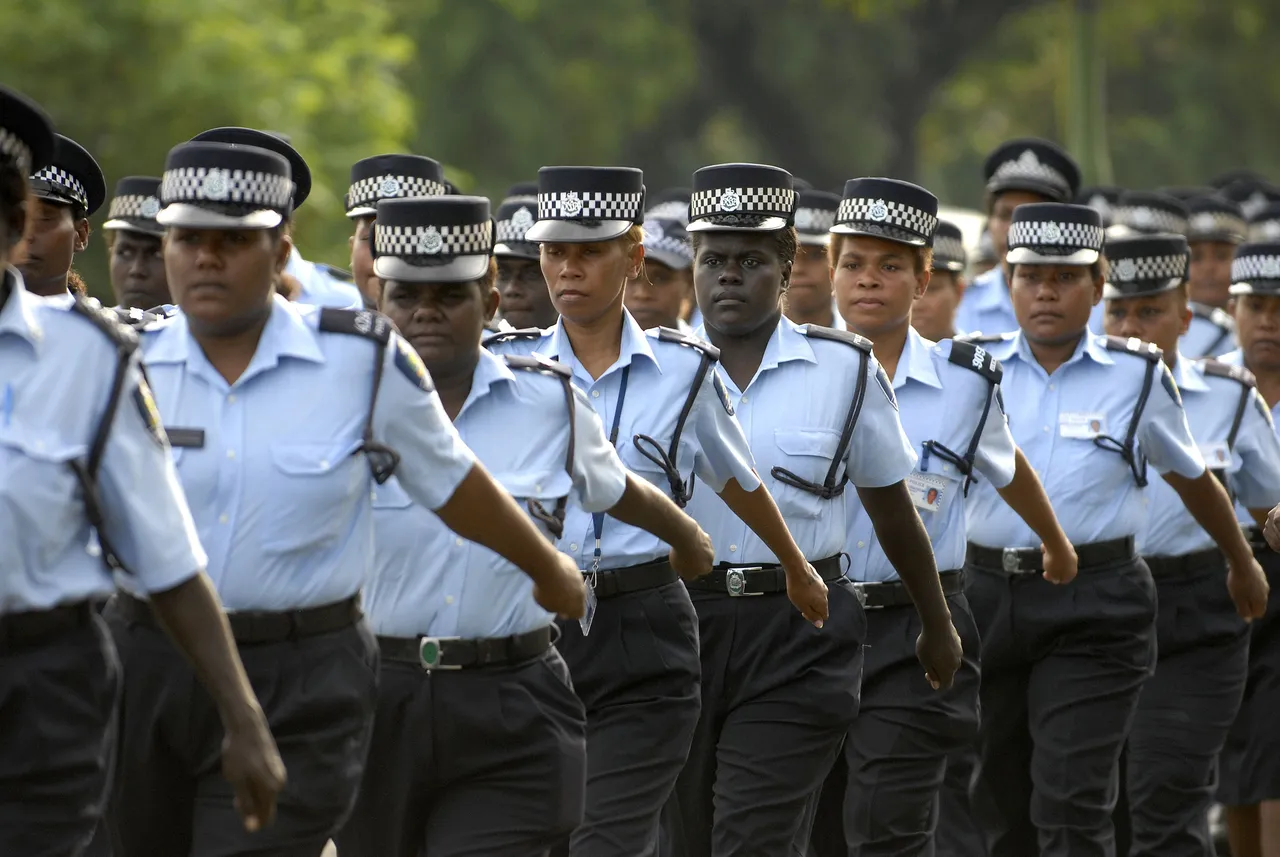
Australia will keep supporting the expansion of a stronger, modern and self-reliant Royal Solomon Islands Police Force through enhanced cooperation, and will continue to help develop the country's border management system, the two leaders said. Albanese told reporters that Australia would work with Solomon Islands to keep its community safe, strengthen its police force and improve border security while respecting its sovereignty, the Guardian reported.
The security provisions sit inside a broader package. Australia will provide budget support, fund the Solomon Islands government's free education policy, invest in roads and renewable energy, open aged-care and early-childhood jobs to Solomon Islanders under its Pacific labour scheme, and offer longer visa stays, according to the joint statement.
End of the 2022 China pact
The signing came a day after it emerged that Wale's government had told Beijing it would let its 2022 security agreement with China lapse when it comes up for renewal in April 2027, rather than renew it. That Framework Agreement on Security Cooperation was signed in April 2022, when Manasseh Sogavare was prime minister.
Wale declined to confirm the decision in Canberra, saying non-disclosure clauses in the security pact and policing agreement with China prevented him from discussing them. He said his country had for years been a source of uncertainty and doubt in the region, and that those days were over, according to the ABC and the Guardian.
Sogavare, now opposition leader, warned on Monday that dropping the China arrangements could undermine development ties with Beijing and that Solomon Islands needed to work with China, Australia and the United States without losing its independence, RNZ reported. Wale said the decision to sign had the unanimous backing of his cabinet and caucus.
Beijing has rejected the framing of a contest for influence. Chinese foreign ministry spokesperson Guo Jiakun said on Tuesday that China's cooperation with Pacific countries involves no geopolitical rivalry, does not target any third party and is not subject to third-party influence, the Guardian reported.
Lachlan Strahan, a former Australian high commissioner to Honiara, told the ABC that locking in Australia as primary security partner in a legally binding document was significant, and that a formal legal bar on foreign bases was much better than a political promise. Canberra has signed security agreements with Papua New Guinea, Tuvalu, Vanuatu and Fiji in recent years as it competes with China across the region, the Guardian noted.
Sources
More in Indo-Pacific
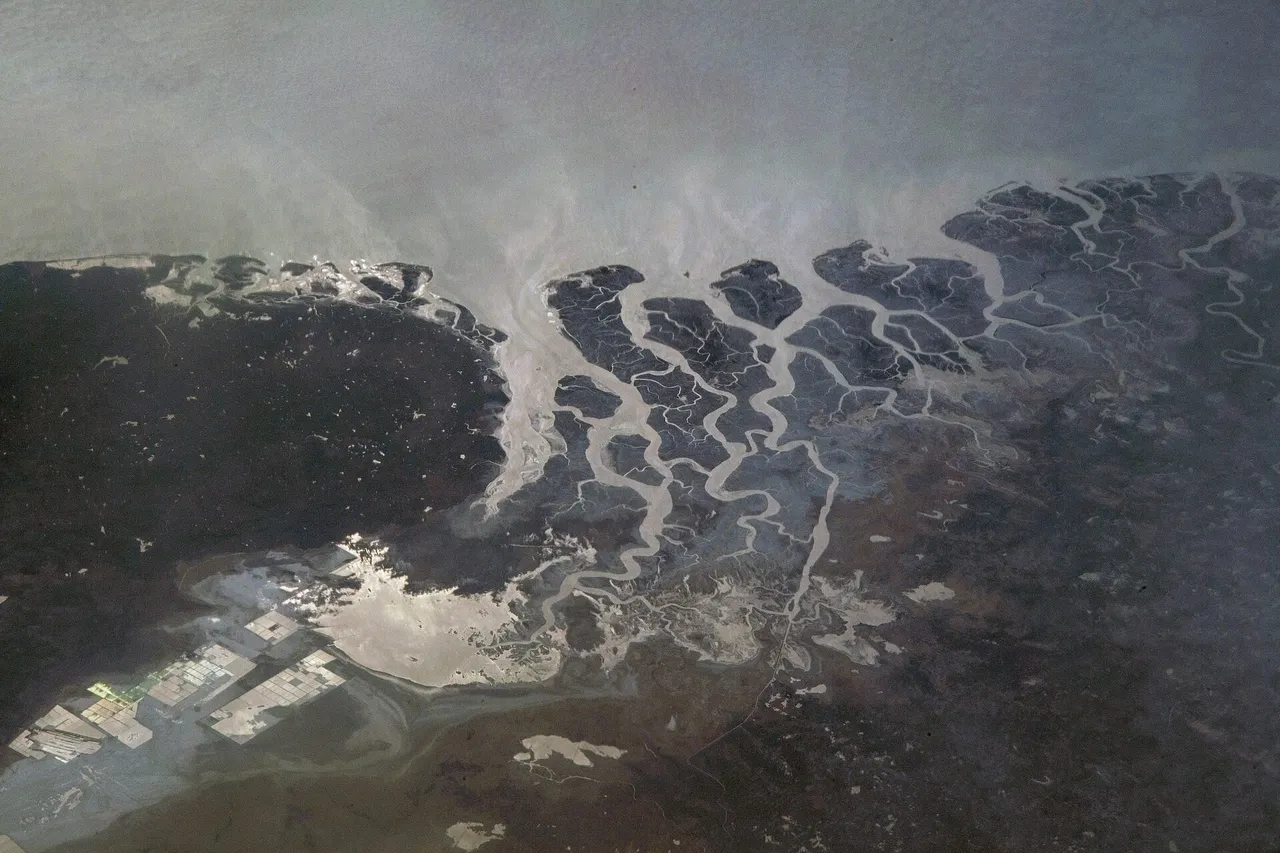
Chinese spy satellites watched India's Gujarat coast during Operation Sindoor, Indian firm finds
Digantara's analysis says Ningxia-14, Gaofen-11 and Yaogan-30 focused on Bhuj, Naliya and Jamnagar in May 2025, and some Chinese satellites shifted orbit as the fighting began.
TaiwanDefence · 3h ago · 2 min read
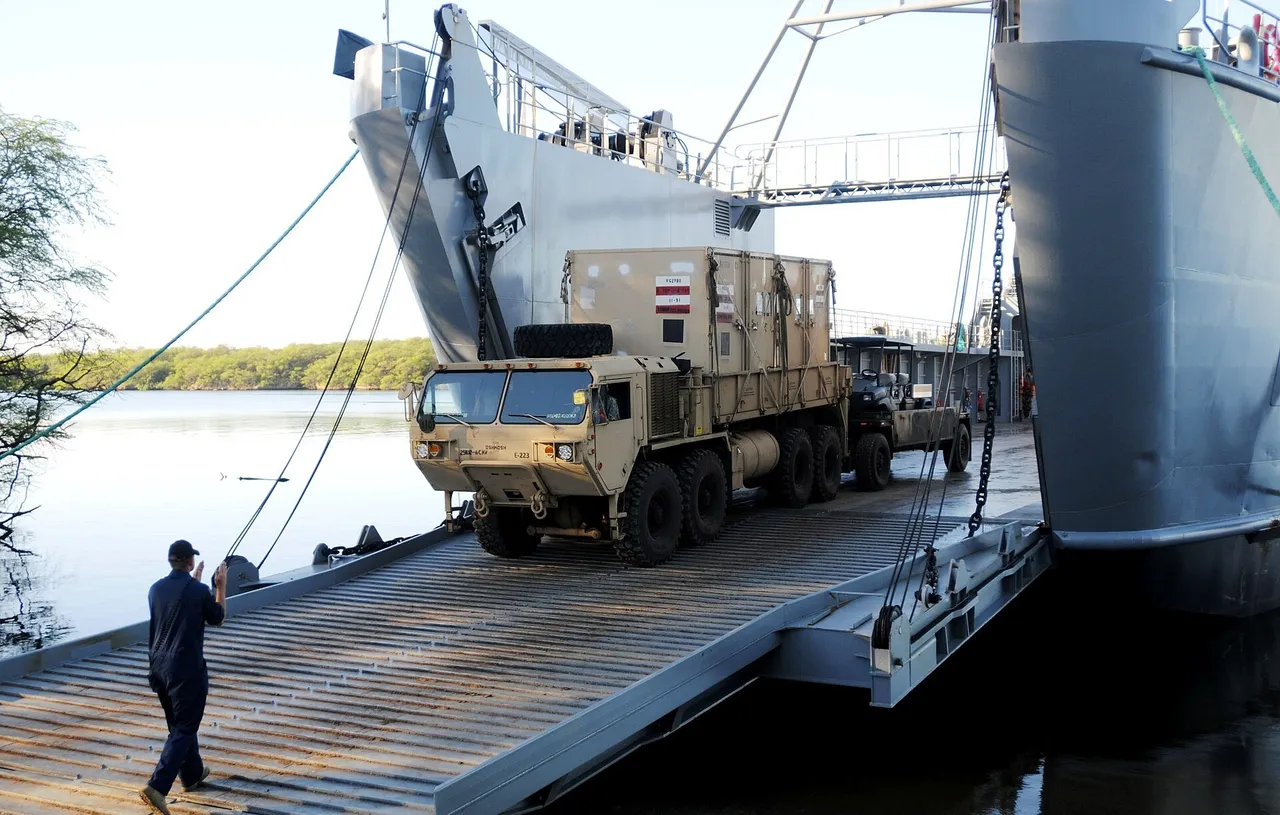
US Army auditors warn Hawaii may not be able to rush troops west in a war with China
An Army Audit Agency report obtained by CNN found flooded maintenance bays, equipment gaps and muddled responsibilities at the islands' deployment hub.
TaiwanDefence · 5h ago · 2 min read
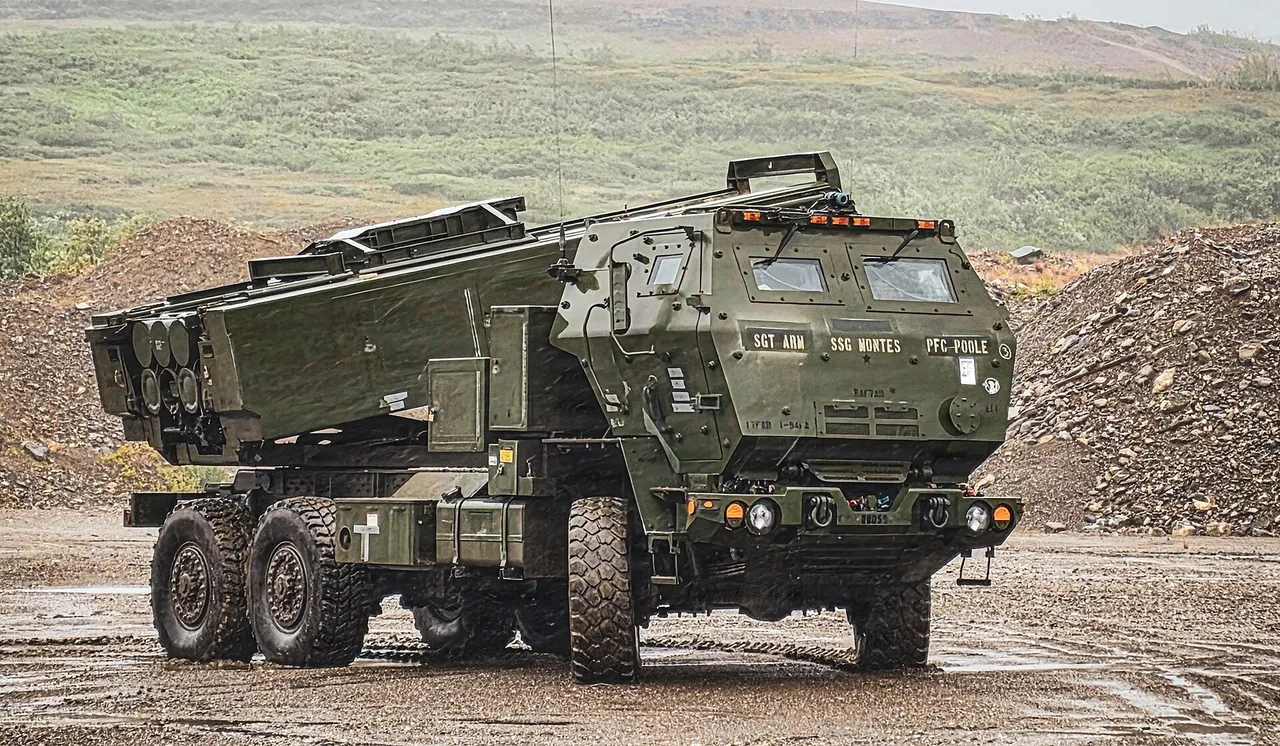
US Army sergeant admits selling HIMARS manuals and classified hard drives to buyers linked to China
Jian Zhao, a supply sergeant at Joint Base Lewis-McChord, pleaded guilty in Portland to a conspiracy that ran from 2021 until his arrest in March 2025.
TaiwanDefence · 7h ago · 2 min read
Discussion (0)
Comments are not currently available.