
South Korea plans 13-fold rise in special forces infiltration gear spending before OPCON transfer
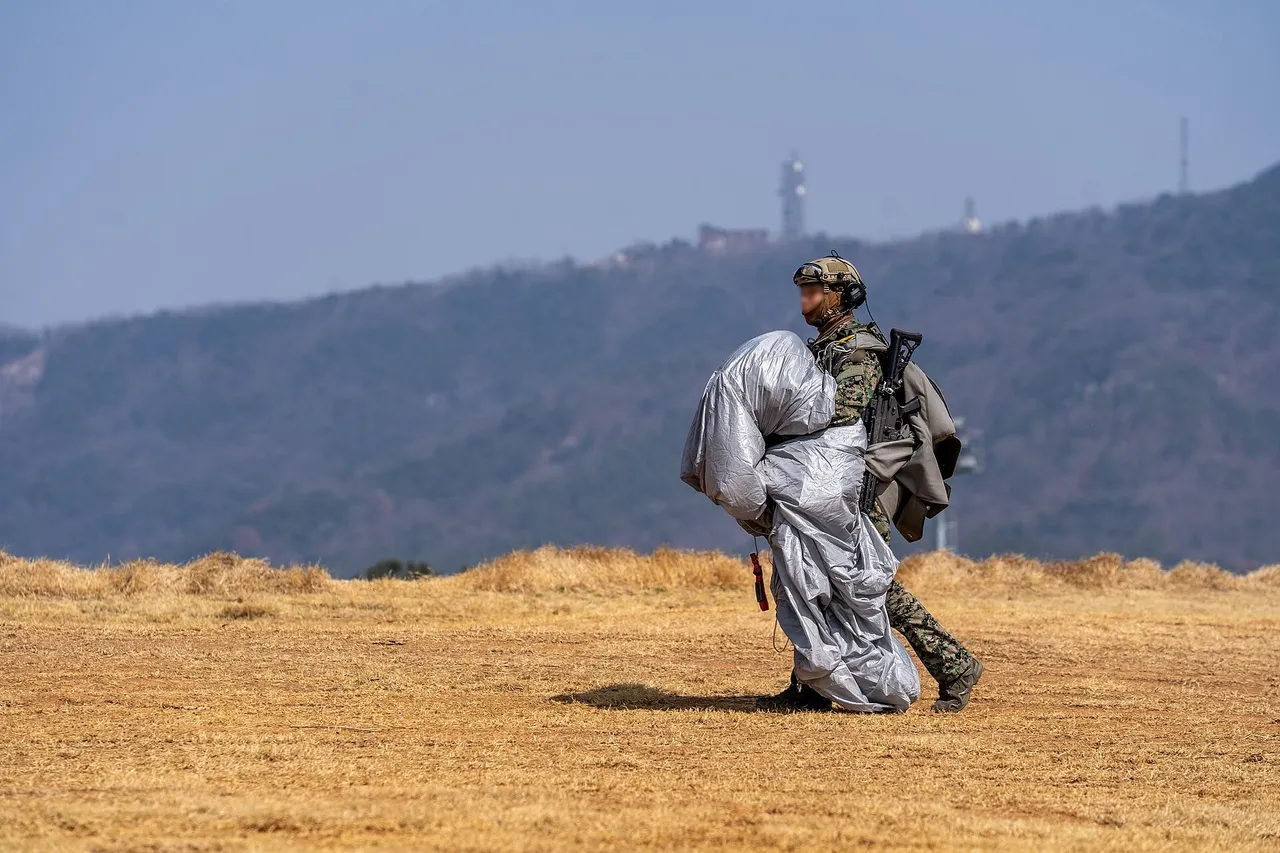
The 2027 defence budget proposal seeks 131.9 billion won for 16,652 parachutes and diving items so Korean special forces can operate on their own.
TAIPEI —
South Korea's defence ministry plans to spend 131.94 billion won, roughly US$98 million, on infiltration equipment for the Army Special Warfare Command next year, about 13 times this year's figure, according to the 2027 budget proposal it submitted to the National Assembly. Yonhap News Agency reported the plan on Tuesday 10 November, and the ministry tied the increase directly to preparations for taking back wartime operational control of South Korean forces from the United States.
The budget line, filed under aviation gear within the ministry's logistics supplies, stood at about 10.8 billion won last year and 9.8 billion won this year. The jump is even sharper in the number of items to be bought. The military intends to purchase 16,652 pieces of infiltration equipment next year, compared with 741 last year and 1,003 this year, an increase of roughly 16 times over the current level.
The purchases cover 13 categories of high-altitude infiltration gear and 11 categories of underwater infiltration gear, the kit that special forces need to parachute or swim into an enemy's rear areas. Among the main items is the RA-1, a next-generation tactical high-altitude parachute that is to replace the MC-4 parachutes that South Korean special forces currently use as their main equipment for airborne infiltration.
In its explanation to lawmakers, the ministry said it needs to fill its required stock of high-altitude and underwater infiltration equipment next year so that South Korea's own special forces can carry out their missions independently once wartime operational control is transferred. It also said the command has expanded its high-altitude infiltration teams, which has pushed up the amount of equipment those teams require.
The RA-1 is the US Army's Military Free Fall Advanced Ram-Air Parachute System. When the 3rd Special Forces Group became the first US special forces unit to field it in 2015, the US Army said the system could be rigged for either static-line or free-fall jumps and could carry 75 pounds more than the MC-4 it was replacing, which had long been the standard parachute for special operations troops.
Yonhap and other outlets linked the rapid build-up of special forces personnel and equipment to a separate goal the military is pursuing before the end of this year, the permanent establishment of a Combined Special Operations Component Command. Since 2019, South Korea and the United States have been turning the combined component commands that would direct allied operations after the transfer into standing organisations.
Four of the six planned combined component commands have already been made permanent. The military aims to finish the special operations command by the end of 2026 and to complete the last one, the Combined Military Information Support Operations Component Command, in 2027, according to the reports.
The Korea JoongAng Daily described the spending as part of a wider push to strengthen Seoul's military self-reliance, with the government seeking to complete the transfer of wartime operational control within President Lee Jae Myung's term. Aju Press noted that the transfer depends on assessments of South Korea's military capabilities and of the allies' combined defence readiness.
The figures are proposals and still need the approval of the National Assembly. If they pass as submitted, the 16,652 items planned for 2027 would be about ten times the combined total bought in 2025 and 2026, giving South Korean special operators far more of the gear they need to reach enemy rear areas on their own after the command transfer.
Sources
More in Indo-Pacific
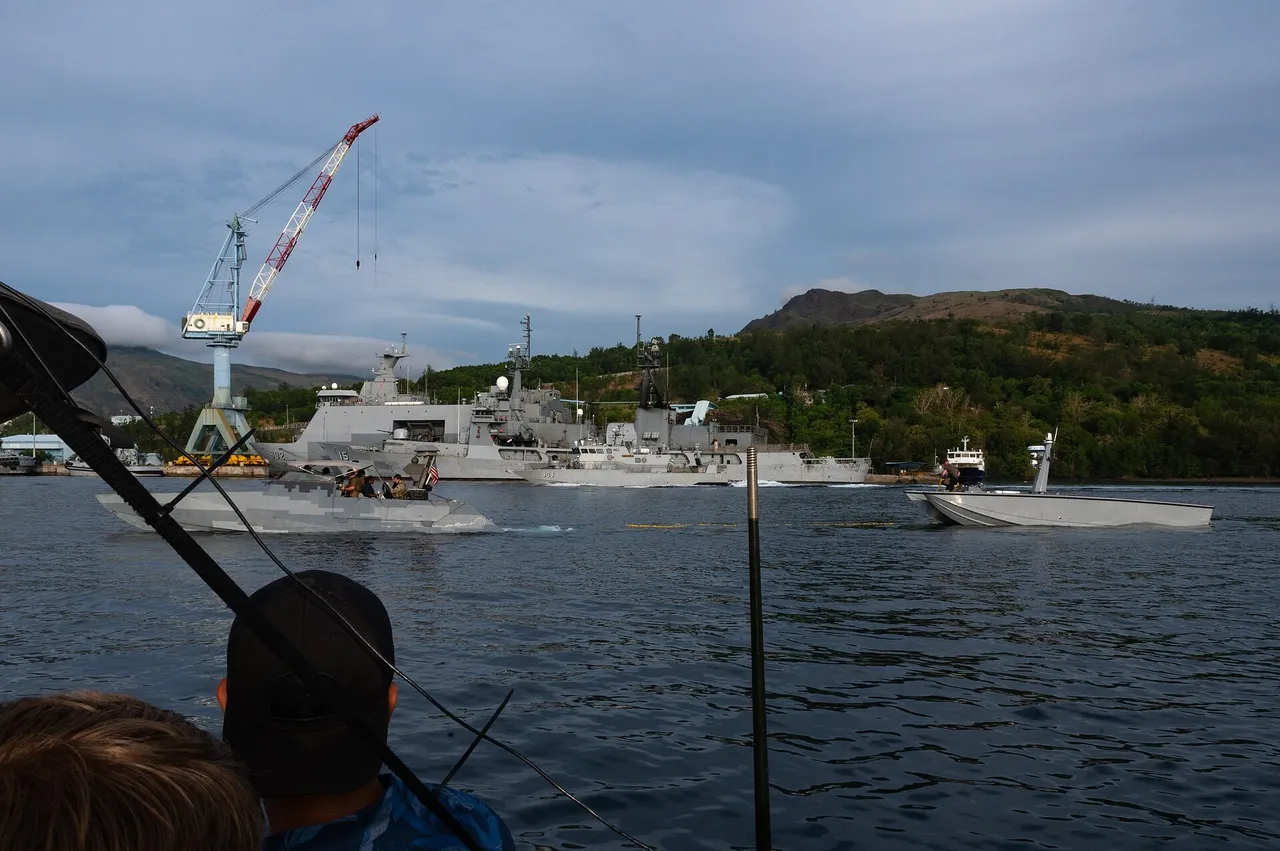
US hands Philippine Marines two Devil Ray drone boats worth more than $8 million
The US Embassy says the two uncrewed T38 surface vessels will let the Philippine military watch wider stretches of its waters for longer and at lower cost.
TaiwanDefence · 41m ago · 2 min read
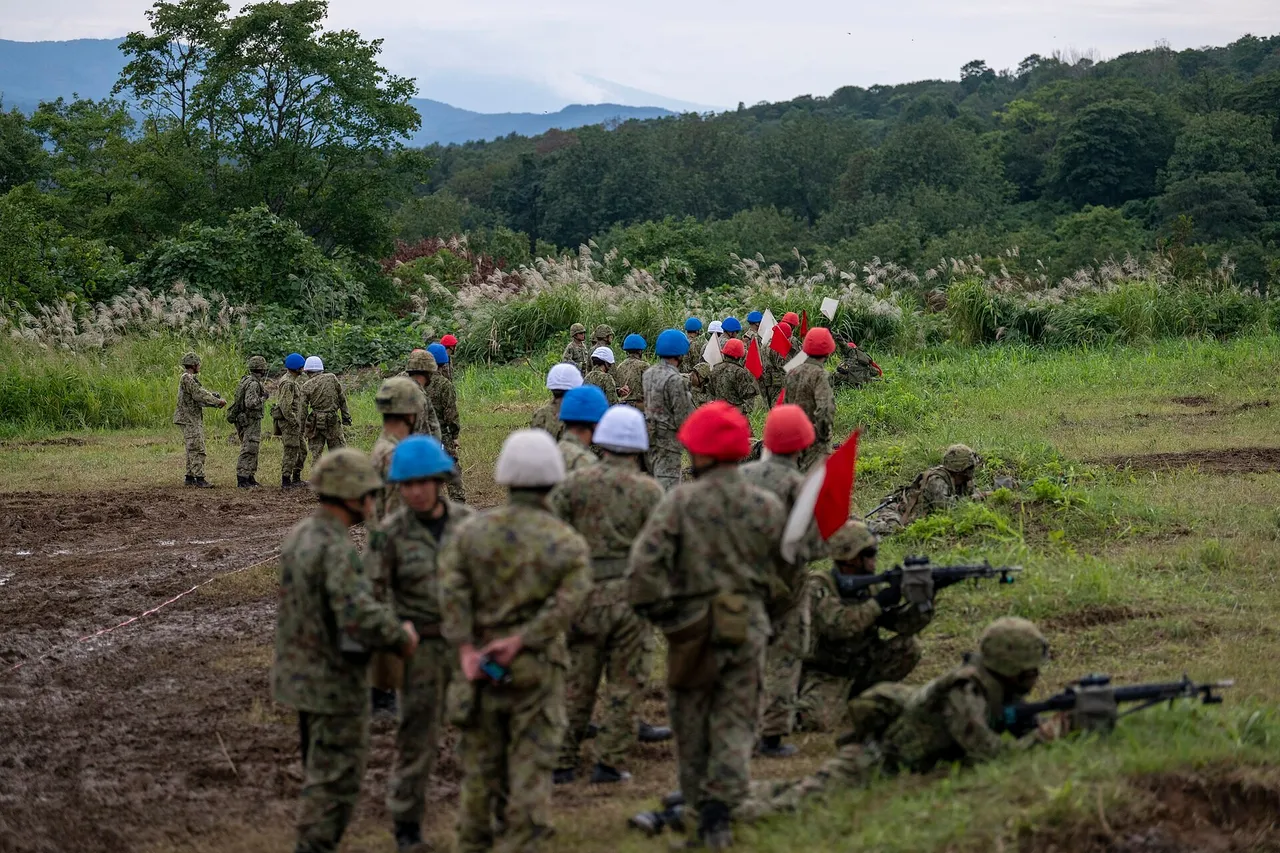
Japanese lawmakers urge letting SDF members work to 65 as early retirement and recruiting gaps bite
A cross-party caucus led by former defence minister Gen Nakatani wants retiring SDF personnel guaranteed public-service jobs to 65 and a new support agency.
TaiwanDefence · 1h ago · 2 min read
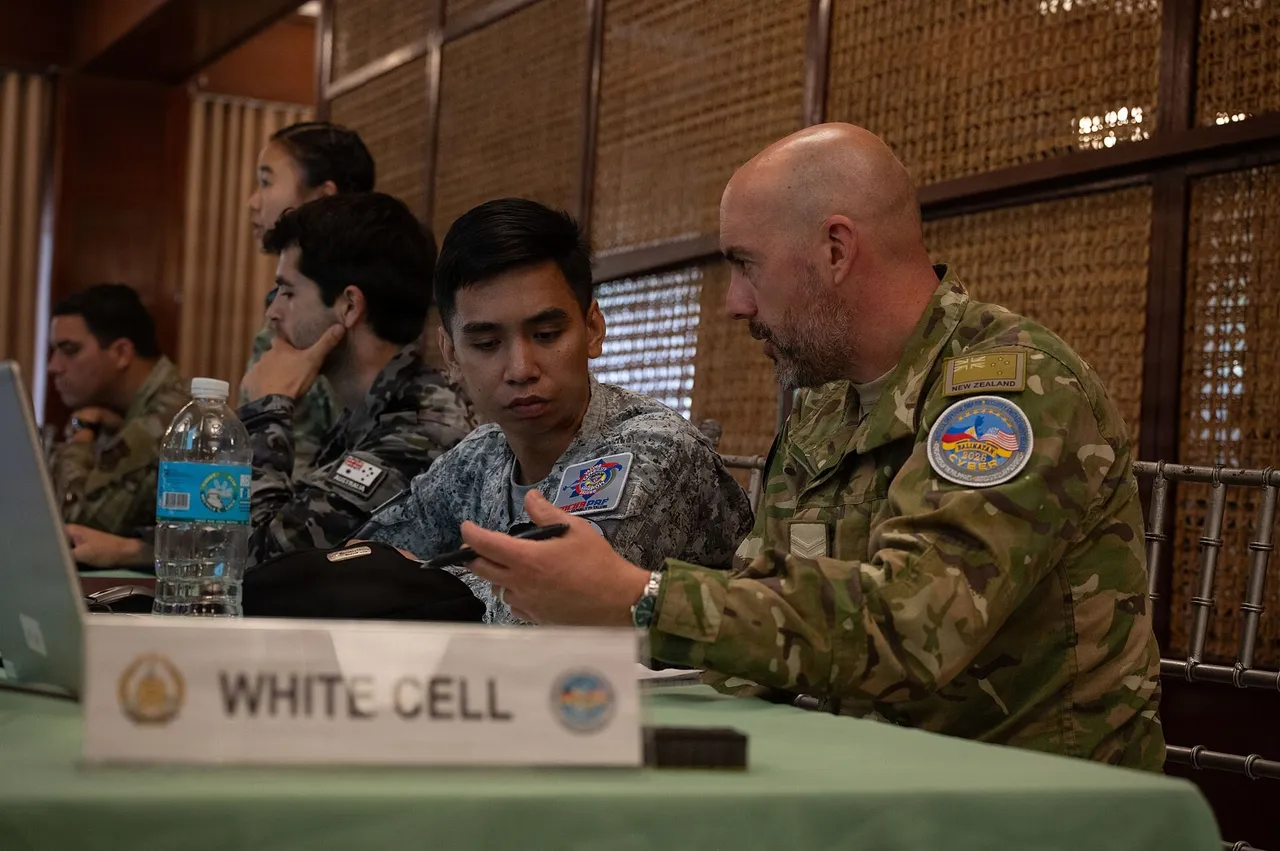
Philippine military investigates claimed hack of air force personnel records
The AFP says it has not confirmed any breach after a dark web post claimed files from a Philippine Air Force personnel system were stolen.
TaiwanDefence · 4h ago · 3 min read
Discussion (0)
Comments are not currently available.