
South Korea plans to ease proof rules for troops maimed by unidentified mines near the DMZ
The defence ministry is reviewing law changes after a Marine officer who lost a foot to a TNT mine was denied combat-wound status because no fragments were found.
TAIPEI —
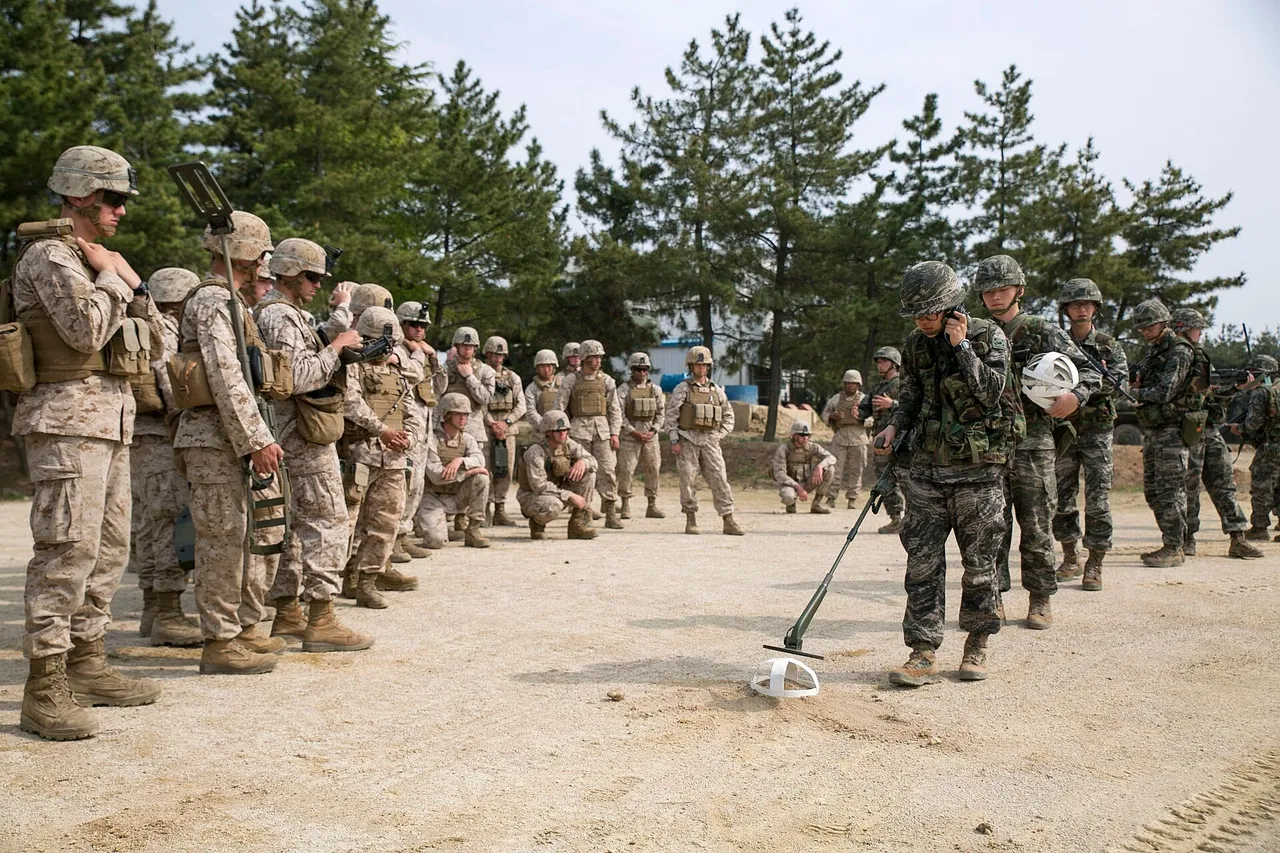
South Korea's defence ministry is reviewing changes to military law so that troops wounded by explosions in high-risk areas such as the Demilitarized Zone can be classed as combat casualties even when investigators cannot prove North Korea planted the device. The ministry told the broadcaster YTN that it was looking at amending the relevant act and its enforcement decree, and that a blast could qualify once it was shown not to have come from South Korean ordnance.
Under the current Military Personnel Act and its decree, a combat injury is one suffered in an engagement with the enemy or from a hazard the enemy installed. YTN reported that this wording makes it hard to win combat status without decisive physical evidence of enemy action. A ministry official told the broadcaster the department would examine whether the text could be revised so that an injury counts as a combat wound when the device was not laid by South Korean forces, even if the party that laid it remains unknown.
The review follows the case of Lee Ju-eun, a reserve captain. In August 2019, while serving as an outpost leader with the Marine Corps 2nd Division in Gimpo, Lee stepped on a mine while clearing reeds in front of the front-line fence. His left foot was amputated, he spent about six months in hospital, and he left the service in February 2022.
Forensic tests by the ministry's investigation headquarters found only TNT on the remains of his combat boot and on his clothing. South Korea's military has no anti-personnel blast mine that uses TNT, and its M16 mine, which does contain TNT, springs into the air before detonating, which investigators judged did not match how Lee was hurt. Even so, the ministry's review board classified his wound as an ordinary duty injury rather than a combat injury, on the grounds that no fragments were recovered that could confirm a North Korean mine.
Lee appealed, but the task of showing enemy involvement fell on him. He told YTN that his first request for the incident investigation report was refused for security reasons. Two further ministry reviews also declined to grant combat status. He argued that when people are hurt while serving the country, the state should carry the burden of proof.
The classification affects money as well as recognition. Money Today reported that the military's one-time disability payment for a combat injury is 2.5 times the general rate for the same disability grade, while injuries from especially hazardous duty earn 1.88 times. Officers and non-commissioned officers receive that payment only if their injury is rated as combat or hazardous duty, not as a general duty injury. Among registered veterans, both groups get the same basic monthly compensation for the same grade, but those wounded in combat receive an extra 90,000 won a month.
Lim Jong-deuk, a People Power Party lawmaker, said the state should take on more of the investigative responsibility and that the burden placed on injured service members should be eased. After YTN began asking questions, the ministry said it would draft legislation allowing troops injured by explosions in special hazard zones, including the DMZ, to be recognised as combat casualties.
The proposal targets a recurring gap in front-line service, where soldiers and Marines clearing vegetation or patrolling near the fence can be hurt by devices whose origin is hard to establish after a blast. How the ministry words the amendment, and whether it applies to earlier cases such as Lee's, will decide how much it changes for troops already wounded.
Sources
More in Indo-Pacific
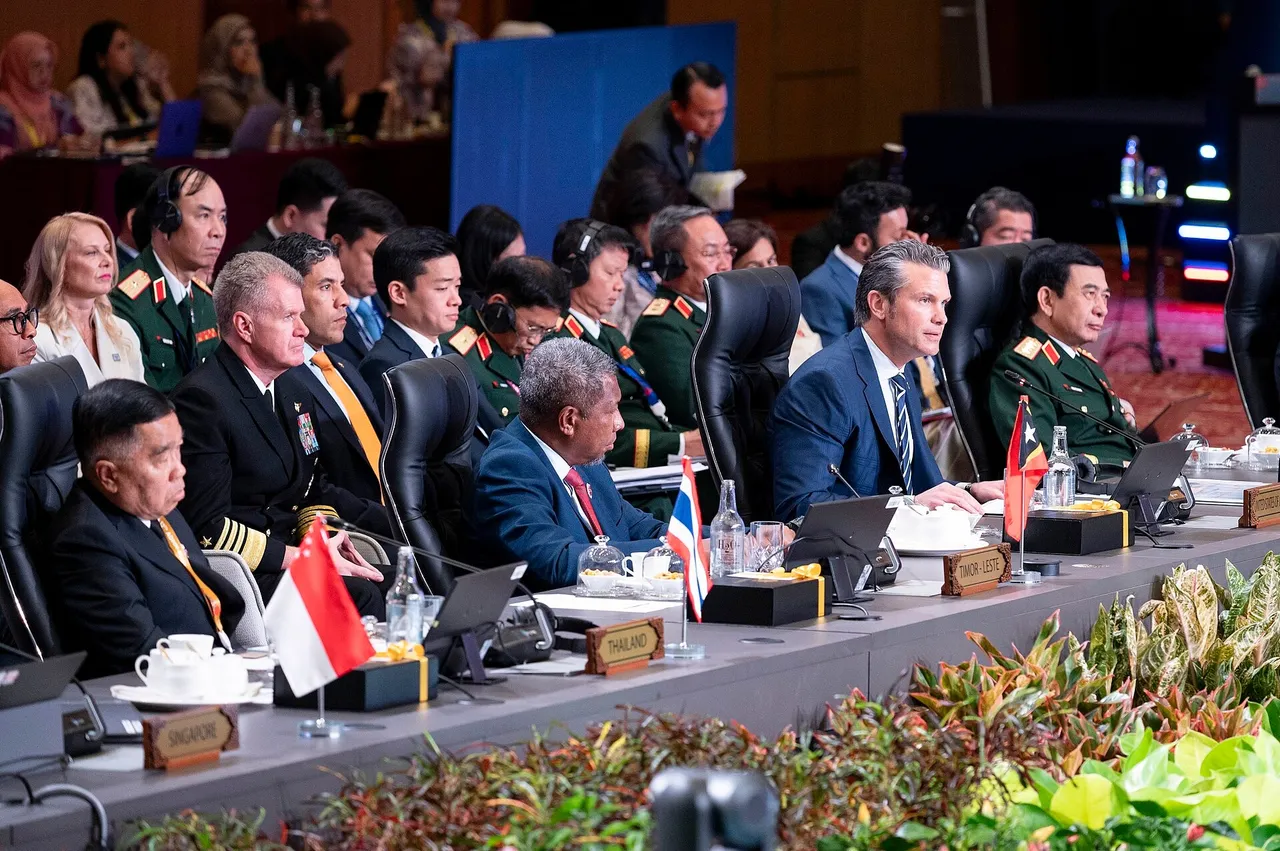
Philippines deploys 3,670 personnel and a no-fly zone for ASEAN defence ministers in Cebu
Manila hosts the 20th ADMM and 13th ADMM-Plus from 26 October, with the South China Sea and undersea cables on the agenda and China's attendance left unclear.
TaiwanDefence · 1h ago · 2 min read
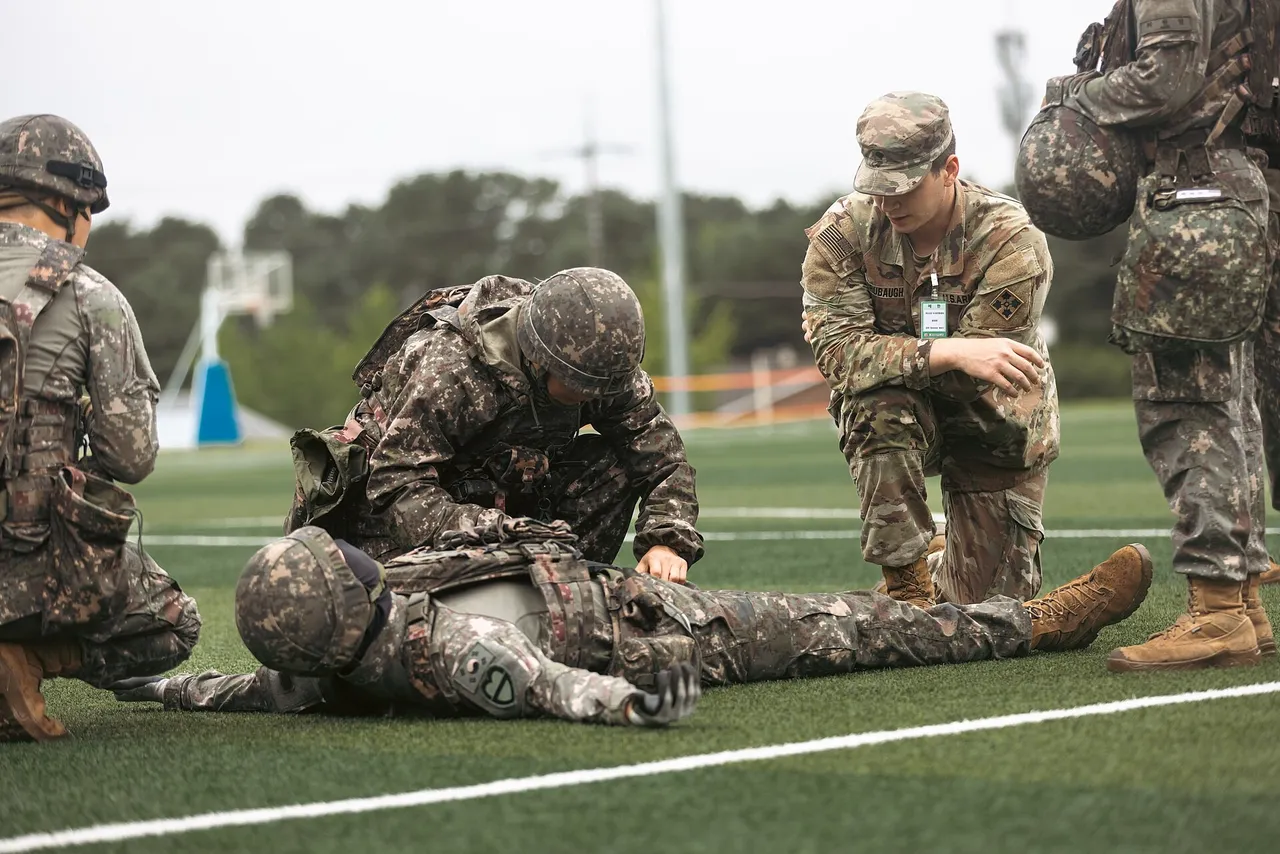
South Korea's military is short almost one in five doctors as medical students choose 18-month conscription
Defence ministry data released by a lawmaker show 483 of 2,485 military doctor posts empty in June, most of the gap in front-line units, as medical students avoid 36-month terms.
TaiwanDefence · 3h ago · 3 min read
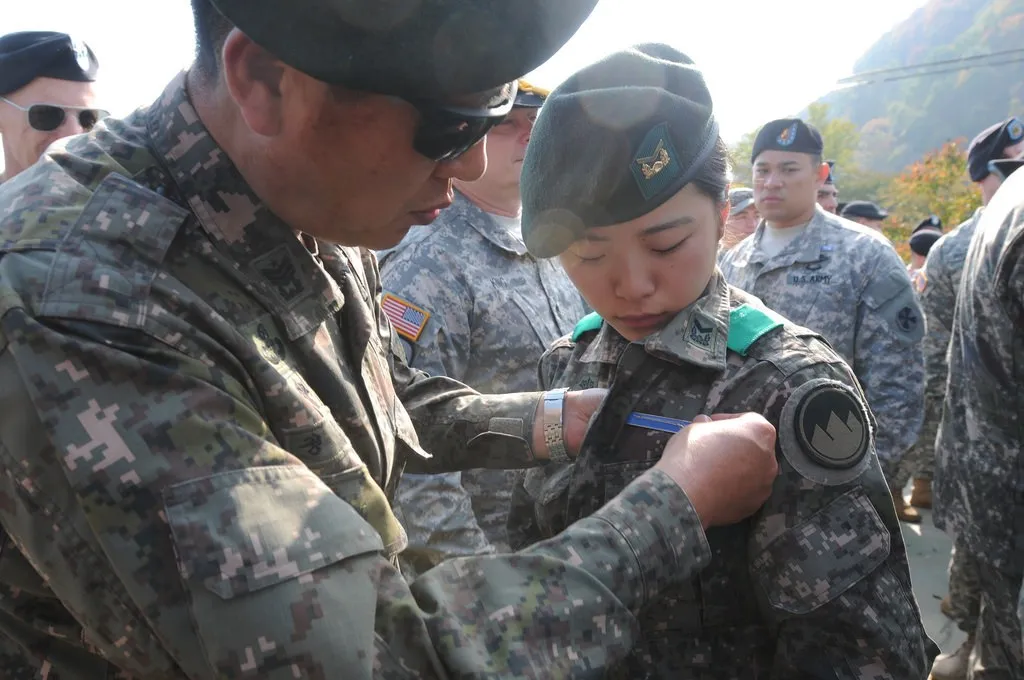
Women applying to become South Korean military officers top 20,000 a year
Data released by lawmaker Chun Ha-ram show women officer applicants rose 82% in three years, while academy places for female cadets drew odds of up to 76 to 1.
TaiwanDefence · 6h ago · 2 min read
Discussion (0)
Comments are not currently available.