
South Korea scales back its military academy merger, keeping the Navy and Air Force campuses
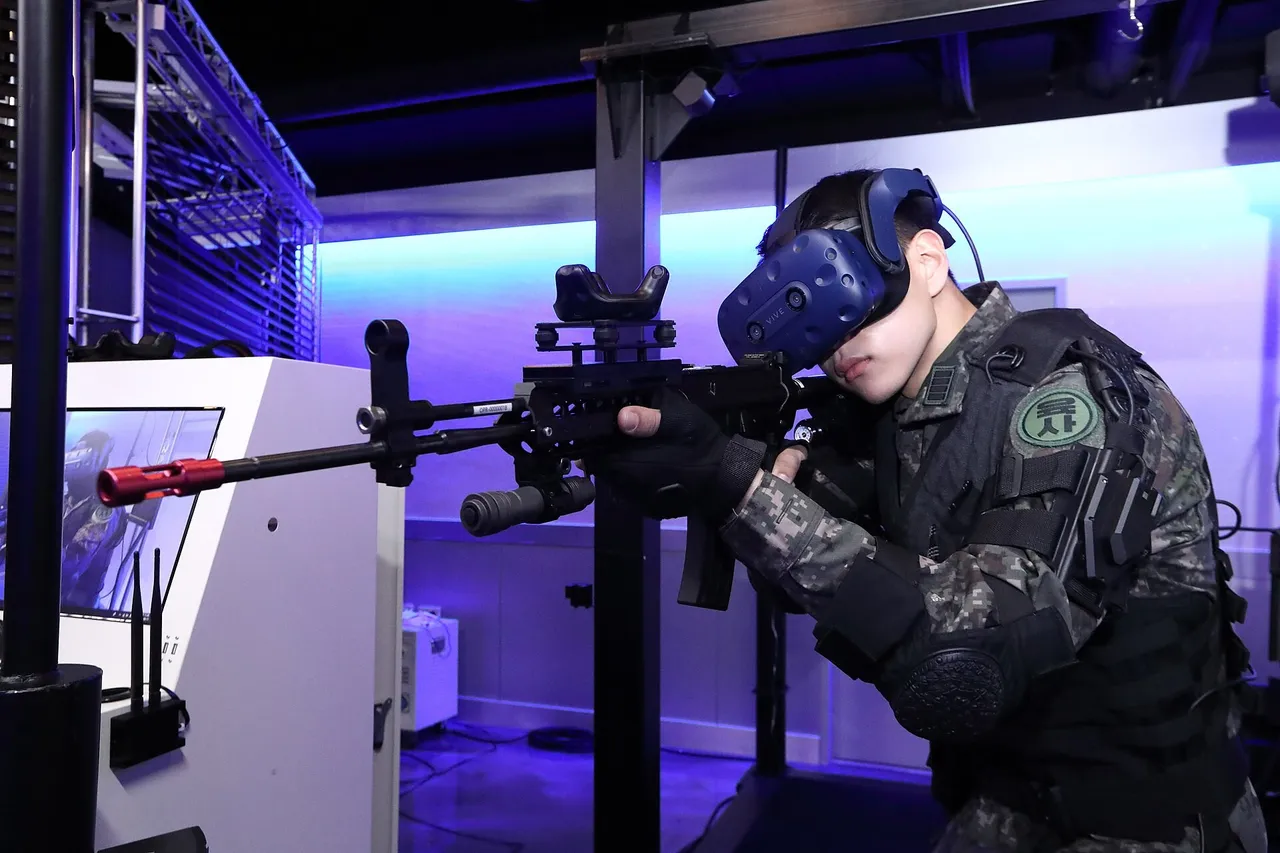
Seoul's defence ministry now wants a joint campus in Daejeon, an Army academy moved out of Seoul and shared first and final years for cadets from 2029.

TAIPEI —
South Korea's Defence Ministry has redrawn its plan to fold the Army, Navy and Air Force academies into one institution, and on 12 November it defended the change as a way to win wider public acceptance and make the policy more complete. Ministry spokesperson Chung Binna told a briefing in Seoul that the revised plan would be explained once it is final, and that views would keep being gathered while the law creating the joint academy and its enforcement decree are drafted.
The ministry recently briefed the National Assembly on the new version. It still calls for a joint military academy at the Jaundae military complex in Daejeon, but the Naval Academy would stay at its coastal site in Jinhae and the Air Force Academy would keep its campus in Cheongju. The Korea Military Academy, the Army's officer school in Nowon District in northern Seoul, would move to the Chungcheong region instead.
The original proposal would have consolidated all three schools in Daejeon, with cadets spending all four years there. The ministry had argued that a single academy would strengthen cooperation between the services and make cadet education more efficient. That idea met opposition from academy alumni, opposition lawmakers and residents of Jinhae and Cheongju, the two cities that stood to lose their schools.
Aju Press reported that the ministry now describes the model as a network: a main campus and a graduate school for joint education, with a separate campus for each service. Sites in Chungcheong, including the Jochiwon area, are reportedly being evaluated for the Army academy, partly because of their access to the main campus and to the government offices that have moved to Sejong City.
Cadets would follow what has been called a 1+2+1 curriculum. They would study together in their first and fourth years and train at their own service academy in the second and third years. The ministry wants to apply the system to cadets entering in the 2029 academic year and to publish admission guidelines around April next year. Chosunbiz reported that freshmen would still be admitted by service but could switch to another branch during the joint part of the course.
Using the existing Navy and Air Force facilities brings the cost down sharply. The ministry reportedly told lawmakers that the revised plan would cost about 1.5 trillion won, or roughly 1.1 billion US dollars, compared with an earlier estimate of 2.7 trillion won. Chosunbiz said about 780 billion won would go to the main campus in Daejeon, about 440 billion won to moving the Army academy, and about 150 billion won to new master's and doctoral programmes on science and technology for future warfare. The spokesperson said the actual budget would be set after a preliminary study.
Defence Minister Kang Shin-chul told parliament on 11 November that the revision was neither a retreat nor a compromise. Yonhap noted, however, that the spokesperson's emphasis on public acceptance appeared to signal the ministry's openness to further adjustments for those who oppose the plan.
The design is not settled yet. The ministry plans to finalise the revised basic plan after consultations with the National Assembly and other stakeholders, and then seek a legal basis for the new academy. Chosunbiz reported that the current version could still change during those talks.
For South Korea's armed forces, the outcome will decide how the next generation of officers is trained to work across services, and whether that goal survives the local and political resistance that has already reshaped the plan once.
Sources
More in Indo-Pacific
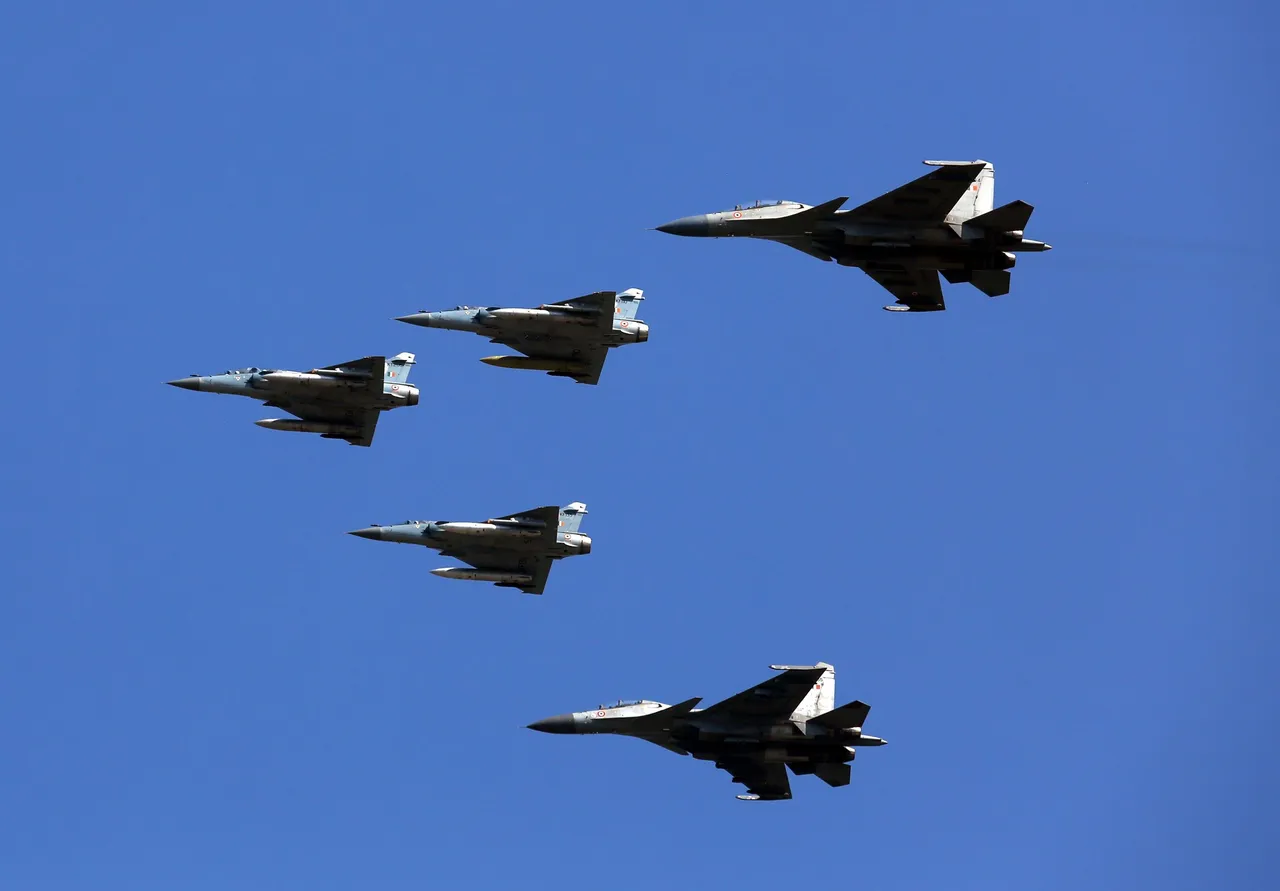
Indian Air Force officer passed war plans and drone unit secrets to a suspected Pakistani spy, police say
A Delhi police chargesheet says a serving wing commander shared war-plan pages, secret drone unit details and fighter movements with a suspected Pakistani operative.
TaiwanDefence · 2h ago · 3 min read
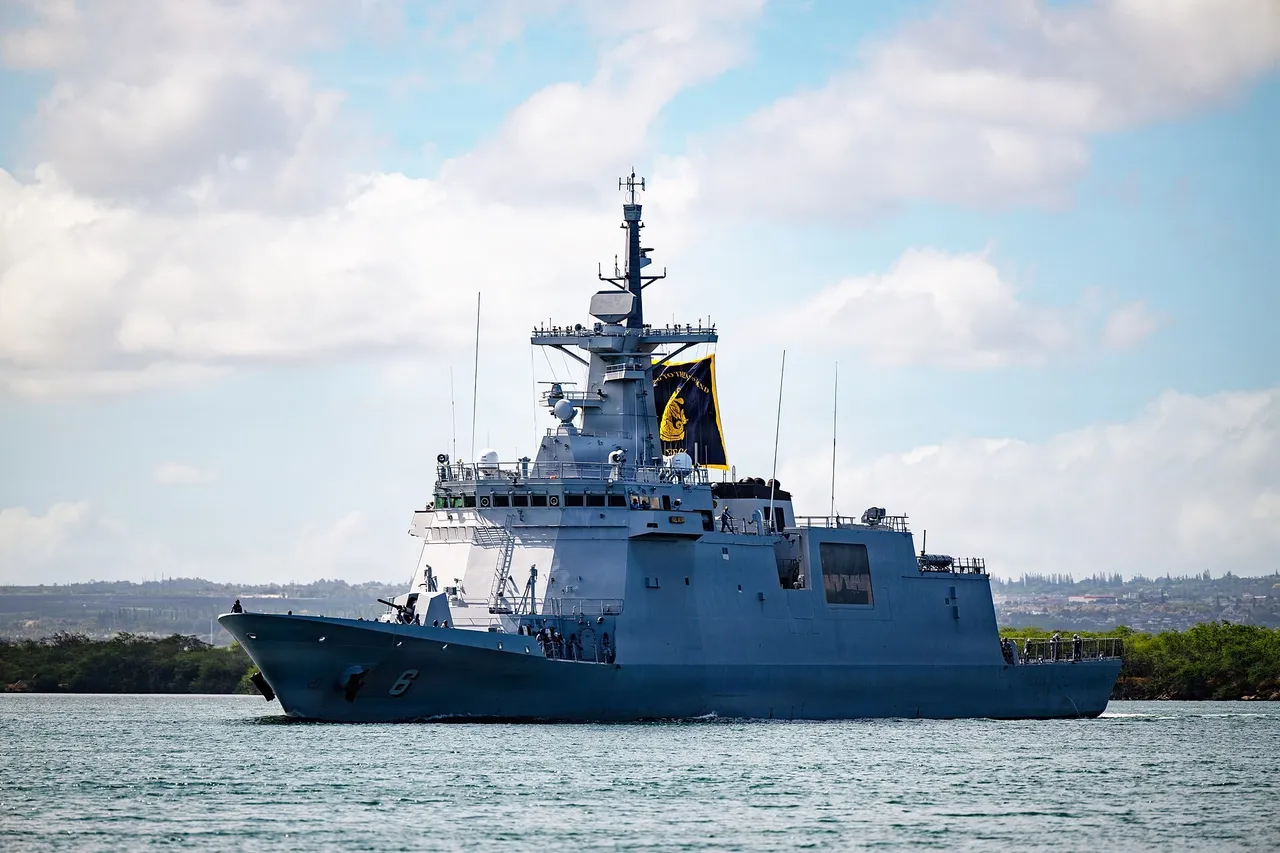
Marcos puts Western Command chief Alan Javier in charge of the Philippine Navy
Vice Admiral Alan Javier, who has spent recent years commanding forces facing the West Philippine Sea, succeeds the retiring Vice Admiral Jose Maria Ambrosio Ezpeleta.
TaiwanDefence · 5h ago · 2 min read
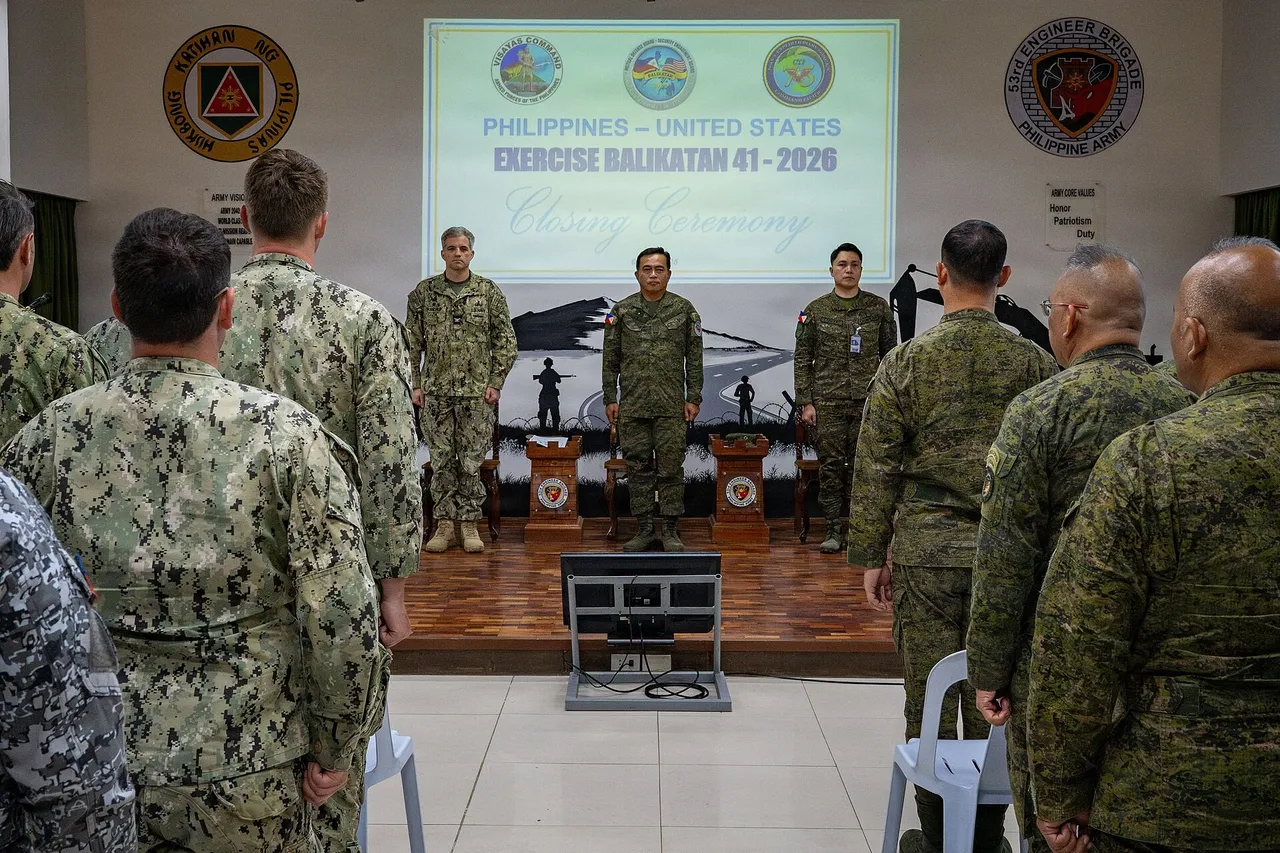
Philippine defence chief plans to turn the Visayas Command into a central military logistics hub
Gilberto Teodoro says the command's Cebu bases will supply territorial defence, internal security and disaster missions across the central and southern islands.
TaiwanDefence · 11h ago · 2 min read
Discussion (0)
Comments are not currently available.