
South Korea's army has kept its Apache attack helicopters grounded since early October
The army says a US safety advisory on the AH-64E transmission halted flights of its 36 Apaches, with phased inspections under way and no date for a full return.
TAIPEI —
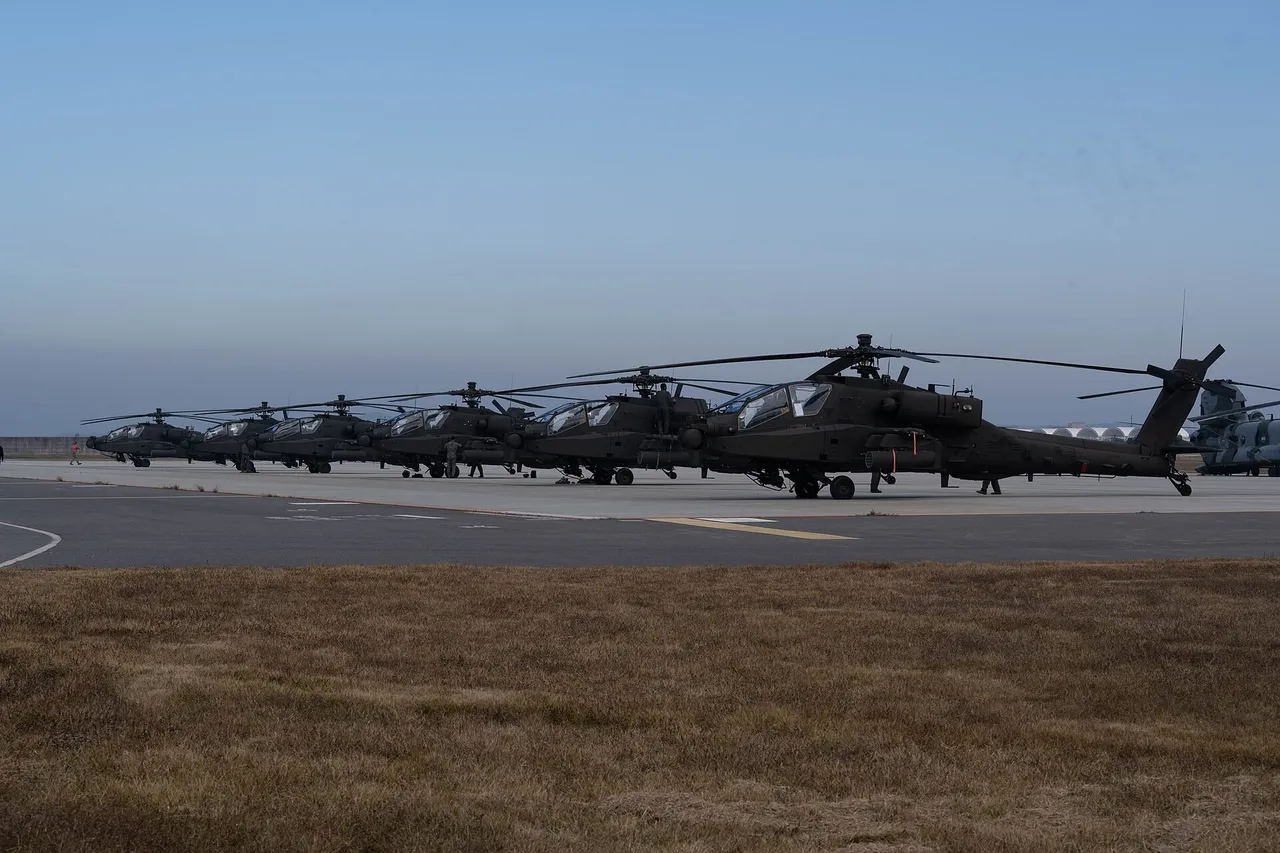
South Korea's army has kept its AH-64E Apache attack helicopters on the ground since early October after receiving a flight safety advisory from the US military about the aircraft's transmission. Army spokesperson Bae Seok-jin disclosed the pause at the defence ministry's regular briefing on Tuesday 10 November, more than a month after it began.
According to Bae, the army stopped flights temporarily as a safety measure and is carrying out technical inspections in phases. He said the helicopters will return to the air one after another depending on what those inspections find. No date was given for the whole fleet to fly again.
Bae said the pause has not hurt the army's emergency standby or operational posture. He explained that the US advisory includes a recommendation allowing essential use of the type, so the Apaches can still be launched in a contingency even though routine training flights are suspended. Yonhap reported that the advisory permits exceptions for combat operations and civil disasters.
The army operates 36 Boeing-built AH-64Es, its newest attack helicopter. In wartime their tasks include destroying North Korean tanks along the military demarcation line and hovercraft trying to infiltrate the islands off the north-west coast, which makes them one of the army's main airborne anti-armour weapons.
The grounding traces back to the US Army. On 2 October it ordered an immediate, temporary halt to flights of AH-64Es fitted with improved drive system transmissions until inspections and corrective work were finished. Herald Business said about 400 of the service's roughly 700 Apaches were affected and that the pause was expected to last months. An internal army finding reported earlier this year said some of those transmissions can fail inside, cutting drive to the accessory gearbox and possibly causing loss of tail rotor thrust, electrical power and hydraulics.
The type has had a difficult year. In August an Apache crashed near Fort Hood in Texas, killing two US soldiers, and in June another went down while patrolling near the Strait of Hormuz for reasons that have not been made public. The US side is reported to have sent its inspection advisory to every country that flies the Apache.
Taiwan is among them. Its defence minister, Wellington Koo, told the Legislative Yuan on 29 October that flights had been halted after a US technical notice, with AH-1W Cobra attack helicopters and OH-58D Kiowa scout helicopters covering Apache missions during the checks. Taiwan was reported to have stopped 29 of its 30 AH-64Es.
Getting the Korean fleet back may take time. Boeing technicians are visiting South Korea this month to examine the army's Apaches, according to Herald Business and Asia Kyungje, which both said flights look unlikely to resume soon.
Asia Kyungje, which first reported the month-long stoppage, said a separate problem will remain after the transmission checks. It reported that the Apache's mission processor has gone out of production, that overseas repair usually takes about nine months, and that Army Aviation Operations Command holds 30 faulty units it has no way to fix. The paper said the command receives two repaired processors a month while two more break, and that a Korean upgrade project was effectively shelved, even though the US Army is upgrading and replacing its own processors.
The case shows how a fault in a shared US-made fleet can ground the attack helicopters of several Indo-Pacific partners at the same time, leaving their return to flight dependent on American inspection results and Boeing support.
Sources
More in Indo-Pacific
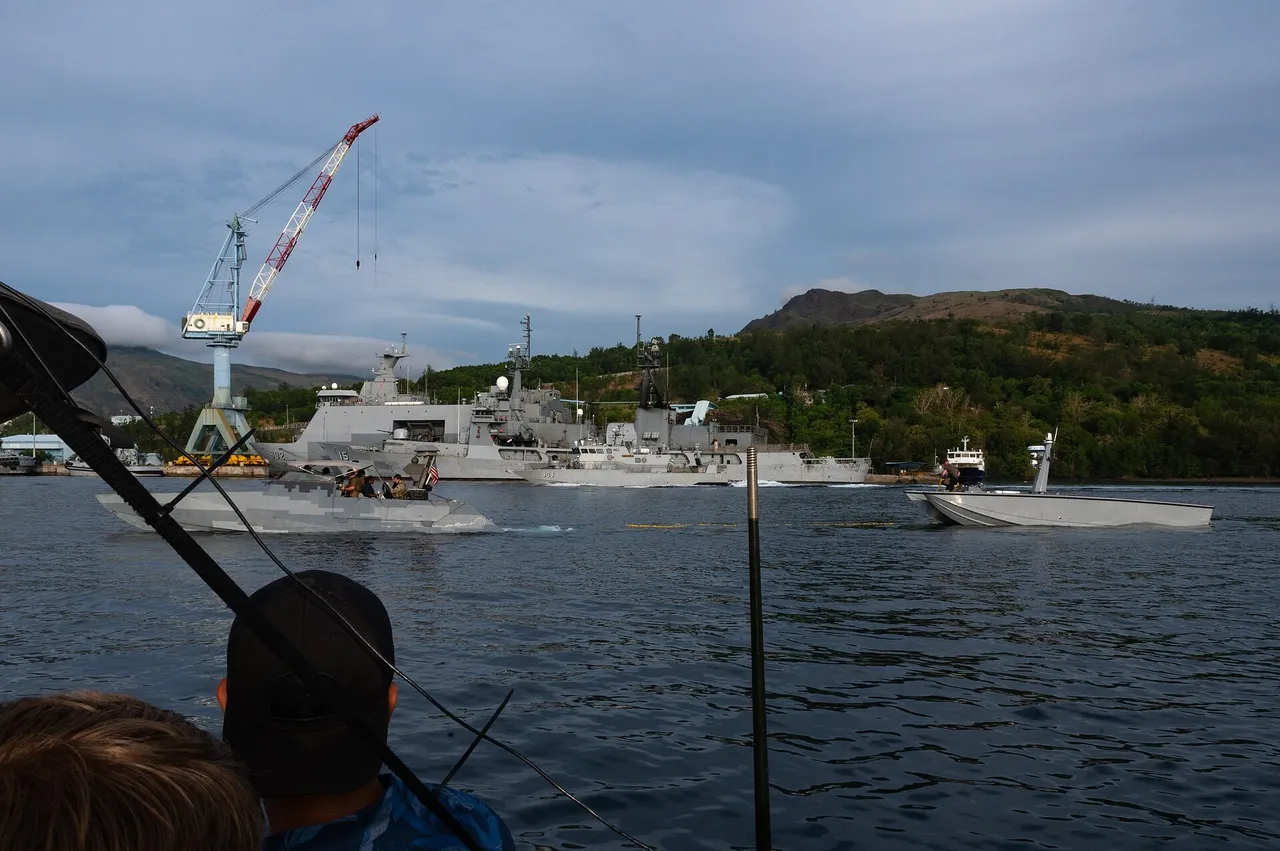
US hands Philippine Marines two Devil Ray drone boats worth more than $8 million
The US Embassy says the two uncrewed T38 surface vessels will let the Philippine military watch wider stretches of its waters for longer and at lower cost.
TaiwanDefence · 41m ago · 2 min read
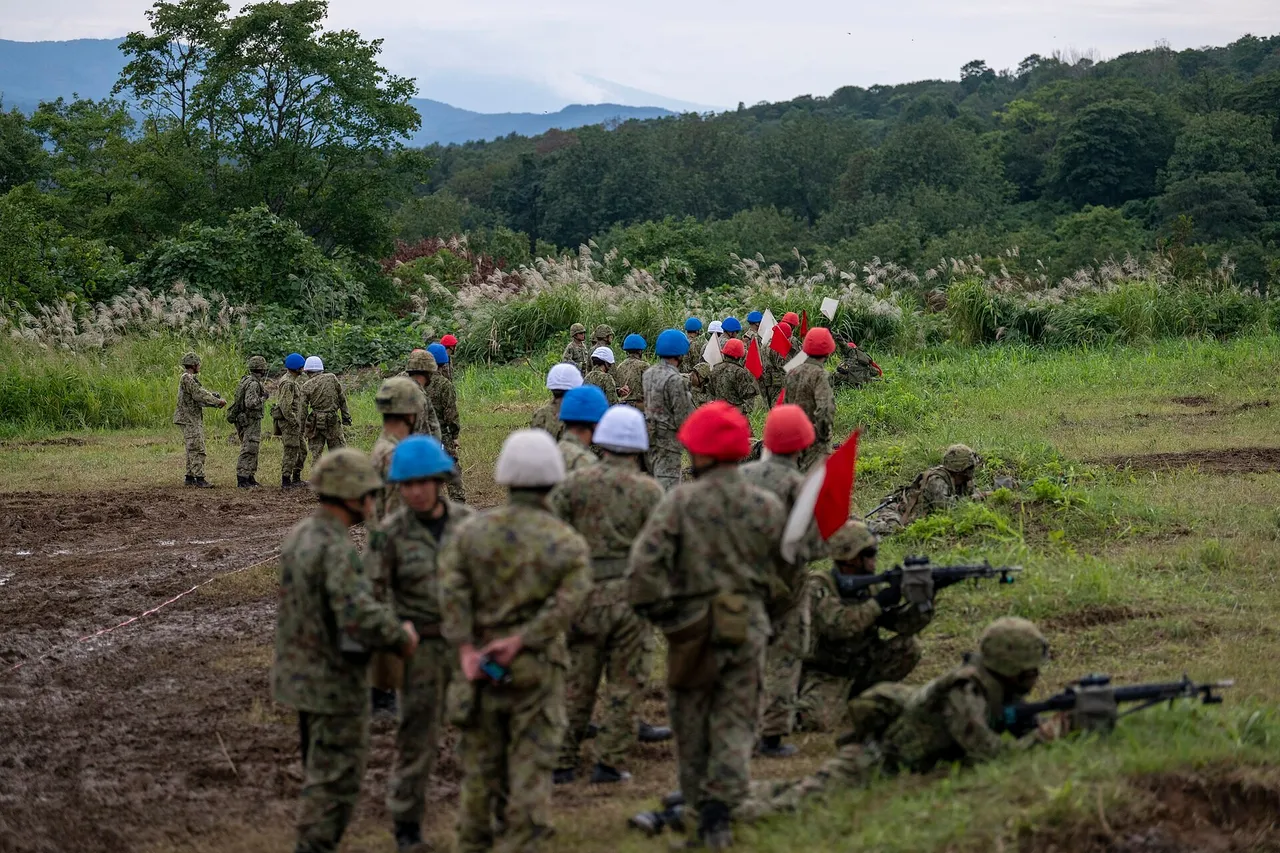
Japanese lawmakers urge letting SDF members work to 65 as early retirement and recruiting gaps bite
A cross-party caucus led by former defence minister Gen Nakatani wants retiring SDF personnel guaranteed public-service jobs to 65 and a new support agency.
TaiwanDefence · 1h ago · 2 min read
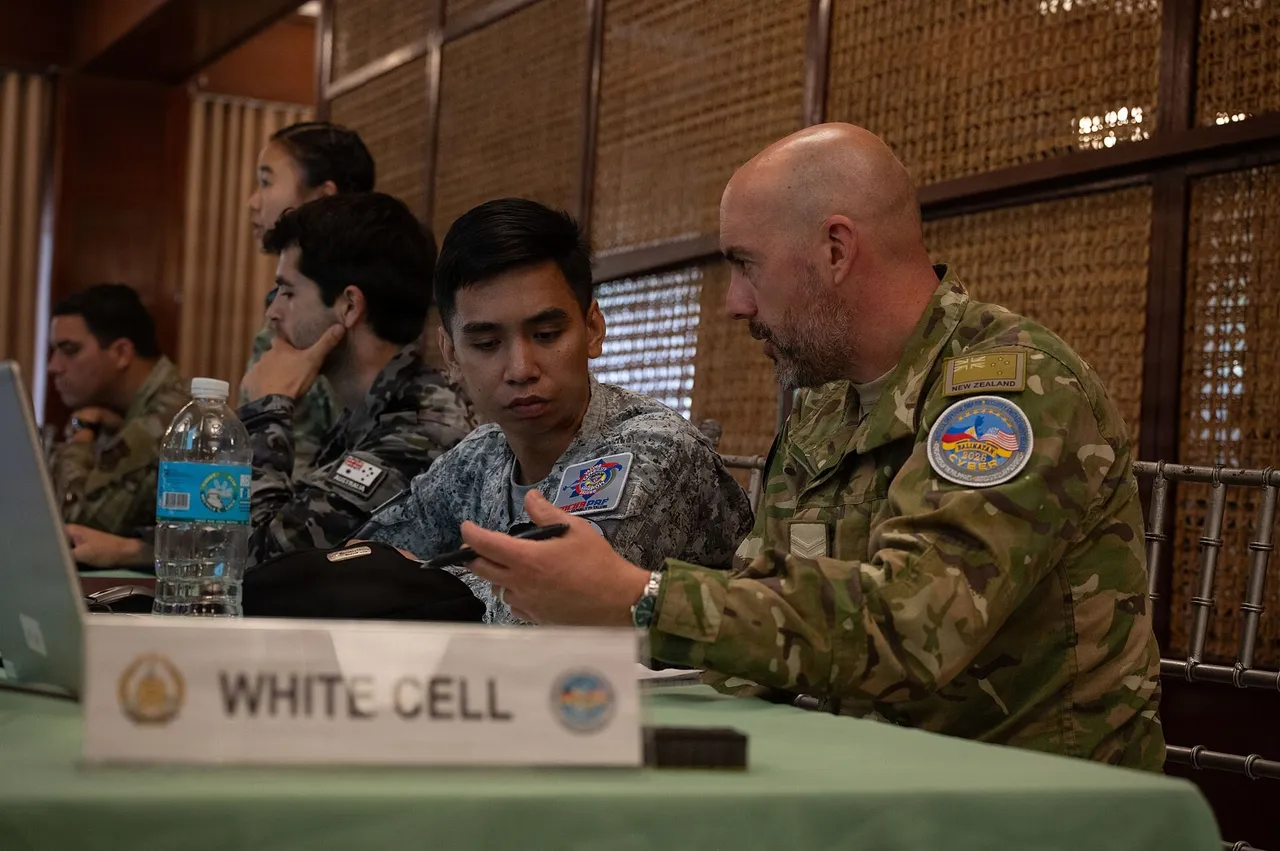
Philippine military investigates claimed hack of air force personnel records
The AFP says it has not confirmed any breach after a dark web post claimed files from a Philippine Air Force personnel system were stolen.
TaiwanDefence · 4h ago · 3 min read
Discussion (0)
Comments are not currently available.