
South Korea's defence committee chief says the US still backs a conditions-based OPCON handover
After meeting US Indo-Pacific Command leaders in Hawaii, Jin Sung-joon said Washington flagged possible policy factors but no change to the agreed conditions.
TAIPEI —
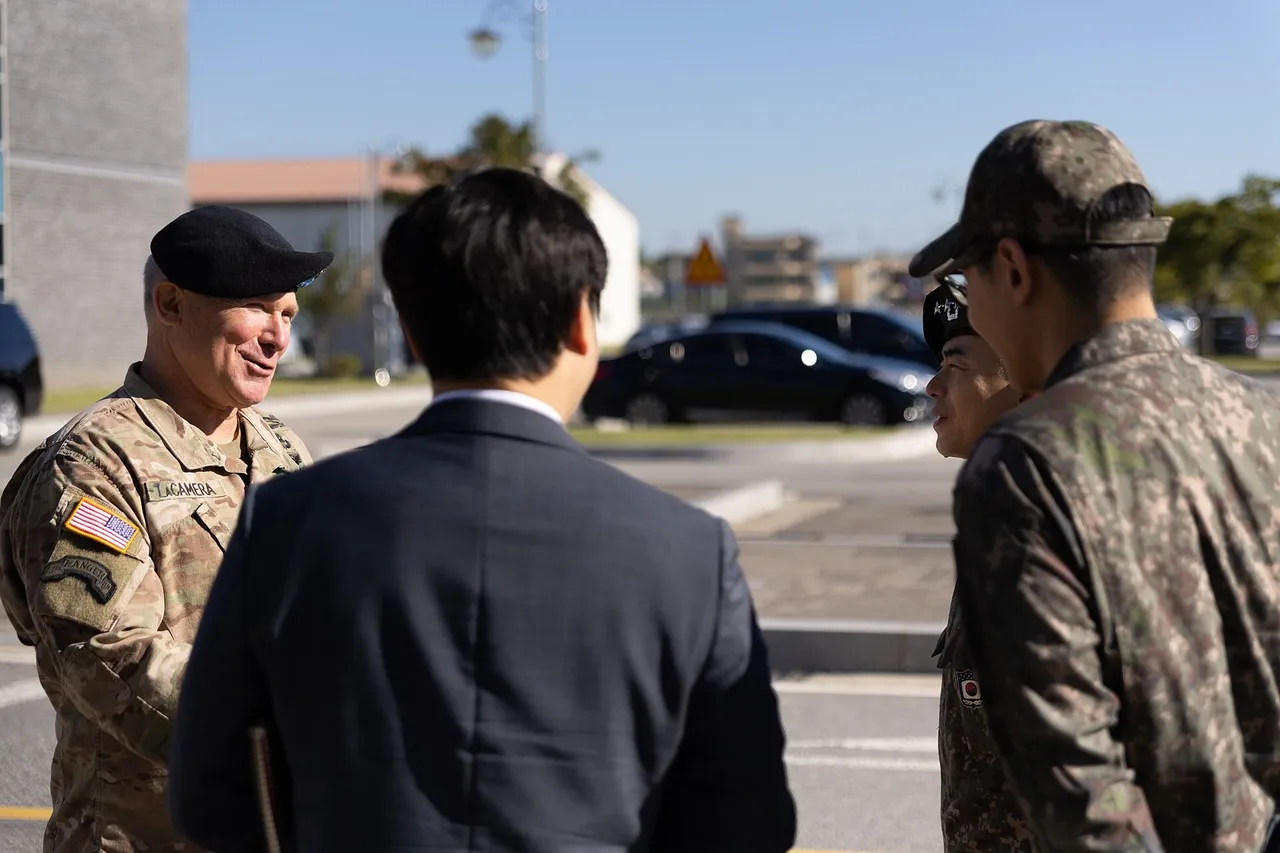
Jin Sung-joon, who chairs the South Korean National Assembly's National Defense Committee, said on Sunday 8 November that US officials had confirmed that the conditions for handing wartime operational control of South Korean forces to Seoul remain unchanged. He spoke at a briefing in the National Assembly after leading a cross-party delegation to US Indo-Pacific Command and its component commands in Hawaii from 1 to 5 November.
According to Jin, the delegation told its hosts that Seoul strongly wants the transfer to go ahead. He said the US side accepted that some policy-related factors could come into play, but reaffirmed the existing bilateral agreement that the handover will take place once the agreed conditions are met, and said those conditions had not changed so far. Asked about the Democratic Party's gains in the US midterm elections, Jin said he expected no significant effect, because the two allies have negotiated the issue for more than 20 years.
Wartime operational control, often shortened to OPCON, is the authority to command South Korean forces in a conflict. South Korea gave it to the US-led United Nations Command during the 1950-53 Korean War, and it passed to the South Korea-US Combined Forces Command when that command was created in 1978. Seoul took back peacetime control in 1994, but wartime control still sits with the US-led combined structure. President Lee Jae Myung's government wants to regain it before his term ends in 2030, or sooner.
Jin also relayed the US explanation for postponing the annual Security Consultative Meeting between the two defence chiefs, which had been expected this month and has slipped into next year. He said US officials told the delegation the delay reflected the schedules of the defence ministers and senior commanders, and had nothing to do with any disagreement over the OPCON transfer.
On the wider security picture, Jin said US officials judged the Korean Peninsula to be relatively stable despite a string of North Korean moves along the border, including the demolition of inter-Korean road links and the fortification of areas along the Military Demarcation Line. He said they also stressed that readiness must be maintained because of the North's growing nuclear and missile capabilities and the risk of sudden policy shifts in Pyongyang.
Jin said Admiral Samuel Paparo, the head of Indo-Pacific Command, described South Korea as an exemplary and trustworthy ally and pledged to keep strengthening the combined defence posture. He added that General Kevin Schneider, commander of Pacific Air Forces, called the proposed relocation of Gwangju Air Base a sovereign South Korean decision, with the US military's role limited to reviewing and advising on any military threat factors the move might raise.
The visit nearly did not happen. Herald Business reported that Jin was told on 28 October that his US visa had been denied, before he was issued an official courtesy visa after South Korean diplomats asked for help. The delegation also included Democratic Party lawmaker Kim Byung-joo, People Power Party lawmaker Im Jong-deuk and Reform Party lawmaker Cheon Ha-ram.
NK News noted that the remarks come amid questions over Seoul's readiness to lead allied defences against North Korea. Separately, the Hankyoreh reported that Joseph Yun, a former US special representative for North Korea policy, told Voice of America's Korean service that the OPCON transfer and South Korea's nuclear-powered submarine plan could stall during the remaining two years of President Donald Trump's term unless one side provides momentum. He noted that the transfer still requires the two militaries to assess South Korean operational capabilities.
Jin's account leaves the pace of the handover unresolved. The agreed conditions stand, but the next formal ministerial venue for the issue has moved into next year, while Seoul's stated goal is to complete the transfer before 2030.
Sources
More in Indo-Pacific
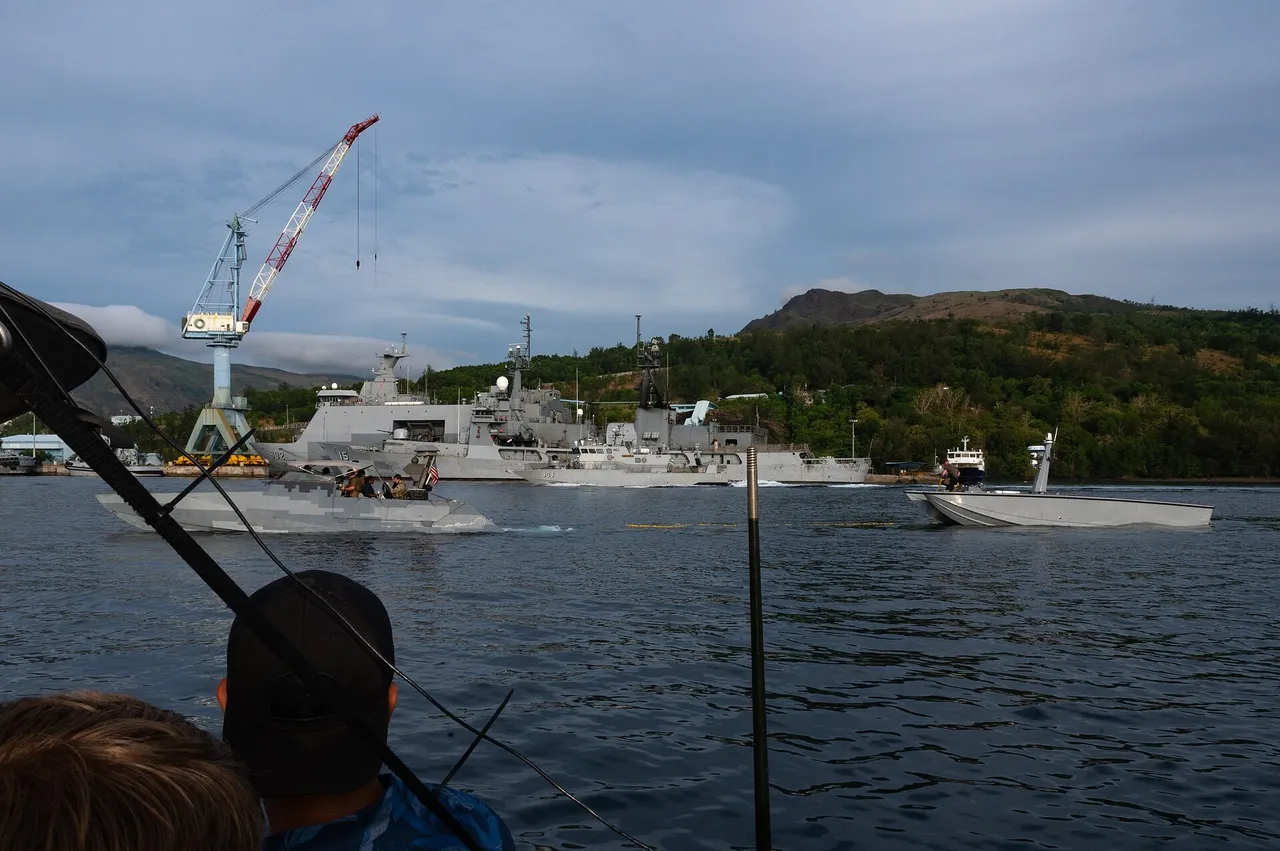
US hands Philippine Marines two Devil Ray drone boats worth more than $8 million
The US Embassy says the two uncrewed T38 surface vessels will let the Philippine military watch wider stretches of its waters for longer and at lower cost.
TaiwanDefence · 41m ago · 2 min read
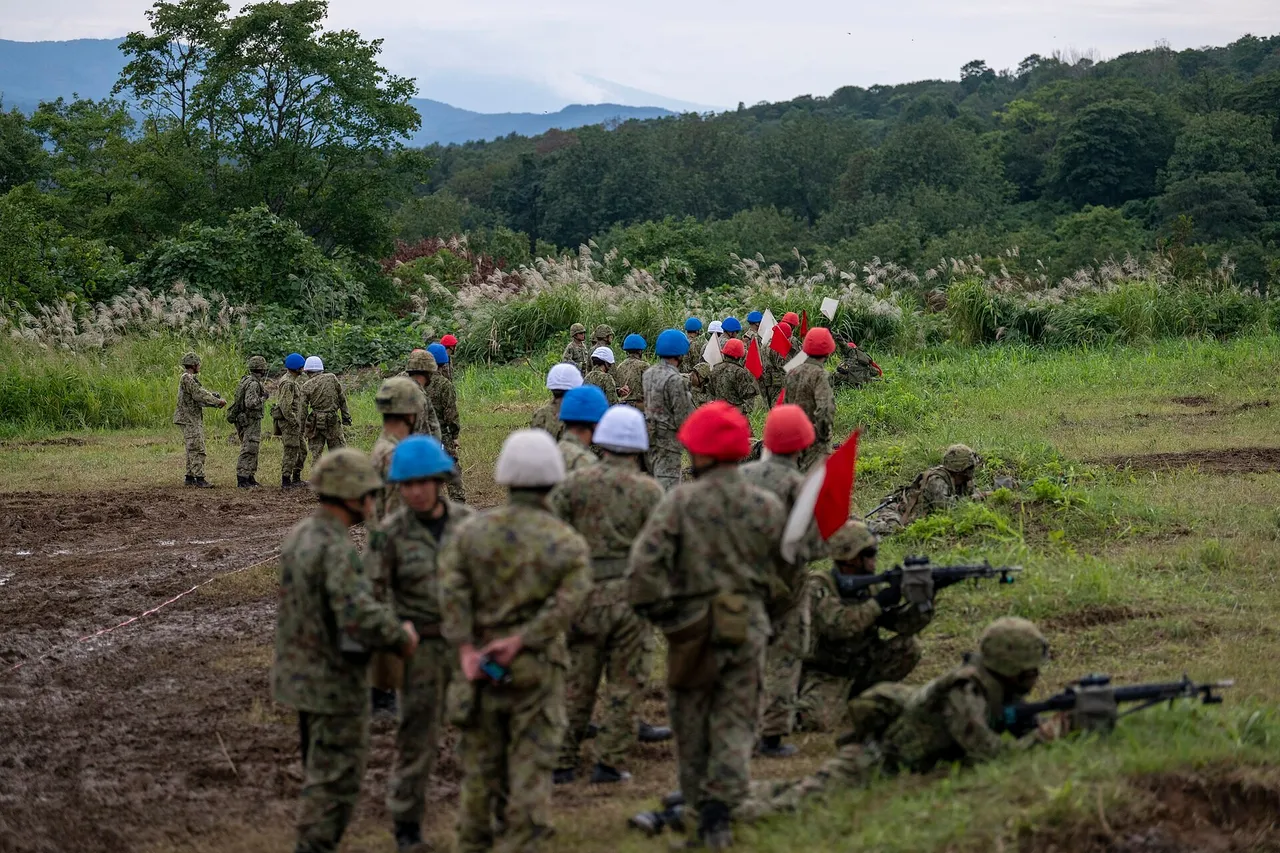
Japanese lawmakers urge letting SDF members work to 65 as early retirement and recruiting gaps bite
A cross-party caucus led by former defence minister Gen Nakatani wants retiring SDF personnel guaranteed public-service jobs to 65 and a new support agency.
TaiwanDefence · 1h ago · 2 min read
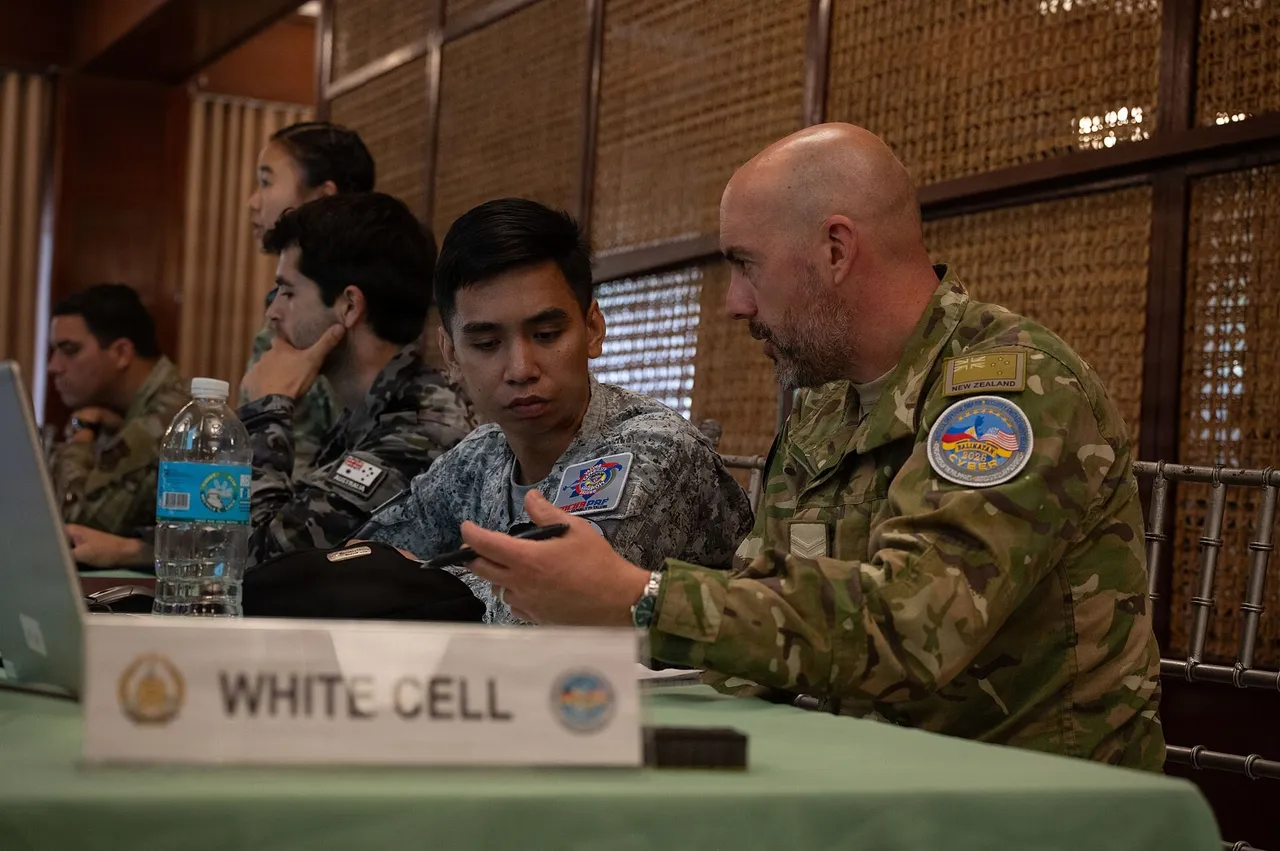
Philippine military investigates claimed hack of air force personnel records
The AFP says it has not confirmed any breach after a dark web post claimed files from a Philippine Air Force personnel system were stolen.
TaiwanDefence · 4h ago · 3 min read
Discussion (0)
Comments are not currently available.