
Taiwan plans to let 72 senior air force pilots fly until 58 to stem departures to airlines
Taiwan's defence ministry wants veteran lieutenant colonels and colonels to stay in uniform until 58 as airline hiring drains its cockpits.
TAIPEI —
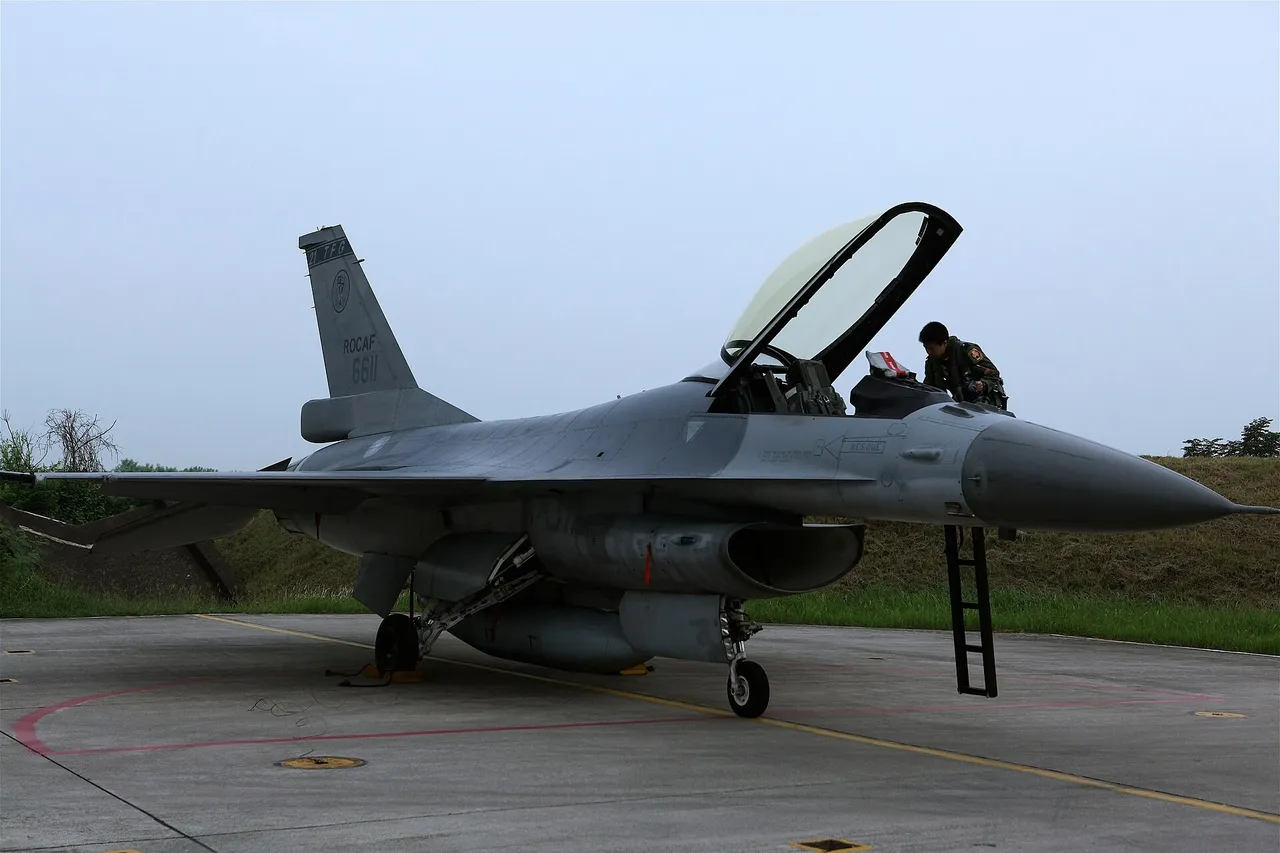
Taiwan's Ministry of National Defense wants to keep its most experienced fighter pilots in the cockpit for up to a decade longer, offering mid-career lieutenant colonels and colonels the option to stay in uniform until age 58 rather than leave for better-paid airline jobs.
The plan, which the ministry calls a scheme for dedicated air force flying officers, was set out in a written report delivered to the Legislative Yuan on Monday morning, 12 October 2026, ahead of a session of the Foreign Affairs and National Defense Committee at which Defence Minister Wellington Koo was asked to brief lawmakers on pilot departures, replacement and retention. The ministry said it had already submitted the scheme to the Executive Yuan, Taiwan's cabinet, for review on 4 September.
Who would qualify
Under the proposal, the air force would create extra posts outside its normal establishment for 72 lieutenant colonels and colonels, described by the ministry as the most mature combat power in its flying units. Officers with at least 14 years of service and high qualifications could keep their current rank and, if they choose, serve until 58. They would no longer be bound by the existing caps of 26 years of service for a lieutenant colonel and 30 years for a colonel.
The retained pilots would keep receiving the continued-service bonus paid to flying officers and an enhanced aircrew allowance, and would be posted to combat squadrons and special-mission and VIP aircraft units to carry on readiness and training duties. The ministry said it has asked the cabinet to amend the tables that set both payments so the retention scheme has a legal and financial basis.
Why pilots are leaving
The report said the air force still fills 87.8 percent of its authorised flying posts, a figure it described as high, and noted that its establishment had already been enlarged to absorb new fighters. But every pilot who has left so far in 2026 had completed the minimum legal term without reaching the maximum for their rank, the ministry said.
It gave two reasons. Under current rules a lieutenant colonel must retire after about 26 years, at roughly 48, and a colonel after 30 years, at about 52, and flight pay stops on retirement. Civilian airline pilots can keep flying until 65, so pilots who switch early can extend their flying careers. Airlines have also been hiring heavily since the end of the pandemic as travel recovered and new aircraft deliveries peaked, offering generous pay, a challenge the ministry said air forces around the world face.
Recruiting is holding up
On the supply side, the ministry said pilot cadet intake remains enough to meet training needs. The air force recruited 96.2 percent of its target for flight cadet classes in 2024, 112 percent in 2025 and 98.6 percent in 2026, drawing mainly on military academy graduates and a regular officer flying course. It added that it had been training extra F-16 pilots since 2021 to prepare for new F-16 deliveries.
The proposal targets the experience gap rather than numbers. Senior lieutenant colonels and colonels serve as flight leads, instructors and squadron commanders, and those roles cannot be filled quickly by new graduates. Whether the cabinet approves the scheme, and whether enough eligible pilots take up the offer, will decide how much it eases that gap as the air force brings new fighters into service.
Sources
More in Air Force
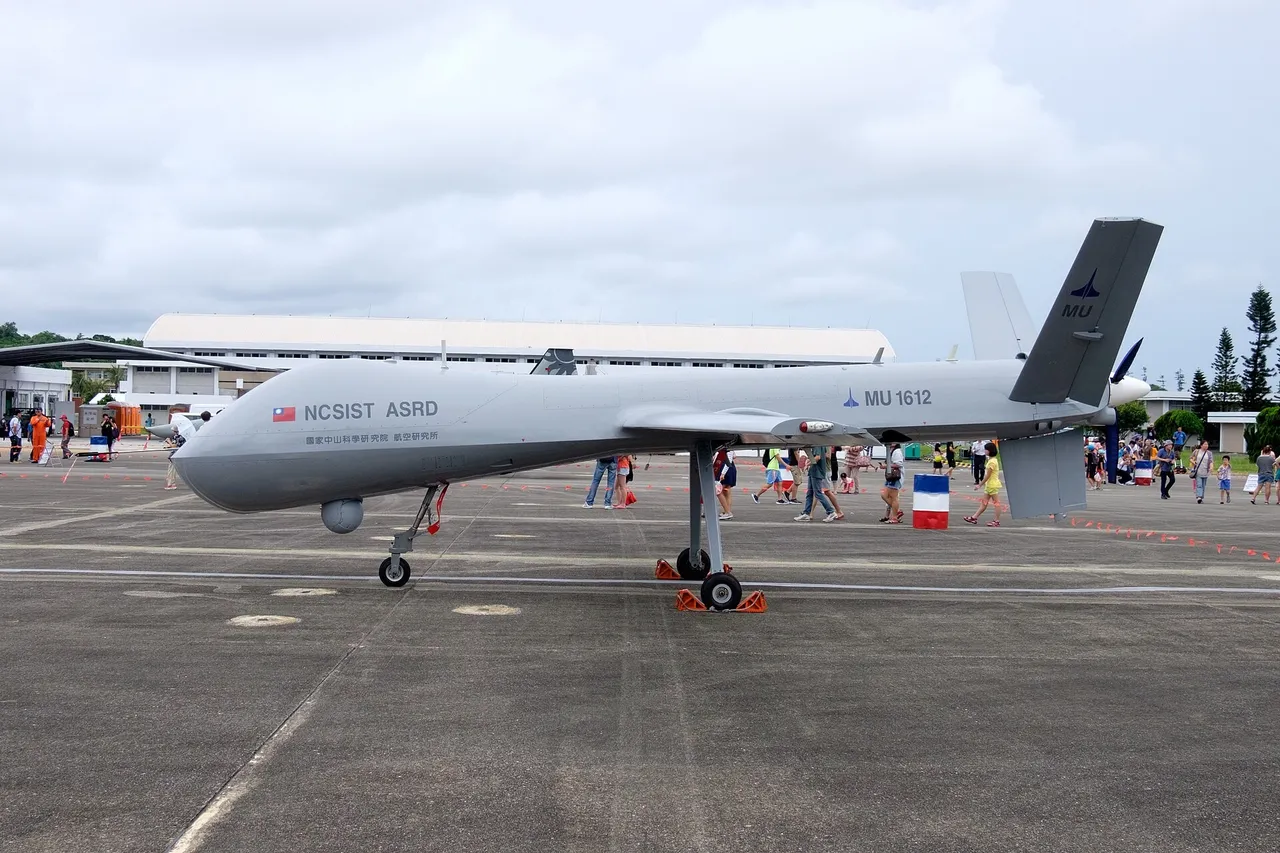
Taiwan's Teng Yun military drone appears to draw a Double Ten over the mountains on National Day
Flight-tracking data show the NCSIST long-endurance drone making sharp turns over the Central Mountain Range on 10 October, though its mission is unconfirmed.
TaiwanDefence · 1d ago · 2 min read
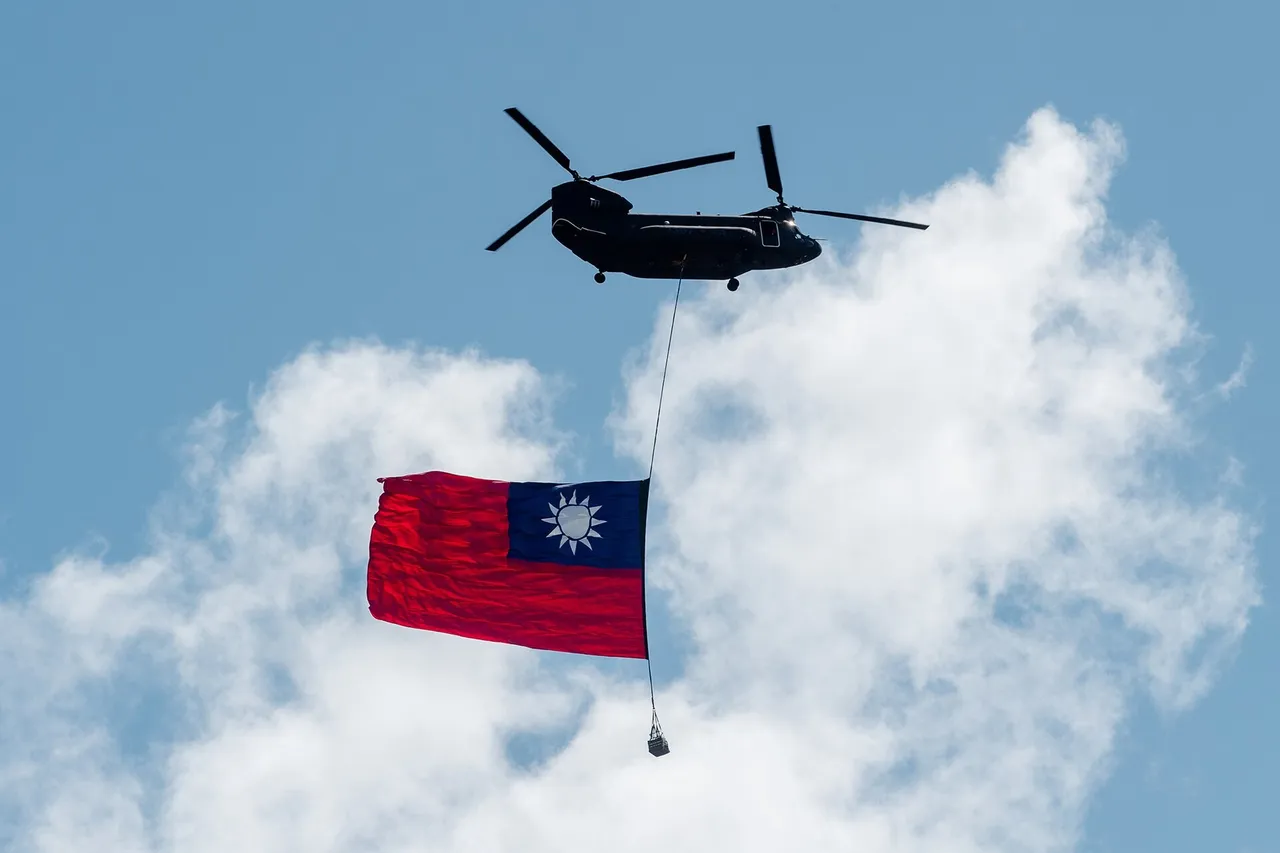
Taiwan's National Day air parade sends 15 fighters and 12 helicopters over the Presidential Office
Mirage 2000, IDF and F-16V jets crossed Taipei in goose formations, and Thunder Tiger trainers closed the military display trailing national-flag smoke.
TaiwanDefence · 1d ago · 3 min read
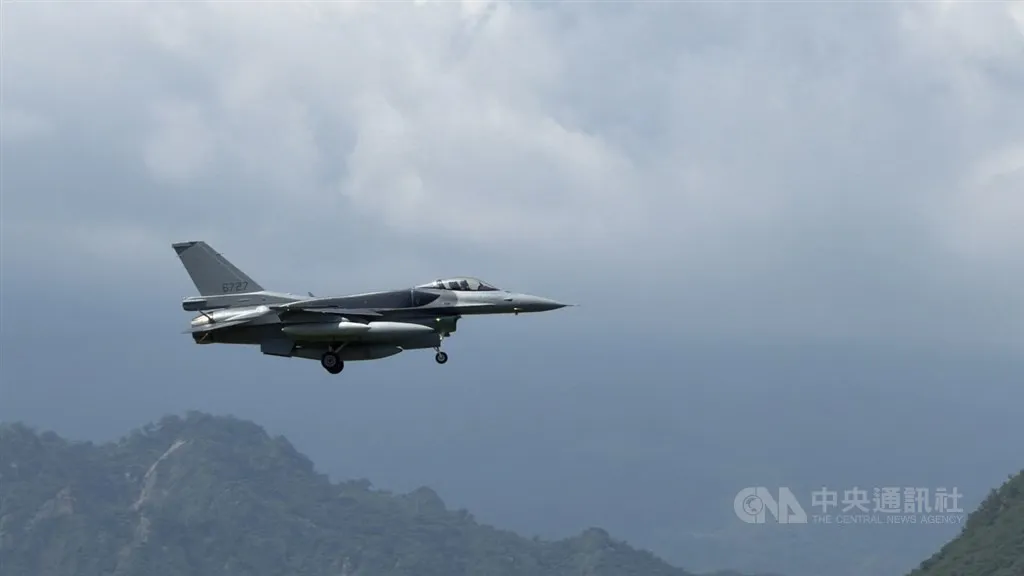
Koo says more F-16Vs due this year, denies EW ballast-weight claim
At the Legislative Yuan, Defence Minister Wellington Koo said more than two Block 70 jets will arrive in 2026 and that electronic-warfare suites are in active software-hardware integration, not replaced by ballast.
TaiwanDefence · 3 Oct 2026 · 2 min read
Discussion (0)
Comments are not currently available.