
Taiwan's military seeks 462 AMRAAM-ER surface-to-air missiles for NASAMS against China
Taiwan wants 462 AMRAAM-ER missiles for 12 NASAMS sets to face Chinese air threats; 123 come first and the rest still await a US announcement.
TAIPEI —
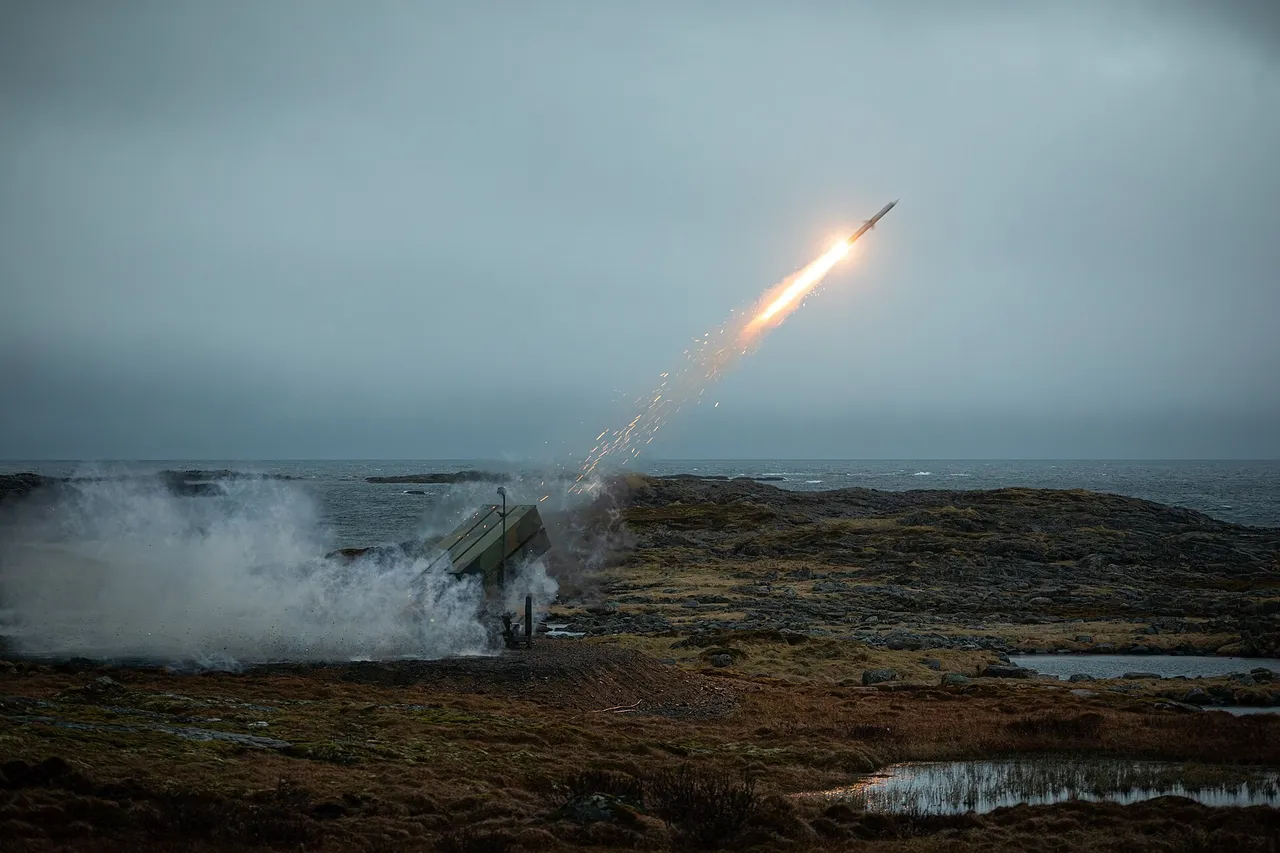
Taiwan's military hopes to buy 462 AMRAAM-ER extended-range surface-to-air missiles for the National Advanced Surface-to-Air Missile System (NASAMS) it is acquiring from the United States through foreign military sales, the Liberty Times reported on 15 October 2026, as Taipei builds layered defences against air threats from China. The paper said the programme now covers 12 NASAMS sets with their full load of munitions, with 123 missiles in a first phase and the size of a second phase still waiting on a US announcement.
The first phase is already in its delivery period, the paper said. Taiwan signed a contract worth about NT$24.9 billion in February 2025 for three NASAMS units, due to be acquired within six years, after Washington approved a US$1.16 billion sale in October 2024 that included the 123 AMRAAM-ER rounds.
Only three of the 12 sets are under contract so far, so most of the planned stock rests on a second phase that Washington has yet to announce. A separate US$14 billion Taiwan arms package has been on hold since President Donald Trump met Chinese President Xi Jinping in Beijing in May, Domino Theory reported on 13 October. Trump has called that package a negotiating chip, and Defence Minister Wellington Koo said he had not heard whether Washington would split it into smaller sales.
Military officials said on Thursday that the US Air Force had already awarded Raytheon a contract in April to prepare for larger-scale AMRAAM-ER production, and that the award listed sales to Taiwan. Defence Blog reported at the time that the US$234.8 million deal, signed on 14 April 2026, moves the missile into full-rate production in Tucson, Arizona, through April 2030 and covers Hungary, Kuwait, Lithuania, the Netherlands, Norway and Taiwan.
The extended-range missile has an effective interception range of up to 50 kilometres and a ceiling of about 25 kilometres, roughly half as far again as the AIM-120C-7 that NASAMS used to fire, the Liberty Times said. That is more than three times the reach of the army's ground-launched Sky Sword II and more than ten times that of the Stinger on the Avenger system, and its active radar seeker and datalink let crews engage targets hidden behind hills or buildings.
The 462 figure follows from how the air force plans to field the system. A standard NASAMS set has three six-round launchers, so 12 fully loaded sets would hold 216 missiles ready to fire. The remaining 246 would sit in blast-resistant magazines as war reserve, ready to reload the launchers after a first exchange, while air-defence missile battalions spread launchers around a central command node.
The AMRAAM-ER cannot simply be hung on Taiwan's F-16V fighters. It keeps the seven-inch seeker and warhead of the AIM-120 but uses the ten-inch rocket motor of the RIM-162 Evolved Sea Sparrow, raising its weight from 158 to 279 kilograms, which the jet's LAU-129 rails cannot take. The link works the other way: the standard AIM-120C-7 and C-8 missiles the fighters carry can be loaded into NASAMS launchers if damaged runways keep jets grounded.
NASAMS also brings a combat record. Norway's military said that by February 2025 the system had made about 900 successful intercepts in Ukraine with a 94 per cent hit rate, nearly 60 per cent of them against cruise missiles. Operators usually pair it with guns against small drones so that costly missiles are not spent on cheap targets.
For Taiwan, the reload stock may matter as much as the launchers, since a large salvo of cruise missiles and drones from the People's Liberation Army would aim to drain interceptors early. Whether the full 462 arrive depends first on Washington announcing the second phase while it weighs ties with Beijing, and then on a Raytheon line already shared with five other buyers.
Sources
More in Air Force
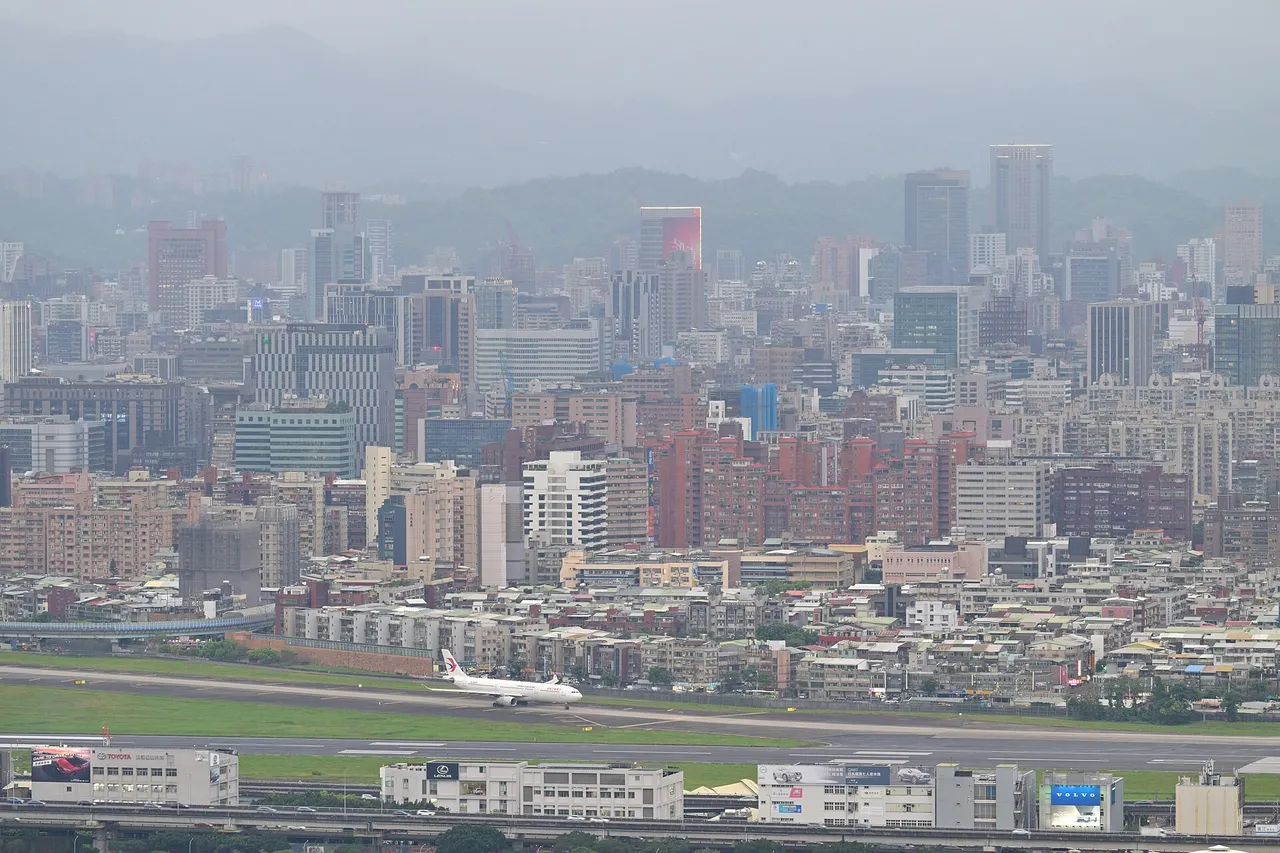
Taiwan's defence ministry tells lawmakers military needs come first in any Songshan or Taichung airport change
A 14 October written report says six civil-military airports form a dispersed, mutually supporting air defence network that any relocation must not break.
TaiwanDefence · 1d ago · 3 min read
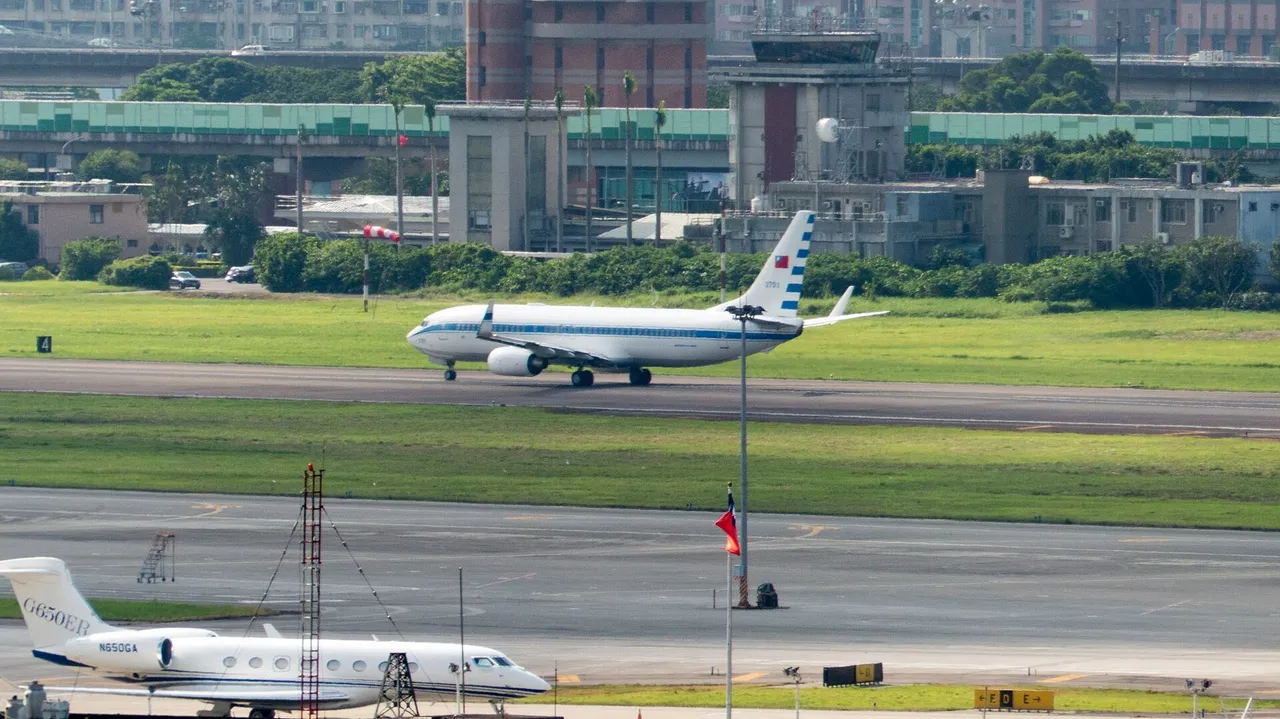
Taiwan's defence minister says any move of Taipei's Songshan airport must not weaken the military
Wellington Koo would not say if he backs the Taipei mayor's plan to turn the civil-military airport into an AI park, but said defences must not suffer.
TaiwanDefence · 2d ago · 2 min read
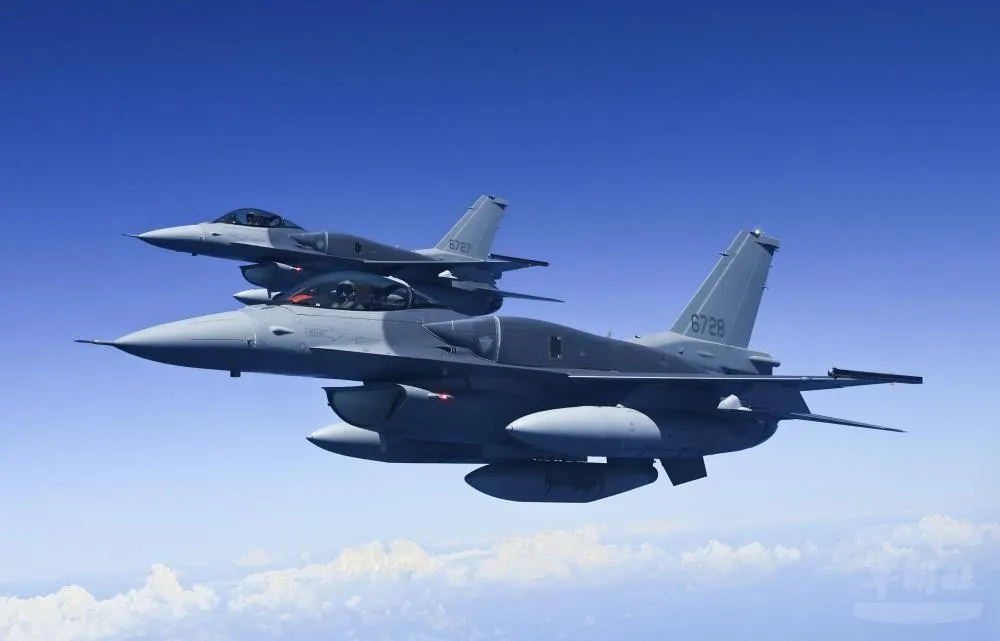
Taiwan says jamming pod software for its new F-16 Block 70 fighters is still in development
Part of the Viper Shield pod hardware is fitted on the first two jets, the air force told lawmakers, as Koo said more Block 70s could arrive this month.
TaiwanDefence · 2d ago · 3 min read
Discussion (0)
Comments are not currently available.