
US Army helicopters based in South Korea fly to Japan for live-fire training for the first time
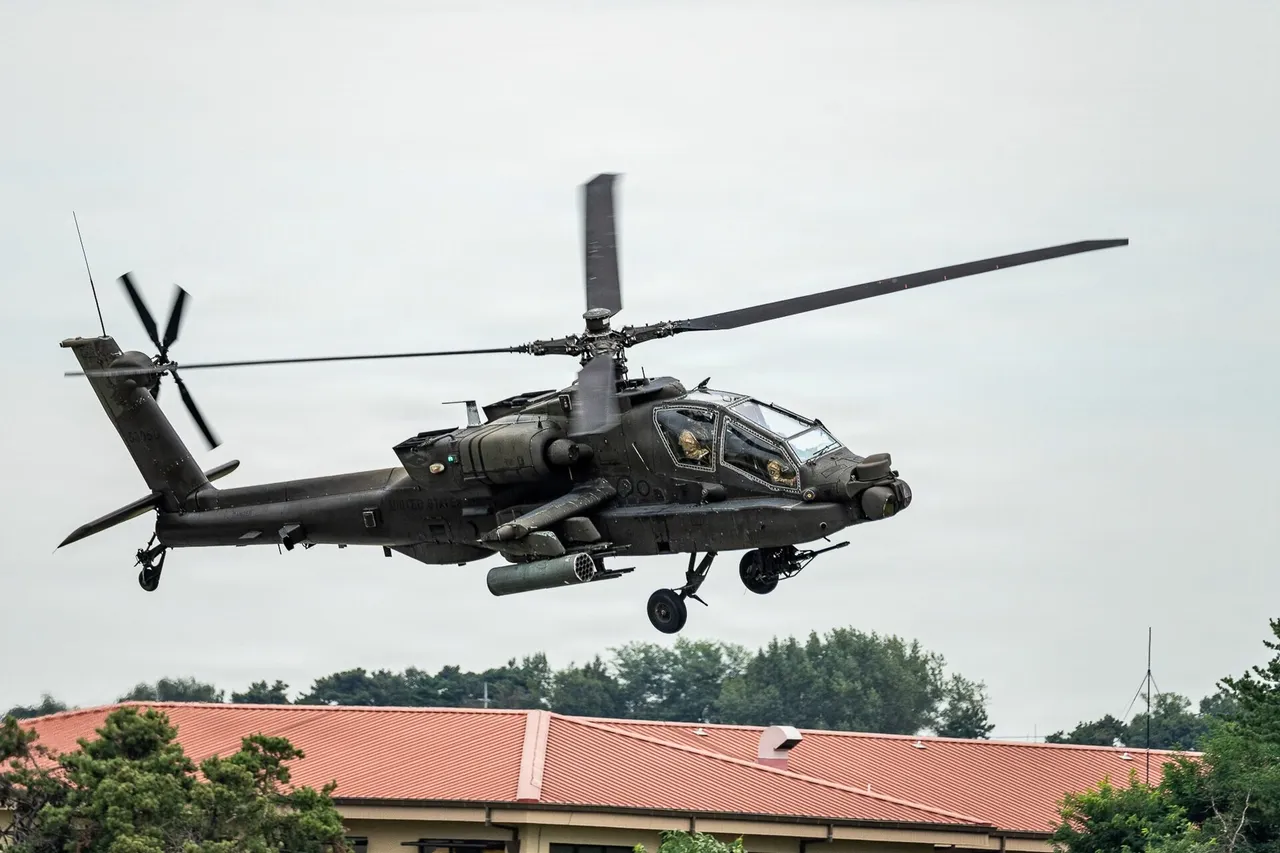
The 2nd Combat Aviation Brigade took Apaches, Black Hawks and Chinooks to Camp Fuji for aerial gunnery, its first live-fire training off the Korean Peninsula.

TAIPEI —
A US Army aviation brigade stationed in South Korea has taken its AH-64E Apache attack helicopters, UH-60 Black Hawks and CH-47 Chinooks to Japan for live-fire aerial gunnery at the Combined Arms Training Center at Camp Fuji, the 2nd Infantry Division said on social media on 23 November 2026, Korea time.
The division described the deployment by its 2nd Combat Aviation Brigade as a historic first and said it strengthened the unit's readiness across the Indo-Pacific under its Fight Tonight motto. According to Yonhap, it is the first time US Forces Korea has sent such helicopters off the Korean Peninsula for an exercise.
The division did not say when the training took place or how many aircraft and soldiers were involved, the Korean outlet Newspim reported. It said crews, maintenance teams and support personnel all deployed away from their home station, giving the brigade a chance to keep aircraft flying and sustain operations in an unfamiliar location.
A Marine Corps range below Mount Fuji
Camp Fuji's training center is a US Marine Corps facility in Gotemba, Shizuoka Prefecture, on the lower slopes of Mount Fuji. Newspim noted that F/A-18 fighters dropped 12 MK-76 practice bombs there during close air support training in 2021.
The aviation brigade is based at Camp Humphreys in Pyeongtaek, south of Seoul, and is the only US Army combat aviation brigade permanently stationed overseas, according to Newspim. Its helicopters normally fire at the Rodriguez Live Fire Complex in Pocheon, north of Seoul, where one of its battalions trained in October 2025 and a general support aviation battalion fired in May 2026. Moving the aircraft, people and equipment abroad and completing live fire there had not been done before, the outlet said.
Wider role and limits at home
Yonhap said the deployment appeared to reflect Washington's push for strategic flexibility, a concept under which US forces in South Korea could be used for security challenges across the wider Indo-Pacific, including an assertive China, rather than only for defence of the peninsula. Newspim said military observers saw it as a practical test of whether the brigade can deploy on an expeditionary basis to US training areas in Japan.
The move also comes as US units in South Korea struggle to schedule live-fire training at home because of opposition from residents near the ranges, Yonhap reported.
Those limits have a long history. For about six years before October 2024, amid noise complaints from nearby residents, Apache crews could fly over the Rodriguez range, some 16 miles from the border with North Korea, but not fire their weapons there. An agreement signed that month by South Korea's defence ministry, its army and a residents' committee normalised US live-fire training at the range, Stars and Stripes reported at the time.
The brigade's main mission remains the defence of South Korea. The Camp Fuji event is the first time it has carried out its live-fire gunnery on allied territory elsewhere in the region, with its own Chinooks among the aircraft sent to Japan.
Sources
More in Indo-Pacific
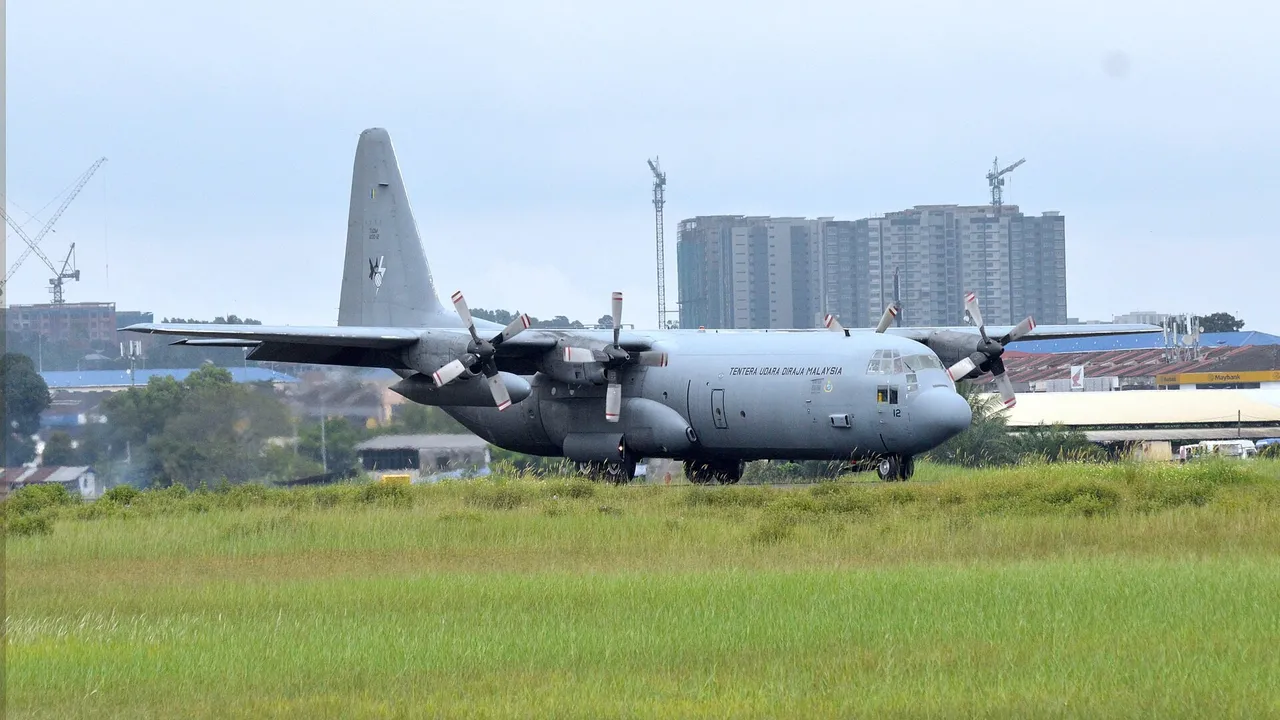
Malaysia orders a review of air base security after drugs were found bound for an air force plane
Defence minister Khaled Nordin says a ministry committee will ask whether a meth ring using air force transport flights is isolated or a wider failure.
TaiwanDefence · 8h ago · 2 min read
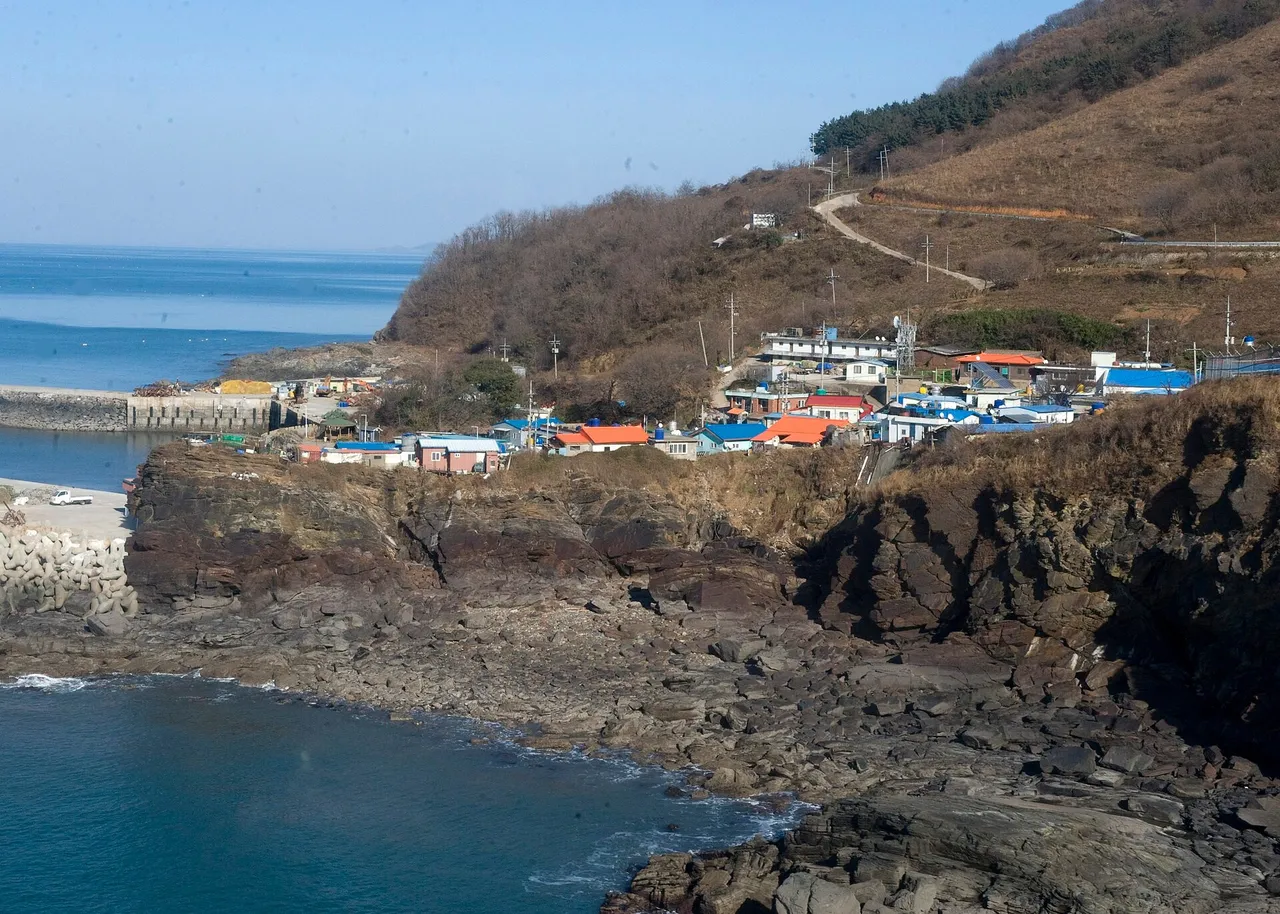
North Korean ship marked coast guard is seen near the Yellow Sea border for the first time
Photos from Yeonpyeong Island show a white, gun-armed vessel north of the NLL watching Chinese fishing boats, as Seoul's military says it is tracking the North.
TaiwanDefence · 10h ago · 2 min read
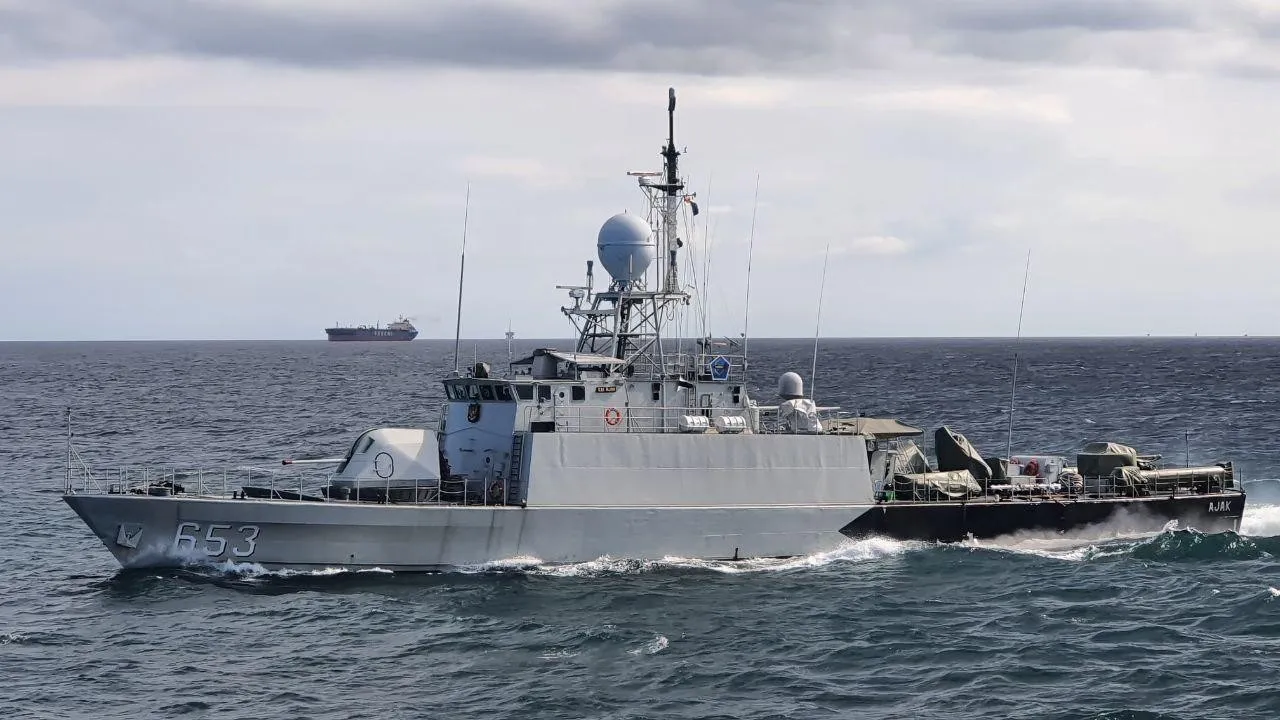
Indonesia's navy seizes a China-to-Bangladesh cargo ship carrying 405 tonnes of rocket propellant chemical
A patrol boat stopped the Comoros-flagged MV Star Line off Belawan with sodium perchlorate that a navy commander said could feed up to 100 missiles.
TaiwanDefence · 12h ago · 2 min read
Discussion (0)
Comments are not currently available.