
About 30 Polish K2 tanks wait for repairs as engine faults draw scrutiny of the Korean design
Poland's defence ministry says the failure rate of its South Korean-built K2 tanks is normal, after a radio investigation found about 30 in workshops.
TAIPEI —
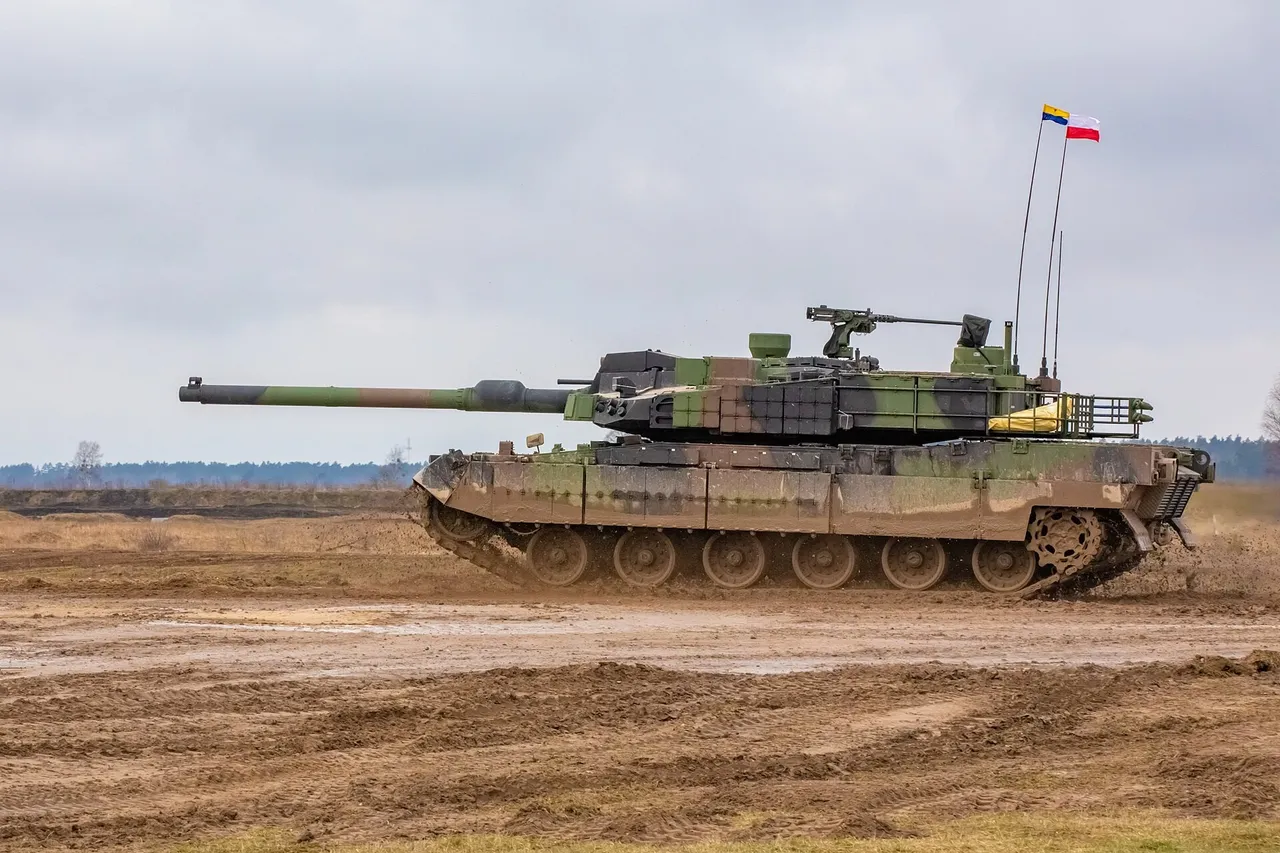
About 30 of the South Korean-built K2 main battle tanks delivered to Poland are standing in military workshops with a range of faults, some of them involving the engine, according to an investigation by the Polish broadcaster Radio ZET that was reported on 24 October by the specialist site Defence Blog. Most of the tanks are at the army base in Braniewo, in north-eastern Poland near the border with Russia's Kaliningrad region, the report said.
Braniewo is home to the 9th Armoured Cavalry Brigade, one of three Polish land forces units equipped with the K2GF, the version Poland bought largely off the shelf from South Korea. The other two are the 15th Mechanised Brigade in Gizycko and the 20th Mechanised Brigade in Bartoszyce, which received the first tanks in 2022. Poland has now taken delivery of more than 200 of the tanks.
Radio ZET journalist Mariusz Gierszewski asked the Polish defence ministry whether roughly one in ten delivered tanks was under repair and how many engine seizures had been recorded. According to Defence Blog, the ministry neither confirmed nor disputed the figures. It said instead that the failure rate of the K2 does not depart from the standards set for this type of vehicle, and that temporary withdrawals from service are normal for every kind of military platform.
The South Korean outlet The Today reported that the ministry had earlier told the Polish business site Forsal that faulty assembly had been identified in some of the 1,500 horsepower DV27K diesel engines during testing and operation of the tanks. The ministry said it had carried out detailed analysis and preventive measures and that the manufacturer, Hyundai Rotem, would run a service campaign to correct the defects, while stating that the problem had not sharply reduced the tanks' operational availability.
Poland's Armament Agency, the military procurement body, gave a similar answer to the Polish defence site Defence24 on 21 October. Its spokesman, Colonel Grzegorz Polak, said the K2GF had the same level of faults as any other new equipment entering service with the armed forces, that the faults were being fixed with the contractor under warranty, and that their frequency did not significantly affect the ability of the units to carry out their tasks.
Concerns about the power pack are not new. Defence Blog noted that the Polish military analyst Jaroslaw Wolski had written earlier this year that the tanks were suffering from overheating and, in some cases, complete engine seizures. The K2, built by Hyundai Rotem, pairs an HD Hyundai Infracore engine with a German Renk HSWL 295 TM transmission. It weighs about 55 tonnes, has a crew of three and carries a 120mm smoothbore gun with an autoloader.
Radio ZET also reported that only Korean technicians could work on the tanks. The ministry narrowed that claim, saying the supplier repairs tanks still under warranty or covered by service campaigns, while Polish army maintenance units take over routine repairs and scheduled servicing once the warranty expires.
The question matters well beyond Braniewo, because Poland's two contracts for the tank cover 360 vehicles in total. The second, signed in August 2025, includes 116 more K2GF tanks and 64 of the upgraded K2PL, most of which are to be built in Poland, together with support vehicles, ammunition and a service package. A South Korean defence industry official told The Today that assembly problems early in a large delivery are routine quality issues that a service campaign can fix, and military analysts cited by the outlet said the backlog reflects Polish maintenance capacity lagging behind the speed of deliveries, a gap that should narrow as power pack overhaul work moves to Polish plants.
Sources
More in Industry
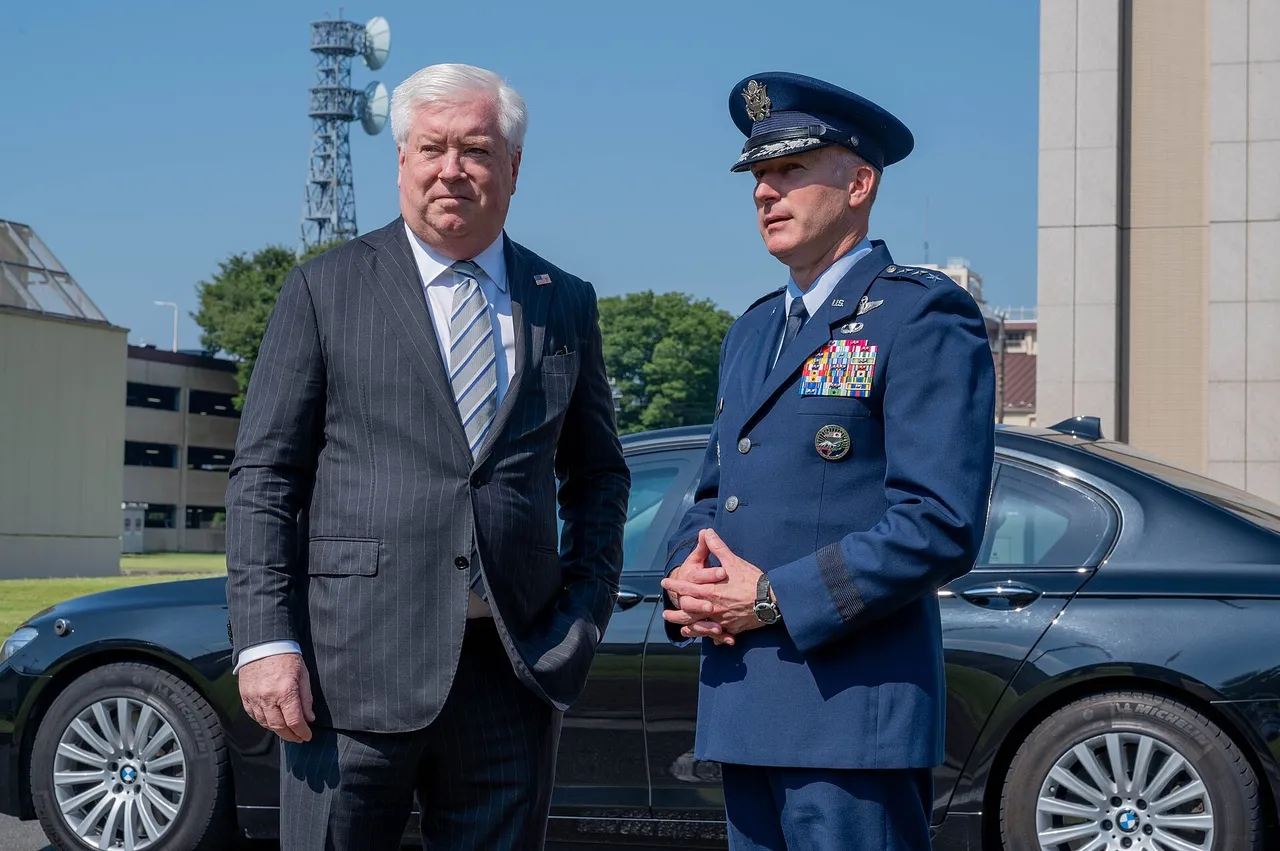
US ambassador wants Japan to become a drone production hub for the alliance
George Glass told a Tokyo forum that US drone know-how and Japanese factories should be combined to strengthen deterrence in the Indo-Pacific.
TaiwanDefence · 3h ago · 2 min read
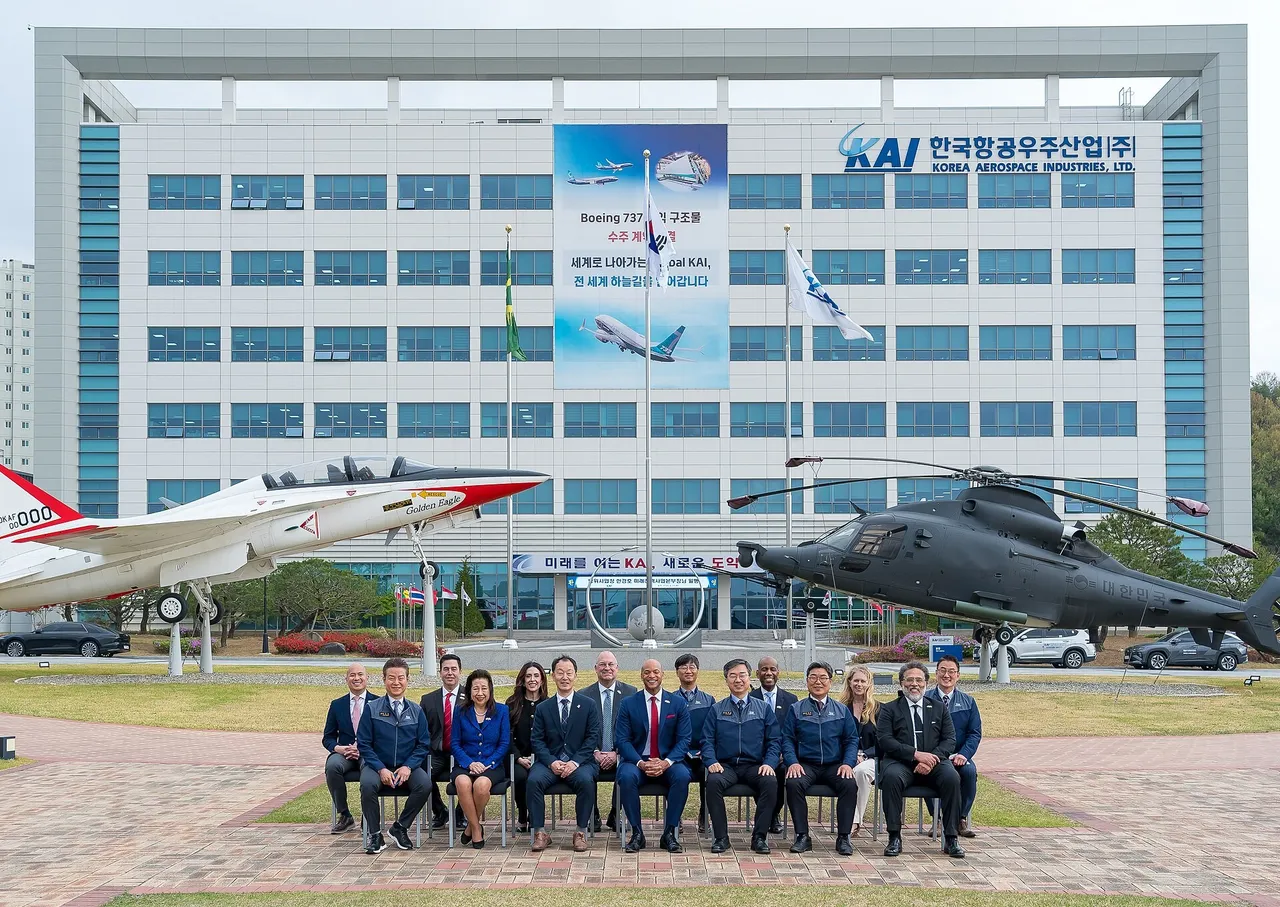
South Korean arms makers tell staff to carry rented phones on trips to China
Defence firms are tightening travel security after China began letting border officials demand travellers' electronic data, as leaks of defence material climb.
TaiwanDefence · 4h ago · 3 min read
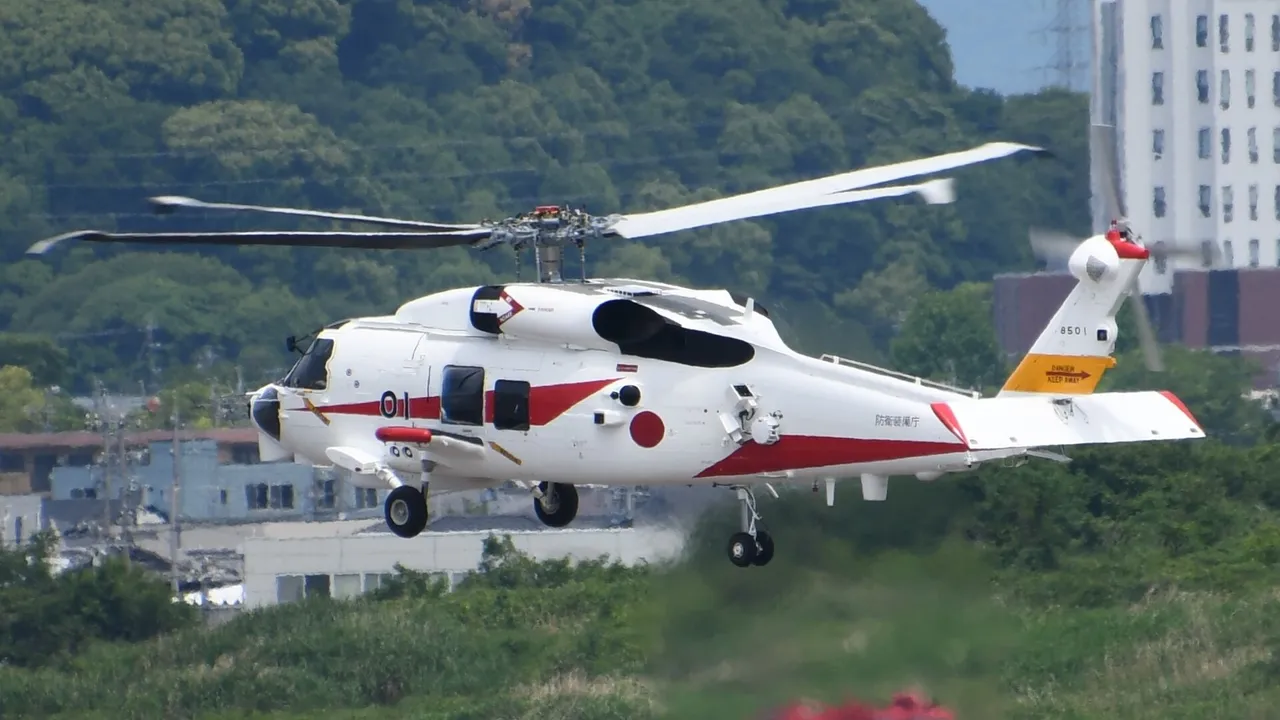
Japan plans a defence industrial base strategy and a new agency to grow its arms makers
Tokyo aims to draft a strategy by year-end to grow dual-use industries such as AI and to set up a 300-person body backing defence exports and start-ups.
TaiwanDefence · 11h ago · 3 min read
Discussion (0)
Comments are not currently available.