
Japanese destroyer joins Philippine forces and a US Coast Guard cutter for a joint maritime activity
Japan's Kirisame, the US cutter Bertholf and Philippine ships and aircraft drilled in the Philippine EEZ, though Tokyo and Washington list different units.
TAIPEI —
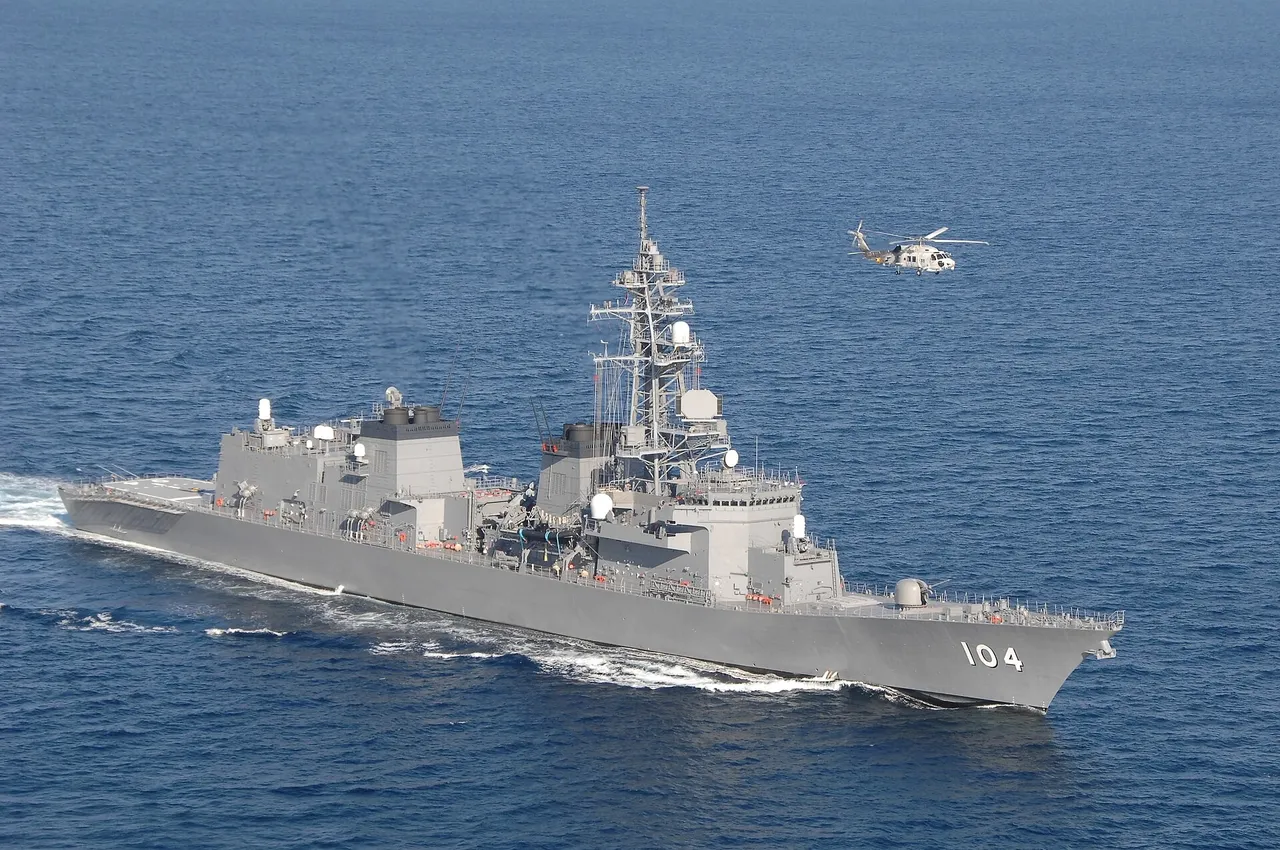
A Japan Maritime Self-Defense Force destroyer, a US Coast Guard cutter and Philippine naval, air force and coast guard units have carried out a joint Maritime Cooperative Activity inside the Philippine exclusive economic zone, the US 7th Fleet said on Sunday 25 October. The US statement described it as the 14th such activity of 2026.
Japan's Joint Staff Office announced the same activity on 25 October. It said the destroyer JS Kirisame trained with the US Coast Guard, the Philippine Navy and Air Force, and the Philippine Coast Guard in the South China Sea on Friday 23 October, and that the training consisted of various tactical drills. The Japanese specialist naval news site Funeco reported the announcement the same morning.
According to the 7th Fleet, the activity lasted five days and concentrated on tactical interoperability, including maritime domain awareness, maritime law enforcement and search and rescue. The statement said the participants worked on shared specialised procedures and maritime doctrine and built on work developed in earlier activities of the same kind.
The US release listed a Philippine Air Force AW159 Wildcat helicopter and a C208 Caravan aircraft, the Philippine Coast Guard patrol vessel BRP Suluan, the Philippine Navy frigate BRP Diego Silang, the Japanese destroyer Kirisame and the US Coast Guard cutter Bertholf. A photograph released with it shows Suluan, Bertholf and Kirisame sailing in formation on 23 October.
Japan's account differs in several details. The Joint Staff Office named the Philippine frigate BRP Miguel Malvar rather than Diego Silang and the coast guard vessel BRP Gabriela Silang rather than Suluan, and it listed Philippine C-208B, FA-50 and A-29B aircraft. Funeco gave the same Japanese list of ships. The Japanese release dates the training to 23 October, while the US text gives 24 October for the activity it describes.
Neither government explained the differences. The US description of a five-day activity leaves room for different Philippine ships and aircraft to have taken part on different days, while the Japanese release covers only the day the Kirisame trained, but neither statement says so directly, and TaiwanDefence has not been able to reconcile the two lists.
Both governments framed the activity in legal terms. The Joint Staff Office said maritime cooperative activities support freedom of navigation and overflight and respect rights at sea under international law as reflected in the UN Convention on the Law of the Sea. The 7th Fleet said the activity was carried out consistently with international law and with due regard for the safety, navigational rights and freedoms of all nations, and that the US and its allies uphold freedom of navigation and overflight.
The 7th Fleet said the US Navy routinely operates with the Armed Forces of the Philippines and other partners through such activities to develop and practise tactical interoperability across several domains. On this occasion the US side was represented by a Coast Guard cutter rather than a navy warship, according to the unit lists in both releases, working alongside both the Philippine Navy and the Philippine Coast Guard, and the stated focus areas included law enforcement and search and rescue.
Funeco and the Joint Staff Office both described the Japanese contribution as part of a shared commitment to strengthen regional and international cooperation in support of a free and open Indo-Pacific, the same phrase the US statement used. Neither the Japanese nor the US release mentioned any encounter with Chinese vessels or aircraft during the activity.
Sources
More in Indo-Pacific
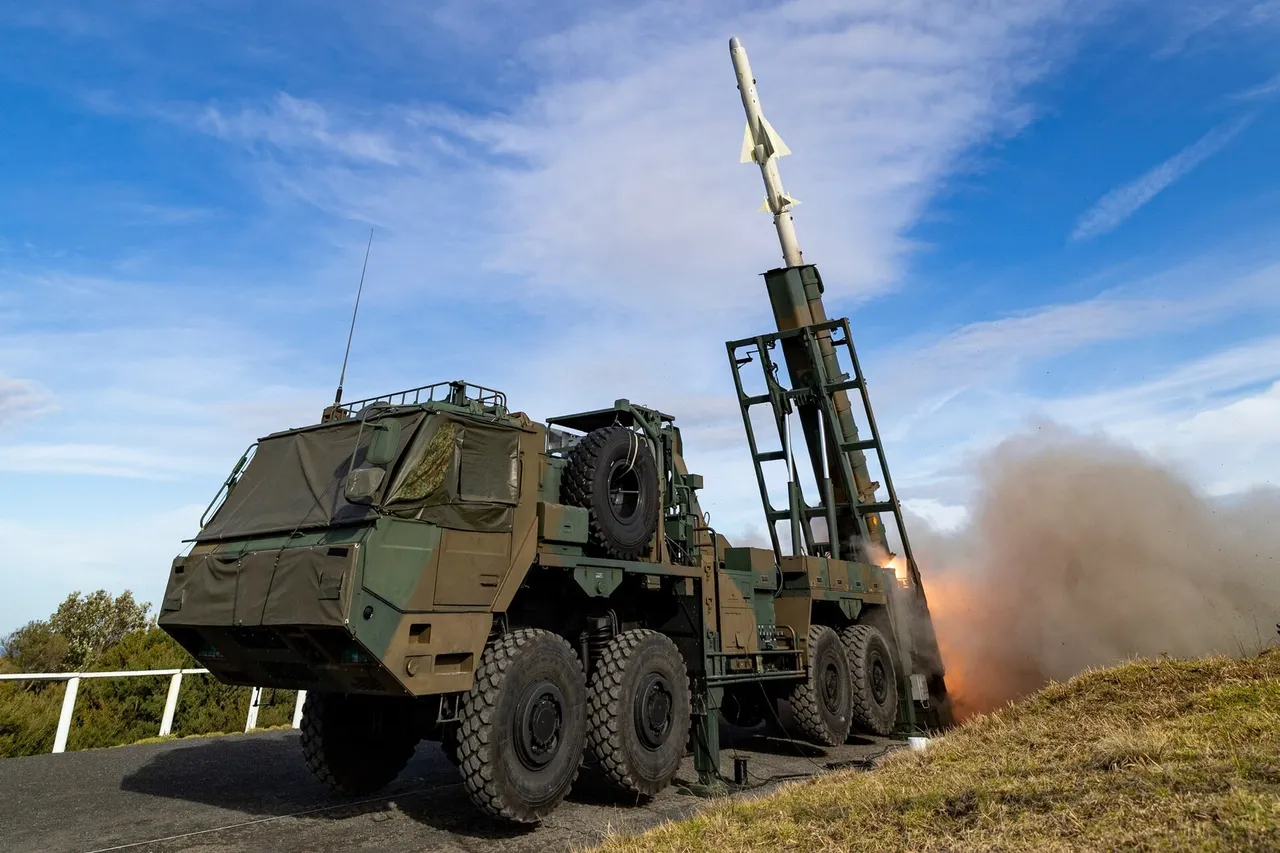
Japanese crews ready the Type 25 stand-off missile for a mock anti-ship strike at Ohnohara
Ground troops set up the stand-off missile launcher at Ohnohara for a mock anti-ship strike, its first outing beyond Camp Kengun since March.
TaiwanDefence · 3h ago · 3 min read
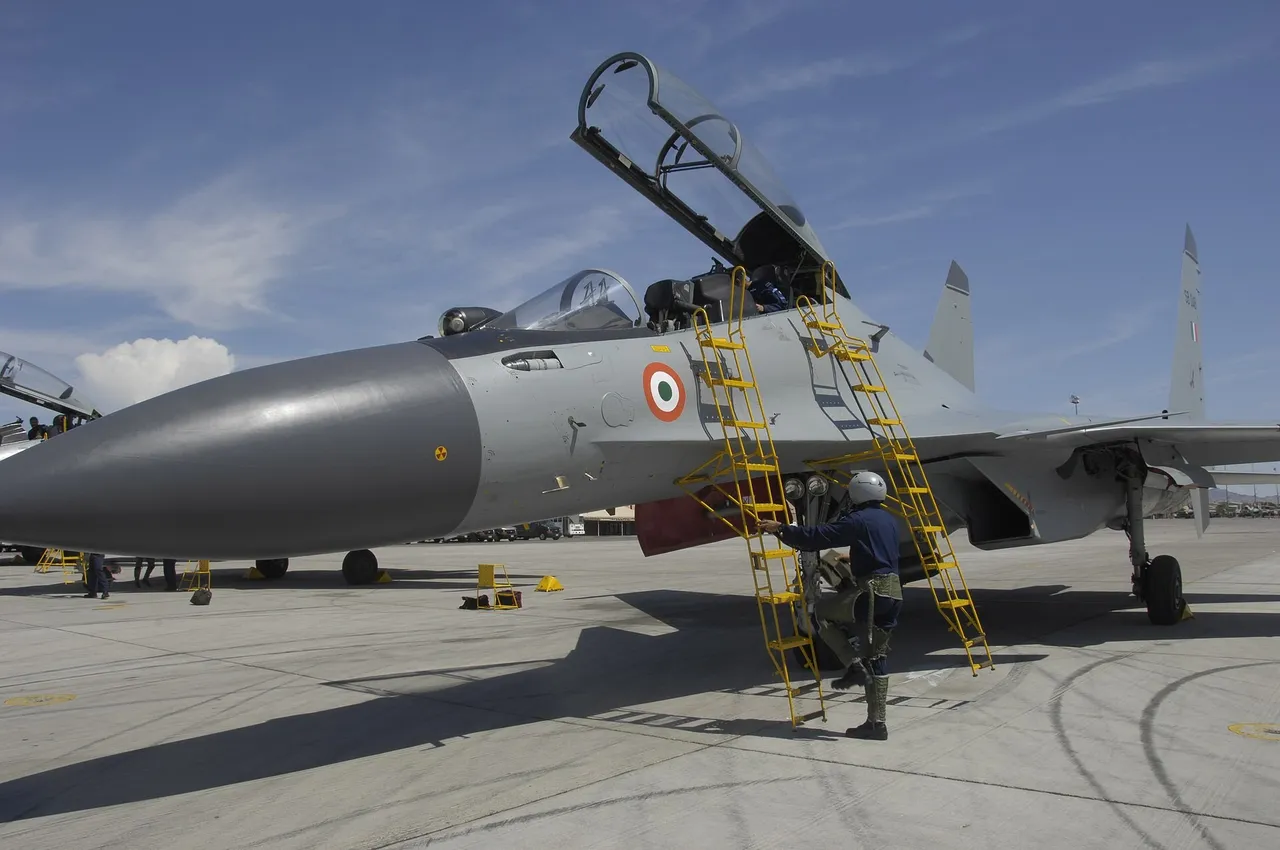
India's outgoing air chief says theatre commands must not split fighter fleets by region
Air Chief Marshal AP Singh wants a phased, India-specific joint command structure and says the air force is watching the Indo-Pacific closely.
TaiwanDefence · 4h ago · 3 min read
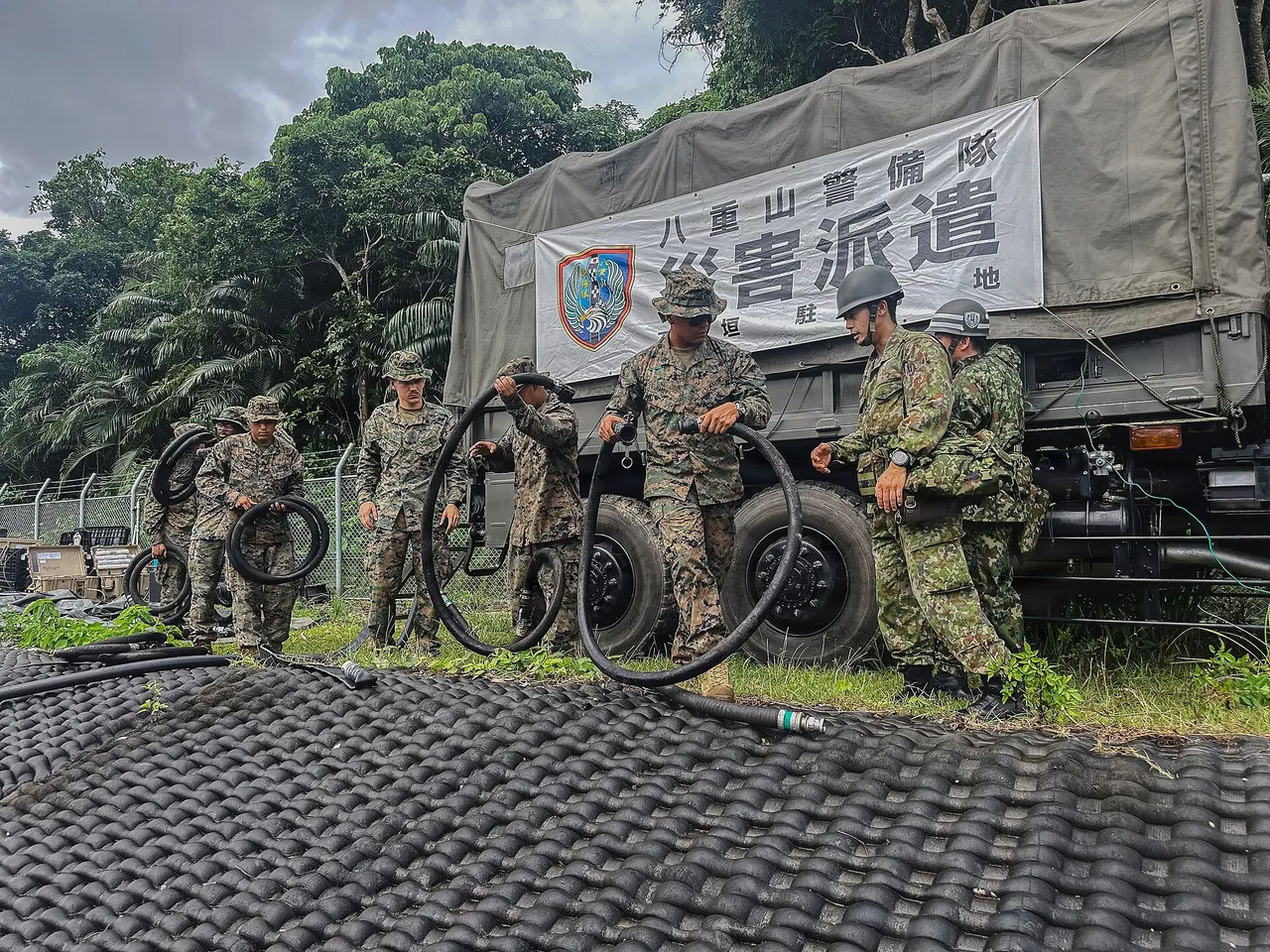
Okinawa calls in Japanese ground troops after typhoon leaves Ishigaki short of water
Okinawa asked the Ground Self-Defense Force's 15th Brigade for disaster relief on Saturday night after storm power cuts stopped water supply in parts of Ishigaki.
TaiwanDefence · 13h ago · 2 min read
Discussion (0)
Comments are not currently available.