
India's outgoing air chief says theatre commands must not split fighter fleets by region
Air Chief Marshal AP Singh wants a phased, India-specific joint command structure and says the air force is watching the Indo-Pacific closely.
TAIPEI —
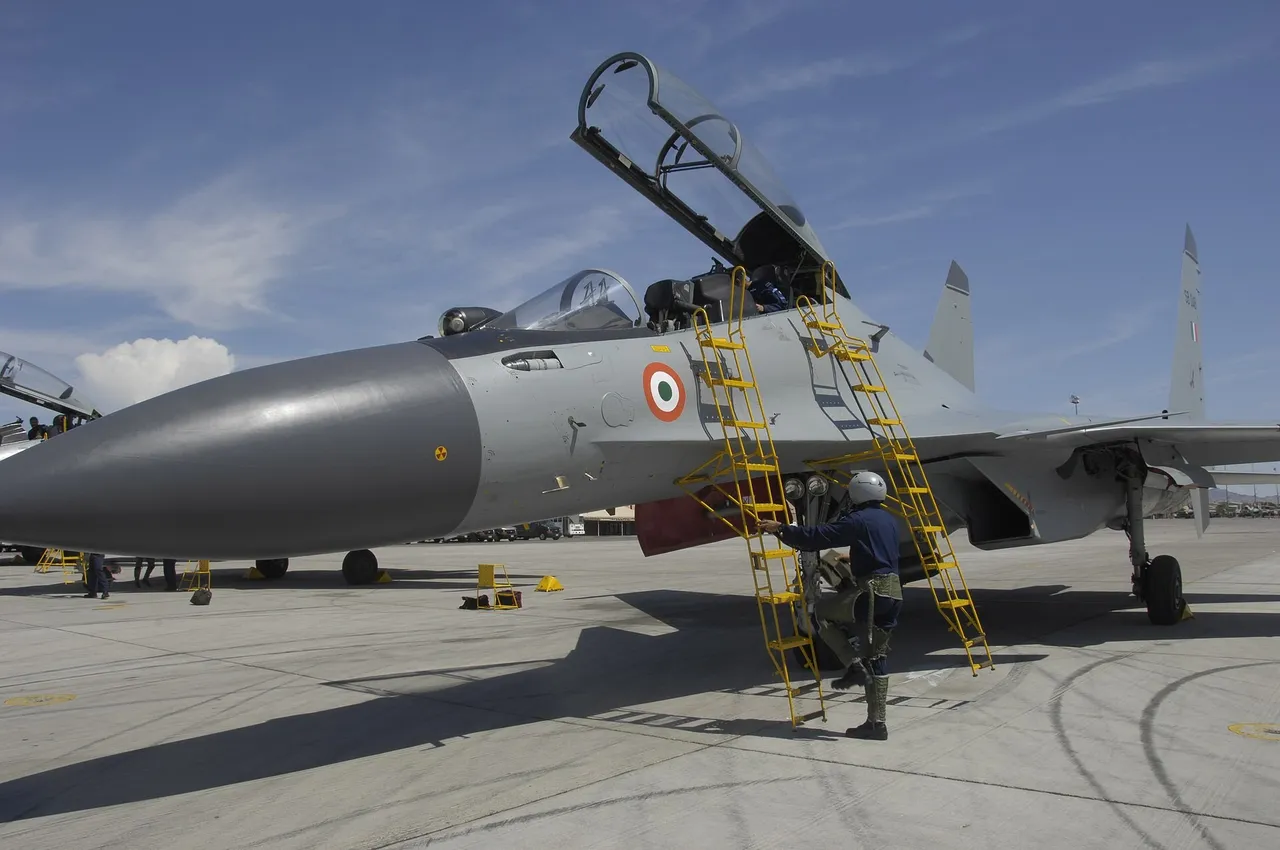
India's outgoing air force chief, Air Chief Marshal AP Singh, said on Sunday 25 October that the Indian Air Force does not see the planned move to joint theatre commands as a way to permanently divide its fighter fleet by geography. In an interview with the Press Trust of India news agency, carried by several Indian outlets, he argued that the new structure should be designed around India's own security needs rather than copied from the models used by other countries.
The theatre command plan was announced in 2019 and is described as India's most ambitious military reform since independence. The proposed design has three integrated commands: a Northern Theatre Command in Lucknow focused on China, a Western Theatre Command in Jaipur facing Pakistan, and a Maritime Theatre Command in Thiruvananthapuram. Progress has stalled because the army, navy and air force disagree over how the commands should be built, and the air force has repeatedly warned against a hurried rollout and against splitting its fighter squadrons among the new commands.
Singh set out the air force's case in terms of what aircraft can do. He said the defining strengths of air power are speed, reach, flexibility and the ability to concentrate combat power quickly where it matters. With aerial refuelling, long-range weapons, networked sensors and suitable bases, he argued, aircraft can be massed from long distances and shifted between sectors as a threat changes, so they are not tied to the area they fly from. His proposed rule was centralised control where it is needed and decentralised execution where it is appropriate.
He said a change of this size should be introduced in stages so that operational readiness is never put at risk. He also warned planners against trying to predict the next war with too much certainty. In his view, a future conflict is likely to be faster and more autonomous but also more dependent on networks, more transparent but also more deceptive, and marked by precision in some areas and by mass in others.
To support his argument, Singh pointed to Operation Sindoor, India's strikes on targets in Pakistan and Pakistan-administered Kashmir after the Pahalgam attack. He said the operation was run under a joint arrangement set up by the Chief of Defence Staff and the three service chiefs, and that central allocation and quick reallocation of key assets were decisive. According to The Federal, he said the strikes covered a front about 1,200 km wide and up to 200 km deep, and that India's networked air defences countered drones and stand-off weapons launched by Pakistan. These are the Indian chief's own assessments of the operation.
Turning to the wider region, Singh said the air force is closely monitoring developments across the Indo-Pacific, which he described as central to global security and marked by growing military activity, strategic competition and contestation. He said recent events, including in the region's maritime spaces, called for vigilance, credible deterrence and closer regional cooperation. He did not name any country, but Indian media linked the remarks to wider concern over China's expanding military activity in the region.
He listed the capabilities the air force needs for that role: reach, persistent surveillance, air mobility, awareness of the air domain, networked command and control, and the ability to operate over long distances. He described India's military position in the Andaman and Nicobar Islands as a springboard for operations in the eastern Indian Ocean, backed by aerial refuelling and airborne early warning aircraft.
Singh also said the air force is building interoperability with friendly air forces through more complex exercises. He cited recent deployments to Australia, Malaysia and Thailand, and an exercise in February 2026 in which Su-30MKI fighters flying from the Andaman and Nicobar Islands trained with the Royal Thai Air Force over the Indian Ocean, supported by IL-78 tankers and airborne warning and control aircraft.
The interview was Singh's most detailed public statement so far on the theatre command plan, and it comes as he prepares to leave office. The Federal reported that the government has named Air Marshal Ashutosh Dixit as the next Chief of Air Staff. Singh said the air force was committed to jointness and would work with the other services, but cautioned that success in Operation Sindoor should not lead to complacency.
Sources
More in Indo-Pacific
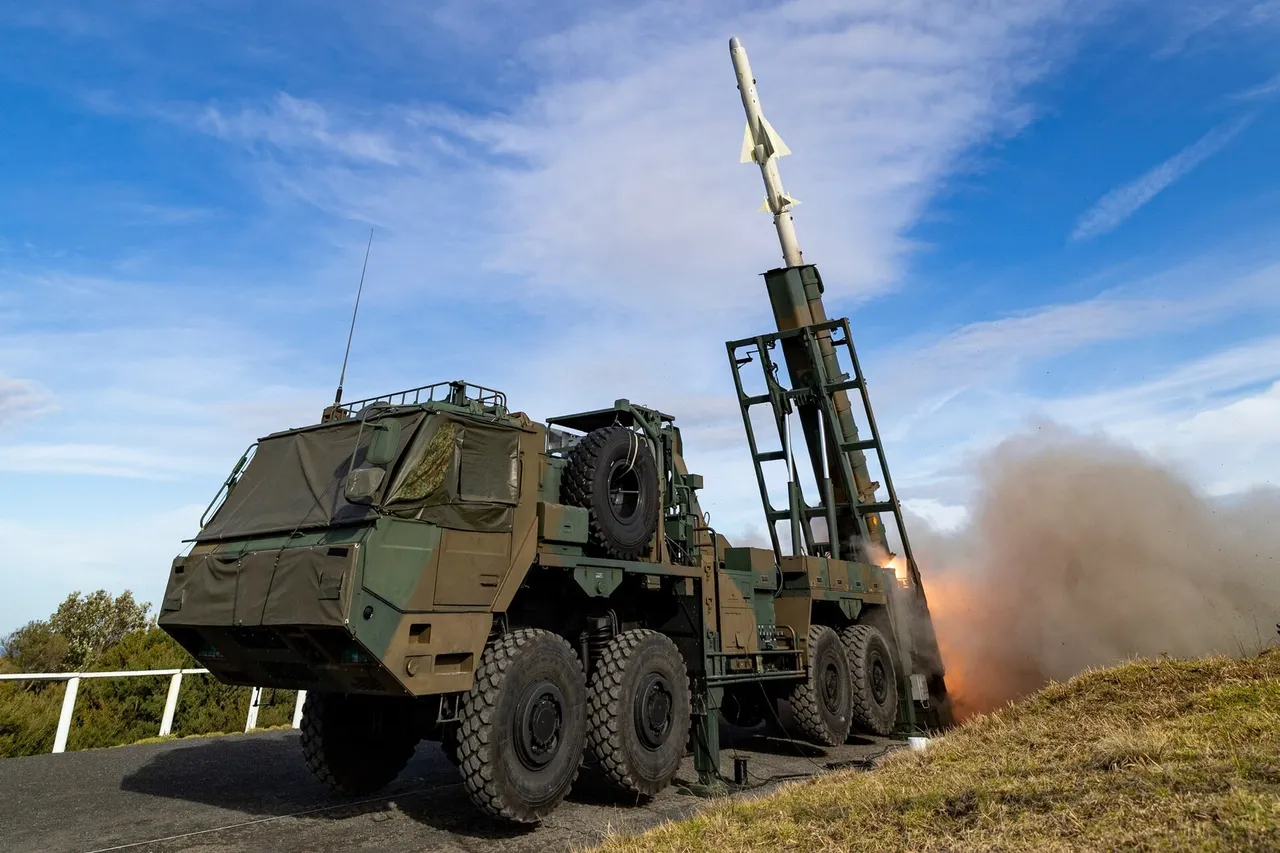
Japanese crews ready the Type 25 stand-off missile for a mock anti-ship strike at Ohnohara
Ground troops set up the stand-off missile launcher at Ohnohara for a mock anti-ship strike, its first outing beyond Camp Kengun since March.
TaiwanDefence · 17m ago · 3 min read
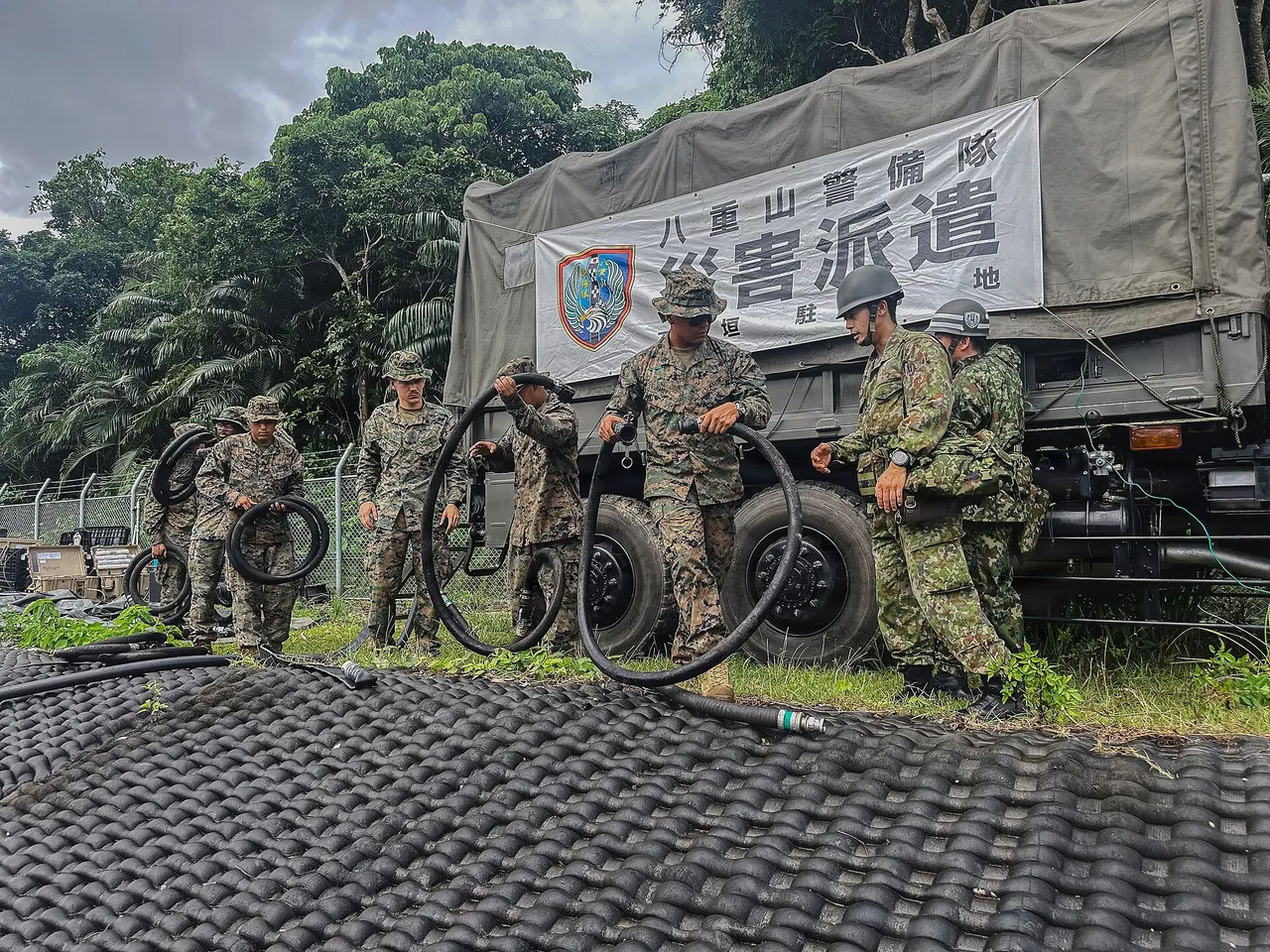
Okinawa calls in Japanese ground troops after typhoon leaves Ishigaki short of water
Okinawa asked the Ground Self-Defense Force's 15th Brigade for disaster relief on Saturday night after storm power cuts stopped water supply in parts of Ishigaki.
TaiwanDefence · 10h ago · 2 min read
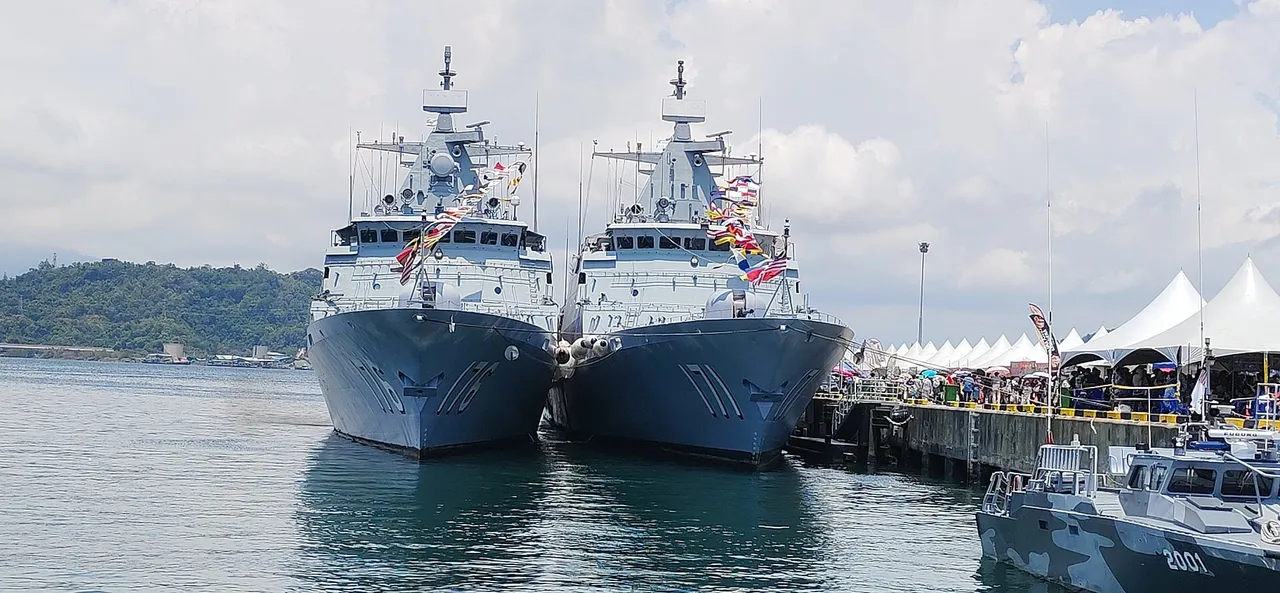
Malaysia will place its Japanese-supplied counter-drone systems at Sepanggar and Labuan
Defence minister Khaled Nordin says the anti-drone equipment Japan is giving the navy will guard key bases in Sabah and Labuan facing the South China Sea.
TaiwanDefence · 12h ago · 2 min read
Discussion (0)
Comments are not currently available.