
Taiwan army drops score sheets in base training and adds battlefield stress first aid
Reporters at Hukou watched two Taiwanese brigades train for 10 days without a script, while the army began teaching troops a six-step response to combat stress.
TAIPEI —
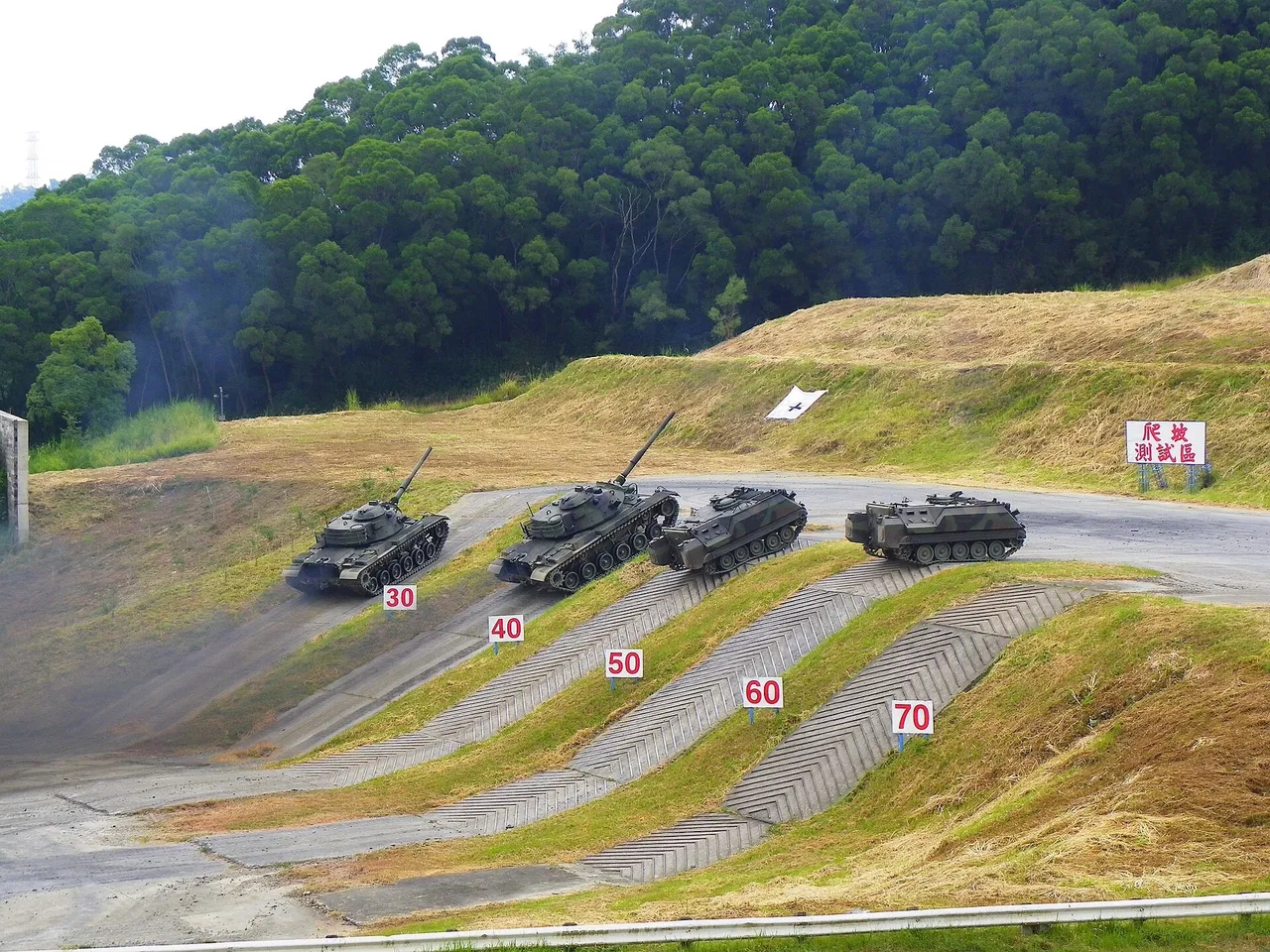
Taiwan's army has given reporters a close look at its revamped base training, in which units set their own goals, instructors coach rather than grade, and battalions fight for ten days without a fixed script. The Central News Agency and the Liberty Times both published accounts on 25 October from the army's Northern Region Joint Test Center at Hukou in Hsinchu County, where the new system was on show.
The army says the scheme, known as CTC 2.0, borrows from US Army practice and replaces the short, concentrated evaluations used in the past, which tested basic tactics but could not reproduce long periods of combat. According to the Liberty Times, the new format has been in use since March. The latest rotation paired a battalion of the conscript-based 109th Infantry Brigade with a battalion of the volunteer 542nd Combined Arms Brigade for ten days and nine nights of continuous training, with a company attached to the test centre playing the enemy.
The two battalions were not fighting each other. Both reports said they held separate positions as friendly forces and had to coordinate against the same simulated attackers, testing communications, fire support and command links between armoured and defensive units. Exercise controllers could order enemy infiltration or drone harassment at any hour, and one scenario required a battalion's political warfare officer to take command after the commander and deputy commander were declared killed.
The largest change is the end of the standard score sheet. Under the old system, evaluators deducted points whenever a unit missed a common standard. Now each unit commander sets training targets that suit the unit's mission and terrain, and those targets must be approved by higher headquarters and the test centre. Instructors told CNA that a unit may aim above the doctrinal pass mark but may never set its own bar below it.
Instructors who once acted as referees now work as observers trained under the observer, coach and trainer model, following platoons and companies throughout the exercise. When a unit makes a mistake, they question its leaders about better options and order the task repeated, holding an after-action review on the spot instead of waiting for the end of training. CNA watched one such reset when a Clouded Leopard armoured vehicle led an M60A3 tank down a narrow road, leaving only the lead vehicle able to fire, and instructors sent the column back to rethink its route.
The Liberty Times reported that crews of M113 mortar carriers armed with 4.2-inch mortars must open fire within three minutes of an order and leave their firing position within five, to reduce the risk of being spotted by drones and hit by counter-fire, and its reporters saw crews beat both limits. CNA said the exercise used laser engagement gear and the TAK situational awareness app to mark friendly and enemy positions, and that units must hold mission conferences and agree radio frequencies before working together.
Under the army's 2026 training outline cited by CNA, most field units go through base training once every two years, while infantry battalions go every year. A full cycle lasts nine weeks, covering three weeks of preparation, three weeks of tactical evaluation including the continuous field phase, two weeks of combat power testing and a final week of review. The test centre said the base phase feeds into later joint live-fire tests, brigade force-on-force exercises and drills on Taiwan's defence operation plans.
Alongside the new training, the army has adopted iCOVER, a psychological first aid method that the US military adapted in 2019 from Israeli practice. The test centre said that when one member of a three to five person team breaks down under acute stress, the team can lose two fighters at once because another soldier must look after the casualty. The method is meant to bring the affected soldier back into action quickly rather than replace longer-term counselling.
The six steps are to identify the problem, connect with the soldier by name, eye contact and touch, offer commitment, verify simple facts, establish the order of events, and request a simple action such as picking up equipment. The Liberty Times said the soldier giving aid should be of equal or higher rank so the reassurance carries weight. The army plans a two-hour introduction to iCOVER in recruit training, followed by practice in garrison training, branch schools and base training.
Sources
More in Army
Taiwan troops clear Champi storm damage as aviation officials ask for military flights
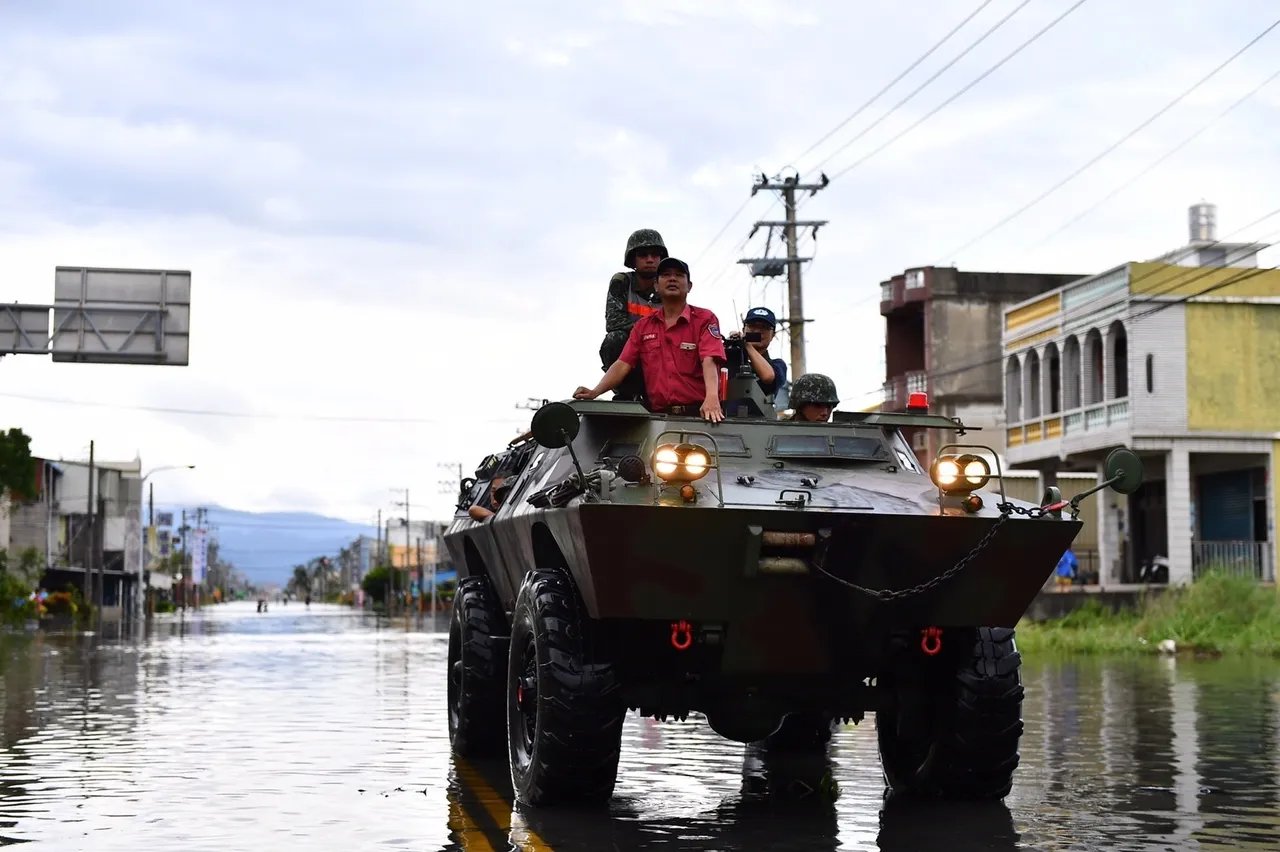
Soldiers cleared blocked roads in New Taipei and Yilan on Saturday while Taiwan's civil aviation agency asked the armed forces to help fly stranded travellers home.
TaiwanDefence · 8h ago · 3 min read
Taiwan removes Taipei military police commander accused of hiding troop injuries
Military Police Command says an inquiry found poor leadership in the unit guarding central Taipei, after troops complained of abuse and unreported self-harm scares.
TaiwanDefence · 2d ago · 3 min read
Taiwan puts 20,000 troops on typhoon standby and sends marine amphibious vehicles to Suao
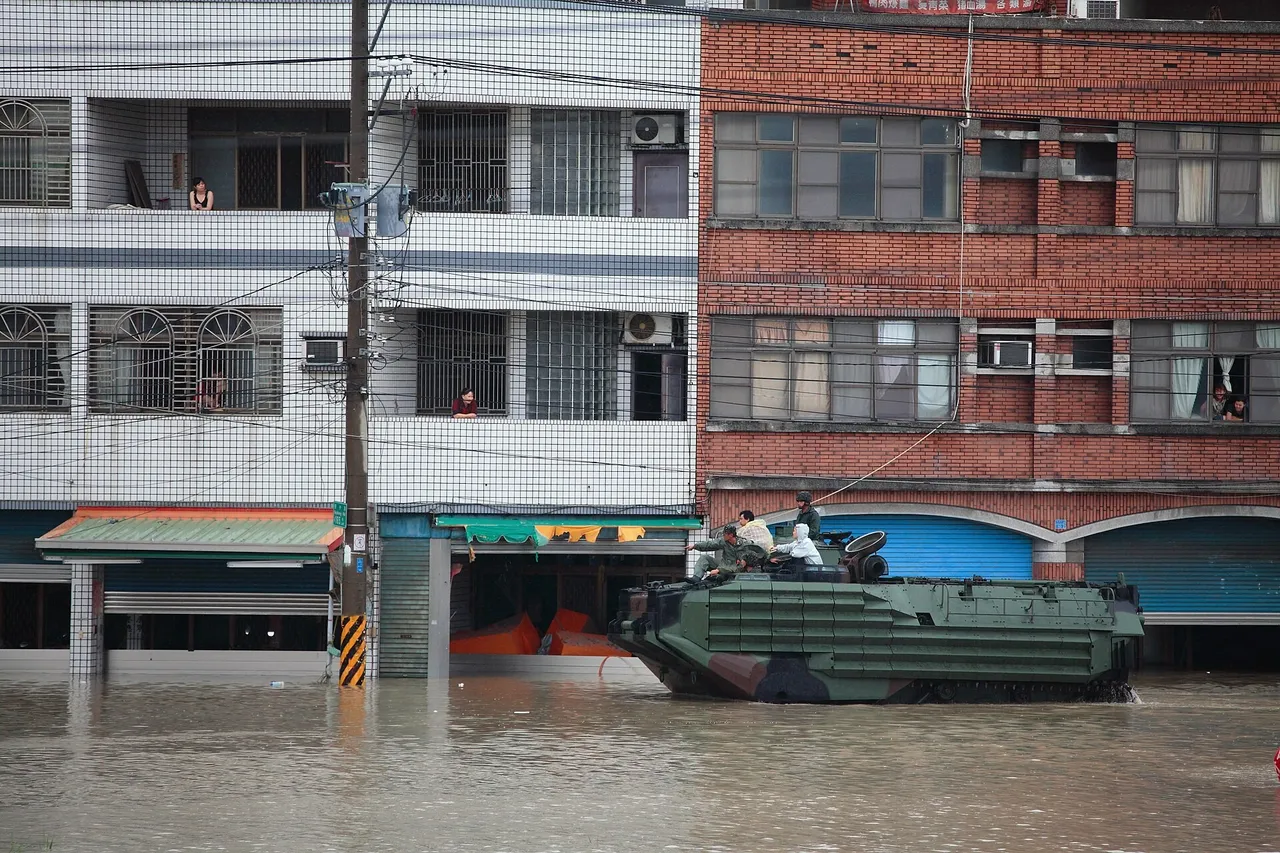
The defence ministry opened its disaster response centre at the highest level on 22 October as Typhoon Champi bore down, with 3,000 vehicles readied.
TaiwanDefence · 2d ago · 2 min read
Discussion (0)
Comments are not currently available.