
PLA Daily tells Chinese troops to be ready for a major Taiwan independence incident
The Chinese military's newspaper used Taiwan's Retrocession Day to urge readiness for war, citing Koxinga's 1661 landing and a general's study of Normandy.
TAIPEI —
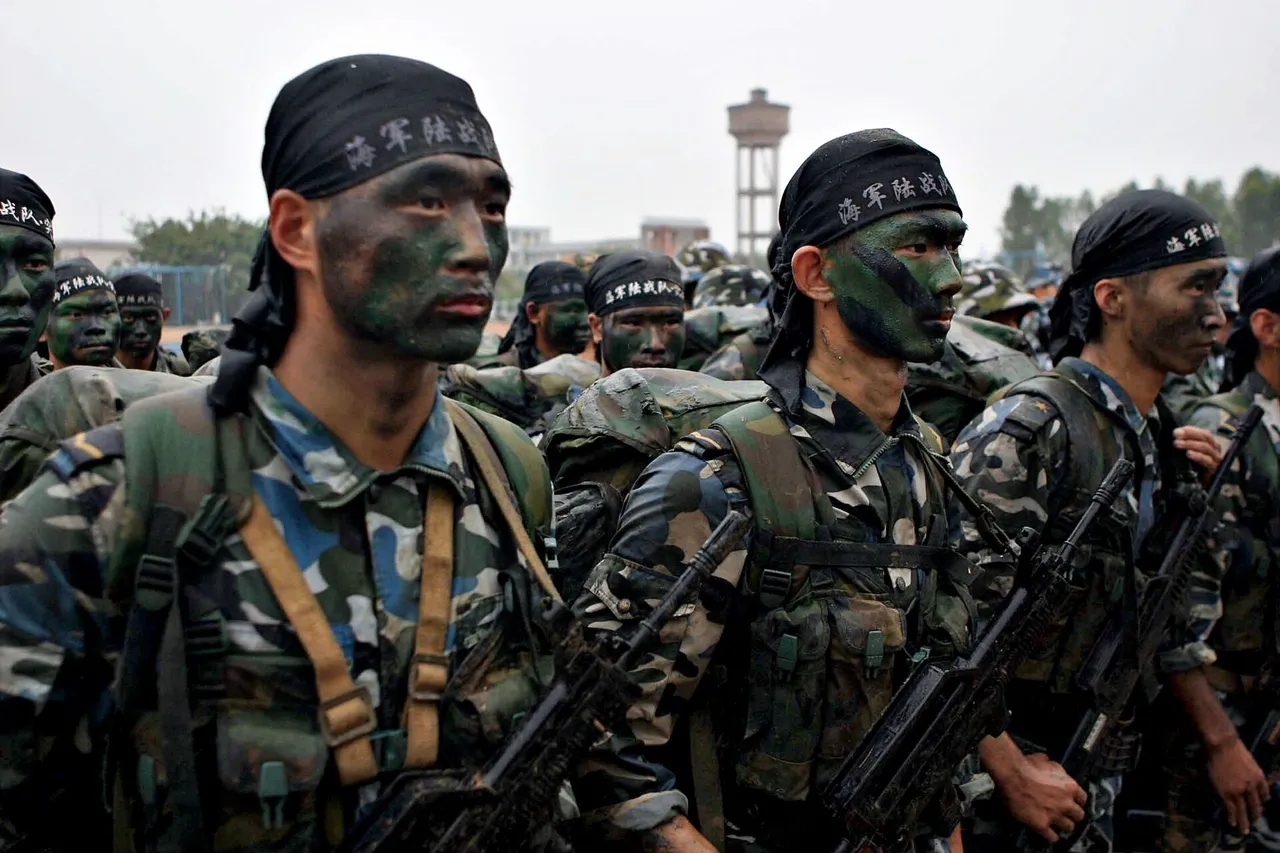
China's official military newspaper used Taiwan's Retrocession Day on 25 October to publish a long commentary telling People's Liberation Army officers and soldiers to be fully prepared to respond to what it called a major Taiwan independence incident, Taiwanese media reported. The piece urged the armed forces to raise what it described as their strategic capability to promote unification by force, and to be ready to fight and win at any time.
The article appeared in PLA Daily under a headline asking how readers should view what it called the unstoppable historical trend towards China's unification. The Shanghai news site The Paper republished the full text on Sunday morning Beijing time, and Taiwan's United Daily News and ETtoday summarised it within hours.
The commentary was built around three themes: the one-China principle, the argument that Taiwan independence is a dead end, and the question of how the whole military should prepare for a major independence incident. It cited the Cairo Declaration, the Potsdam Proclamation and UN General Assembly Resolution 2758 as the historical and legal basis for Beijing's sovereignty claim. These are the Chinese military's own political positions, and they are reported here as claims.
The newspaper said the PLA had repeatedly staged exercises in the sea and air around Taiwan in recent years. It claimed that the deployments had become more three-dimensional and more varied, and that pressure on the island from all directions was steadily tightening. It said the military had to be ready for every kind of complex situation so that it could act quickly and effectively if something happened.
To support its argument, the paper recalled a 1978 remark by former leader Deng Xiaoping that Beijing had two hands for solving the Taiwan question, a peaceful one and a military one, and that neither could be ruled out. It wrote that China would make every effort to achieve peaceful unification but that soldiers must still prepare for war. It also said that diehard independence supporters and outside forces interfering in the issue should be warned and punished in a way they would understand and fear.
A large part of the text drew on the 1661 campaign by the commander Zheng Chenggong, known in the West as Koxinga, to expel the Dutch from Taiwan. The paper described how he spent more than a year building ships suited to a sea crossing, drilling his naval forces, scouting Taiwan's terrain, defences, weather and tides, and stockpiling grain on Kinmen, Xiamen and Penghu before landing through the Luermen channel on a high tide. It argued that without the ability to fight there could be no unification, and that every shell, ship track and close approach used to pressure Taiwan should turn into real combat power.
The second historical example was Su Yu, a senior PLA general, who toured the Normandy beaches in June 1970 while returning from an overseas visit. According to the commentary, he paid close attention to landing craft, transport and the artificial harbour used in the landings, and people travelling with him later said he was thinking about how a future Taiwan operation, in which landings would be indispensable, might be carried out. The paper called for training tied closely to the military's mission, opponent and operating environment, so that troops could react at once when ordered.
Beyond the military passages, the commentary attacked the government of President Lai Ching-te, ETtoday reported. It accused his administration of pursuing independence and blocking cross-strait exchanges, criticised Taipei's restrictions on some Chinese apps and online platforms, and referred to Lai's overseas trip in May and his attendance at a memorial event in Tainan for the Japanese-era engineer Hatta Yoichi.
The piece was one of several Chinese military messages marking the anniversary, which China's national legislature designated as a commemoration day in 2025. United Daily News reported that the PLA Eastern Theater Command, which is responsible for the Taiwan area, also posted a statement on its WeChat account. Both historical cases chosen by PLA Daily describe preparations for an amphibious landing against a defended coast.
Sources
More in Cross-Strait
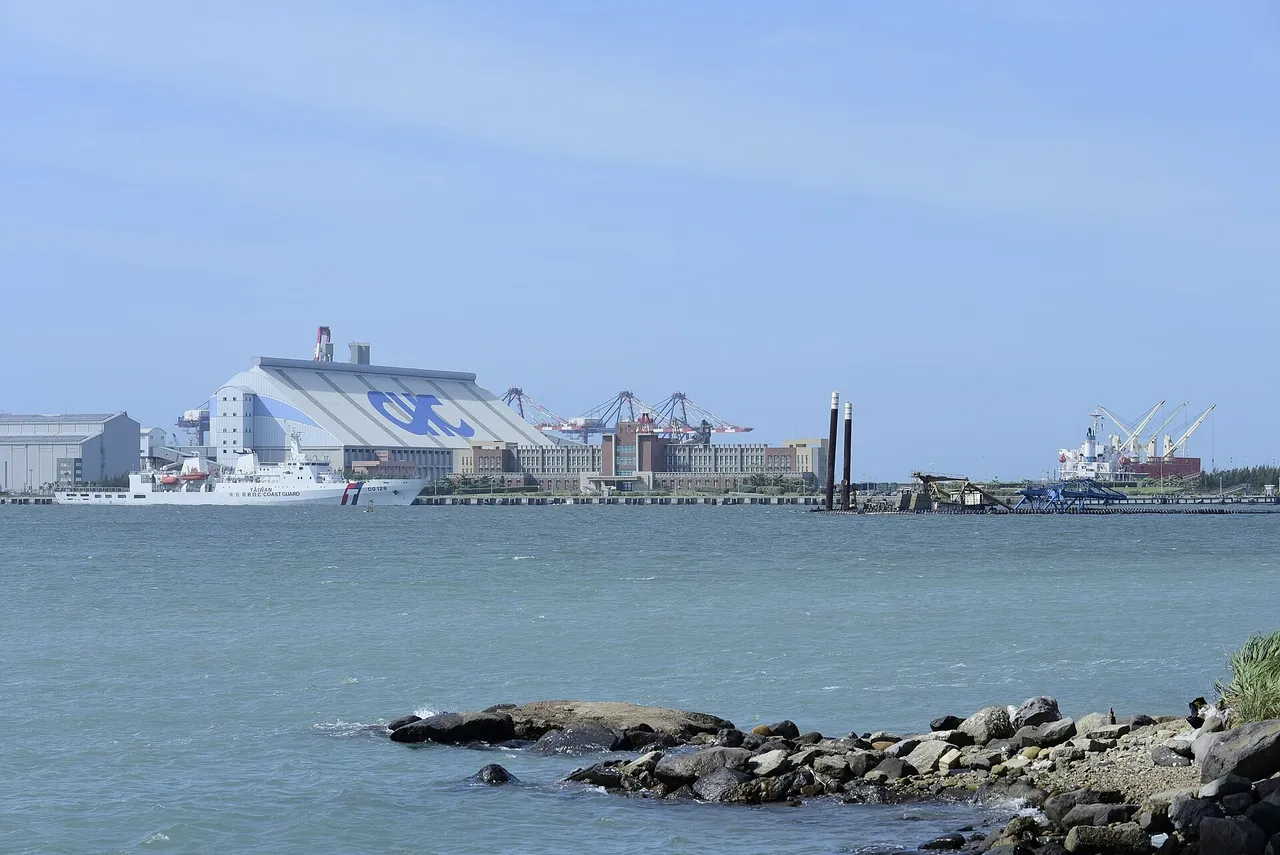
China's Eastern Theater Command marks Taiwan Retrocession Day as state TV airs satellite views of Taipei
The PLA command facing Taiwan posted a unification poster and CCTV aired Jilin-1 footage of Taipei Port, as Taiwan tracked five Chinese warships nearby.
TaiwanDefence · 2h ago · 3 min read
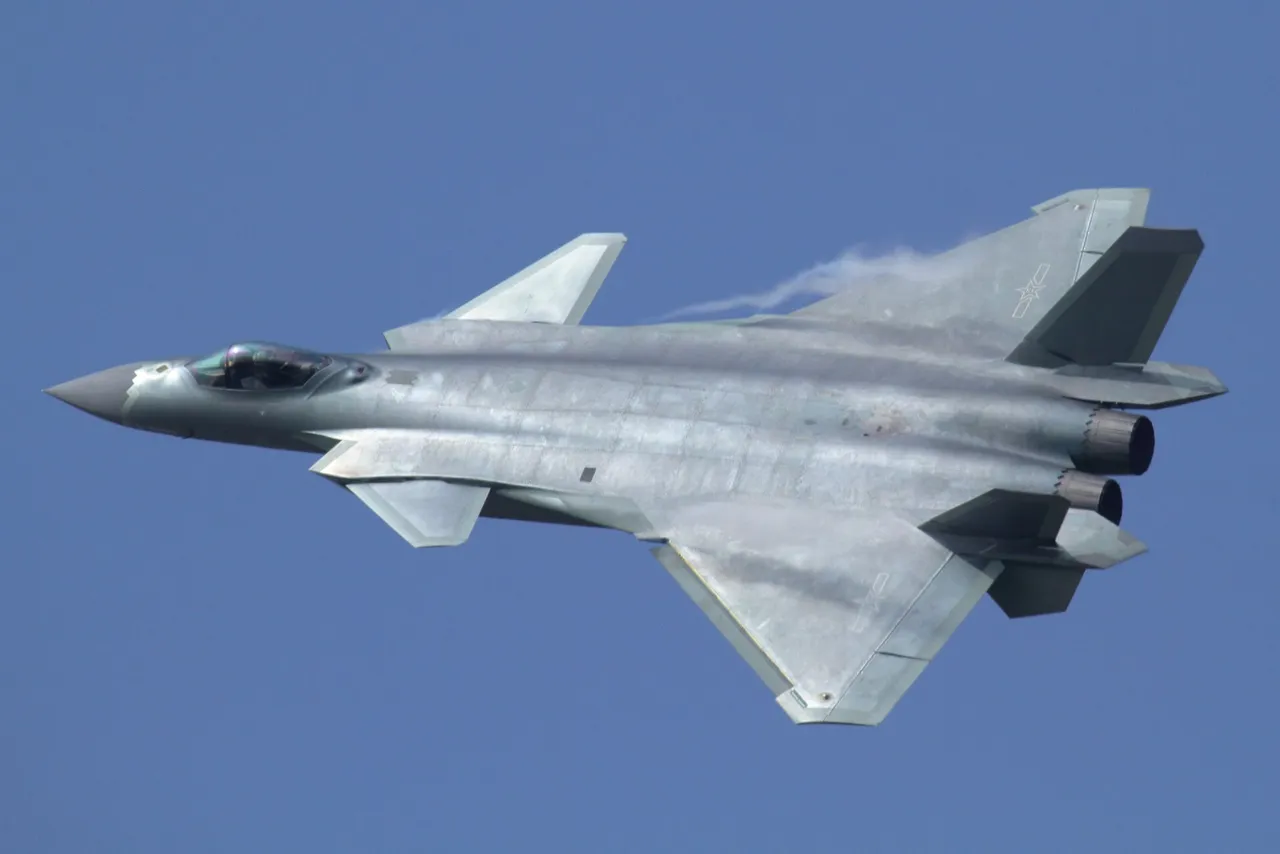
J-20 design institute researchers propose radar arrays built into drone wings
A Chengdu design institute study describes wing-embedded radars on rolling drones that would share early-warning work, but it does not show any hardware or flight test.
TaiwanDefence · 8h ago · 3 min read
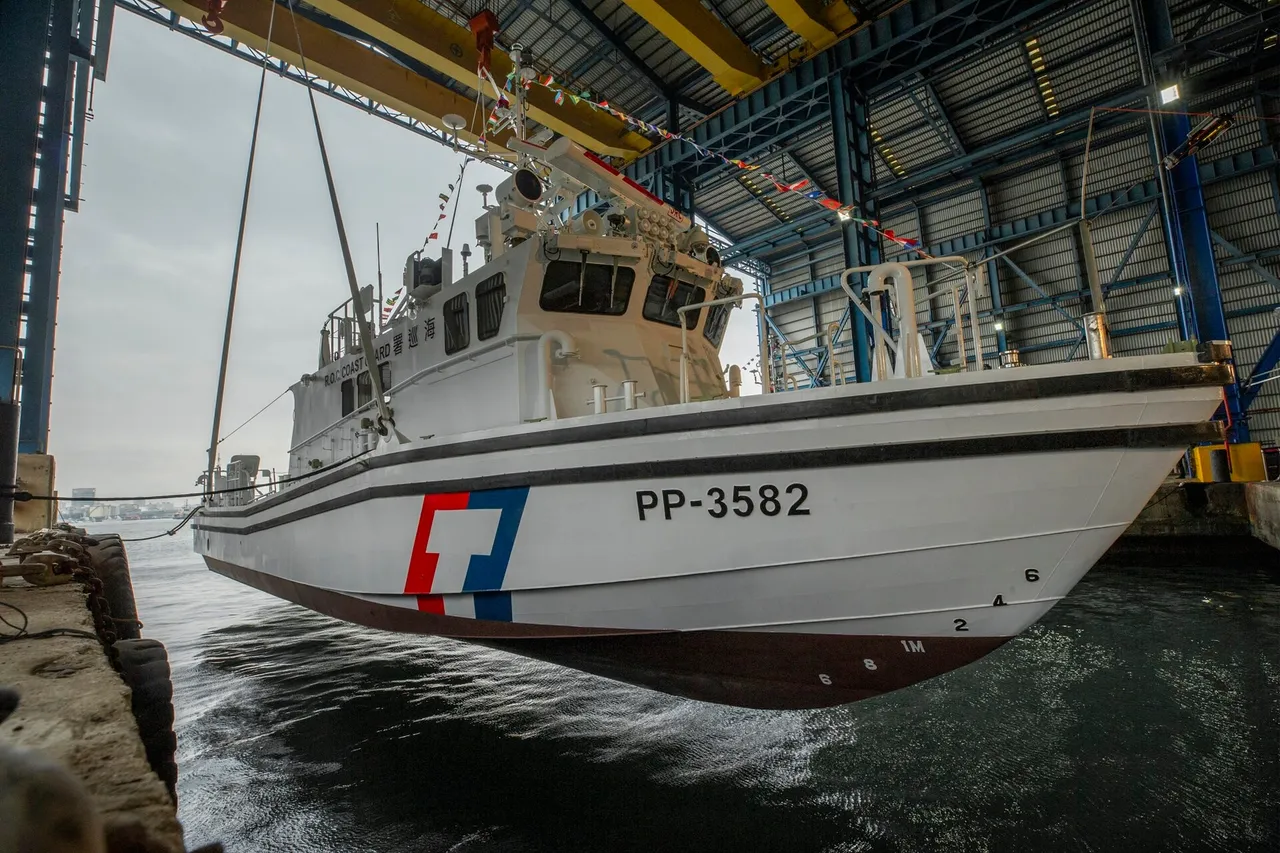
Taiwan coast guard says China pairs militia boats with coast guard ships to prepare the battlefield
Answering Reuters, Taiwan's coast guard confirmed it drove off the suspected militia boat Minfudingyu 07902 in August and warned of pressure on Japan and the Philippines.
TaiwanDefence · 1d ago · 3 min read
Discussion (0)
Comments are not currently available.