
Australia and the Philippines set to sign a defence pact replacing their 1995 framework
Defence Secretary Gilberto Teodoro and Australia's ambassador are due to sign a new Defence Cooperation Arrangement on Sunday, with Anthony Albanese in attendance.

TAIPEI —
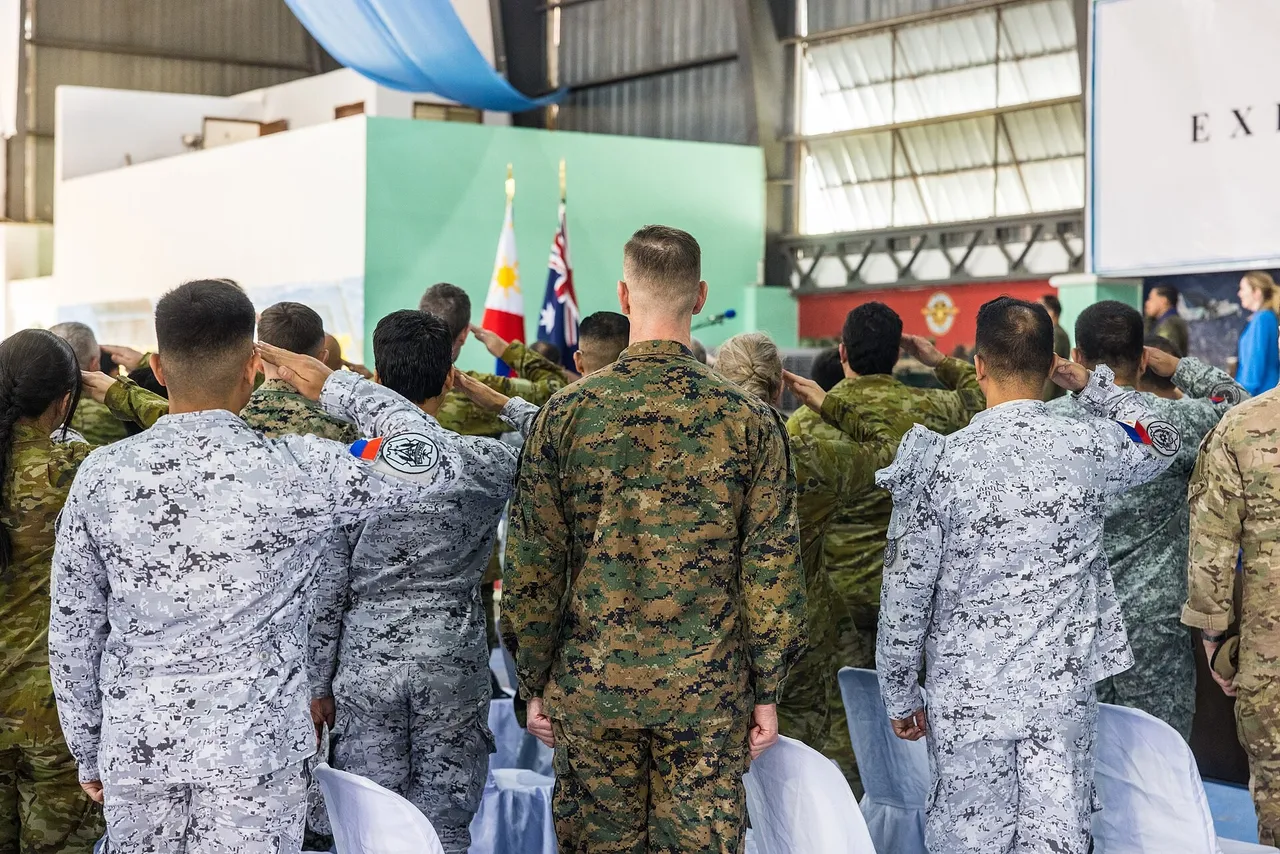
Australia and the Philippines are due to sign a new defence cooperation agreement in Manila on Sunday, 15 November, as Prime Minister Anthony Albanese meets senior Philippine officials on the sidelines of the ASEAN summit, ABC News reported. The Philippine Department of National Defense said Defence Secretary Gilberto Teodoro and Australian Ambassador Marc Innes-Brown will sign the document, called the Defence Cooperation Arrangement, with Albanese witnessing the ceremony, according to The Philippine Star.
According to ABC News, the arrangement is expected to widen reciprocal access for each country's armed forces, increase information sharing and strengthen the Philippine Navy and coast guard. The full text has not been released, and the final provisions had not been publicly detailed ahead of the signing.
The new arrangement is meant to replace and modernise a memorandum of understanding on defence cooperation that the two governments signed in 1995. Teodoro has said the two sides discussed the document at their third defence ministers' meeting in Darwin in August, where he and Australian Defence Minister Richard Marles welcomed progress towards concluding it.
Australia has already stepped up practical support for Philippine maritime security. ABC News reported that since April last year Canberra has provided more than $13 million in assistance to the Philippine Coast Guard, mostly drones and training for their operators. The equipment helps Manila watch Chinese navy and coast guard ships, protect undersea cables, monitor illegal fishing and track drones flown by the Chinese military. Australia has also helped develop defence infrastructure at five Philippine military bases on Luzon, the broadcaster said.
The signing follows a meeting of defence officials from Australia, the Philippines, Japan and the United States in Cebu in late October. The four countries, informally known as the Squad, said on 10 November that they would set up a Combined Coordination Centre in the Philippines, which ABC News said would likely serve as a hub for building up the Philippine Navy and coast guard.
In an explainer published on 10 November, the Australian Strategic Policy Institute called the new arrangement a milestone. The think tank argued that the Philippines is now the Southeast Asian country most closely aligned with Australia, that the defence relationship has become focused on deterrence and contingency preparation, and that the Squad is turning into a joint operational structure aimed at countering Chinese maritime pressure.
Maritime security analyst Jennifer Parker told ABC News that the agreement would package activities Australia already carries out, with an emphasis on how well the two militaries, particularly their navies, can operate together. She said she hoped it would also bring closer information sharing.
The deal comes amid repeated confrontations between Philippine and Chinese vessels in the South China Sea, especially around the Spratly Islands and Scarborough Shoal. ABC News also noted analysis by the Institute for the Study of War that coordinated activity by several Chinese naval commands near Taiwan appeared to rehearse isolating the island. Parker said that over the past six months China had intensified operations around the Philippines and extended them east of Taiwan, at a time when US naval forces in the region had been drawn down by the conflict in the Middle East.
ASEAN leaders begin their summit talks in Manila on Sunday, with the South China Sea expected to feature prominently. Philippine officials have said they cannot confirm whether a code of conduct for the waterway, under negotiation between ASEAN and China for more than eight years, will be concluded at this year's meeting.
Sources
More in Indo-Pacific
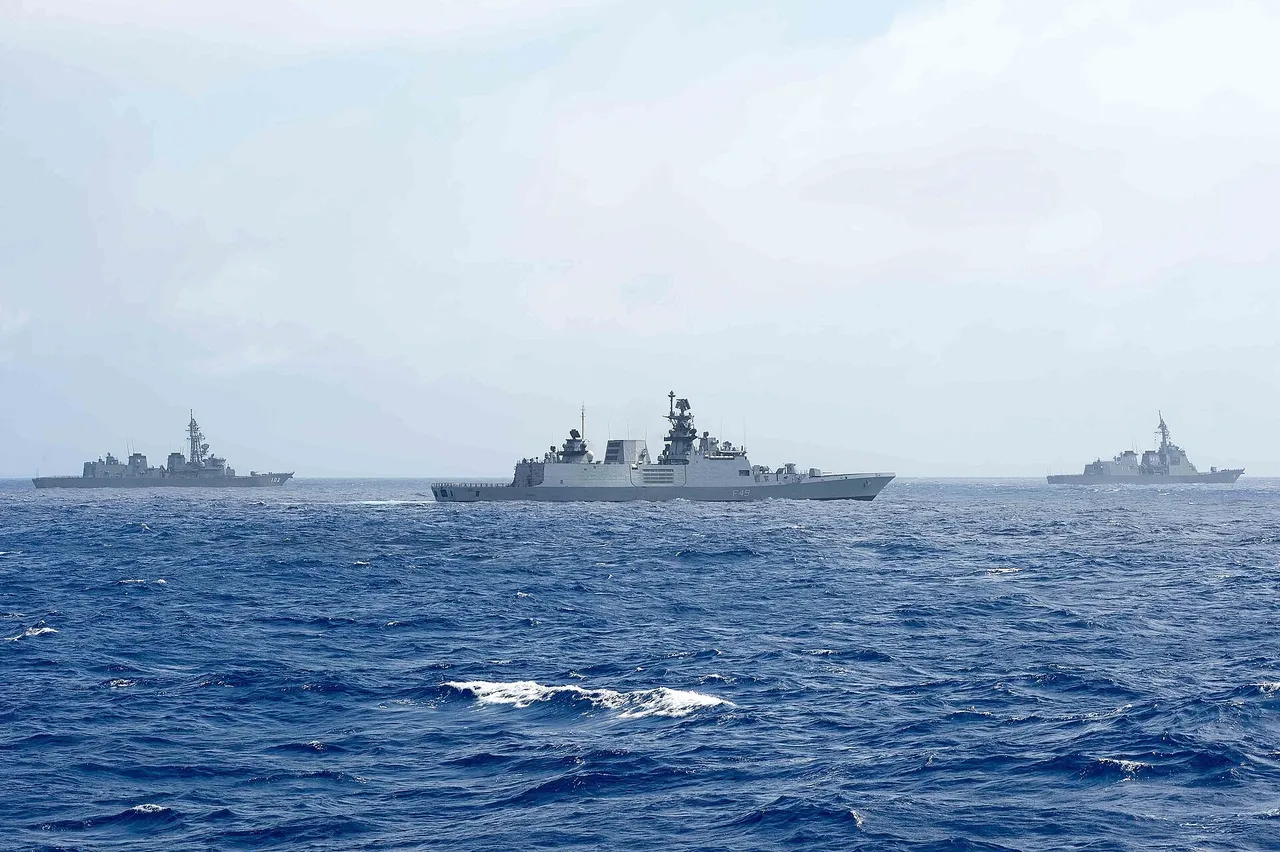
Quad navies wrap up Malabar 2026, closing a week of anti-submarine and boarding drills off Japan
India says the four-navy exercise ended on 12 November after anti-submarine, boarding and gunnery serials, as its frigate INS Sahyadri left Yokosuka.
TaiwanDefence · 2h ago · 2 min read

US moves to seize $1.2 billion that North Korean military hackers stole from Binance
The Justice Department says it has court approval to seize or restrain part of last month's Binance theft and has taken down infrastructure behind a deepfake scheme.
TaiwanDefence · 4h ago · 3 min read
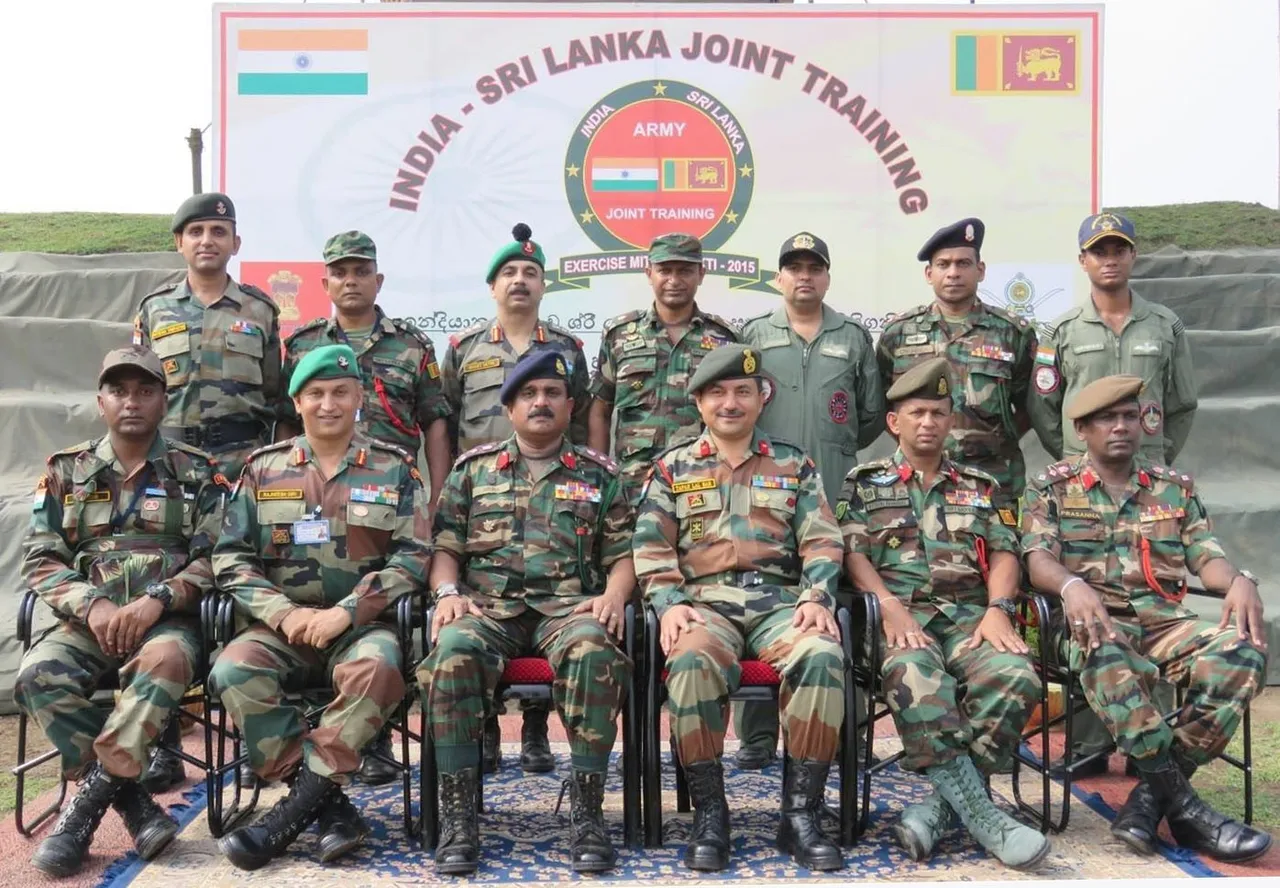
Indian troops head to Sri Lanka for two weeks of joint counter-terrorism training in Mitra Shakti
A 170-strong Indian contingent, led by a Rajputana Rifles battalion, has joined Sri Lanka's army at Maduru Oya for the 12th Mitra Shakti exercise.
TaiwanDefence · 5h ago · 2 min read
Discussion (0)
Comments are not currently available.