
Japan's E-767 radar planes to get new Link 16 terminals under a US contract
A $14.9 million US Air Force award covers datalink terminals for Japan's airborne warning fleet, though the quantity and installation schedule were not disclosed.

TAIPEI —
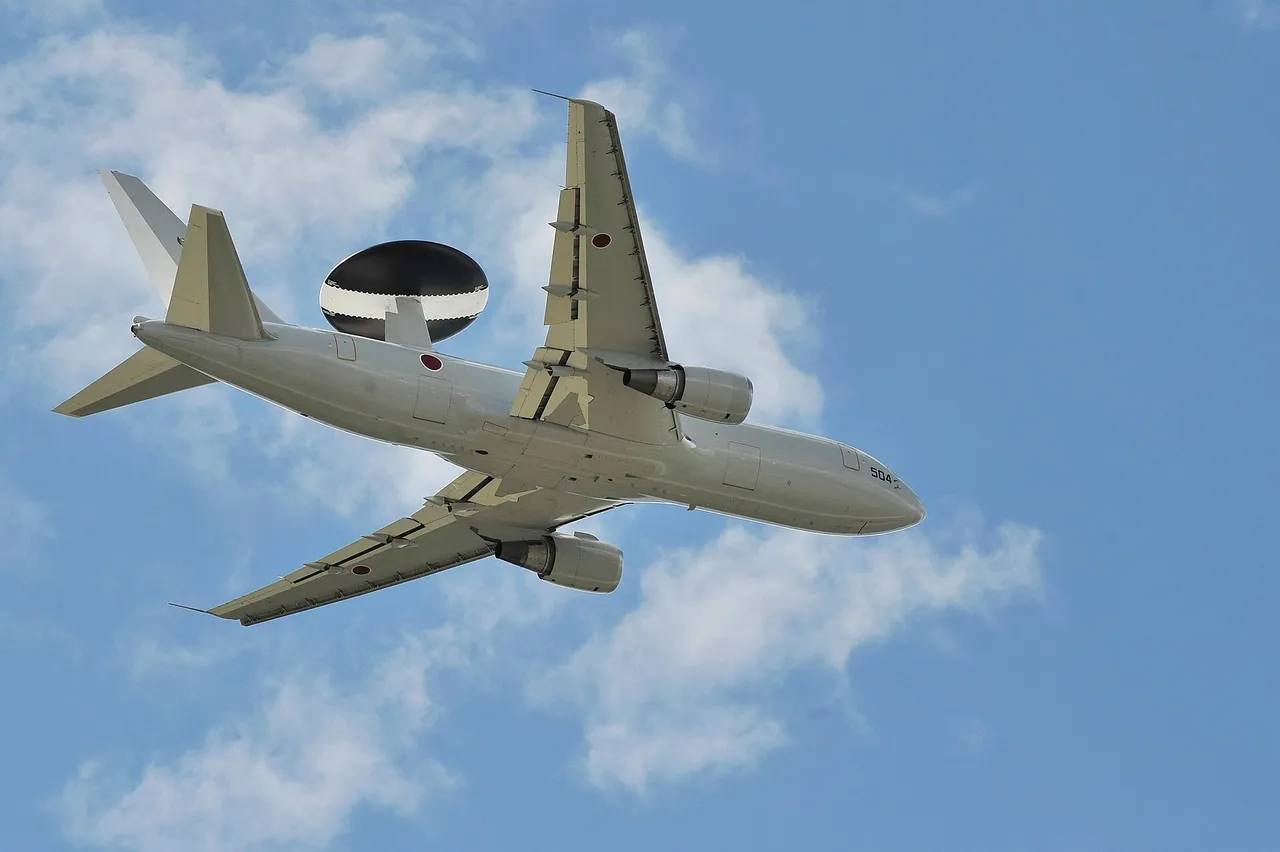
Japan's E-767 airborne warning and control aircraft are set to receive upgraded Link 16 datalink terminals after the US Air Force awarded a 14.9 million dollar contract modification to Georgia Tech Applied Research Corp. on 12 November. The award was published in the daily US defence contract announcements and reported the next day by Defence Blog and IN Defence.
According to the notice, the modification, numbered P00011, covers the delivery of Multifunctional Information Distribution System Joint Tactical Radio System Upgrade terminals, known as MJU, for integration into the E-767. It raises the total value of the underlying contract from about 40.4 million dollars to about 54.8 million dollars. Japan is the customer under the Foreign Military Sales system, and about 14.3 million dollars in its funds were obligated at the time of award. The work will be done in Atlanta and is due to be finished by 30 September 2028, with the Air Force Life Cycle Management Center at Hanscom Air Force Base in Massachusetts acting as the contracting office.
Several details were left out. Both outlets noted that the announcement did not say how many terminals Japan has ordered. Defence Blog added that it also did not name the radio manufacturer, the company that will install the equipment, or the date when the first modified aircraft will fly.
MIDS JTRS is a software-defined successor to the MIDS Low Volume Terminal, a Link 16 radio developed jointly by the United States, France, Germany, Italy and Spain. It keeps the older box size and connectors but adds channels: one carries Link 16 together with the TACAN air navigation aid, while the other three are reserved for future waveforms. The terminal entered service in 2012, and the US Navy-run programme now supplies Link 16 terminals to 58 countries and NATO, Defence Blog reported.
The potential gain for Japan lies in how Link 16 shares airtime. The network divides time into short slots, and a legacy terminal listens to one numbered network per slot, while a terminal with the four-network capability that US forces now field can listen to four at once. Defence Blog said that if the E-767s receive that version, crews could follow far more datalink traffic, easing a constraint for an aircraft whose job is to build an air picture and pass it to fighters and ground controllers.
Georgia Tech's research arm has done similar work before. Under a US Air Force communications upgrade, its engineers replaced the legacy JTIDS terminals on the E-3G Sentry with MIDS JTRS, designing new interface hardware and building a test laboratory in Atlanta that reproduced the aircraft's systems before installation kits were assembled. The Air Force has not said whether the Japanese programme will follow the same approach.
Boeing delivered Japan's four E-767s in 1998 and 1999, and they entered service in 2000 with the Air Self-Defense Force's 602nd Squadron at Hamamatsu Air Base. The type pairs the E-3's radar and mission system with a Boeing 767 airframe. A separate mission computing modernisation, valued by the Air Force at 870 million dollars, returned its first upgraded aircraft to Japan in June 2023, and Boeing received a further modification in March 2025 to continue installation and checkout across the fleet until December 2028.
IN Defence noted that an earlier contract awarded to Boeing in September 2025 already covers support for the E-767 MIDS JTRS effort, including laboratory access, testing and engineering. It said production acceptance, installation on the aircraft and operational evaluation remain distinct steps, and that no integration trial or acceptance date was disclosed with the latest award.
Sources
More in Air Force
Satellite images point to China's biggest Red Sword air force exercise in years
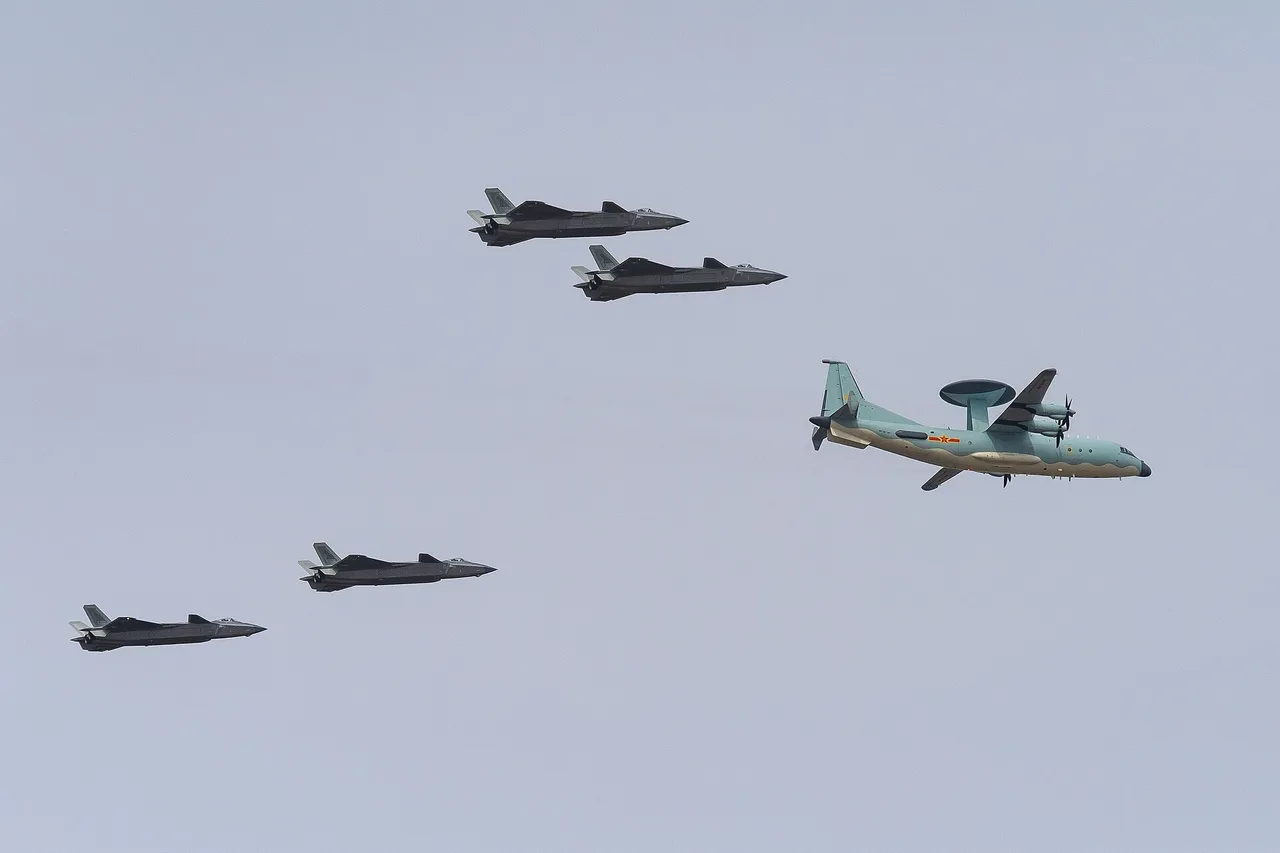
Close to 300 PLA aircraft, including J-20 stealth fighters, H-6 bombers and KJ-500 radar planes, have massed at 11 western airbases, a US institute says.
TaiwanDefence · 18h ago · 3 min read
Taiwan grounds all 65 Brave Eagle trainers after air force confirms brake failure
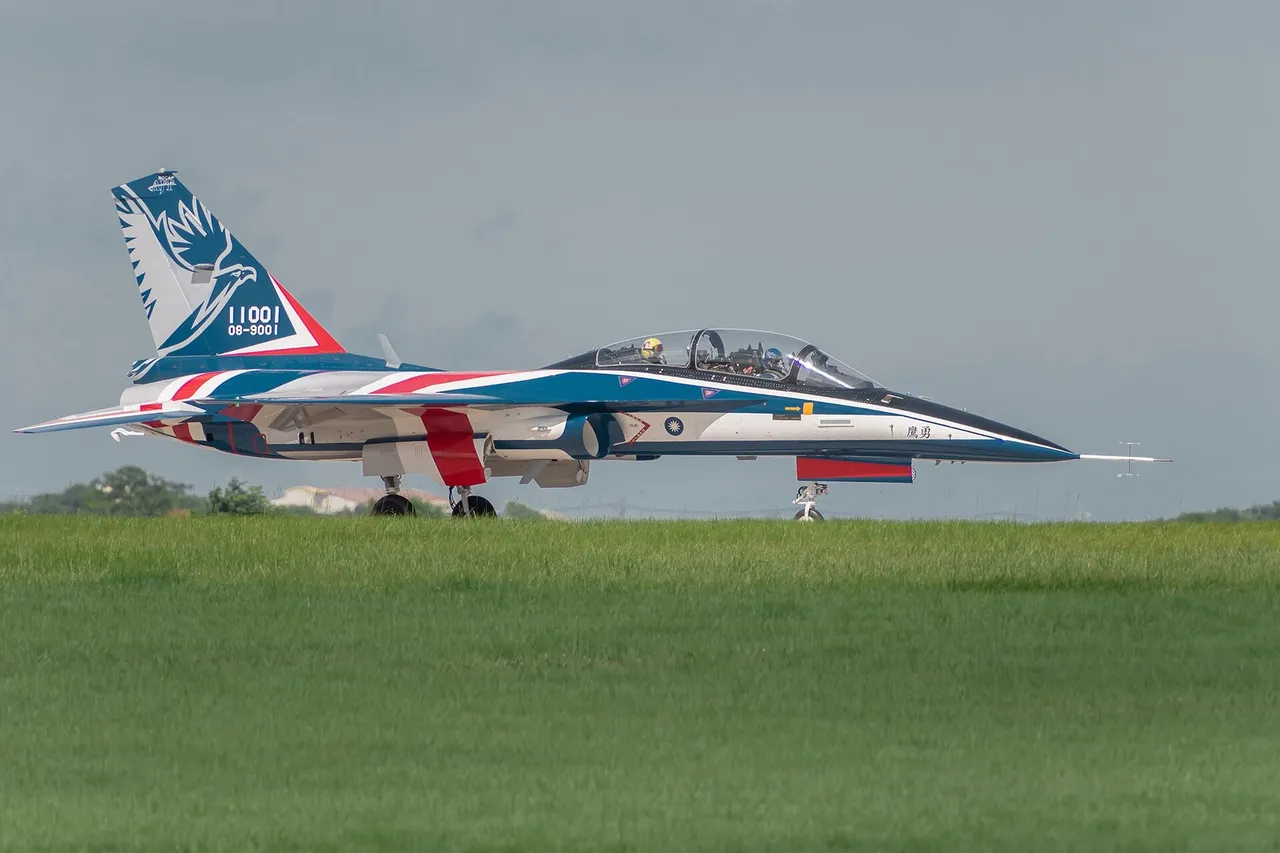
The air force told lawmakers a mechanical fault caused the Gangshan runway excursion, the worst of nine brake-related incidents on the jet in three years.
TaiwanDefence · 2d ago · 2 min read
Taiwan Brave Eagle jet trainer runs off Gangshan runway after brake failure
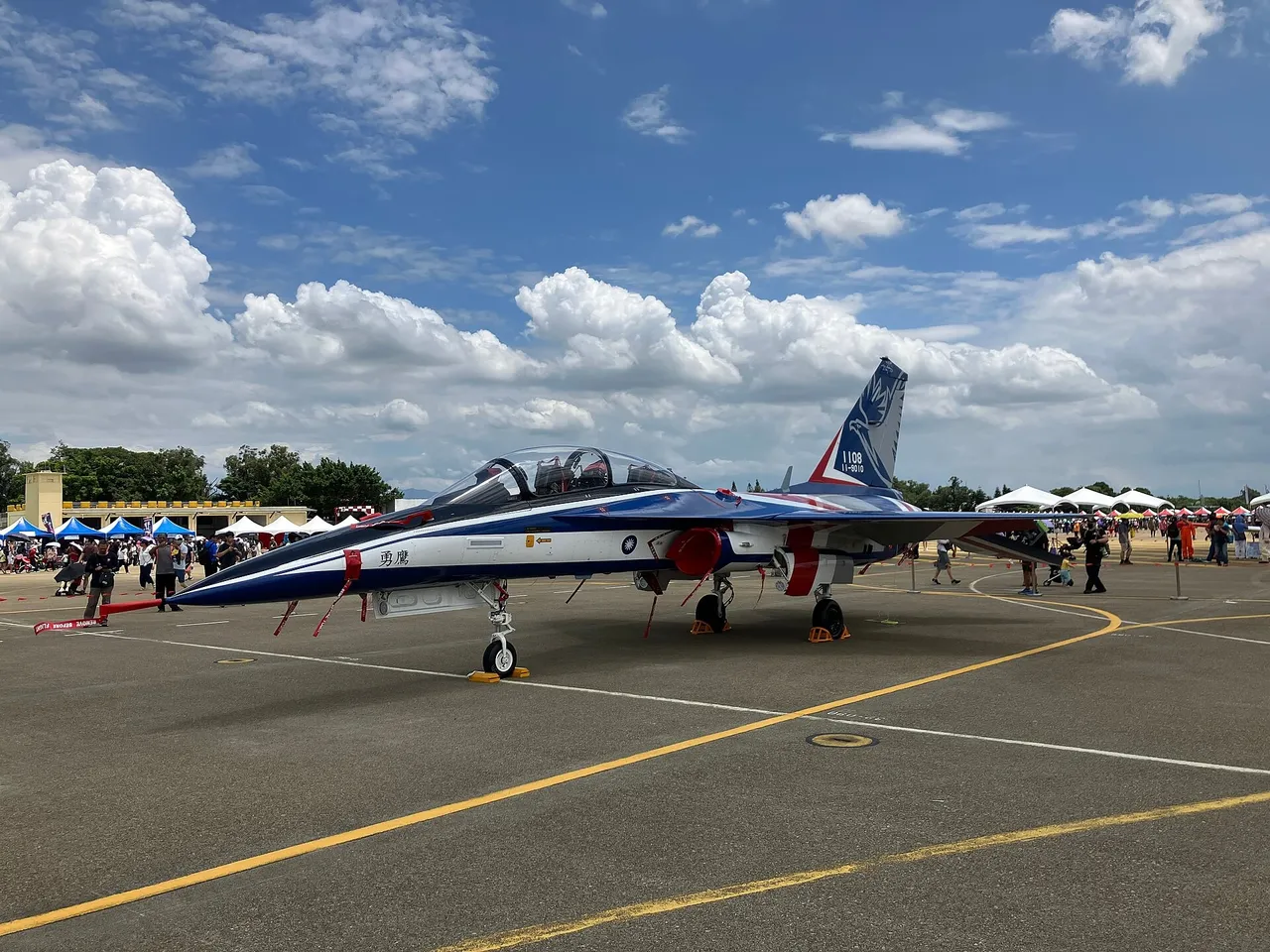
A T-5 trainer burst a tyre and damaged its landing gear on landing at the air force academy base, the second trainer mishap there in under a week.
TaiwanDefence · 3d ago · 2 min read
Discussion (0)
Comments are not currently available.