
US Pacific submarine chief warns China can keep building nuclear attack submarines at pace for a decade
Chris Cavanaugh says the PLA Navy fielded eight Shang III boats in under four years, while Chinese survey work maps seabed near Taiwan, Guam and Hawaii.

TAIPEI —
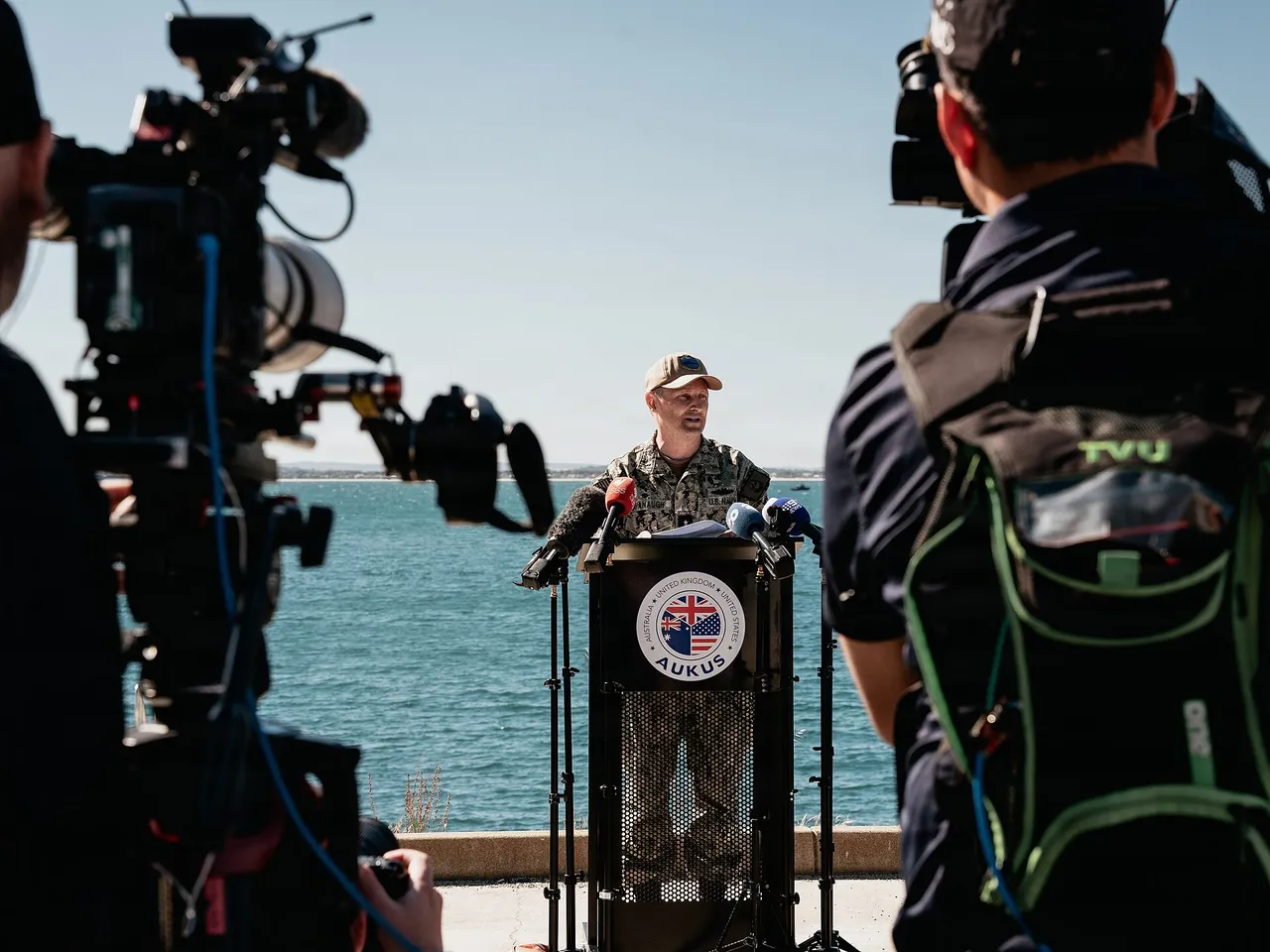
The commander of US Pacific Fleet submarine forces has warned that China's navy is adding nuclear-powered attack submarines at a rate the United States expects it to sustain for at least a decade, while Chinese survey work maps the seabed around key American and allied operating areas. Chris Cavanaugh set out the assessment in talks at the Naval Submarine League's 2026 annual symposium, Naval News and Defense Daily reported.
According to Naval News, Cavanaugh said the People's Liberation Army Navy had brought eight Type 093B attack submarines, known in the West as the Shang III, into service in under four years, and he backed US assessments that Chinese shipyards can keep up a similar pace. Defense Daily reported the same figure of eight Shang-class boats in less than four years. The two outlets differ on the outlook: Naval News put possible output at 20 to 40 Shang III or improved boats over the coming decade, while Defense Daily reported a range of 20 to 30.
Cavanaugh described the Shang III as a major qualitative step, Naval News reported, pointing to better quieting, a bank of 24 vertical launch cells and changes to its propulsion. In his view the improvements were large enough for the boat to be treated as an entirely new class. He argued that China's habit of building a design, refining it and moving quickly on to the next one is an advantage in its own right.
The US submarine force is also watching China's planned Type 095 guided-missile submarine, including its reported X-form rudders and pump-jet propulsion, and the Type 094 and Type 096 ballistic missile submarines that make up the sea-based leg of China's nuclear deterrent, according to the report. Cavanaugh said Beijing was steadily building the shipyards and support infrastructure needed for a larger nuclear fleet, and was getting better at using its boats at both the strategic and tactical level.
Seabed mapping was a central part of the warning. Naval News said Cavanaugh confirmed an earlier Reuters report that Chinese undersea research has been aimed in part at mapping operational areas near the Philippines, Taiwan, Guam and Hawaii, including routes in and out of large US submarine bases at the last two. Defense Daily reported that Beijing was increasingly targeting areas around key American operating locations. The US Navy accepts that the ships doing this work can have valid scientific reasons to be at sea under international law, but treats the research as a step towards preparing a future undersea battlefield, Naval News said.
Cavanaugh also pointed to growing Chinese investment in uncrewed underwater vehicles, the ships that support them and other submersibles. Combined with the mapping work and the expanding industrial base, the Navy sees a methodical Chinese effort to narrow the US lead under the sea over time, according to Naval News. Defense Daily framed the challenge as a threat to the undersea advantage that underpins both conventional US operations and the country's nuclear deterrent.
Russia came second on Cavanaugh's list. He highlighted the Borei-class ballistic missile submarines now with Russia's Pacific Fleet, the Poseidon nuclear-armed underwater drone and the quiet Yasen-class cruise missile submarines, and said the combined Chinese and Russian undersea threat was growing rapidly, with consequences for how well the US force can keep track of the domain. Naval News reported that he also noted North Korea's newly shown ballistic missile submarine and its claimed torpedo and propulsion advances, while saying the Navy was withholding judgement on whether those claims hold up.
Sources
More in Indo-Pacific
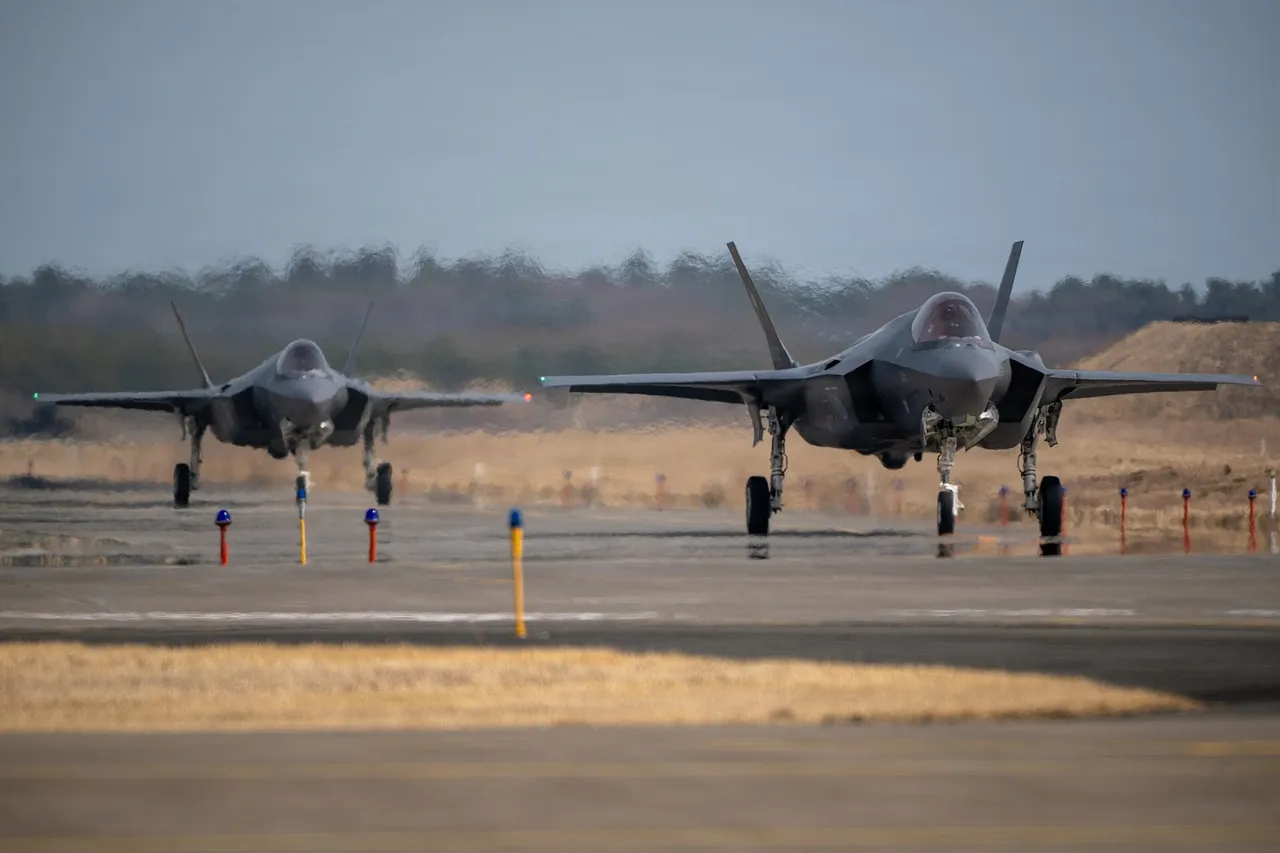
Japan warns defence firms of deep order cuts as Tokyo eyes a smaller five-year military budget
Finance officials want 50 to 60 trillion yen for 2027 to 2031, well below the 80 trillion yen some planners sought, putting F-35 and missile buys at risk.
TaiwanDefence · 1h ago · 3 min read
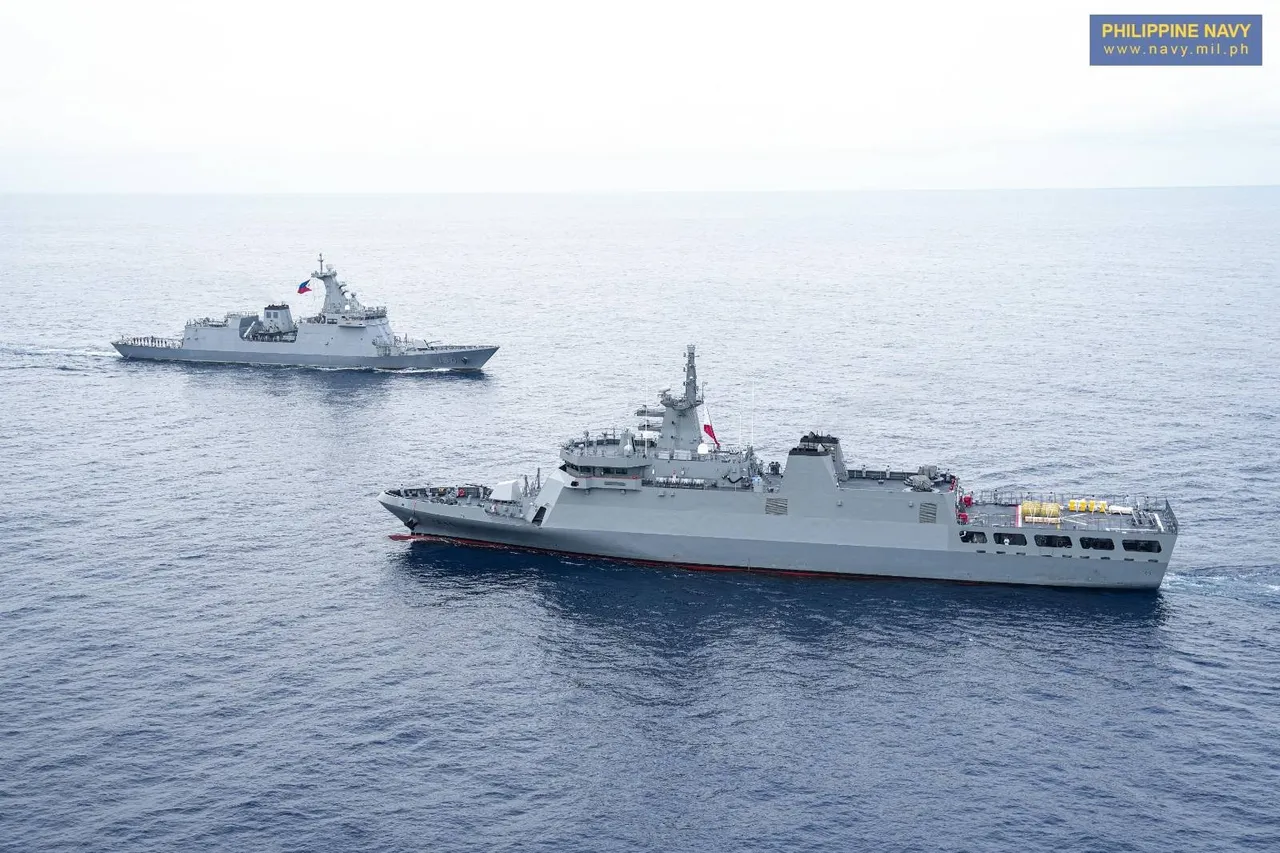
Philippine Navy commits most of its Manila-based fleet to guard the ASEAN summit
Two new 2,400-tonne offshore patrol vessels will join Marines, naval commandos and aircraft securing Manila Bay for the ASEAN leaders' meetings on 16 to 18 November.
TaiwanDefence · 2h ago · 2 min read
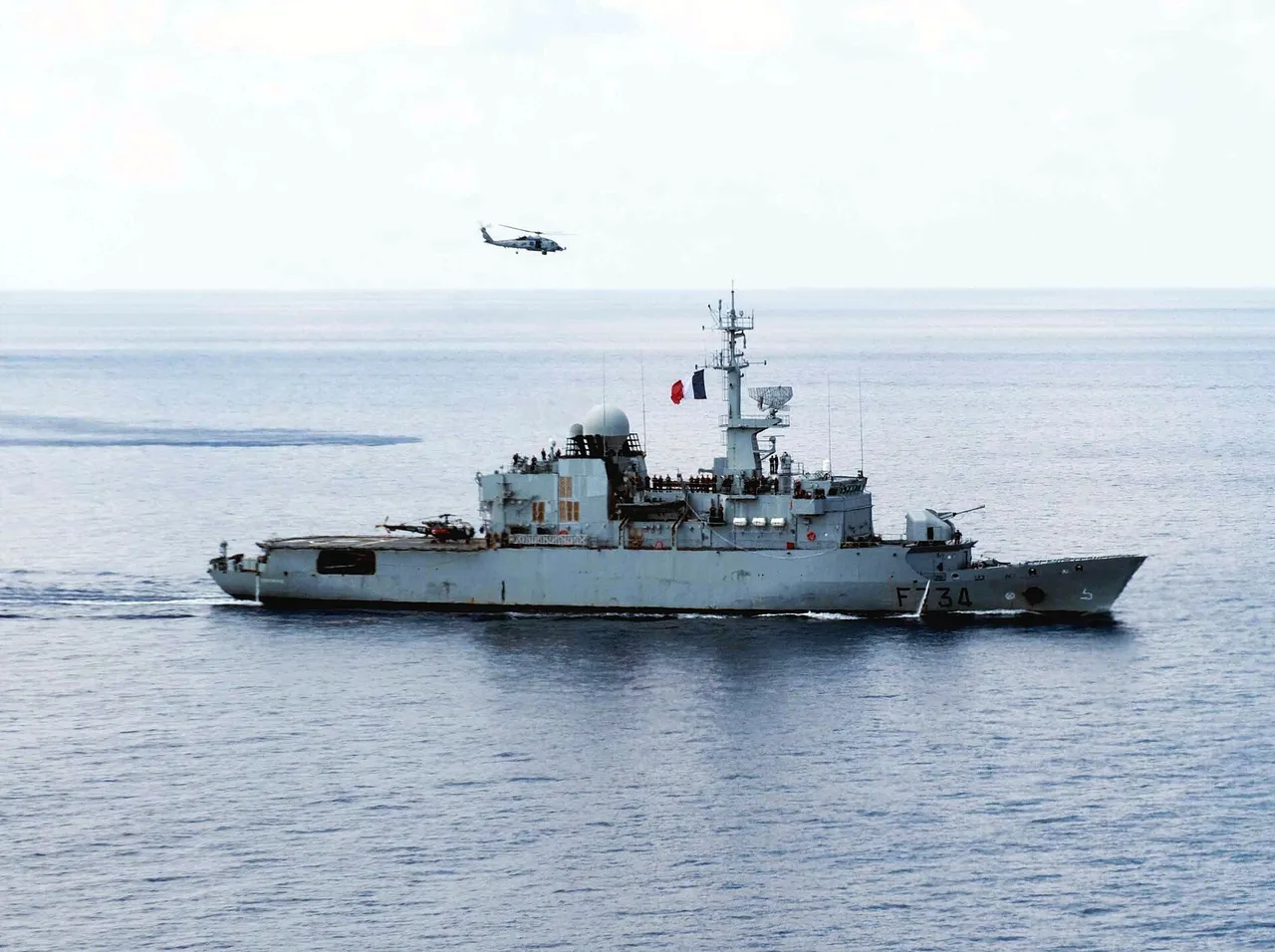
France offers to help Vietnam build its own frigates as a French warship visits Hai Phong
France's ambassador used a frigate's port call at the Vietnamese navy's home city to pitch helicopters, satellite work and support for building warships locally.
TaiwanDefence · 4h ago · 3 min read
Discussion (0)
Comments are not currently available.