
Japan warns defence firms of deep order cuts as Tokyo eyes a smaller five-year military budget
Finance officials want 50 to 60 trillion yen for 2027 to 2031, well below the 80 trillion yen some planners sought, putting F-35 and missile buys at risk.

TAIPEI —
Japan has warned defence contractors to expect deep cuts to the orders they had been counting on, after Finance Ministry officials proposed a smaller budget for the country's next five-year military buildup, Reuters reported on Friday, citing four people familiar with the matter. According to the report, the officials proposed last week that Japan spend between 50 trillion and 60 trillion yen on defence over the five years starting in April 2027.
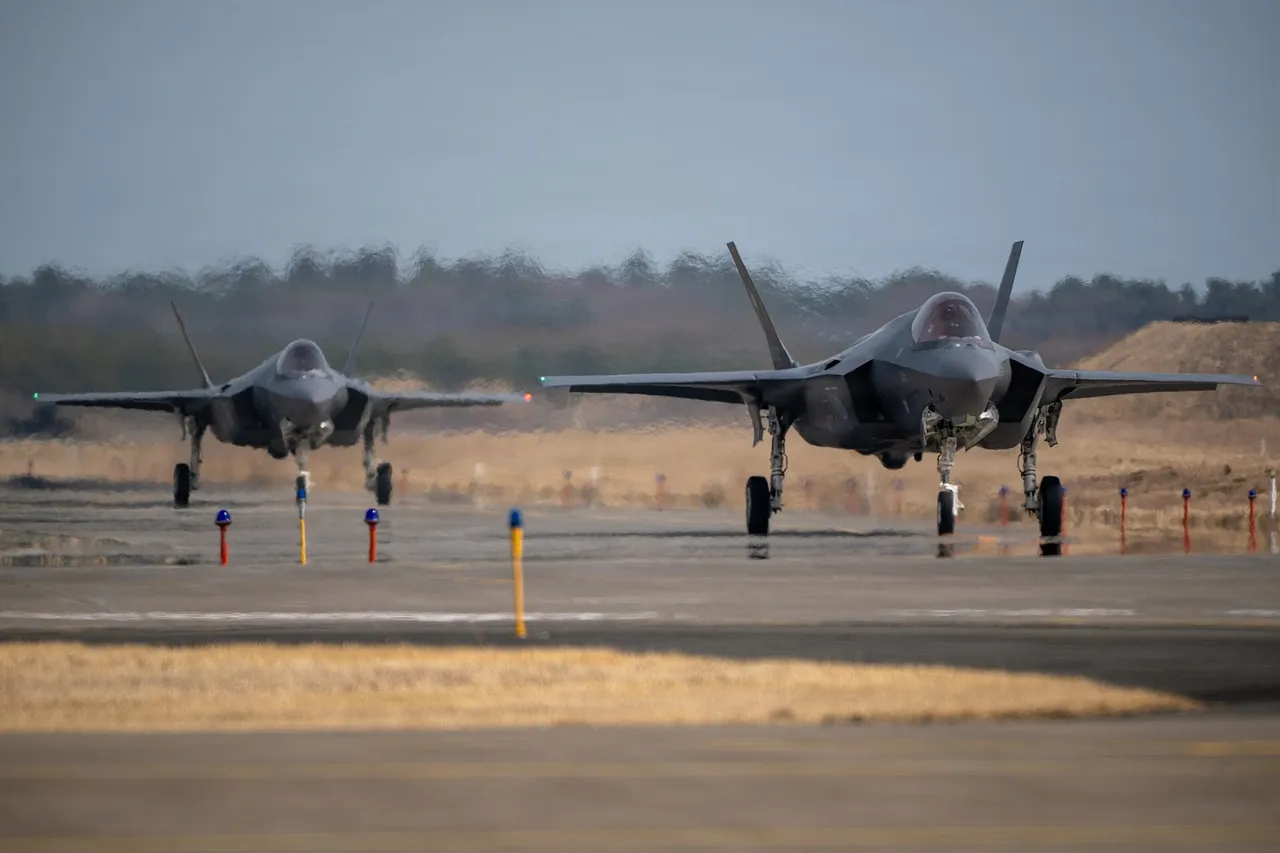
That range would be larger than the roughly 43 trillion yen set aside in the current plan, which covers the 2023 to 2027 fiscal years. But it falls well short of the 80 trillion yen that some defence officials and lawmakers in the ruling Liberal Democratic Party had assumed and had used in talks with contractors, the people told Reuters. They said the lower figure could mean cuts of as much as half in planned purchases of some missiles and aircraft, including the US-built F-35 stealth fighter.
Japanese media reported a similar range on the same day. The Nikkei business daily said the finance and defence ministries had begun coordinating on a total of 50 trillion to 60 trillion yen, against an early Defence Ministry estimate of about 70 trillion to 80 trillion yen. Kyodo News reported that the government was working towards a figure of around 60 trillion yen for the 2027 to 2031 period, which would be written into the Defence Buildup Program when Japan revises its three core security documents at the end of the year.
Funding is the main constraint. The Mainichi Shimbun, citing several government officials, reported that Prime Minister Sanae Takaichi has told people around her that she is wary of a large tax increase to pay for defence. The paper said finance authorities had called the 80 trillion yen estimate unrealistic, and that a sharp tax rise would sit awkwardly with the government's planned cut to the consumption tax, worth about 5 trillion yen a year, from April 2027. Japan's defence budget for the 2026 fiscal year stands at 8.8 trillion yen, according to the paper.
Finance Ministry officials argue that a steeper increase would be hard to fund alongside Takaichi's pledges to invest in growth and cut the sales tax on food, three of the sources told Reuters. Finance Minister Satsuki Katayama told reporters that the government's advisory panel on security and defence had not yet discussed the matter in that much detail, so it was too early for her to comment. A ruling party official told the agency that a figure in the 50 trillion yen range was unacceptable, arguing that Japan needed to be ready for a contingency at any time.
Kyodo said the next plan is expected to centre on buying large numbers of drones and building up stocks of ammunition and missiles for a prolonged conflict. It also reported that a proposed new agency to support retired Self-Defense Force members and their families may be dropped. It remains unclear whether the Trump administration, which has been pressing allies to spend more, would accept the lower total, the agency added.
Investors reacted quickly. Shares of Kawasaki Heavy Industries, Mitsubishi Heavy Industries and IHI fell sharply in Tokyo on Friday after the reports, the market news service Kabutan said. It added that Japan Steel Works, Sinfonia Technology and Nippon Avionics also dropped steeply as disappointment over the size of the budget spread through defence-related stocks.
Pressure from Washington is part of the backdrop. Reuters noted that the 2026 US National Defense Strategy calls on allies to spend 3.5 percent of gross domestic product on their armed forces and a further 1.5 percent on wider security needs. The Mainichi reported that the government is considering adding spending on economic security, such as critical minerals and semiconductors, and on space to its list of security-related costs, which would raise the headline total it can present to the United States.
Sources
More in Indo-Pacific
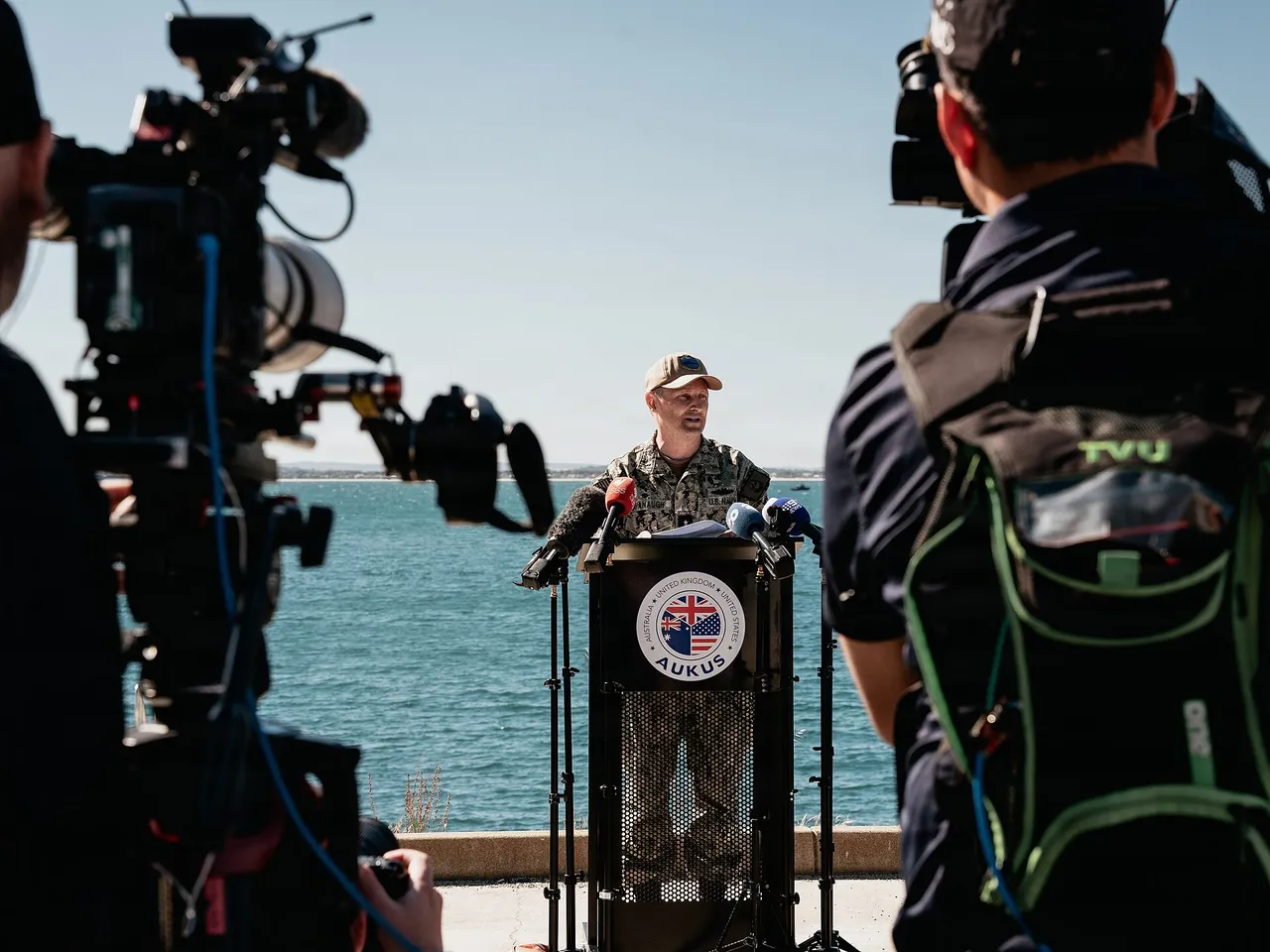
US Pacific submarine chief warns China can keep building nuclear attack submarines at pace for a decade
Chris Cavanaugh says the PLA Navy fielded eight Shang III boats in under four years, while Chinese survey work maps seabed near Taiwan, Guam and Hawaii.
TaiwanDefence · 49m ago · 3 min read
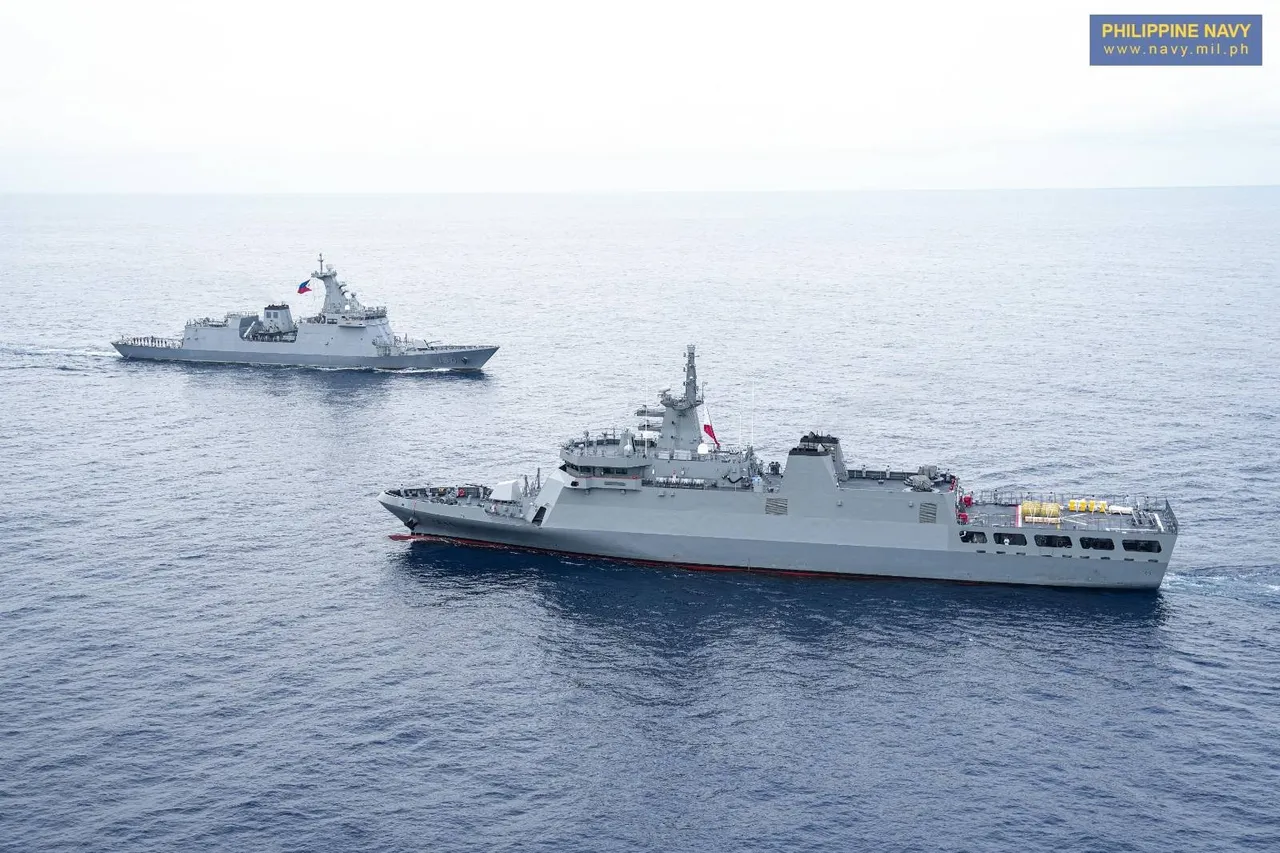
Philippine Navy commits most of its Manila-based fleet to guard the ASEAN summit
Two new 2,400-tonne offshore patrol vessels will join Marines, naval commandos and aircraft securing Manila Bay for the ASEAN leaders' meetings on 16 to 18 November.
TaiwanDefence · 2h ago · 2 min read
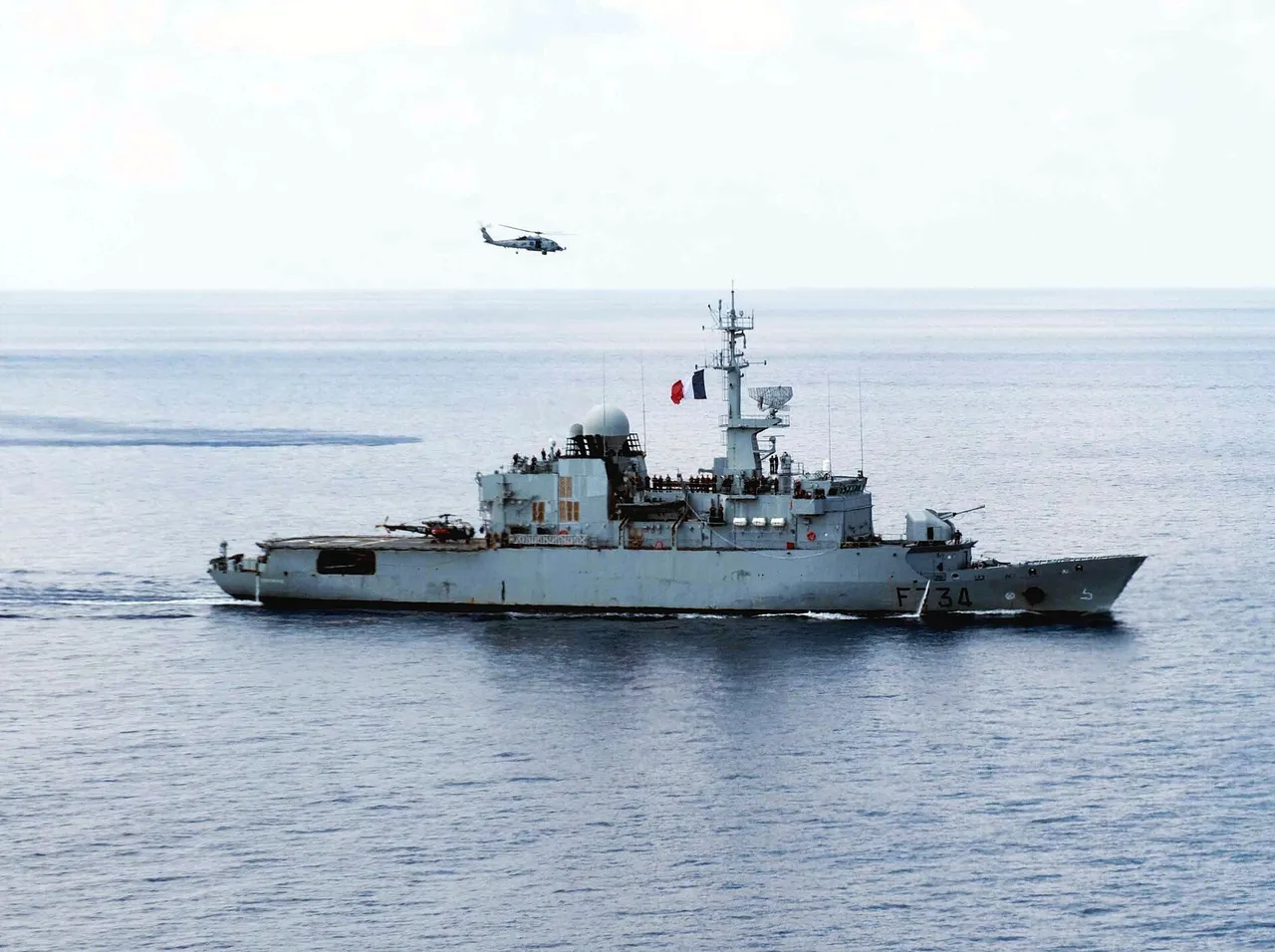
France offers to help Vietnam build its own frigates as a French warship visits Hai Phong
France's ambassador used a frigate's port call at the Vietnamese navy's home city to pitch helicopters, satellite work and support for building warships locally.
TaiwanDefence · 4h ago · 3 min read
Discussion (0)
Comments are not currently available.