
L3Harris stages a live battle network demonstration in Taiwan, linking AI targeting and drone defences
The US contractor's three-day EVEREST event in Miaoli tied Palantir's Maven software, Link 16 and counter-drone kit into one network, though no contract has been announced.


TAIPEI —
US defence contractor L3Harris used a three-day event in Miaoli County, Taiwan, to show how a single resilient network could tie together sensors, weapons, artificial intelligence and civilian emergency services for Taiwanese, American and allied forces. The demonstration, called EVEREST: Pacific Vigilance, ran from 11 to 13 November at the facilities of two local partner firms, the rocket company TiSPACE and the drone maker Rayvatek.
Mirror Daily reported that dozens of international companies and local small and medium-sized firms took part. Earlier EVEREST events were held in Britain in 2023 and in the Netherlands in 2025. L3Harris described the setup as a joint all-domain operations network meant to shorten the cycle from planning to decision and to speed up the link between sensors and strike systems, while holding up under electronic attack and anti-access measures.
L3Harris software-defined radios formed the backbone of the network. According to the reports, Palantir's Maven Smart System used artificial intelligence to merge intelligence and sensor data across tactical networks in real time, with the aim of cutting the time between finding a target and striking it. Amazon's Leo commercial satellite service and Link 16 tactical data links gave units several separate paths to stay connected across command levels.
For early warning, the demonstration included a joint electronic warfare centre that analyses signals in the electromagnetic spectrum to spot threats, along with airborne early warning. Counter-drone lanes featured L3Harris's VAMPIRE and Drone Guardian systems and electro-optical and infrared sensors, working through the network to detect swarm attacks and cue an intercept. Defense War Room noted that VAMPIRE is a truck-mounted kit that fires laser-guided 70mm rockets and has been supplied to Ukraine, which could offer a cheaper answer to small drones than air defence missiles.
Partner firms supplied much of the hardware. Taiwan's Champion Auto built a new mobile shelter for the command system, and Booz Allen provided a light tactical operations centre that links civilian P25 public-safety radio with military networks. United Daily News reported that the command system, housed in a Taiwanese-made military-standard container, can run on mains power or generators and can merge video from high and low-altitude drones, ground sensors and individual soldiers' cameras of the kind tested in this year's Han Kuang exercise.
Other lanes covered fire coordination and the home front. The L3Harris Wraith mobile ad hoc network waveform carried jam-resistant voice and data and connected to the RTX Sentry fire control system, while a Rayvatek vertical take-off drone flew with an embedded L3Harris radio. United Daily News said an AI-assisted soft-kill system scanned radio frequencies to jam frequency-hopping drone links using existing tactical radios, without cutting friendly communications. A civil-military scenario showed soldiers keeping contact with police, fire and medical teams while handling casualties, prisoners and evacuees.
Kevin Steubing, L3Harris vice president for international business development, said the event brought dozens of different technologies into one network for persistent sensing, early detection, fires coordination and whole-of-society defence. Jack Glasgow, who leads customer relations at the company, said the systems were ready to deploy and could be scaled.
The event was a vendor showcase rather than a military programme. Defense War Room pointed out that L3Harris has not announced any contract, confirmed Taiwanese government participation or released performance data. United Daily News added that Taiwan's defence policy now stresses domestic production and co-production, so how much of the equipment the armed forces adopt, and whether it can be integrated with existing command systems across the services, will depend on each service's operational needs. The defence ministry said on 3 November that it wants to move from a linear kill chain to a networked kill web linking sensors, command nodes and firing units, which is the problem the demonstration set out to address.
Sources
More in Industry
US defence logistics firm plans a P1.26 billion drone hub on the Philippines' Pacific coast
Anglicotech and the Aurora ecozone authority have agreed to study a dual-use centre in Casiguran for testing, training and later building aerial and sea drones.
TaiwanDefence · 1d ago · 3 min read
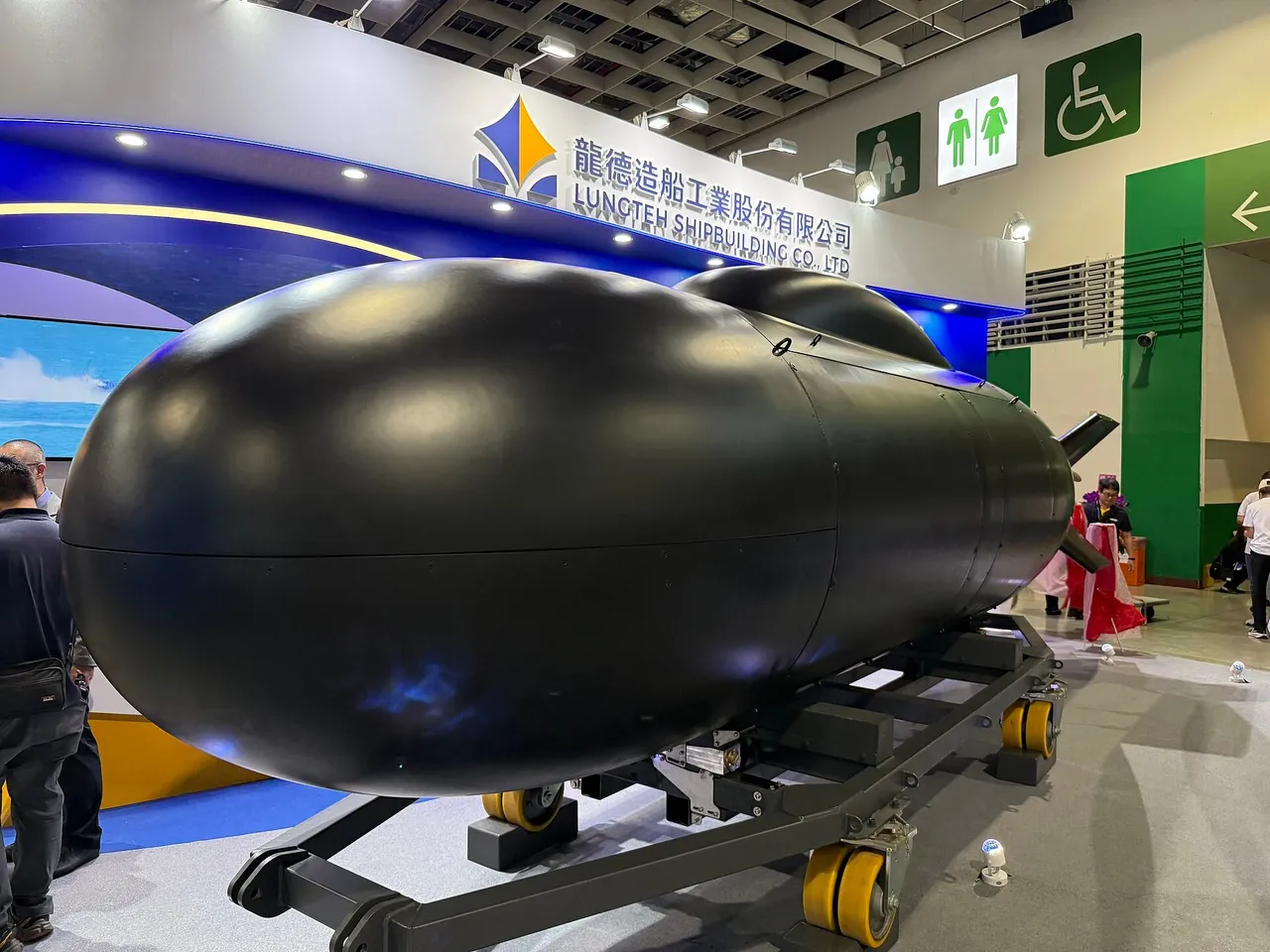
Taiwan's Black Whale underwater drone, built with British firms, goes into the water for the first time
Lungteh Shipbuilding's nine-metre uncrewed submarine was lowered into the harbour at Su'ao on 11 November for its first water test, local media reported.
TaiwanDefence · 1d ago · 3 min read
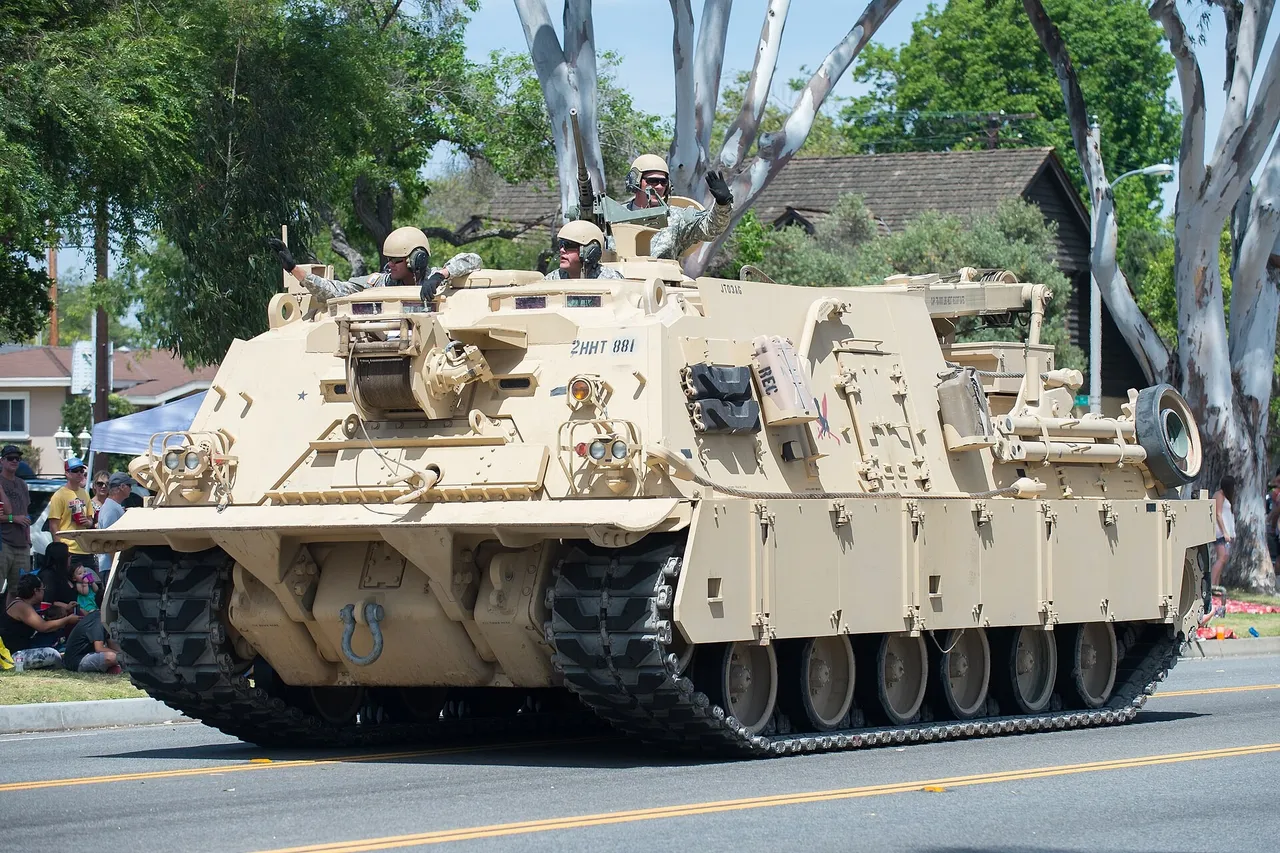
BAE Systems signs Taiwan repair deal to speed parts for army recovery vehicles, AAV7s and howitzers
Taoyuan-based Champion Auto will become a local route to BAE factory parts and engineers, starting with M88A2 recovery vehicles before moving on to AAV7s and M109 guns.
TaiwanDefence · 2d ago · 2 min read
Discussion (0)
Comments are not currently available.