
Cambodia starts its first military conscription as 5,000 recruits begin training
Hun Manet opened the draft on Independence Day and paired it with a shake-up that pulls soldiers out of small district posts and into battalions.
TAIPEI —
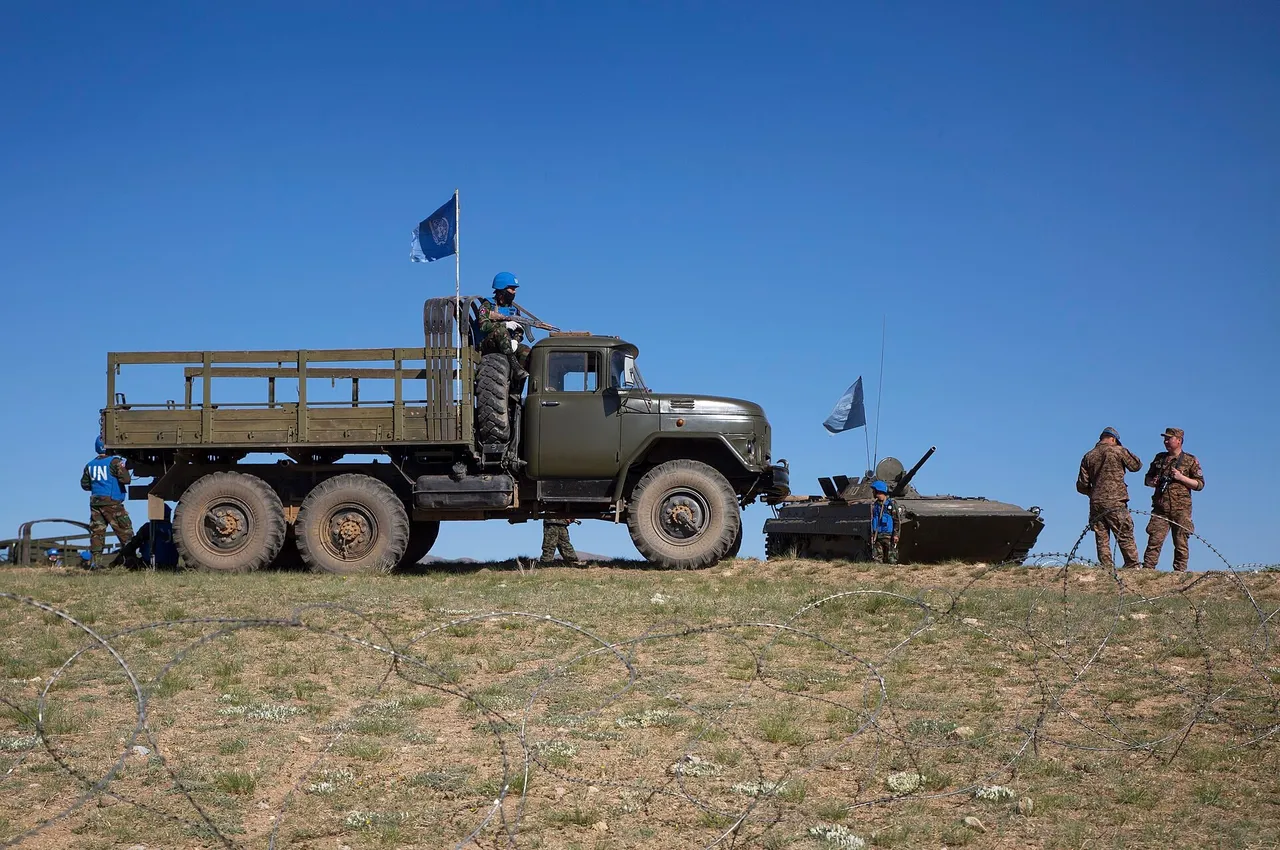
Cambodia has started its first military conscription programme, with 5,000 young recruits beginning compulsory training on 9 November, the 73rd anniversary of the country's independence. Prime Minister Hun Manet opened the first intake at a ceremony at a defence training school in Kampong Speu province, calling it a milestone for national defence and describing the recruits as its strongest foundation.
The government plans to bring in 10,000 conscripts in 2026, split into two intakes of 5,000 each, and says future recruitment will be set every year according to what the armed forces actually need. The first group was picked from more than 15,000 people who registered during an outreach campaign that began in early October through military police units and an online system.
Each conscript faces two years in uniform. The first three months are basic training, which a defence ministry spokeswoman, Lieutenant General Maly Socheata, said would run for six to eight hours a day with no leave until it is complete. Recruits then spend 21 months serving in active units. Cambodianess reported that instruction will cover infantry combat, armoured warfare, air defence, engineering, intelligence and logistics.
The first intake has been spread across eight training centres, including the non-commissioned officer schools of the Special Military Region and Military Regions 1 to 5, a special forces school and the Koh Chne defence training school. Conscripts receive a monthly allowance of 400,000 riels and benefits equal to those of professional soldiers.
The conscription law took effect on 23 May. It requires men aged 18 to 25 to serve 24 months, which can be extended by up to six months, while women may volunteer. Buddhist monks, clergy, people with disabilities and qualified experts are exempt. Evading service can bring six months to two years in prison in peacetime and two to five years in wartime or during foreign aggression. Once their service ends, conscripts move into the military reserve and may apply to become professional soldiers.
Hun Manet used the same ceremony to announce changes to how the army is organised. According to Cambodianess, he said district-level military sub-operation areas, small posts of about 16 soldiers, will be abolished, with routine security left mainly to the police, military police and village guards. Troops scattered across those posts will be pulled together into battalions, and sub-regional military zones will be graded into three categories with more than 600, 500 or 300 personnel.
The prime minister first announced plans for conscription in July 2025, as Cambodia's border dispute with Thailand turned into armed confrontation. At the time he said the confrontation was a lesson that required Cambodia to review and reform its military, revived a 2006 service law that had never been enforced, proposed lengthening service from 18 to 24 months and pledged to look at raising the defence budget, while insisting his aims were defensive.
The start of the draft puts Cambodia alongside Singapore, Vietnam, Thailand, Laos and Myanmar among Southeast Asian states with some form of compulsory service. Combined with the move to consolidate soldiers into larger battalions and shift policing duties to other forces, the first intake points to an effort by Phnom Penh to build a larger, better-trained army focused on national defence rather than local security tasks.
Sources
More in Indo-Pacific
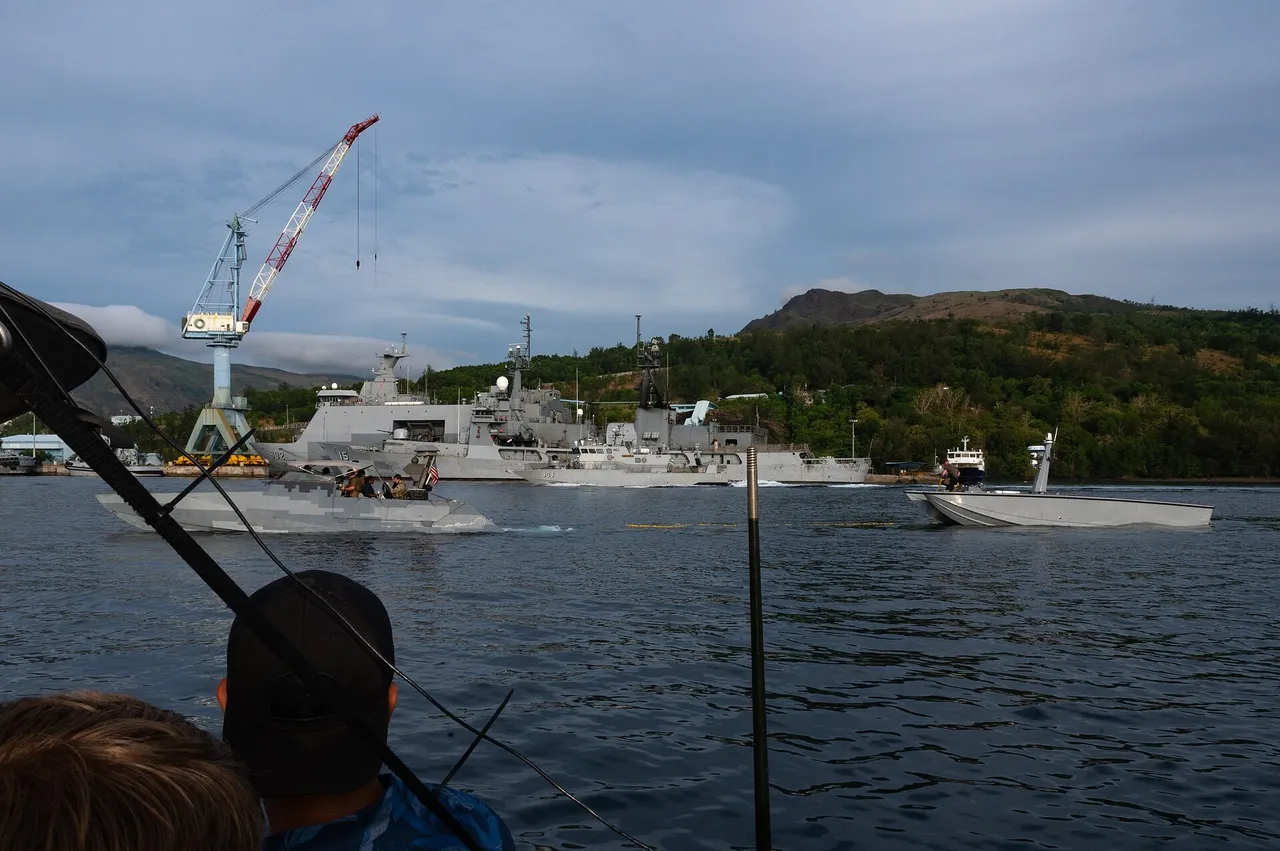
US hands Philippine Marines two Devil Ray drone boats worth more than $8 million
The US Embassy says the two uncrewed T38 surface vessels will let the Philippine military watch wider stretches of its waters for longer and at lower cost.
TaiwanDefence · 1h ago · 2 min read
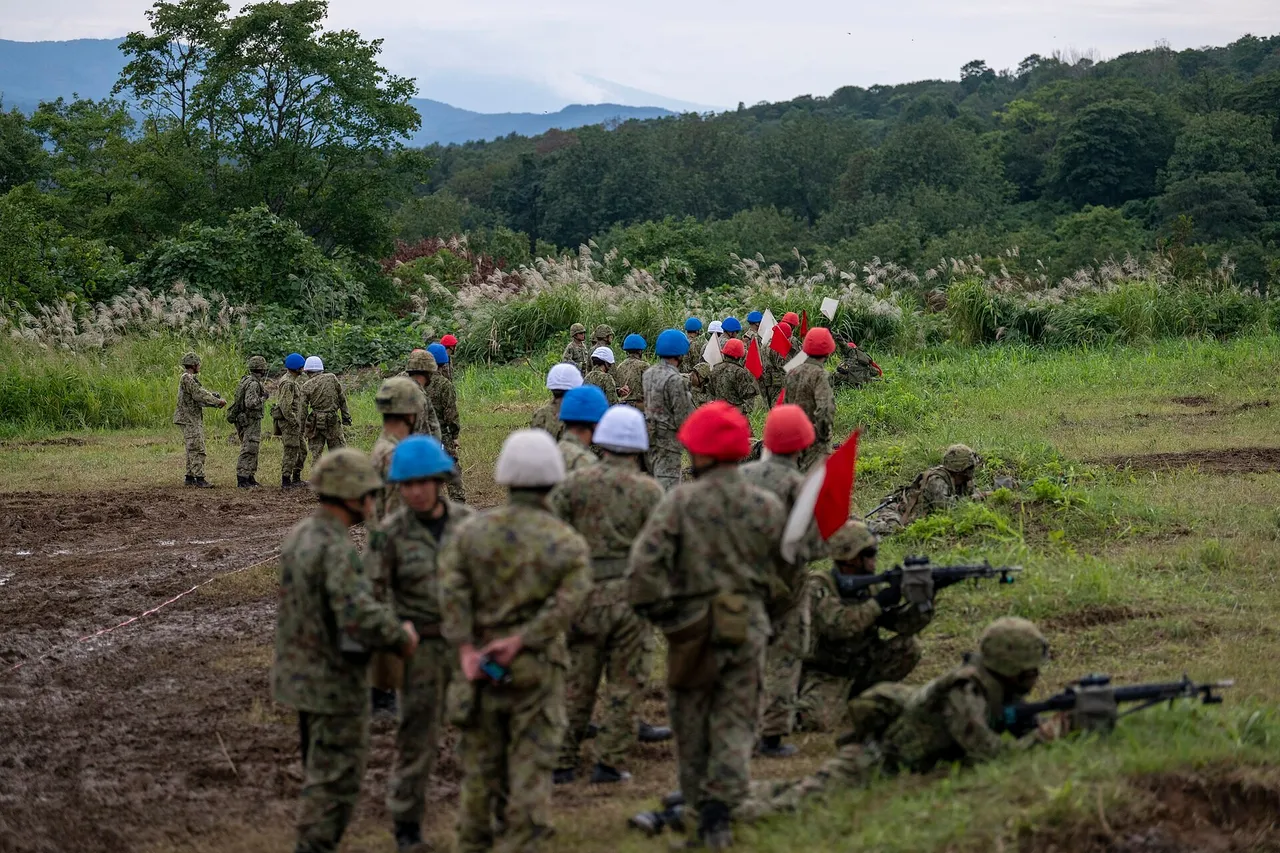
Japanese lawmakers urge letting SDF members work to 65 as early retirement and recruiting gaps bite
A cross-party caucus led by former defence minister Gen Nakatani wants retiring SDF personnel guaranteed public-service jobs to 65 and a new support agency.
TaiwanDefence · 2h ago · 2 min read
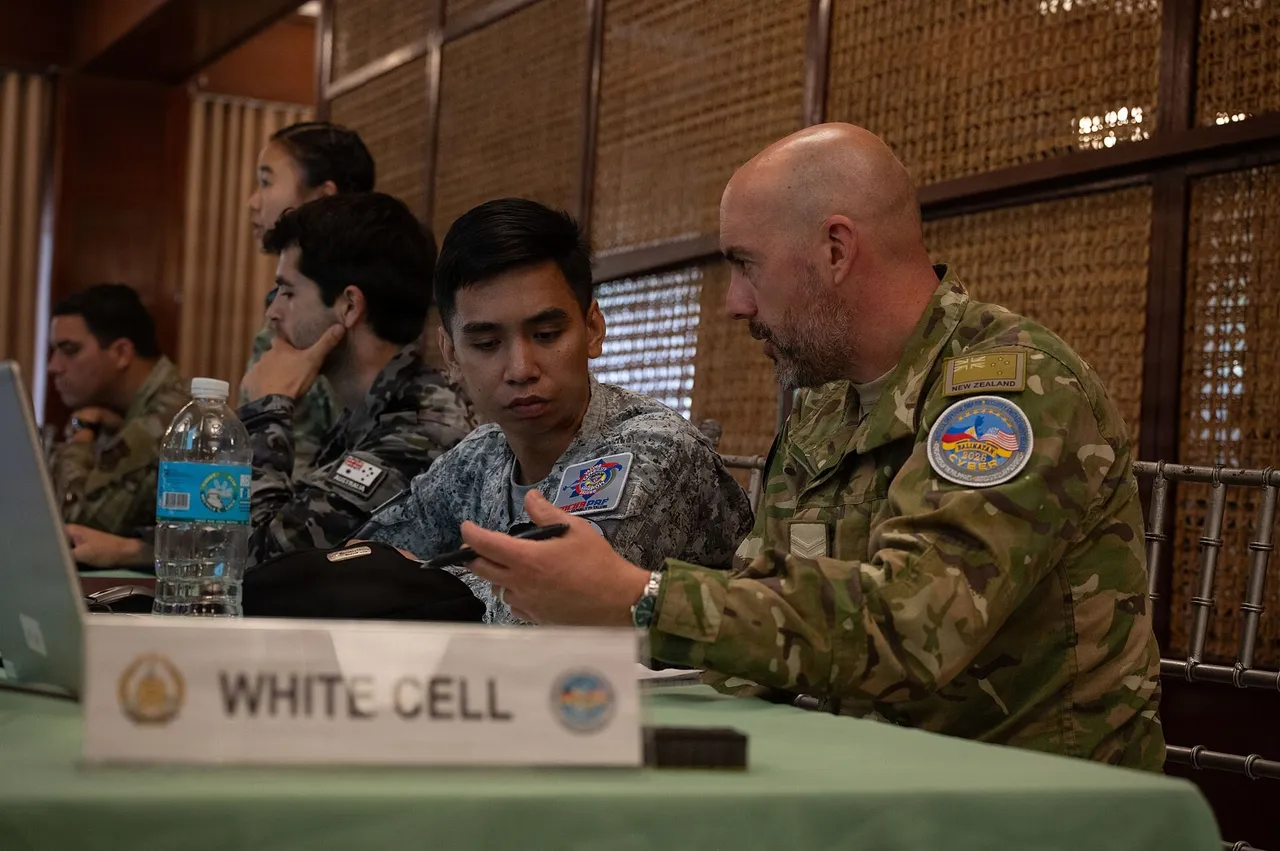
Philippine military investigates claimed hack of air force personnel records
The AFP says it has not confirmed any breach after a dark web post claimed files from a Philippine Air Force personnel system were stolen.
TaiwanDefence · 5h ago · 3 min read
Discussion (0)
Comments are not currently available.