
Germany weighs a role in the GCAP fighter as Merz and Takaichi agree to deepen defence ties
The German chancellor said a mandate to study fighter cooperation is ready, as both leaders called for peace in the Taiwan Strait and planned ministerial talks.
TAIPEI —
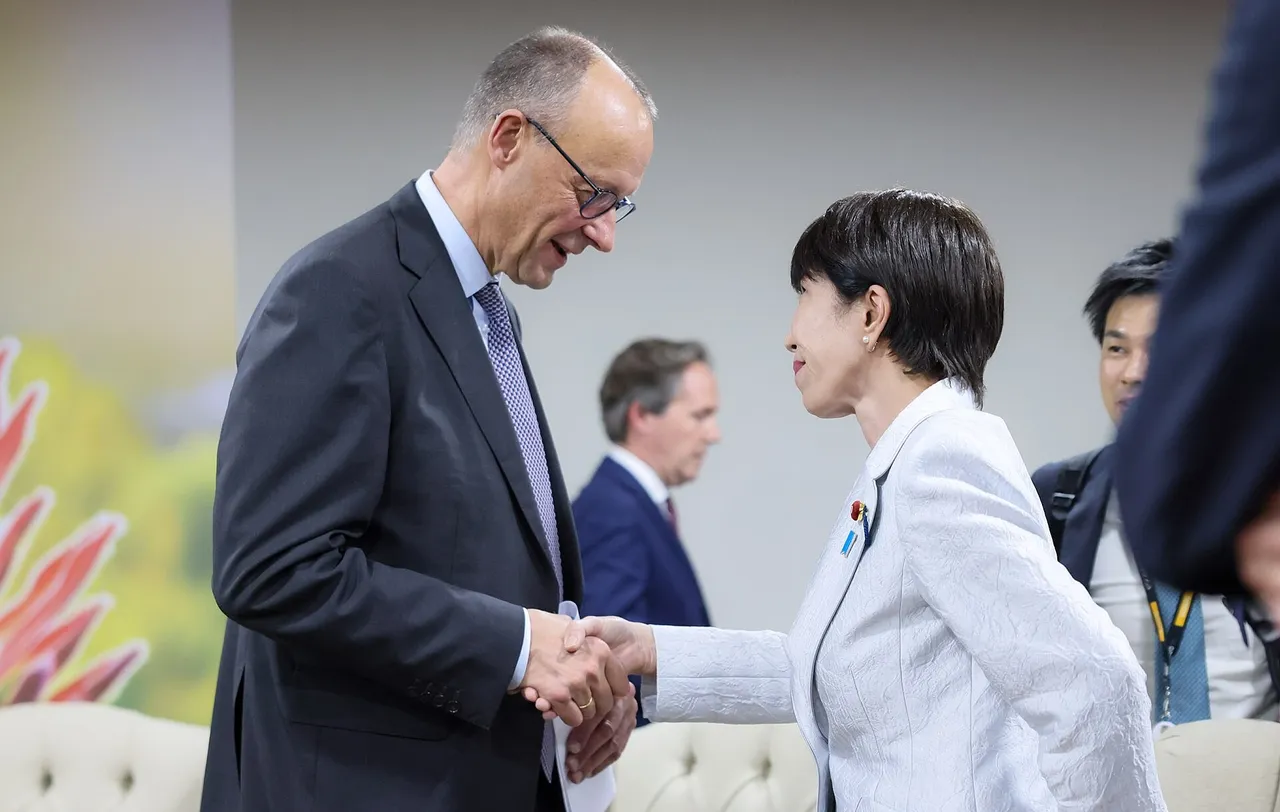
Germany will examine whether it can join Japan in developing a next-generation combat aircraft, Chancellor Friedrich Merz said in Tokyo on Wednesday 28 October after talks with Prime Minister Sanae Takaichi. He told a joint news conference that a mandate to study such cooperation had already been prepared, but gave no further detail.
His remarks were widely read as a sign of German interest in the Global Combat Air Programme, or GCAP, the fighter project Japan is running with Britain and Italy. Berlin is looking for alternatives after its long-troubled Future Combat Air System project with France collapsed earlier this year. Japan's Sankei Shimbun reported that the two leaders confirmed a policy of considering German participation in the three-nation fighter plan.
Merz told reporters after the news conference that the German and Japanese defence ministers would meet soon to discuss the question, Reuters reported. He said talks among the existing partners on how to divide the industrial work were already well advanced, and that Germany was weighing all of its options. He also cautioned that Berlin might not be able to meet the timetable Japan hopes for, a decision by early next year. The GCAP aircraft is due to enter service in 2035, and British Prime Minister Andy Burnham said earlier this month that the UK was open to German participation.
Takaichi did not mention GCAP by name. She said Japan would promote defence industry cooperation in areas where the two countries' capabilities complement each other, and that the leaders had agreed to strengthen strategic cooperation across a wide range of fields, according to Reuters and Kyodo News as cited by Anadolu Agency.
Taiwan Strait and wider security
Merz used the news conference to raise the Taiwan Strait. Jiji Press reported that he said the principle in the UN Charter prohibiting the use of force applies to the strait, and that he called on the countries and regions concerned to act with caution. The Sankei Shimbun reported that he voiced concern about the situation in the Indo-Pacific and stressed the importance of peace in the strait.
In a joint statement, the two leaders said the security of Europe and the Indo-Pacific is closely linked, according to Taiwan's Central News Agency as reported by Taiwan News. They expressed concern about tensions in the East and South China Seas, opposed any attempt to change the status quo by force or coercion, and called for peace across the Taiwan Strait and a peaceful resolution of cross-strait issues.
On defence, the statement said Japan and Germany would hold talks between their foreign and defence ministers soon and would explore joint military exercises and cooperation on defence technology, including unmanned systems. The Sankei Shimbun said the leaders also agreed to strengthen cooperation between the Japan Self-Defense Forces and the German armed forces, alongside defence industry ties.
Minerals, AI and a return visit
Beyond defence, the leaders agreed to make supply chains for rare earths and other critical minerals more resilient by diversifying suppliers and developing new sources, and to set up a high-level dialogue on artificial intelligence. They also pledged to work together against foreign disinformation and interference spread through social media and AI tools.
The visit was Merz's first to Japan since he took office in May last year, and about 30 German companies travelled with him, the Sankei Shimbun reported. He said intergovernmental consultations involving both leaders and senior ministers would be held in Berlin next year, and Jiji Press reported that he invited Takaichi to visit the German capital in 2027.
For now, any German role in GCAP remains a study rather than a commitment. The coming meeting of defence ministers is the next point at which Berlin and Tokyo could show whether the fighter talks, the planned joint exercises and the unmanned-systems work move beyond the summit statement.
Sources
More in Indo-Pacific
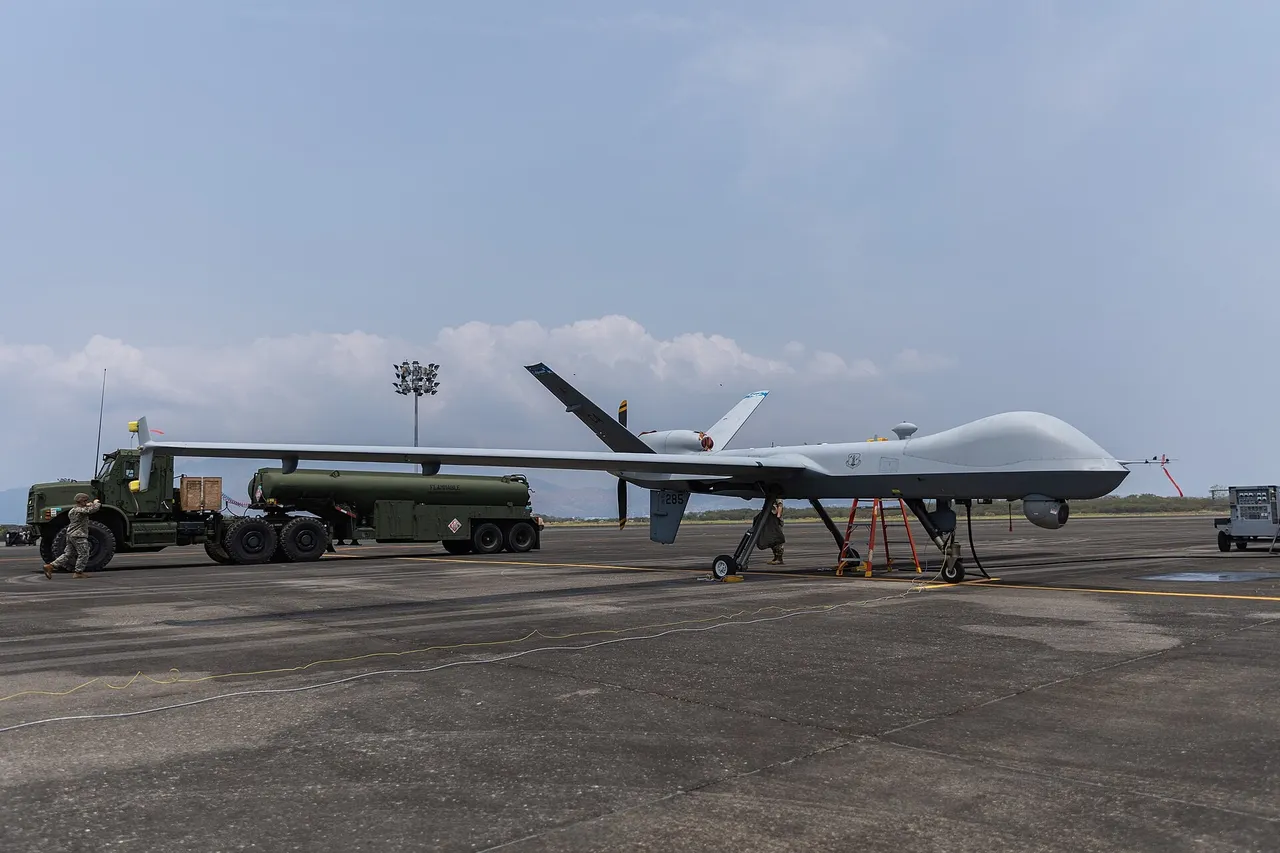
A US Marine Reaper drone unit is now flying from Palawan, much closer to Second Thomas Shoal
USNI News says a Marine MQ-9A detachment works from Antonio Bautista Air Base, cutting flight time to South China Sea flashpoints and adding hours over target.
TaiwanDefence · 37m ago · 3 min read
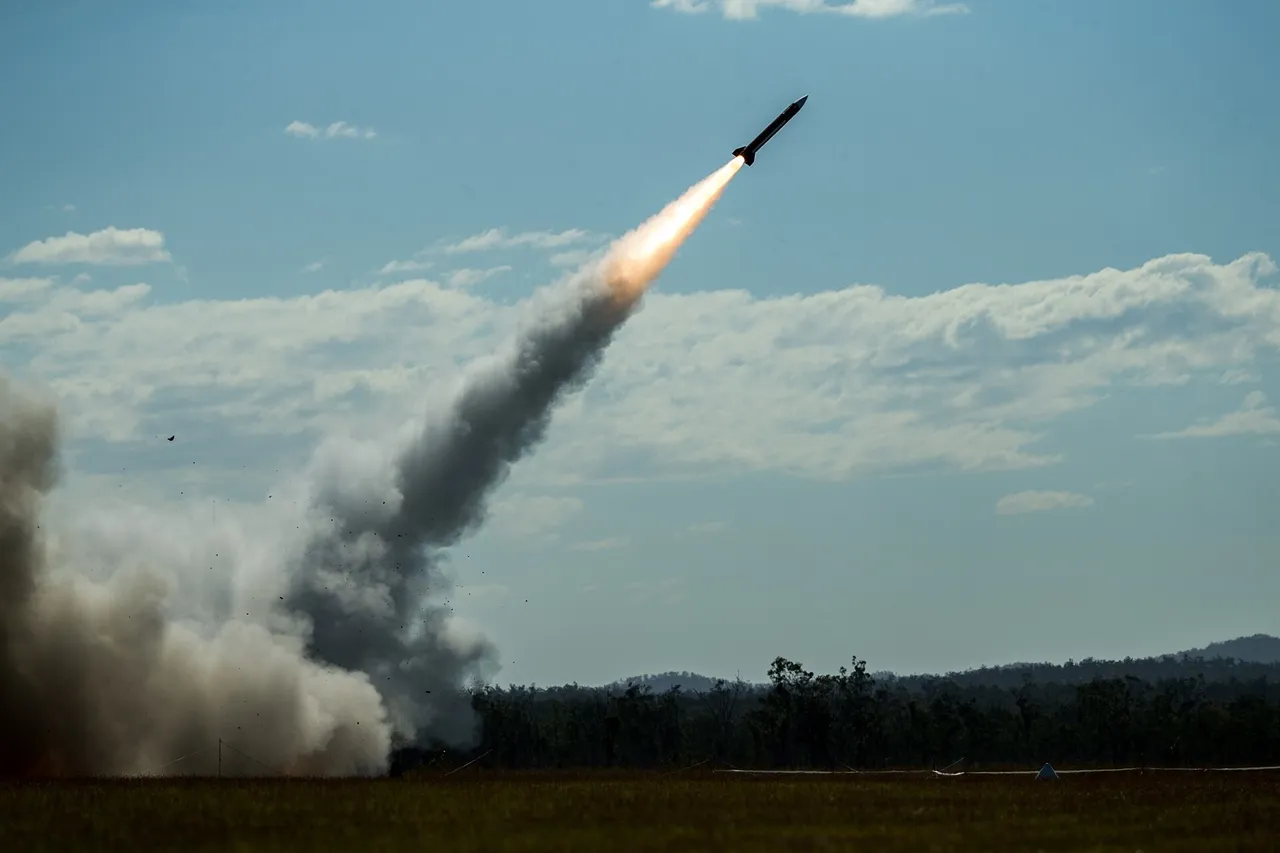
Patriot and a US-built Iron Dome interceptor are in the running for Australia's army missile shield
Defence chiefs told a Senate committee they want a ground-based missile defence system by the early 2030s and will recommend options to the government next year.
TaiwanDefence · 2h ago · 3 min read
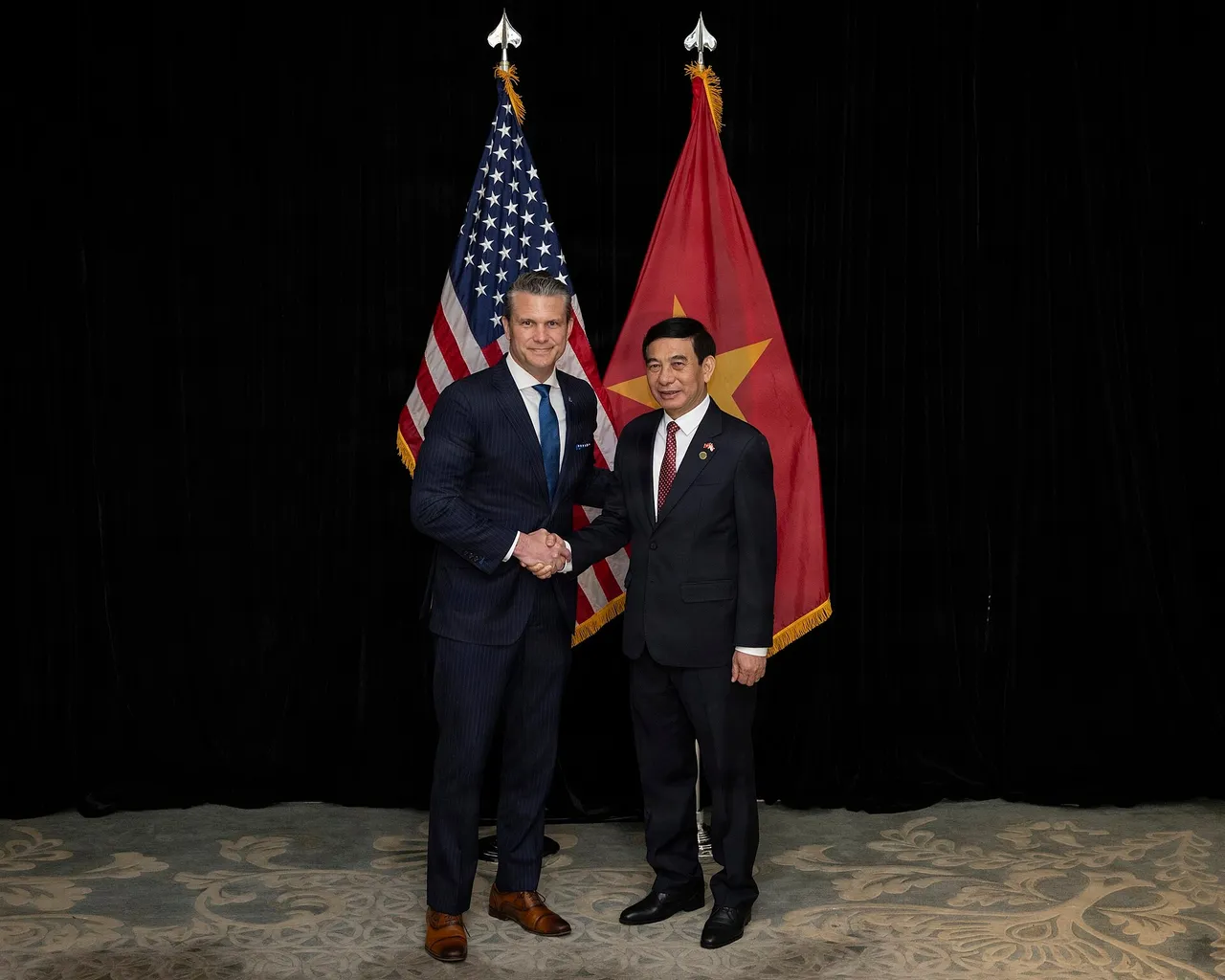
US military hardware is heading to Hanoi's arms expo as Vietnam presses landing-craft talks with Japan
Defence Minister Phan Van Giang welcomed the US plan in talks with Pete Hegseth in Cebu, where he also confirmed progress with Tokyo on jointly building fast landing craft.
TaiwanDefence · 3h ago · 3 min read
Discussion (0)
Comments are not currently available.