
India and Japan push to hold their fourth 2+2 security talks in Tokyo before year-end
Rajnath Singh and Shinjiro Koizumi met in Cebu, welcomed progress on mine countermeasures and warship design, and agreed to speed up plans for ministerial talks.
TAIPEI —
Japanese Defence Minister Shinjiro Koizumi and Indian Defence Minister Rajnath Singh agreed on Wednesday, 28 October, to step up preparations so that the two countries can hold their fourth joint meeting of foreign and defence ministers, known as the 2+2, in Tokyo before the end of this year, together with a separate defence ministers' meeting. The commitment was set out in a joint press statement issued by Japan's Ministry of Defense after the two ministers met in the Philippines.
The talks took place in Cebu on the sidelines of the ASEAN Defence Ministers' Meeting-Plus, which the Philippines is hosting this year as ASEAN chair. Indian accounts said Singh welcomed Koizumi, recalled their previous meeting and said the two countries, as leading Asian democracies, carry a shared responsibility for peace and stability in the Indo-Pacific. Koizumi in turn said Japan was committed to broadening cooperation with India, including on defence.
Progress since August
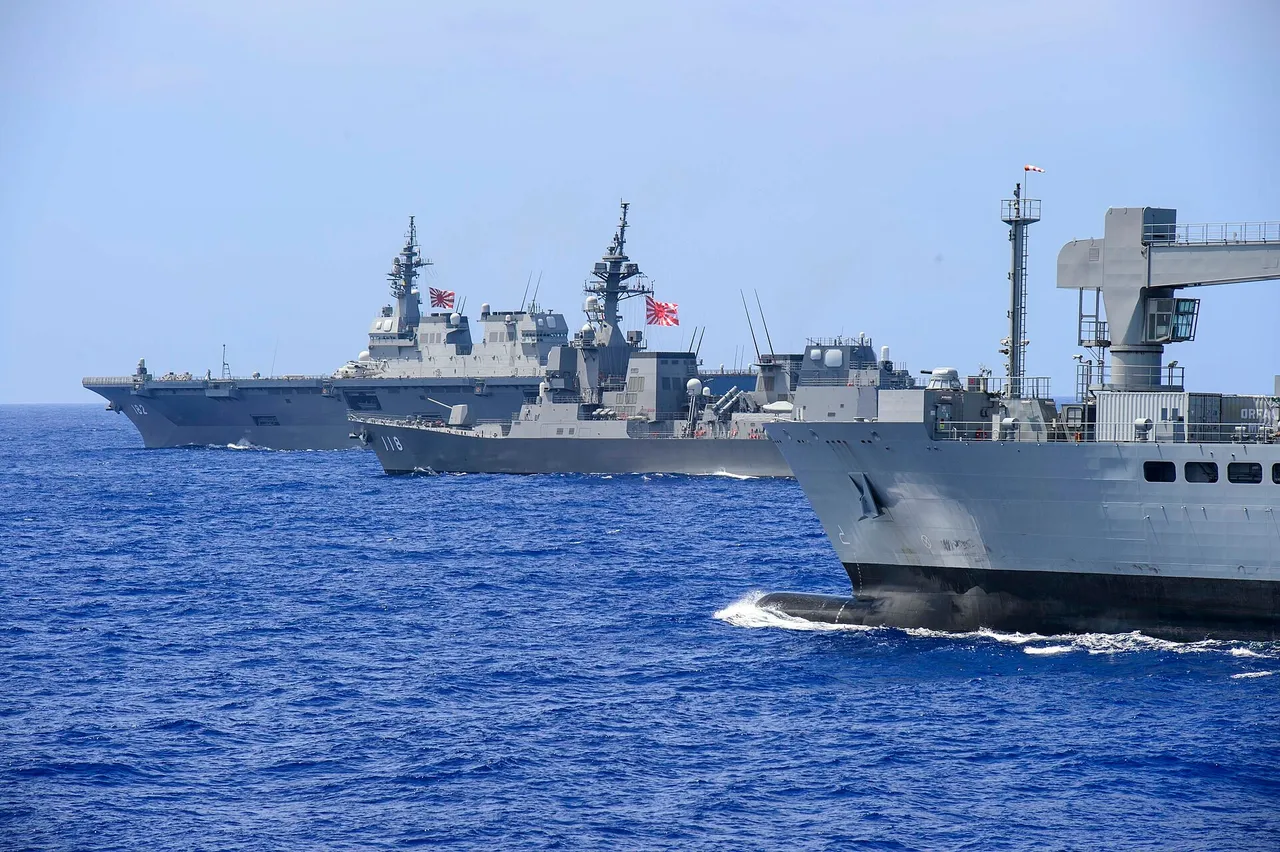
According to the Japanese statement, the ministers welcomed steady progress along the lines they agreed when they last met in August. They noted that discussions on concrete maritime security cooperation had moved forward, including through a visit to Japan by the Indian Navy's vice chief, and covered strengthening mine countermeasures capability and the possibility of jointly developing naval shipbuilding and ship design, drawing on Japan's technical expertise and India's production capacity.
The statement also pointed to air force cooperation. During the Veer Guardian 26 combined air exercise, fighter aircraft of the Japan Air Self-Defense Force visited India for the first time, and a visit by Japan's air chief at the same time advanced talks on closer links between the two air arms. The ministers further welcomed a Japan-India defence industry forum held at the Indian embassy in Tokyo, which brought together about 40 companies from both countries.
Indian coverage described the meeting as building on a partnership that already includes military exercises, maritime security work, personnel exchanges and cooperation on defence equipment and technology, and said both sides back a free and open Indo-Pacific. Japanese press reports ahead of the talks had said Koizumi would use the meeting to confirm closer maritime security cooperation and exchanges between units, and to prepare for the 2+2.
A busy day of bilateral meetings
For Singh, the meeting with Koizumi was one of a series held in Cebu. He had already met US Secretary of War Pete Hegseth and Australian Defence Minister Richard Marles, and was due to meet counterparts from the Philippines, Singapore, Vietnam and South Korea before addressing the main ADMM-Plus session on Thursday.
Why it matters
The meeting puts dates and substance behind a defence relationship that both governments describe as central to Indo-Pacific security. Mine countermeasures and shared warship design would tie Japanese technology to Indian shipyards, while the first JASDF fighter deployment to India marks a step up in air force contact. A 2+2 in Tokyo would give foreign and defence ministers from both sides a forum to formalise that work, at a time when both are deepening security ties with Southeast Asian states and with the United States and Australia.
Sources
More in Indo-Pacific
Kang's first talks with Hegseth end with a December date in Washington and no OPCON year
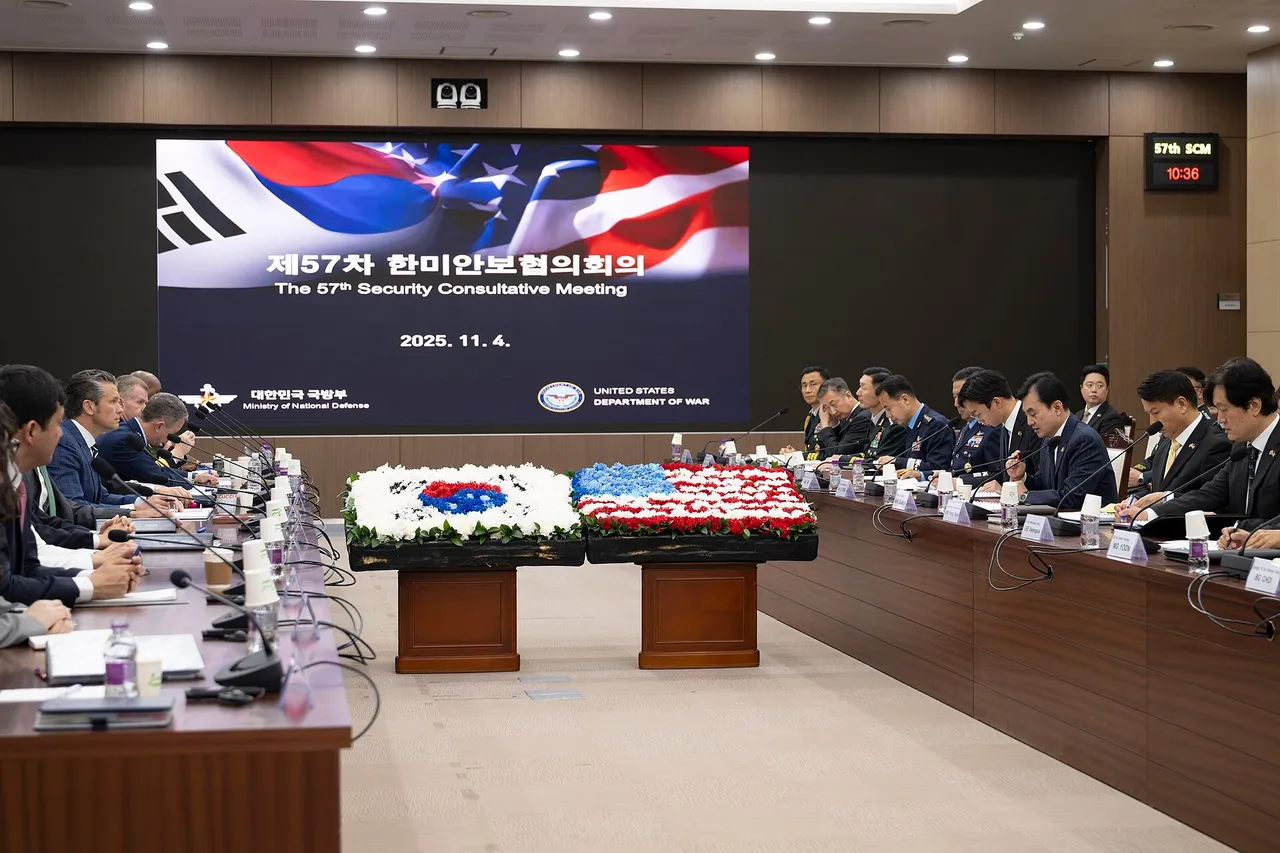
In 40 minutes of talks in Cebu, the US and South Korean defence chiefs set a December meeting and backed only a timely, not accelerated, handover of wartime command.
TaiwanDefence · 19m ago · 3 min read
Kang Shin-chul works the Cebu sidelines to sell Korean arms to India, Malaysia and the Philippines
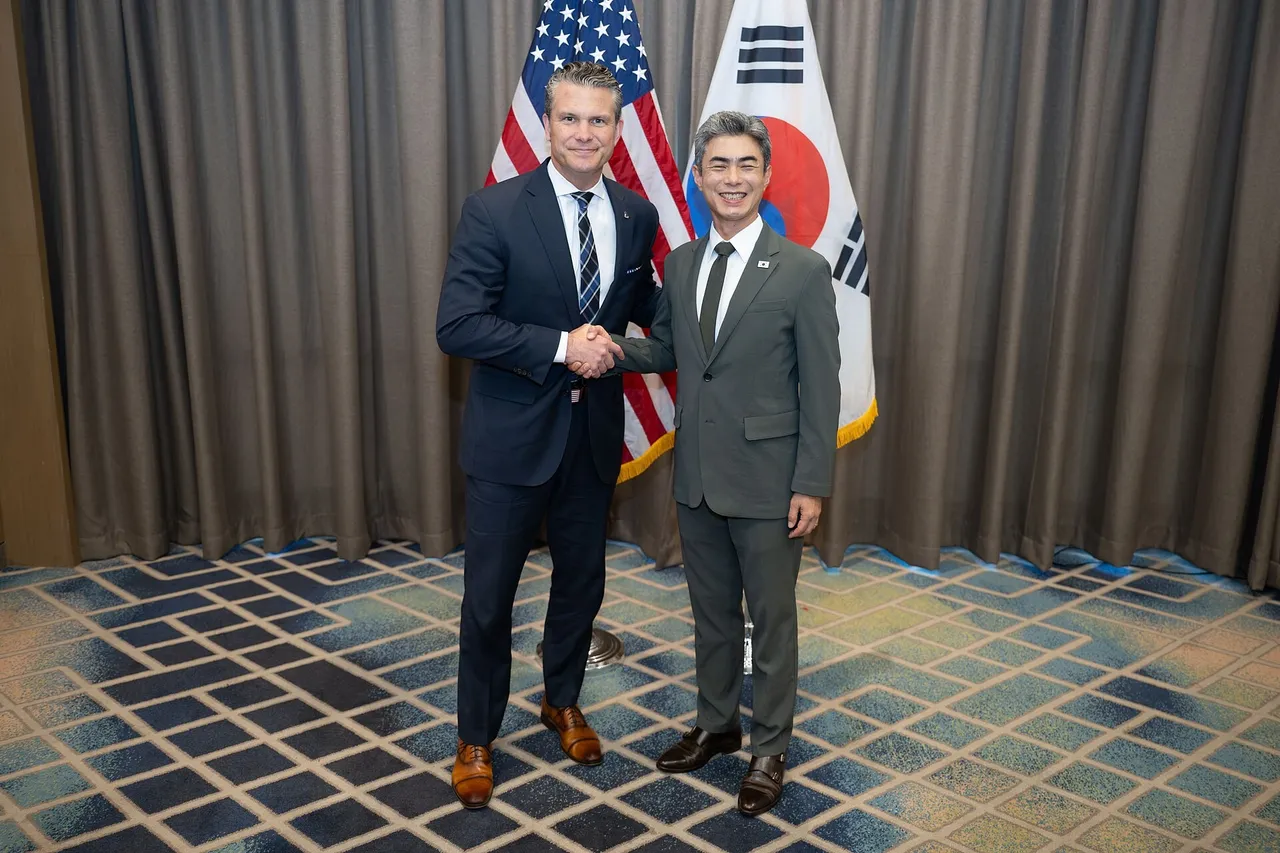
South Korea's defence minister used ADMM-Plus side talks to pursue K9, Biho and FA-50 business and to brief partners on North Korea and its ties with Russia.
TaiwanDefence · 2h ago · 2 min read
Seoul and Tokyo defence chiefs hold first talks, with a North Korean mine blast on the agenda
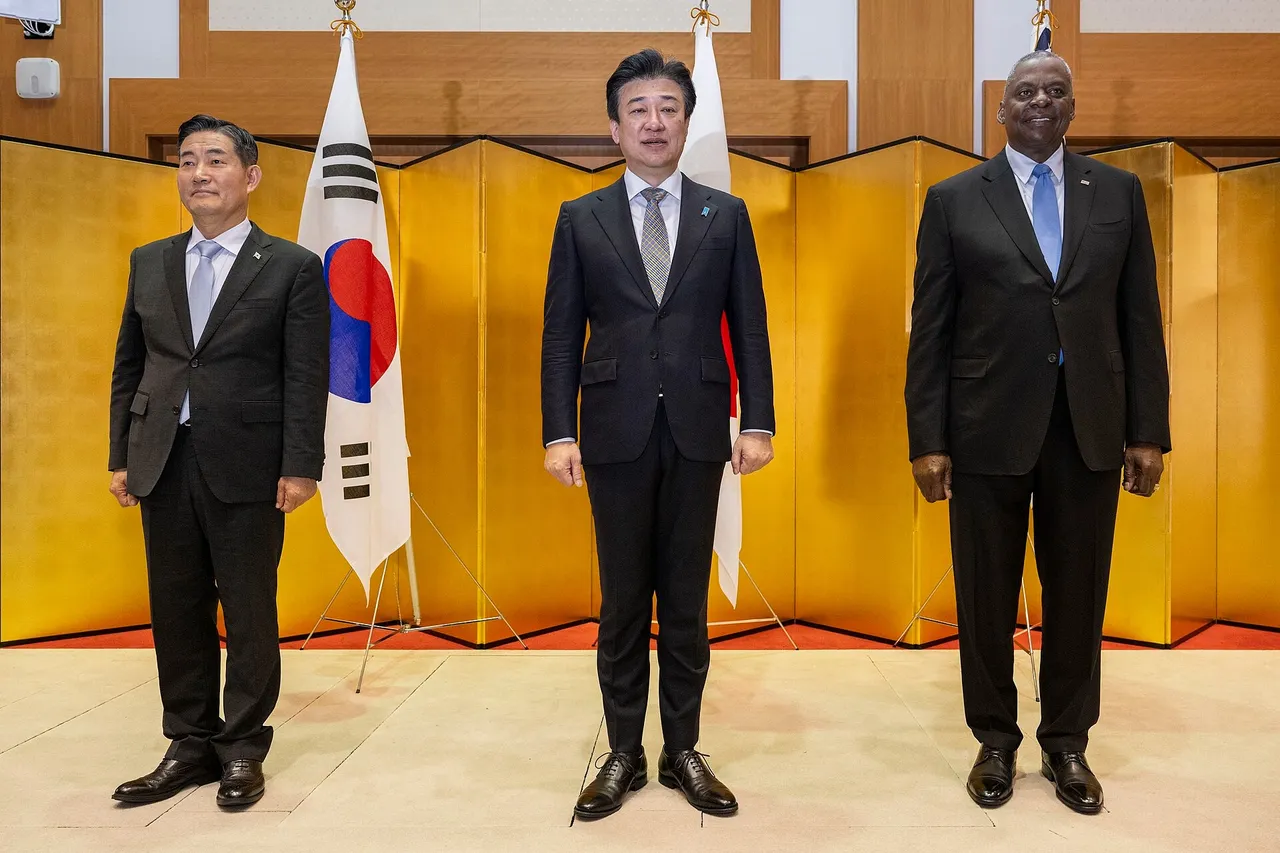
Kang Shin-chul and Koizumi Shinjiro met in Cebu on 28 October, backing three-way work with the US and agreeing to cooperate on AI and drones.
TaiwanDefence · 5h ago · 2 min read
Discussion (0)
Comments are not currently available.