
ANALYSIS
Xi's purge leaves the PLA short of generals, but analysts in Taipei see no let-up in pressure on Taiwan
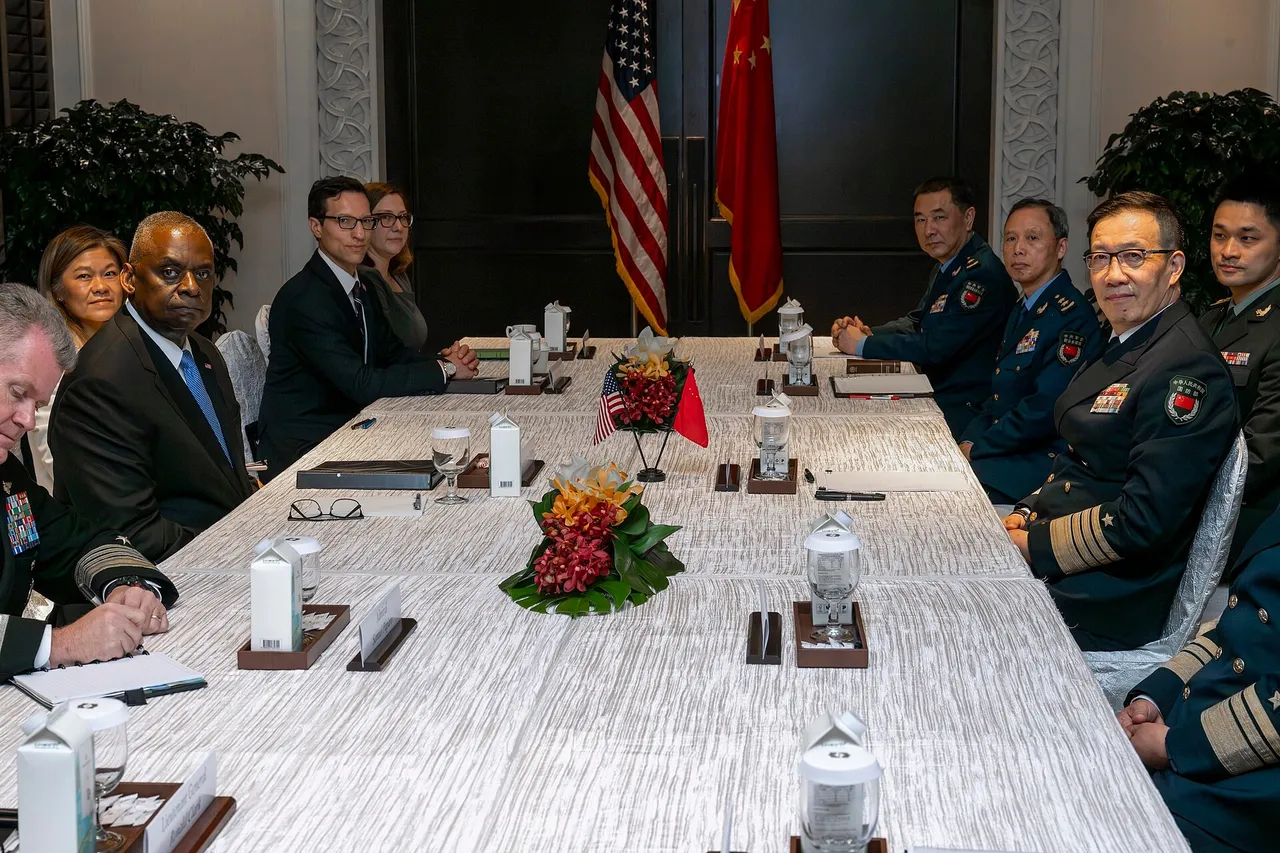
Willy Lam told a Taipei seminar on 28 October 2026 that only a handful of PLA full generals remain. A thinner high command need not mean a quieter strait.
TAIPEI —
This article is an original Taiwan Defence analysis based on the cited public sources. It distinguishes reported facts from analytical judgments and does not represent original field reporting.
On 28 October 2026, Willy Lam, a senior fellow at the US-based Jamestown Foundation, told a seminar in Taipei that the People's Liberation Army, which would normally have 33 or 34 officers holding the rank of full general, is down to about four or five after years of purges under Xi Jinping. He argued that the PLA is not currently in a position to start a war against Taiwan and said he did not expect it to act in 2027.
The argument
This piece argues that the purge changes the shape of the near-term risk to Taiwan more than its size. A depleted high command makes a large, mobilised campaign harder to plan and lead over the next few years. Yet Lam himself expects pressure on the island short of war to grow, and a second Taiwan-based analyst speaking this week described a military now more firmly under Xi's political control.
Evidence and constraints
Lam said the Central Military Commission, the party body that commands the armed forces, has shrunk from seven members to two: Xi as chairman and vice-chairman Zhang Shengmin. Among the remaining full generals he listed Zhang, Defence Minister Dong Jun, Eastern Theater Command commander Yang Zhibin and Central Theater Command commander Han Shengyan.
The exact count is disputed. The United Daily News, which reported Lam's remarks, added an editor's note putting the current number of PLA full generals at six, adding Zhang Shuguang, appointed in July as the commission's discipline inspection chief, and air force commander Wang Gang to Lam's list. On either figure, the senior roster is a small fraction of its usual size.
Lam's case rests on scale. He said an attack on Taiwan would require national mobilisation, including stockpiling food in major cities and calling up the public and reservists, and that the PLA currently lacks both senior commanders and adequate equipment for such an effort. He also said the 21st Party Congress next year is expected to set a new commission line-up, but that Xi faces great difficulty in rebuilding it.
Lam also suggested the campaign may be rebounding on Xi. He said the purged former commission vice-chairman Zhang Youxia remains popular among PLA generals, and that the appearance of former Joint Staff chief Li Zuocheng, who is close to Zhang, at a National Day reception pointed to opponents inside the party and the military drawing together against Xi.
Hong Yao-nan, director of the Cross-Strait Relations Research Center at Tamkang University, gave a partly different reading at a separate symposium in Taipei on 27 October, according to The Herald Business, which cited the Liberty Times. He said the removal of senior commanders had weakened continuity of command in the short term but strengthened Xi's political control over the military, and that the purge would continue through next year's party congress.
Hong noted that nine senior officials, including former commission vice-chairman He Weidong, were expelled ahead of the fourth plenum in October 2025, and that no replacement military appointments were announced at that meeting. The Herald, citing Hong Kong's Ming Pao, reported expectations that about 45 Central Committee members could be expelled at the fifth plenum now under way in Beijing.
What could change
Lam said Xi is likely to secure another term at the 2027 congress, and that he may pause the anti-corruption drive before the 22nd congress in 2032 because it has made him many enemies, including within the PLA. Hong flagged three Taiwan-related events for the next 60 days: the APEC summit in Shenzhen on 18 and 19 November, the timing of a delayed US arms sale to Taiwan worth about 14 billion dollars, and how China's military behaves after Taiwan's local elections on 28 November.
Two paths seem plausible from this evidence. If the commission is restocked next year with commanders chosen for loyalty to Xi, the short-term command gap Hong describes could close faster than Lam's 2027 judgement assumes. If the purge instead runs on through the congress, as Hong expects, the gap at the top would last longer, but so would the political control he says it has bought Xi.
Why it matters
For Taiwan, the practical lesson is that a weaker PLA high command is not the same thing as a quieter Taiwan Strait. Lam said explicitly that he expects China's grey-zone harassment around Taiwan to continue and to intensify, and Hong put PLA behaviour after the November elections on his short watch list. Treating the purge as a reprieve would mean planning for the risk that has receded in these analysts' view, a 2027 war, while underweighting the day-to-day pressure that Lam expects to grow.
Sources
More in Analysis
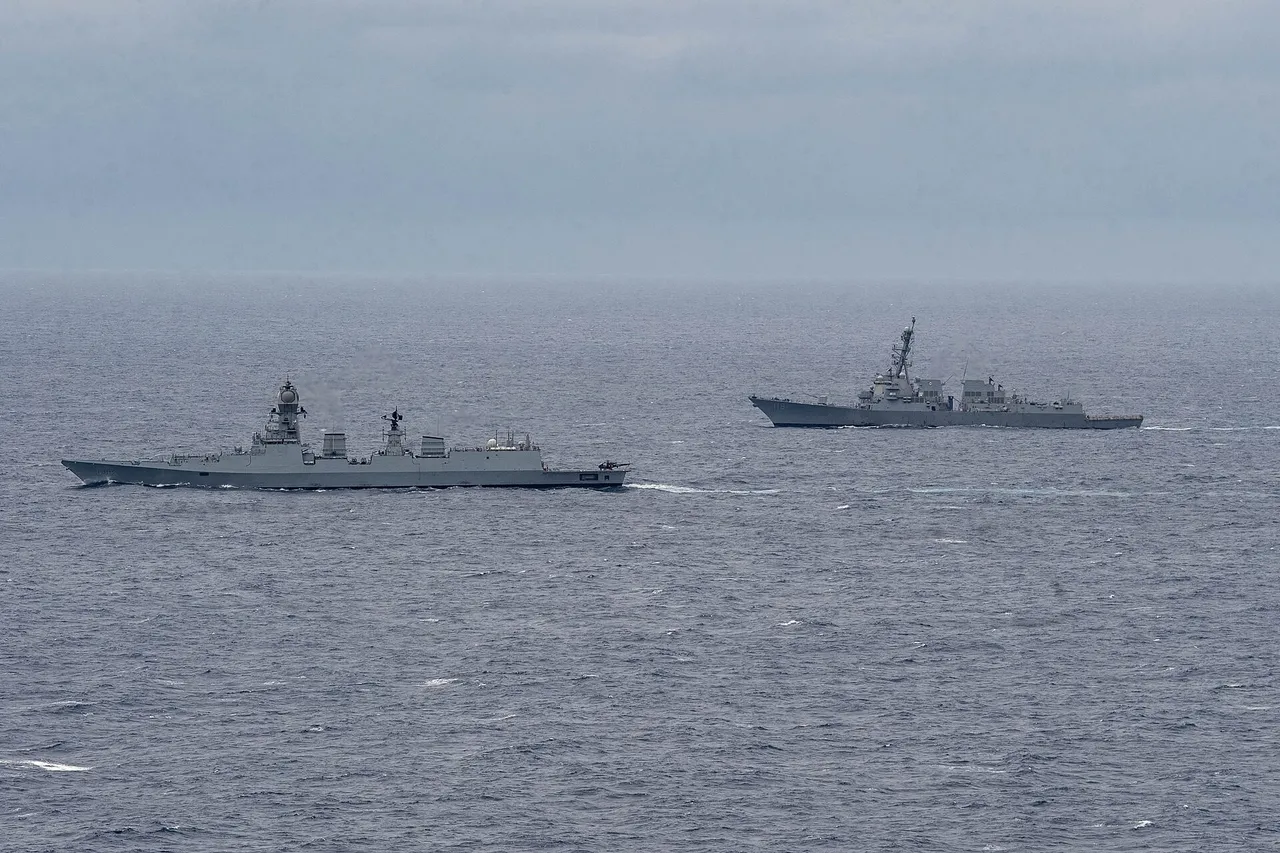
What India's approval of Project 18A destroyers settles, and what it leaves open
India's defence council cleared Project 18A destroyers on 26 October 2026, but their size, number and engines are still unsettled and service entry looks a decade away.
TaiwanDefence · 1d ago · 3 min read
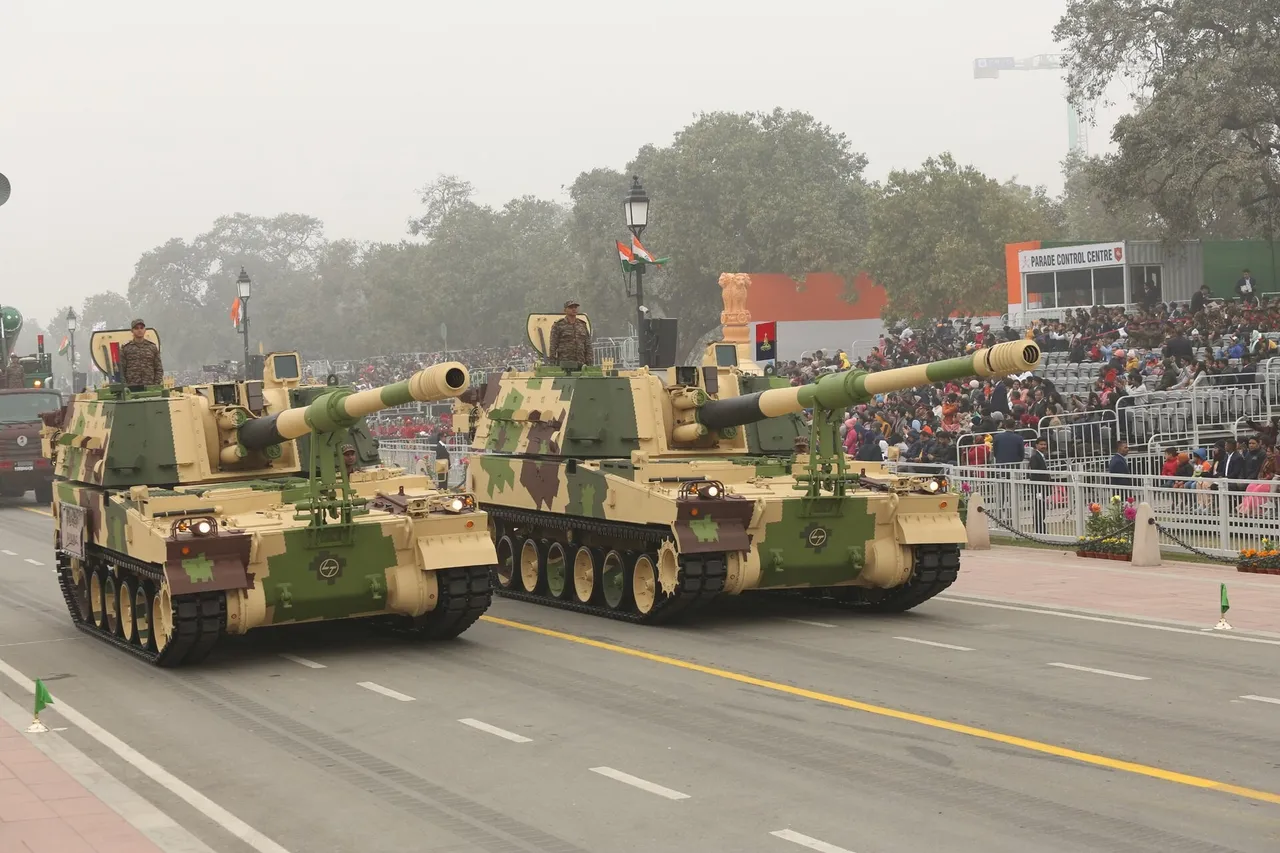
India's nod for 335 more K9 Vajra guns could make a desert-bought howitzer its mainstay facing China
India's October 2026 approval of 335 more K9 Vajra-T guns builds on lessons from Ladakh, but a long road from approval to contract still lies ahead.
TaiwanDefence · 1d ago · 4 min read
Taiwan's admission that it pays for US war-game observers puts a price on quiet military ties
A 21 October 2026 report on Taiwan's NT$82.4m plan for US observers at its Han Kuang drills shows Taipei funds much of its quiet military link to Washington.
TaiwanDefence · 21 Oct 2026 · 4 min read
Discussion (0)
Comments are not currently available.