
ANALYSIS
Taiwan's admission that it pays for US war-game observers puts a price on quiet military ties
A 21 October 2026 report on Taiwan's NT$82.4m plan for US observers at its Han Kuang drills shows Taipei funds much of its quiet military link to Washington.
TAIPEI —
This article is an original Taiwan Defence analysis based on the cited public sources. It distinguishes reported facts from analytical judgments and does not represent original field reporting.
The disclosure
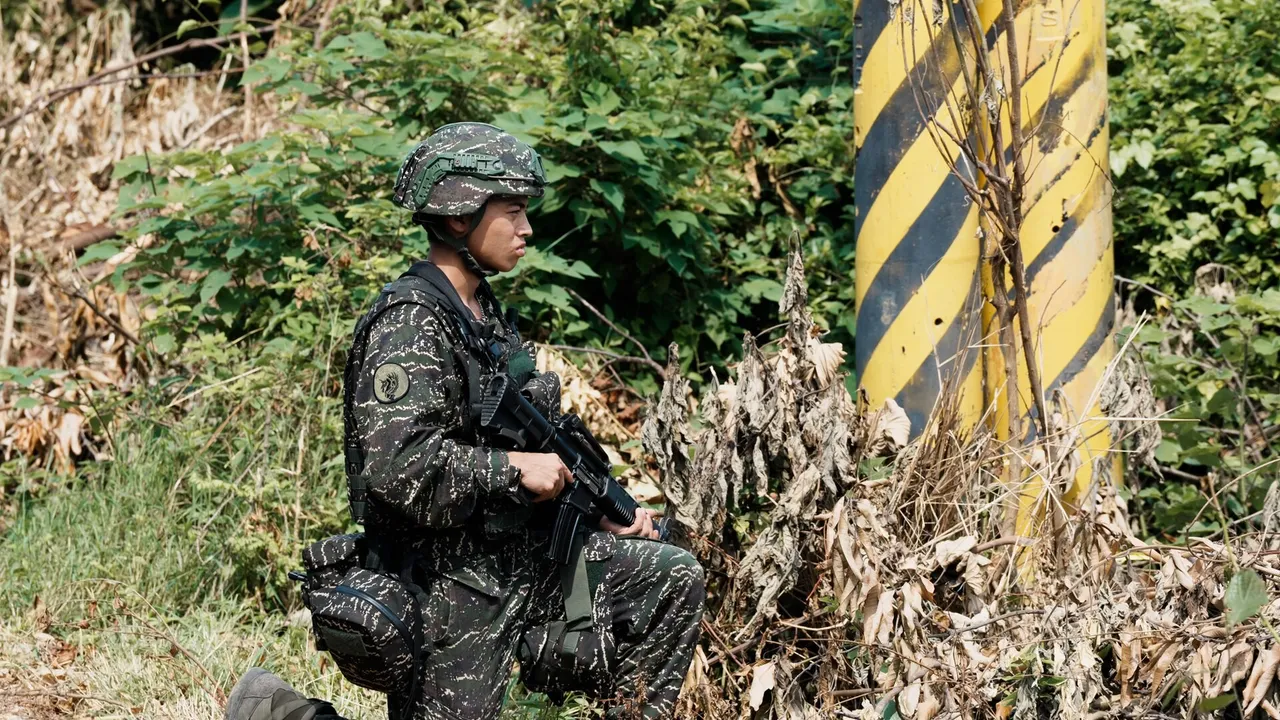
Taiwan's defence ministry has put on the record for the first time that it pays for the US Indo-Pacific Command to send a retired American general and a team of specialists to watch its Han Kuang exercises, the South China Morning Post reported on 21 October 2026. According to a ministry report submitted to the legislature last week, the programme covering the 2026 and 2027 exercises is budgeted at about NT$82.4 million, or roughly US$2.5 million, of which about NT$41.2 million falls in this year.
The item is listed as an arms purchase case called the Annual Assessment by Senior Observers and Exchanges. It drew attention because Kuomintang legislator Ma Wen-chun moved to freeze part of the money until the ministry explained what rank of US personnel would be sent and what results Taiwan could expect, the United Daily News reported on 17 October.
In its reply, the ministry said the two sides hold preparatory meetings each year to agree what the exercise should assess and how observation will work. During Han Kuang, a retired US general acts as senior observer, while the Pacific command assembles a group of professional military and civilian staff. Their observations and advice on improving joint operations are written into the exercise's final report and used as a reference for force building, the ministry said. It added that costs follow the US defence department's Joint Travel Regulations, with lodging and daily allowances set by the department's travel office and the State Department's overseas per diem rates, and that it would review spending and the seniority of those sent against each year's needs.
The argument
The sums are small beside Taiwan's defence budget, but the disclosure is revealing about how the relationship is built. Much of the US military attention paid to Taiwan's training is not a favour granted by Washington but a service Taipei buys through its own budget, and the observer arrangement has now moved from discreet practice into a document that lawmakers can examine line by line.
The observer programme is not the only example. The United Daily News reported that a separate joint assessment project, under which experts from the office of the US under secretary of defence for policy and from the Institute for Defense Analyses, a US defence research centre, are to be based in Taiwan, is also paid for by Taiwan, at a cost of about NT$470 million.
Public broadcaster PTS reported on 9 October that the ministry first gave this account in a report to the legislature on releasing frozen parts of the 2026 defence budget, and that it was the first time the rank and size of the US presence had been officially described. PTS recalled that during the computer-assisted war game of the 2025 Han Kuang exercise, a retired four-star US Army general named Abrams was reported to be advising the chief of the general staff, Admiral Mei Chia-shu, and that a major general from Indo-Pacific Command had earlier been seen seated next to Defence Minister Wellington Koo at a senior tabletop exercise.
Analysts interviewed by PTS read the new openness as a signal. Ma Chun-wei of Tamkang University argued that Washington's assurances to allies would not change because of any cooperation between Donald Trump and Xi Jinping, and that the US wanted to show China it had no intention of leaving the first island chain. Shen Ming-shih of the Institute for National Defense and Security Research said the observers were also partly checking what US instructors had achieved in training Taiwanese forces, especially in reserve mobilisation.
Evidence and constraints
The public record shows cost and process, but not results. Neither the ministry's reply nor the reporting describes what earlier observer teams recommended or which of their findings Taiwan adopted, so the available evidence does not allow an outside judgement on whether the spending has improved joint operations. The partial freeze also means the programme now depends on lawmakers being satisfied each year, at a time when the defence budget is a point of sharp political contest in Taipei.
There is also a tension in the disclosure itself. Both governments have long kept such exchanges out of view to limit friction with Beijing, which treats any US military role in Taiwan as a provocation. Putting the observers' rank and cost into a budget document trades some of that discretion for transparency at home.
Why it matters
For Taiwan, paying for the observers buys an outside assessment of its largest exercise from officers who understand how US forces would expect to operate alongside it, and the money for Han Kuang 43 in 2027 is already earmarked. The more useful test for the legislature is whether the ministry reports back on what the observers found and what changed as a result. That would let lawmakers weigh the value of the programme rather than only its price, and it would show whether the quiet ties with Washington are improving how Taiwan's forces fight together.
Sources
More in Analysis
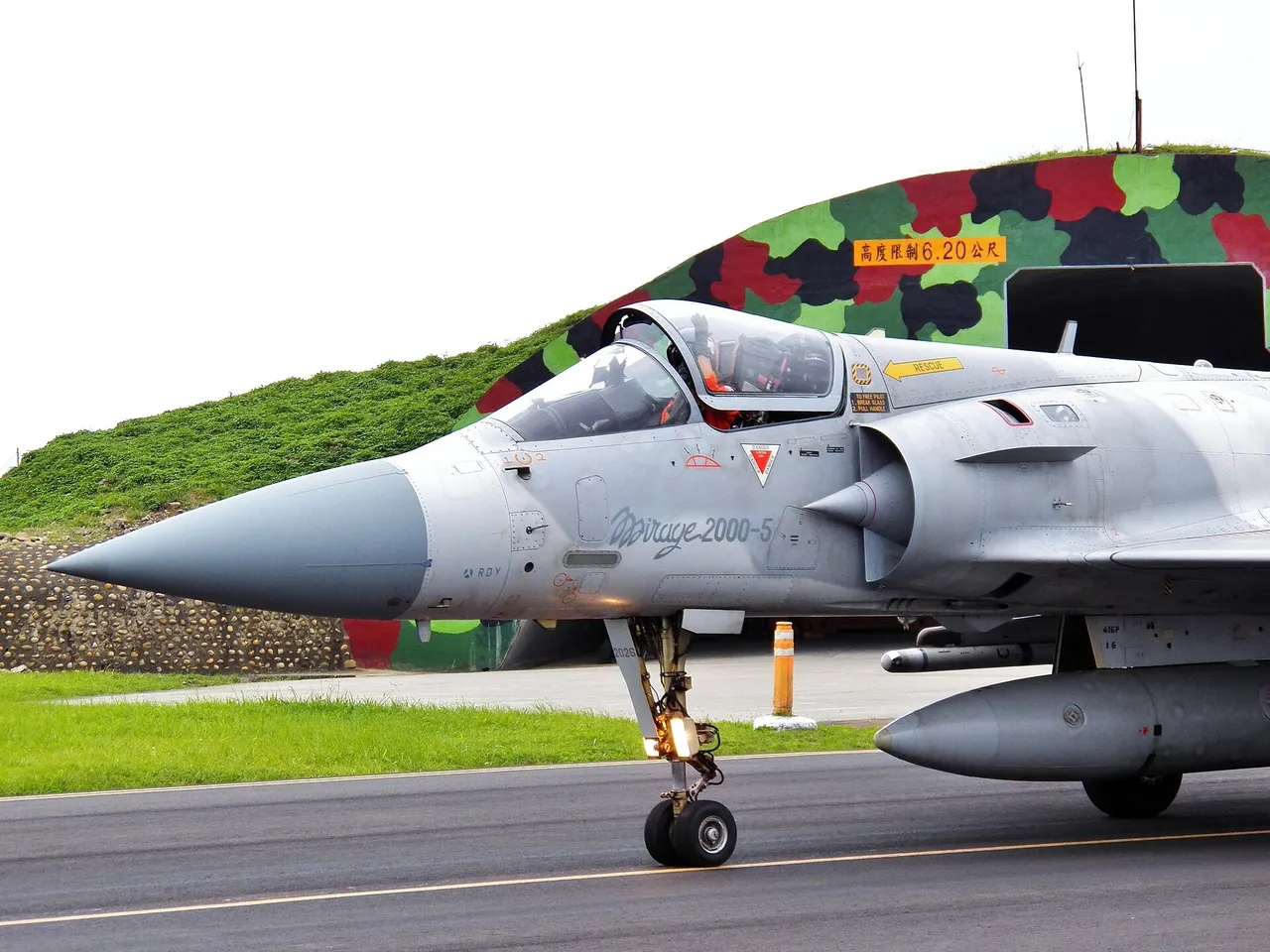
Taiwan's plan to keep senior pilots flying to 58 may miss why most of them leave
As the plan awaits Cabinet approval, a 21 October 2026 report says workload and leave go unaddressed, while lawmakers' data point to mid-career exits to airlines.
TaiwanDefence · 4h ago · 3 min read

New photos put North Koreans at Russia's military drone hub, but their role on the line is unproven
Photos and eyewitness accounts reported on 20 October 2026 place North Koreans at Alabuga. Whether Pyongyang gains drone know-how is still an inference.
TaiwanDefence · 7h ago · 3 min read
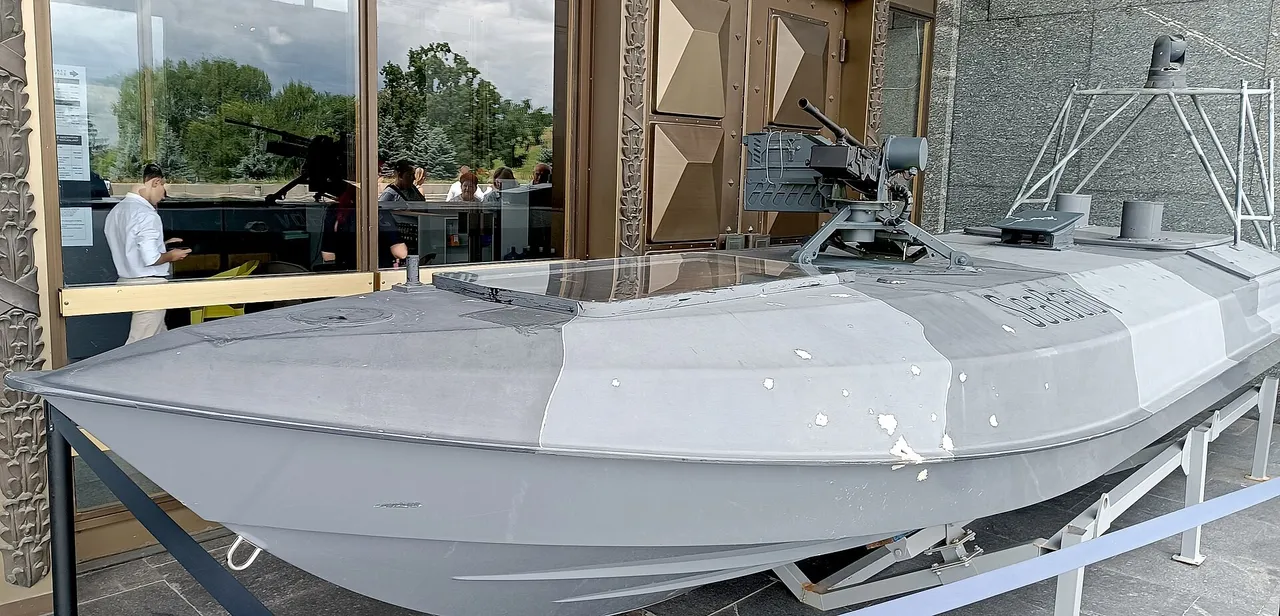
Ukrainian think tank says Taiwan needs at least 1,600 drone boats as its navy readies a 1,320-boat tender
A Serpens Center study presented on 20 October 2026 says mass decides drone-boat warfare. Taiwan's own plan is smaller and slower to reach swarm control.
TaiwanDefence · 9h ago · 4 min read
Discussion (0)
Comments are not currently available.