
US Air Force tells Congress it needs 1,509 combat fighters by 2035, two in five of them F-35s
A new fighter force structure report lowers last year's 2035 goal and accepts medium risk, while funding and factory output decide whether the fleet can grow.
TAIPEI —
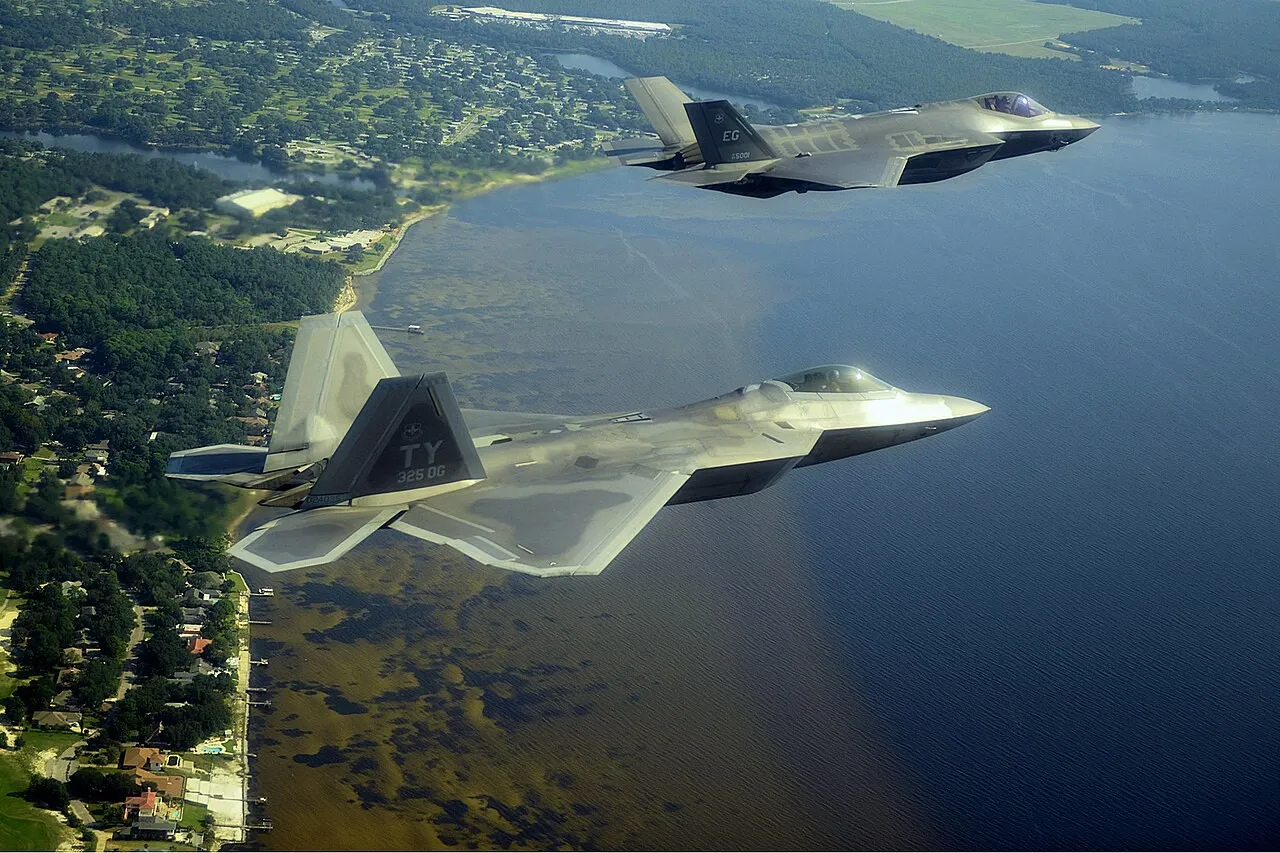
The US Air Force has told Congress that it will need 1,509 combat-coded fighters by 2035, and that roughly two in every five of them should be F-35A stealth jets. Lt. Gen. David Tabor, the service's deputy chief of staff for plans and programs, set out the figures at a Pentagon media roundtable on 20 October.
Tabor was describing a new fighter force structure report that the service sent to lawmakers on 16 October. Reporters were not given a full copy. According to his account, about 40 percent of the future fleet would be F-35s, another 20 percent would be F-22 Raptors and the sixth-generation F-47 that is meant to replace them, and the remaining 40 percent would be split roughly evenly between F-15 and F-16 variants. Leaving out the A-10, today's fighter fleet is about 45 percent F-16s, 30 percent F-35s, 15 percent F-15s and 10 percent F-22s.
The 2035 figure is higher than the 1,271 combat-coded fighters the service expected to have in 2026 and the 1,369 it was aiming for by 2030 in last year's report. Tabor said the additional 140 or so jets would be a mix of F-35s, F-15EXs and F-47s. Inside Defense reported that he put the current combat-coded inventory at 1,298 aircraft, which would mean buying more than 200 new fighters over the decade. The Air Force still plans to replace its 186 operational F-22s with about the same number of F-47s.
In risk terms, the new target is less ambitious than the previous one. The Congressional Research Service noted in September that the 2025 report called for 1,558 crewed combat-coded fighters by 2035 to reach a low-risk posture. Tabor said the new analysis drew on fresher data and on what regional combatant commanders said they needed to meet their goals at medium risk, and that the work began before US combat operations against Iran this year and was not driven by that war.
The research service has framed much of the debate around the Pacific. It wrote that potential threats in that theatre would require aircraft to fly at longer ranges and to defeat advanced air defences and electronic warfare, and it cited analysts who estimate that rising production could give China's air force around 1,000 J-20 stealth fighters by 2030. Current law requires the Air Force to keep at least 1,145 combat-coded fighters through 1 October 2026.
Money is the first constraint. Air Force leaders have long argued that the service must buy about 72 new fighters a year to replace retiring jets. The fiscal 2027 request asks for 38 F-35s and 24 F-15EXs, a total of 62, and 14 of those F-35s depend on 2.34 billion dollars from a budget reconciliation bill. Tabor said that if the bill fails, the service would either have to take the money from other programmes or push those purchases into 2028.
The second constraint is industry. Tabor said Lockheed Martin and Boeing have assured the service they can build jets at the required rate, but that the Air Force needs to see it happen. The service is seeking multiyear procurement deals for the F-35 and F-15EX to give manufacturers steadier orders; that request is still before Congress.
Older F-16s will reach the end of their service lives in the mid-2030s. The Air Force is weighing a new version of the jet, tentatively called the F-16G, but Tabor said no decision is needed yet and it is unlikely to come in the 2028 budget cycle. Lockheed Martin already builds an advanced Block 70/72 model of the F-16 for export customers, the research service noted.
Uncrewed jets are not yet changing the arithmetic. The Air Force aims to field 500 Collaborative Combat Aircraft by 2032, but Tabor said today's drones cannot yet reduce the number of crewed fighters needed, although he expected them to play a large role in future versions of the report.
Sources
More in Indo-Pacific
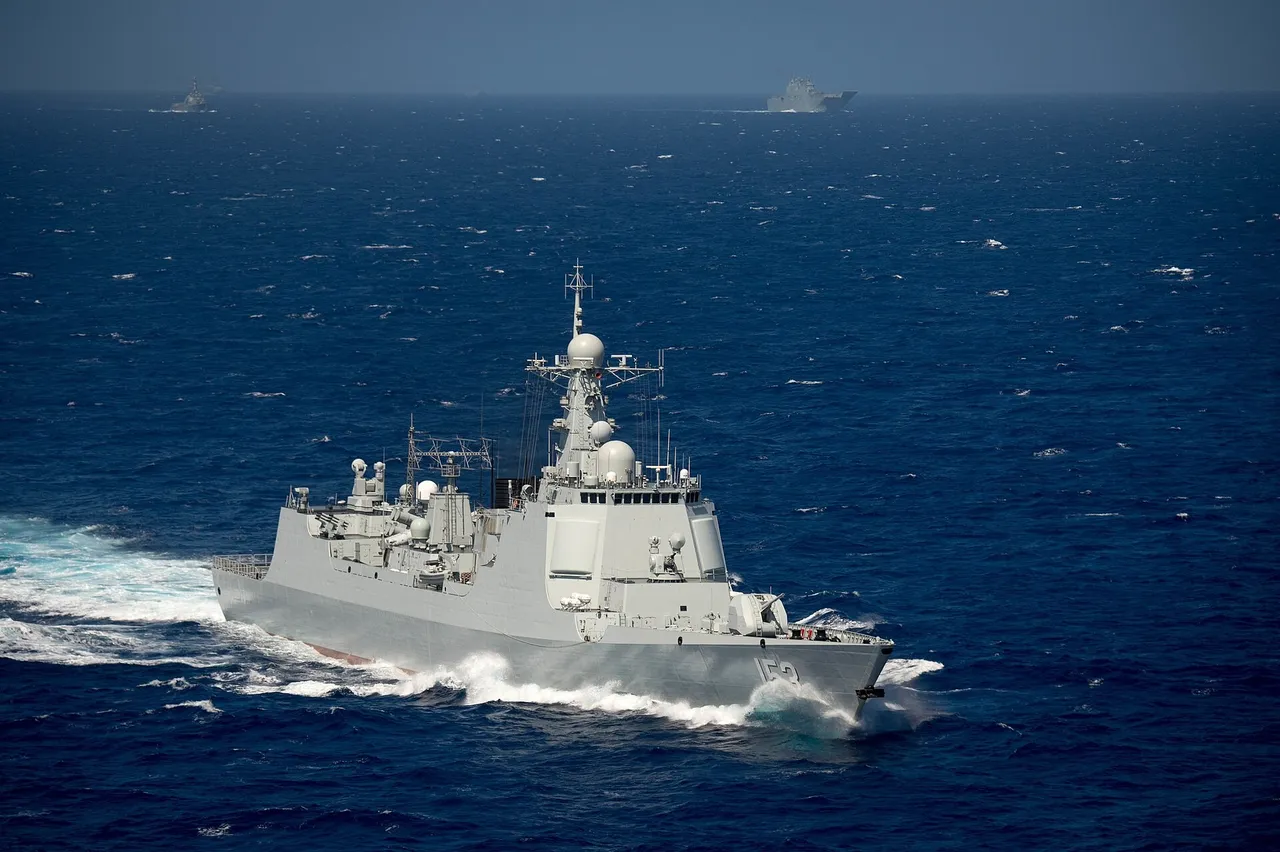
China's shipyards built more than twice the warship tonnage of the US in 2024-25, industry study finds
A French naval industry study released ahead of Euronaval says China launched 636,208 tons of combat ships in two years, against 270,509 tons for the United States.
TaiwanDefence · 5h ago · 2 min read
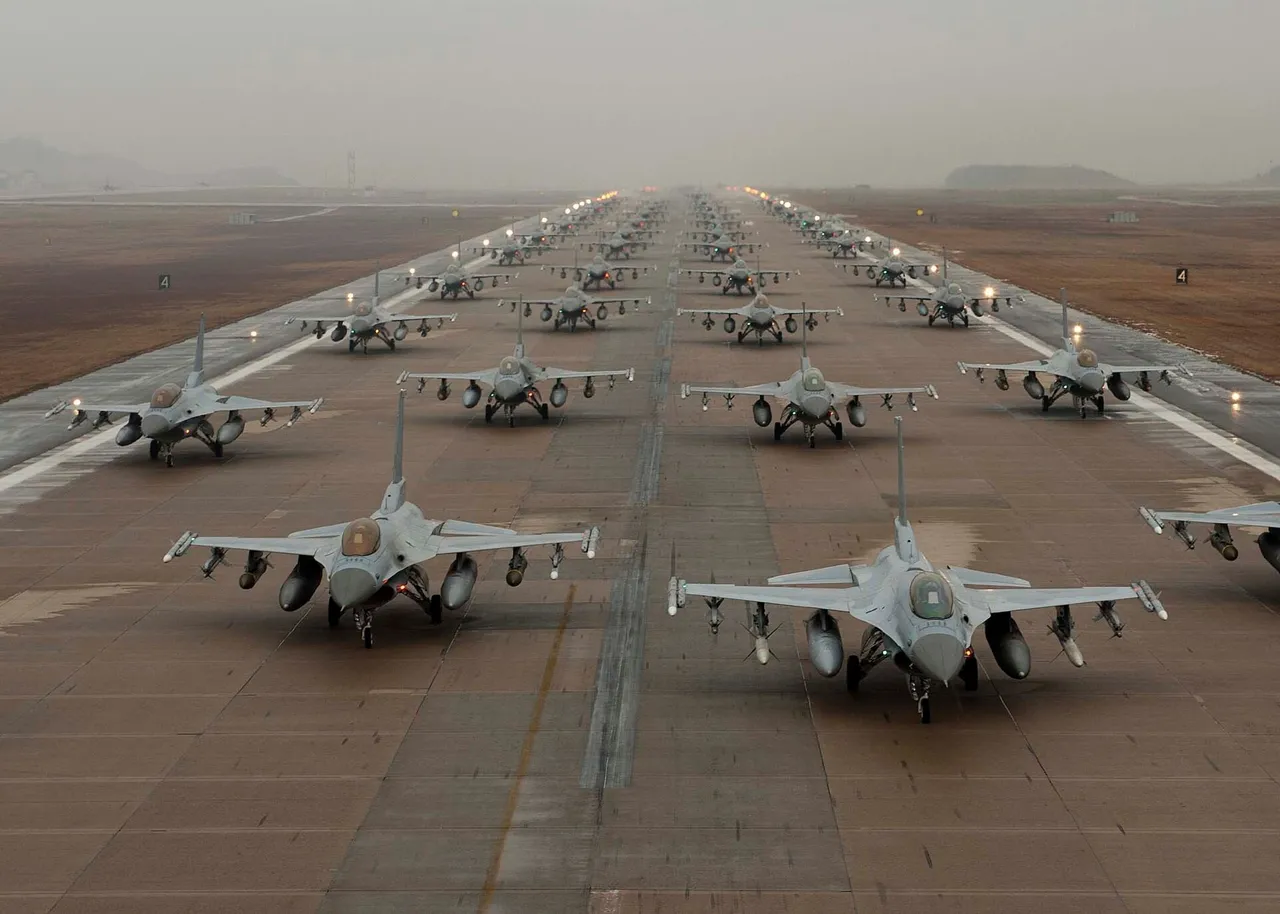
Ex-PLA signals officer timed his eavesdropping on Korean and US military bases to allied drills
Seven of the 13 intercept sessions a former Chinese army officer ran near Korean and US air and naval bases fell during combined exercises, his indictment shows.
TaiwanDefence · 6h ago · 3 min read
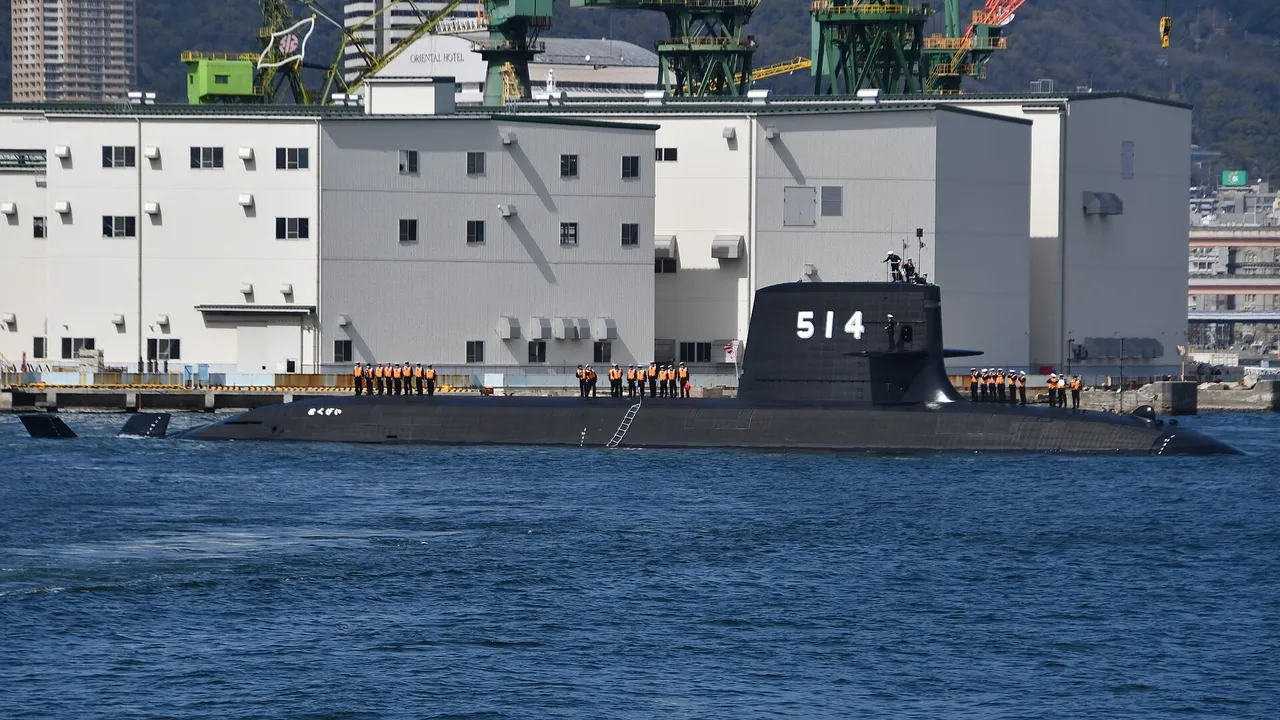
Japan's ruling parties will open talks next month on new security documents, split over nuclear submarines
The LDP and Ishin will bargain over defence spending goals, the non-nuclear principles and nuclear-powered submarines before Japan rewrites its three security documents.
TaiwanDefence · 8h ago · 2 min read
Discussion (0)
Comments are not currently available.