
ANALYSIS
Taiwan's plan to keep senior pilots flying to 58 may miss why most of them leave
As the plan awaits Cabinet approval, a 21 October 2026 report says workload and leave go unaddressed, while lawmakers' data point to mid-career exits to airlines.
TAIPEI —
This article is an original Taiwan Defence analysis based on the cited public sources. It distinguishes reported facts from analytical judgments and does not represent original field reporting.
The plan
Taiwan's defence ministry has sent the Cabinet its plan to keep up to 72 senior air force pilots in uniform until the age of 58, and a United Daily News report on 21 October 2026 says critics fear it treats the symptoms rather than the causes of pilot losses. The report says the heavy mix of combat-readiness duty and administrative work, and irregular leave, remain unresolved.
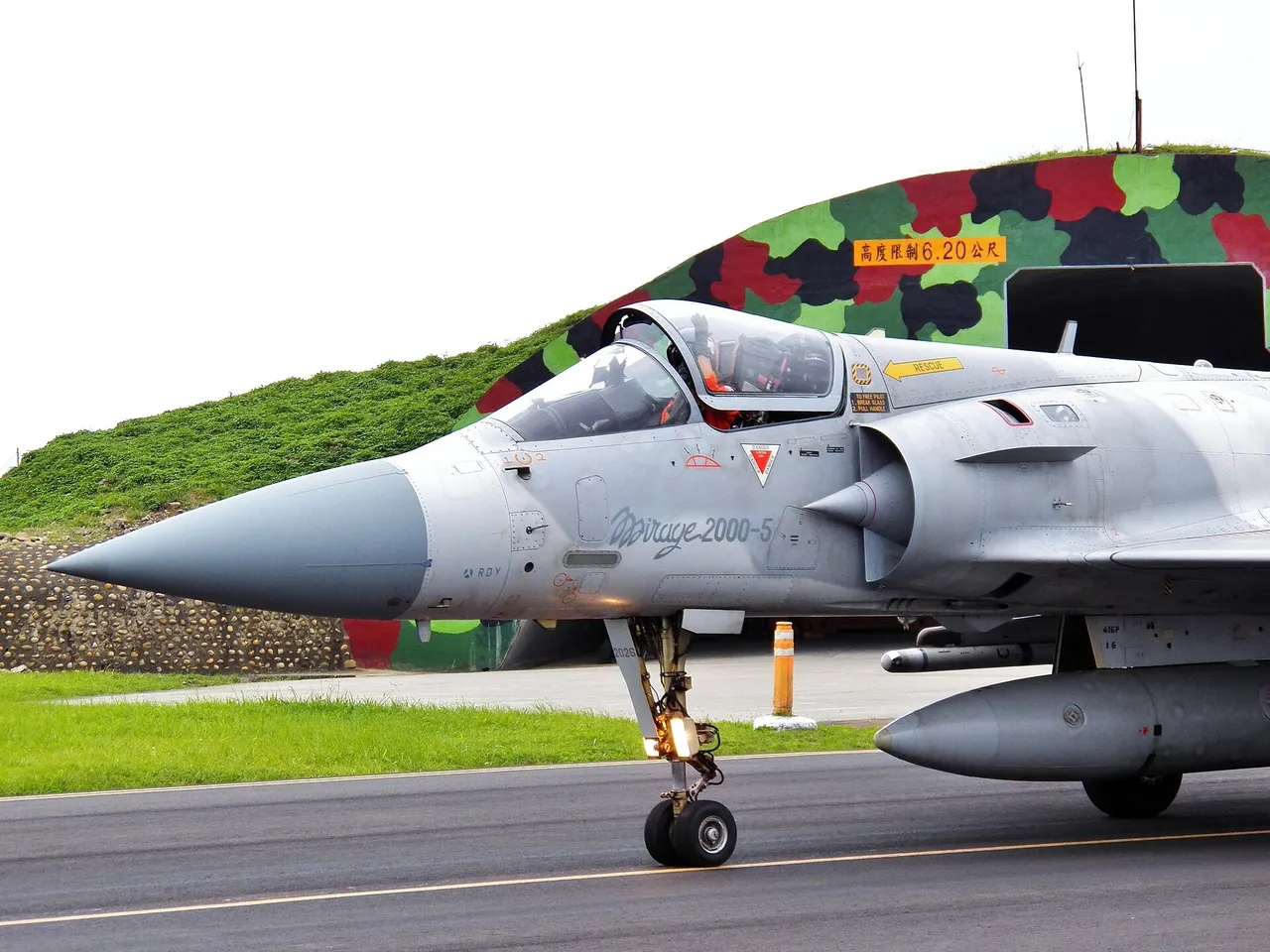
Under the draft rules for dedicated flying officers, nicknamed the Tom Cruise clause after the film character who kept flying as a veteran colonel, lieutenant colonels and colonels with at least 14 years of service could keep their rank and serve to 58. They would continue to receive retention bonuses and flight pay and would be assigned to combat squadrons and special transport units for readiness and training duties, the Liberty Times reported.
At present a lieutenant colonel pilot can fly to about 48 and a colonel to about 52, while airline pilots can work to 65, defence minister Wellington Koo told lawmakers, according to United Daily News and TTV News.
Evidence and constraints
The ministry's own report to the legislature, as summarised by the Liberty Times, put air force pilot manning at about 87.8 percent. It said pilots tend to leave either when their basic service obligation ends or after 20 years, and that every pilot who left this year had served the legal minimum but had not reached the maximum service limit for their rank.
Opposition lawmaker Hsu Chiao-hsin said 57 aircrew had left the forces so far this year, CTWANT reported. Citing air force chief of staff Li Ching-jan, she said F-16 pilots carry heavier operational pressure and some, with strong English skills, move early to airlines, and that the number of pilots declining to renew contracts had risen to 5.5 times its earlier level over three years.
Pay is part of the gap. The Liberty Times calculated that a senior fighter pilot with allowances and retention bonuses can earn up to about NT$300,000 a month, against average monthly pay of NT$400,000 to NT$500,000 for airline captains and NT$250,000 to NT$350,000 for first officers. Since 1 July, eligible frontline aircrew can also draw a combat-unit allowance worth about NT$12,000 a month, and Koo prefers to watch its effect before further rises, CTWANT reported.
Retention money already exists. Fixed-wing lieutenant colonels and colonels with 14 to 30 years of service who sign on again receive annual bonuses of NT$1.44 million and NT$1.08 million respectively, the Liberty Times reported. Hsu urged the ministry to assess whether pilots who signed these five-year contracts around the same time might leave in a wave when they expire, according to CTWANT.
The air force has raised its pilot establishment by 7.5 percent for the 66 F-16V jets on order and began expanding recruitment and training from 2021, and it expects overall manning to reach about 91 percent by January, according to CTWANT. Hsu estimated the new fleet's 76 cockpits need about 114 pilots, a figure she stressed was her own and not a ministry number.
Lawmakers from both main parties asked whether older pilots can meet the physical demands of combat flying. Koo replied that aircrew face an annual medical, aviation physiology retraining and anti-G training, and that those who fail cannot fly on the front line, TTV News reported.
The argument
Taken together, the figures suggest the clause aims at the wrong end of the career. It keeps a small cadre of 72 veterans who are already close to retirement, while the losses lawmakers describe happen earlier, when pilots finish their obligation or reach 20 years and can still have a long airline career. A higher retirement age does little to change that calculation unless pay, workload and leave also change.
What could change
Signals to watch are the Cabinet's decision on the rules, whether the July allowance slows the rise in pilots declining to renew contracts, and whether the ministry acts on the workload and leave complaints raised in the United Daily News report. Manning reaching the 91 percent forecast in January would show whether the wider recruitment push is working.
Why it matters
Taiwan is taking delivery of 66 F-16V fighters while Chinese military aircraft routinely operate around the island, and new jets add little without experienced pilots to fly them and train others. Keeping veterans to 58 helps the training pipeline at the margin, but the evidence so far points to mid-career retention as the decisive test.
Sources
More in Analysis
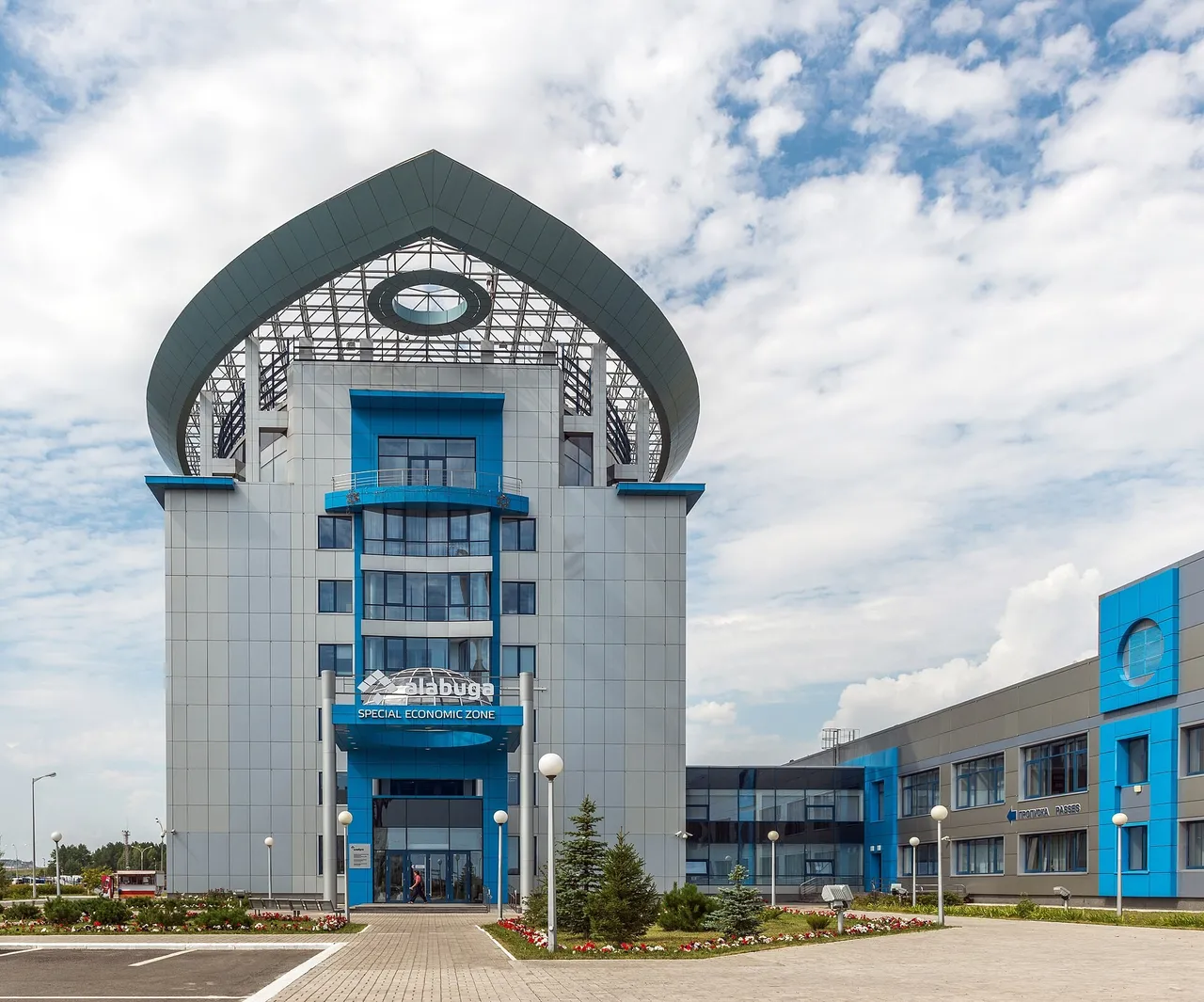
New photos put North Koreans at Russia's military drone hub, but their role on the line is unproven
Photos and eyewitness accounts reported on 20 October 2026 place North Koreans at Alabuga. Whether Pyongyang gains drone know-how is still an inference.
TaiwanDefence · 4h ago · 3 min read
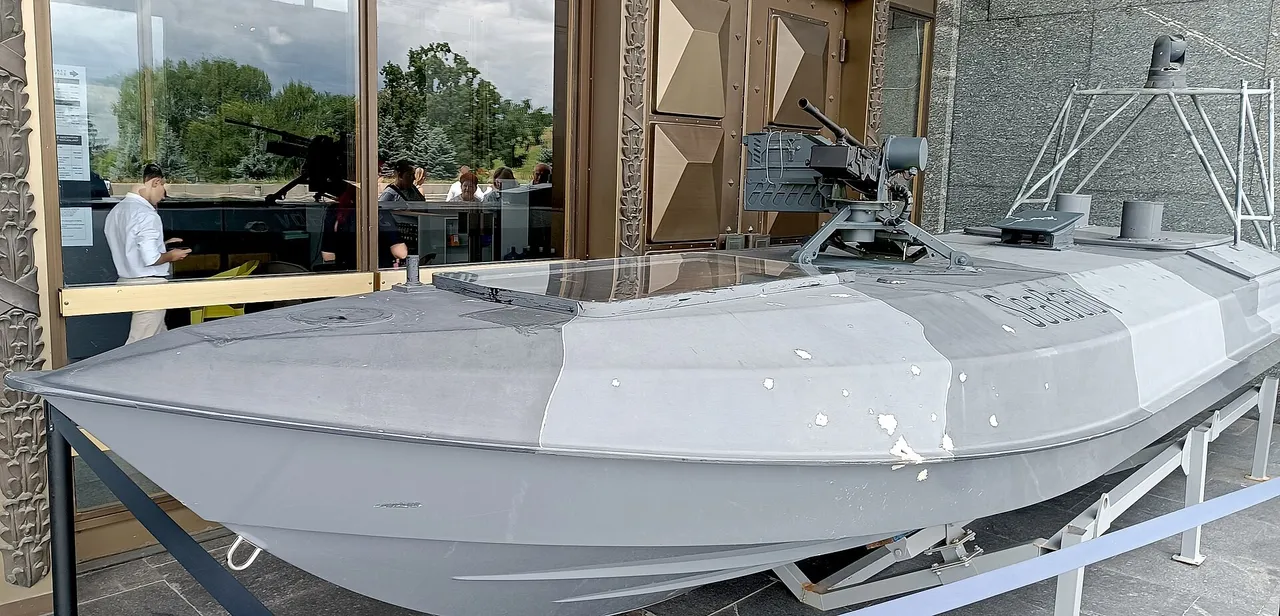
Ukrainian think tank says Taiwan needs at least 1,600 drone boats as its navy readies a 1,320-boat tender
A Serpens Center study presented on 20 October 2026 says mass decides drone-boat warfare. Taiwan's own plan is smaller and slower to reach swarm control.
TaiwanDefence · 6h ago · 4 min read
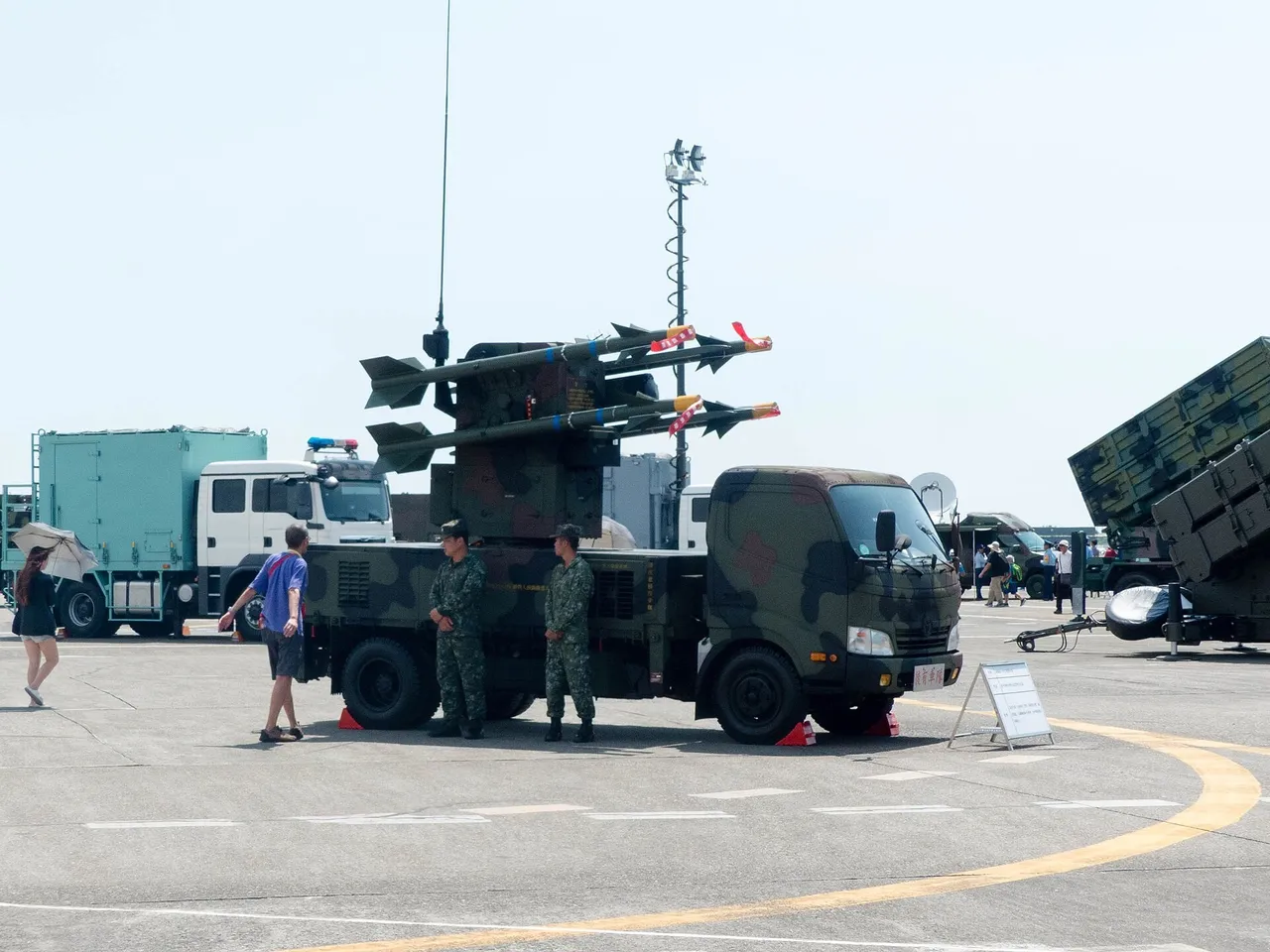
Taiwan's new NT$3.1bn missile upkeep deal shows how much it still leans on ageing air defences
A maintenance contract reported on 20 October 2026 and a life extension for the 20-year-old Antelope show Taiwan paying to bridge the gap until NASAMS arrives.
TaiwanDefence · 9h ago · 4 min read
Discussion (0)
Comments are not currently available.