
ANALYSIS
New photos put North Koreans at Russia's military drone hub, but their role on the line is unproven
Photos and eyewitness accounts reported on 20 October 2026 place North Koreans at Alabuga. Whether Pyongyang gains drone know-how is still an inference.
TAIPEI —
This article is an original Taiwan Defence analysis based on the cited public sources. It distinguishes reported facts from analytical judgments and does not represent original field reporting.
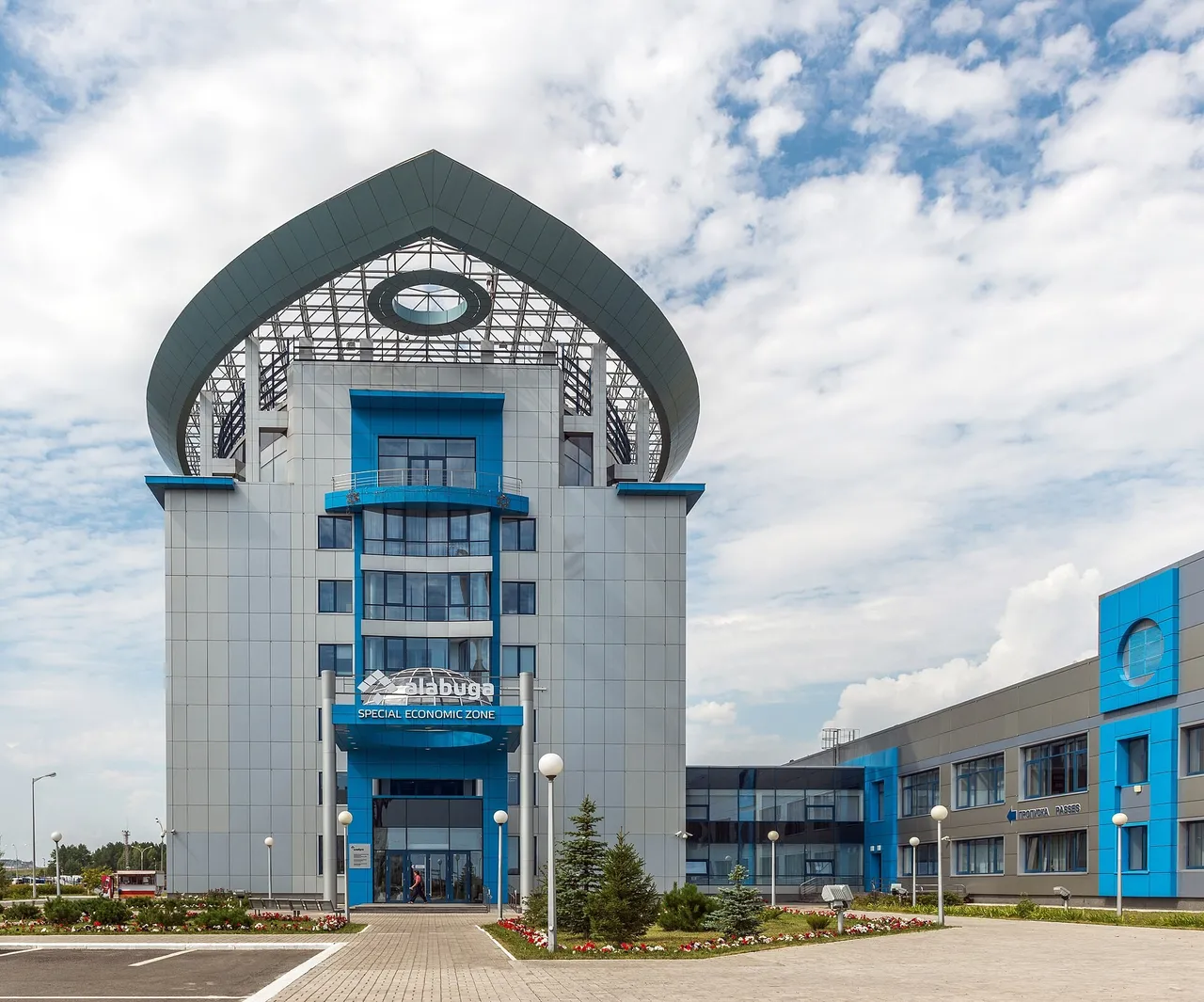
On 20 October 2026, UPI reported that a researcher for the Committee for Human Rights in North Korea had obtained photographs and eyewitness accounts placing North Korean workers at Russia's Alabuga Special Economic Zone in Tatarstan, a major production centre for the Geran-2 attack drones Russia fires at Ukraine.
The new material settles one question and leaves a more important one open. It confirms that North Koreans are at the site, but it does not show them building drones. The warning that Pyongyang will bring home the know-how to mass-produce military drones therefore rests on estimates and inference. It is a plausible risk, not yet an established fact.
What the new evidence shows
The researcher, Jaewoo Park, wrote the group's report on North Korean overseas workers after the pandemic. He told UPI that foreign workers at Alabuga said they had seen North Koreans there from early 2026, and that one source occasionally saw at least 100 of them. The men appeared to work in construction and the women in factories. They moved in groups, avoided other foreign workers and did not use smartphones.
Park was explicit about the limits. He said his research could not establish that the North Koreans were directly involved in making drones, only that they were present at the facility. Tatarstan's labour ministry and the Alabuga Start recruitment programme did not respond to requests for comment, according to the report.
The wider estimate
The larger figures come from a report published on 14 October by the Center for Strategic and International Studies and the George W. Bush Institute. According to Deutsche Welle's account of it, as many as 12,000 North Koreans work at the plant, which the report calls Yelabuga, and Pyongyang keeps up to 90 per cent of their wages. The plant gives Moscow more than 5,500 drones a month, China is the main supplier of dual-use components, and Iran's Shahed drones helped Russia develop the upgraded Geran variants.
The security concern in that report is that North Korea could gain hands-on knowledge of advanced weapons systems through the workers it sends, Deutsche Welle reported. The rights group's own report, published on 9 October, says it obtained testimony that North Korean workers are present at Alabuga, which it calls Russia's drone production hub, but found no evidence that they are directly involved in drone manufacturing. It adds that overseas workers must still hand more than 80 per cent of their wages to the state. The report links the flow of workers to Russia's wartime labour shortage, which it says has led Moscow to recruit North Koreans actively, and notes that Pyongyang has also expanded labour dispatches to China.
Evidence and constraints
The two strands do not yet meet. The rights group's sources describe North Koreans on site doing construction and unspecified factory work, and its researcher declines to claim drone assembly. The 12,000 figure is an upper estimate relayed by the think tanks, not a verified count. The transfer of know-how is a forecast about what returning technicians would learn, not an observed outcome.
The sanctions picture is clearer. UN Security Council Resolution 2397 of December 2017 required member states to send North Korean earners home by December 2019, UPI noted. Dan Pinkston of Troy University's Seoul campus told Deutsche Welle that the resolutions on workers, proliferation and dual-use technology are being ignored, and that North Korea has been watching the drone war closely and developing its own capabilities, with serious implications for South Korea's military.
What could change
Three kinds of evidence would close the gap: documentation of North Koreans on the Alabuga assembly lines rather than on construction crews, records of technicians returning to North Korea from the plant, and North Korean drones or production rates that show features of the Geran line. North Korean state media already showed Kim Jong Un inspecting drones in September 2026, Deutsche Welle noted, so any change in the scale of that programme would be the clearest signal.
Why it matters
For South Korea and Japan the worry is volume more than sophistication. Cheap one-way attack drones built in large numbers are the weapon Russia has used in large numbers against Ukraine, and a North Korea able to copy that model would add a new burden to defences built mainly around missiles and aircraft. The evidence published this month makes that risk harder to dismiss, but it does not yet prove that Pyongyang has acquired the capability.
Sources
More in Analysis
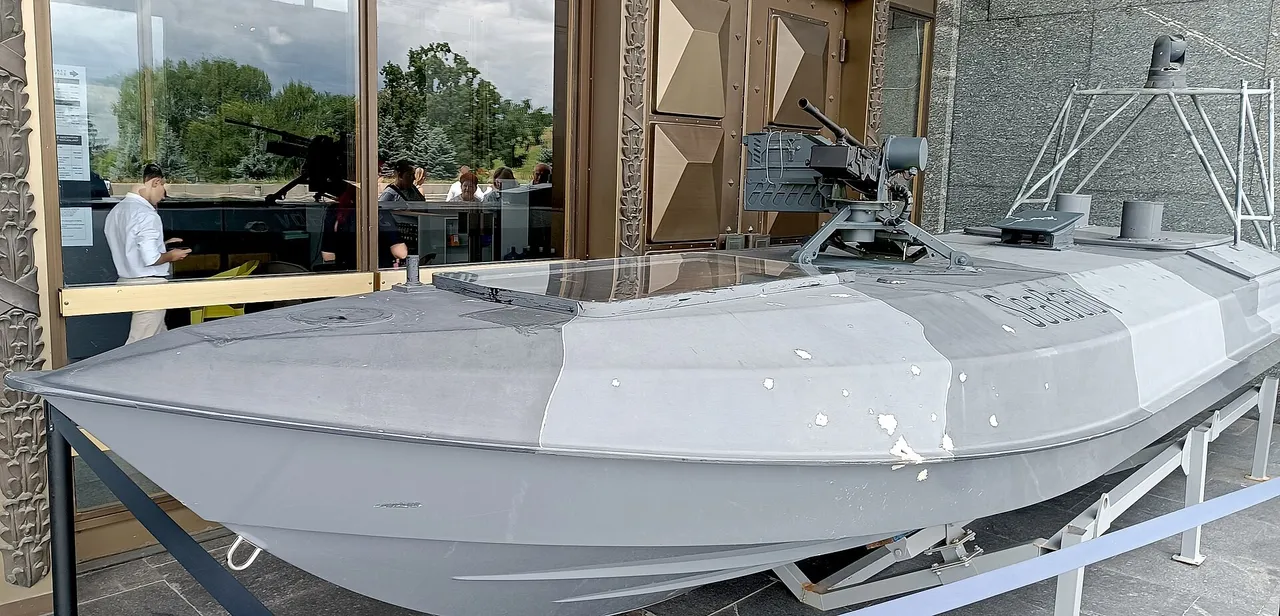
Ukrainian think tank says Taiwan needs at least 1,600 drone boats as its navy readies a 1,320-boat tender
A Serpens Center study presented on 20 October 2026 says mass decides drone-boat warfare. Taiwan's own plan is smaller and slower to reach swarm control.
TaiwanDefence · 3h ago · 4 min read
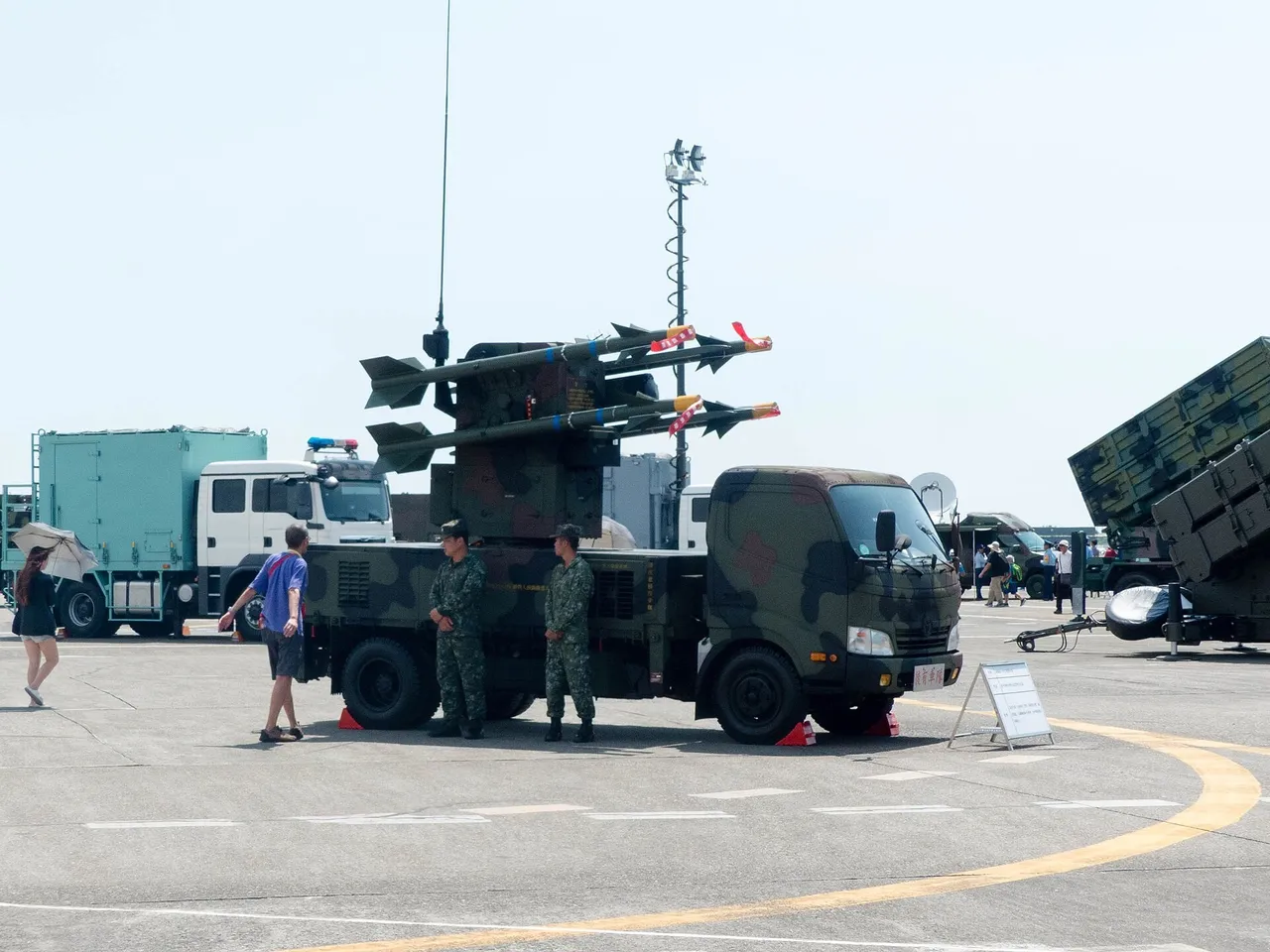
Taiwan's new NT$3.1bn missile upkeep deal shows how much it still leans on ageing air defences
A maintenance contract reported on 20 October 2026 and a life extension for the 20-year-old Antelope show Taiwan paying to bridge the gap until NASAMS arrives.
TaiwanDefence · 6h ago · 4 min read
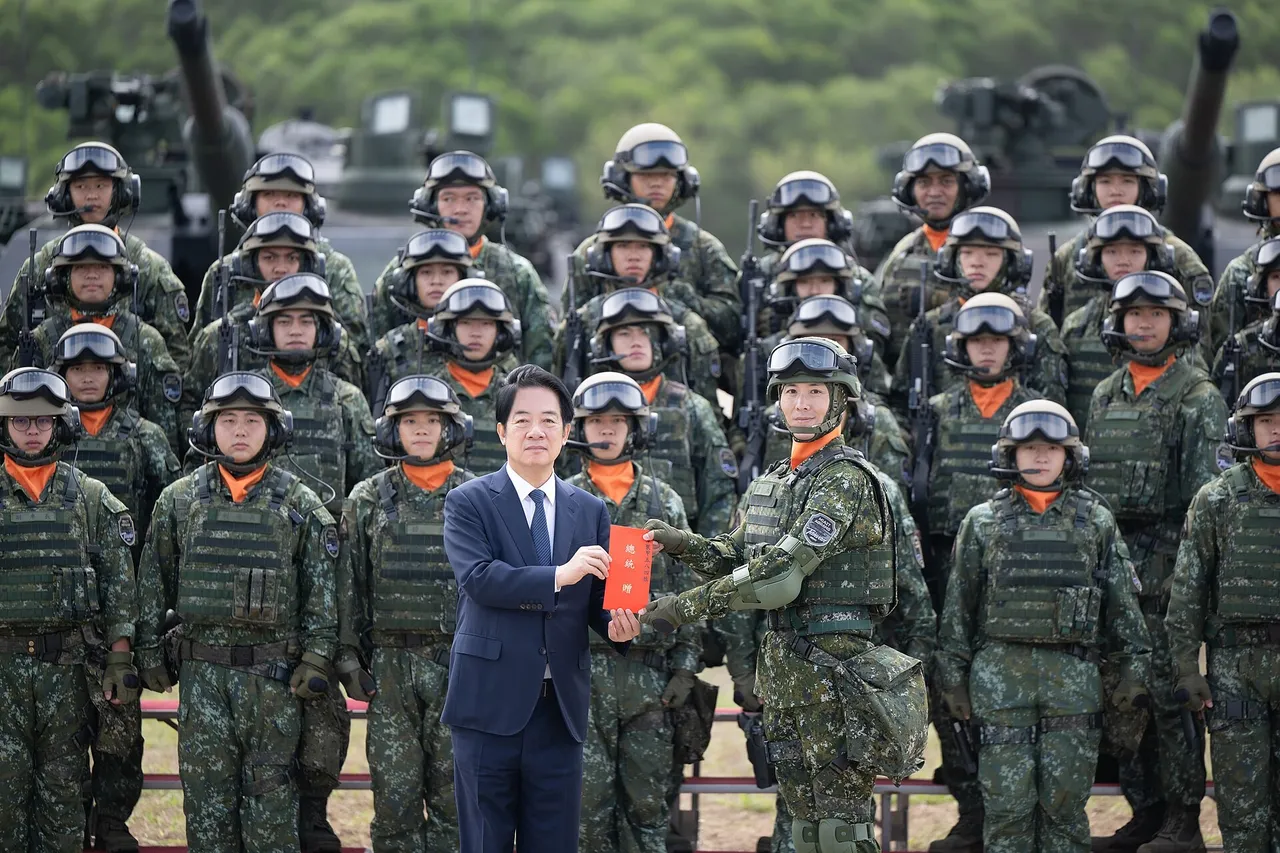
Taiwan's army is building its tank force around the M1A2T as frozen funds put its upkeep at risk
With Abrams tanks bound for the Lien Yung drill in late 2026 and CM11s headed for storage, a frozen NT$1.3 billion parts budget is the weak link.
TaiwanDefence · 1d ago · 3 min read
Discussion (0)
Comments are not currently available.