
ANALYSIS
Taiwan's army is building its tank force around the M1A2T as frozen funds put its upkeep at risk
With Abrams tanks bound for the Lien Yung drill in late 2026 and CM11s headed for storage, a frozen NT$1.3 billion parts budget is the weak link.
TAIPEI —
This article is an original Taiwan Defence analysis based on the cited public sources. It distinguishes reported facts from analytical judgments and does not represent original field reporting.
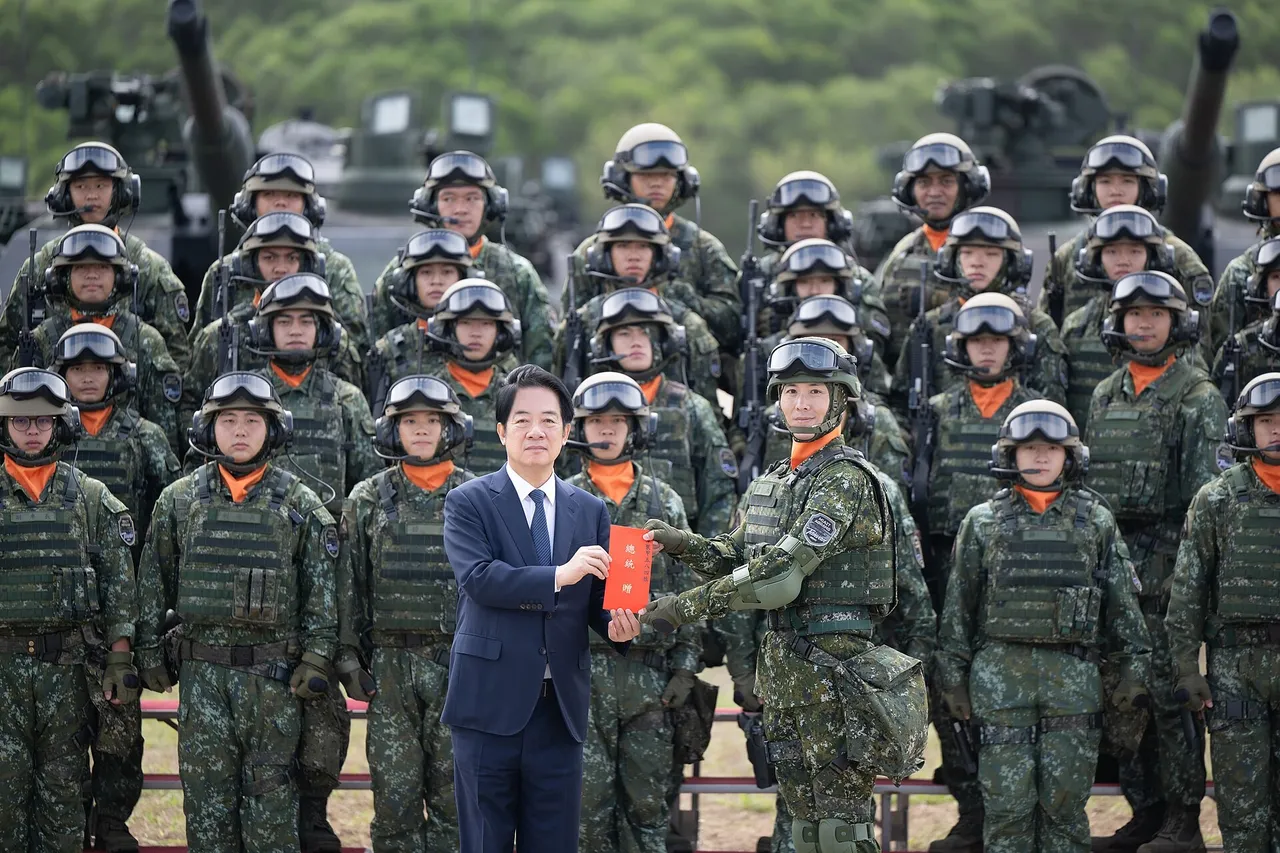
Taiwan's army has moved its US-built M1A2T Abrams tanks to the Joint Operations Training Base in Pingtung County for the Lien Yung joint exercise, which a military source told the Taipei Times will run from late November into December 2026. It will be the tanks' second major exercise after the Han Kuang drills in August, and it comes as the army reshapes its whole tank force around them.
According to the Liberty Times, the army's three tank types now face very different futures. All 108 M1A2Ts, bought from the United States for more than NT$40.5 billion, had arrived in Taiwan by April and are to become the main armoured defence of the north. The 460 M60A3s are receiving new AVDS-1790-2CAU diesel engines between 2023 and 2028 to improve readiness and add about five tonnes of load capacity for later armour, turret and sight upgrades. The roughly 450 CM11s, in service since 1990, have no upgrade plan and will be put into storage in batches, although no full retirement date has been set.
The paper said the army judged the CM11's cramped interior made an upgrade impractical. The older design drew attention on 16 October, when a CM11 of the 564th Brigade ran onto a highway median in Miaoli while on the move, in what the Eighth Army Corps said was a suspected brake failure. No one was hurt, and the cause is still under investigation.
The argument
The plan produces a two-tier tank force: modern Abrams tanks at the top, upgraded M60A3s beneath them, and the CM11s fading out. That is sensible on paper, but it concentrates Taiwan's best armour in the fleet that depends most on a US supply chain and on money that Taipei has not yet released. The budget dispute risks turning the army's newest tanks into the ones it can least guarantee.
Lien Yung is Taiwan's second-largest exercise after Han Kuang. Held in the south, it tests how the army, navy and air force work together to repel an invading force, and the source said the tank crews would use it to test their combat coordination. Taiwan bought the 108 tanks under a deal Washington approved in 2019, at a cost of about US$1.45 billion.
Evidence and constraints
The army has said the two-year warranty on the first 48 M1A2Ts, received in 2024, has expired. It set aside NT$1.3 billion to buy spare parts from the United States, covering 247 line items and 1,513 pieces, including second-level maintenance parts, critical components such as recoil mechanisms and a war reserve of AGT-1500 gas turbine engines. That money was frozen during the legislature's budget review and has not been released, and the army has warned that parts may not arrive in time.
Executive Yuan Secretary-General Chang Tun-han said on 19 October that the freezes were causing difficulties for ministries, especially with October nearly over, and urged the legislature to let the money flow. Mirror Media reported that more than 150 defence ministry requests to unfreeze funds were waiting in the new session, that none had been approved and that the committee responsible had not yet put them on its agenda.
The tanks are also still being absorbed. The Taipei Times said 38 M1A2Ts went to the 584th Armored Brigade in late October last year and 42 in April, while the other 28 are still being tested and prepared for service. The tanks are crewed only by volunteers, according to Su Tzu-yun of the Institute for National Defense and Security Research, while conscripts serving one-year terms will take part in this year's Lien Yung drills alongside them.
What could change
Three signals will show whether the risk is real. The first is whether lawmakers release the parts money before the end of the year. The second is how the brigade sustains its tanks through a month-long exercise in the south, far from the northern sector the Abrams are meant to defend. The third is whether the army sets a retirement timetable for the CM11s, which would show how quickly it expects the new fleet to carry the load.
Why it matters
Exercises such as Lien Yung rehearse how Taiwan's forces would jointly repel an invasion, and the army has chosen the M1A2T to anchor its armoured defence of the north. A tank that cannot get engines, recoil parts or maintenance spares is a costly static asset. The Lien Yung drill will test crews and coordination, but the more important test of the Abrams purchase in 2026 is political: whether Taipei can keep paying to keep the tanks running.
Sources
More in Analysis
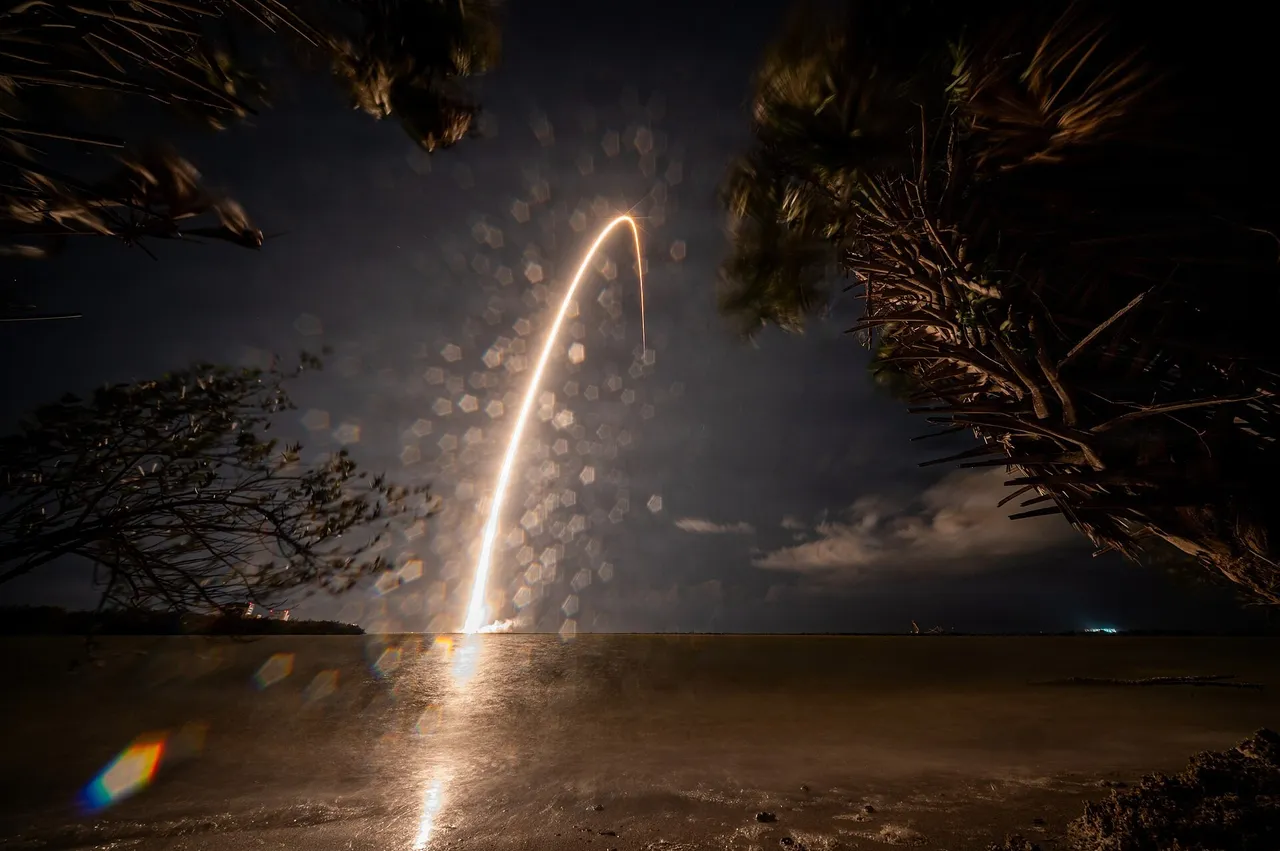
US Space Force's counterspace warning shows the satellites a Taiwan fight depends on are now targets
An Oct. 13, 2026 Space Systems Command assessment says China fields weapons that can jam or destroy the satellites US forces would lean on near Taiwan.
TaiwanDefence · 1d ago · 3 min read
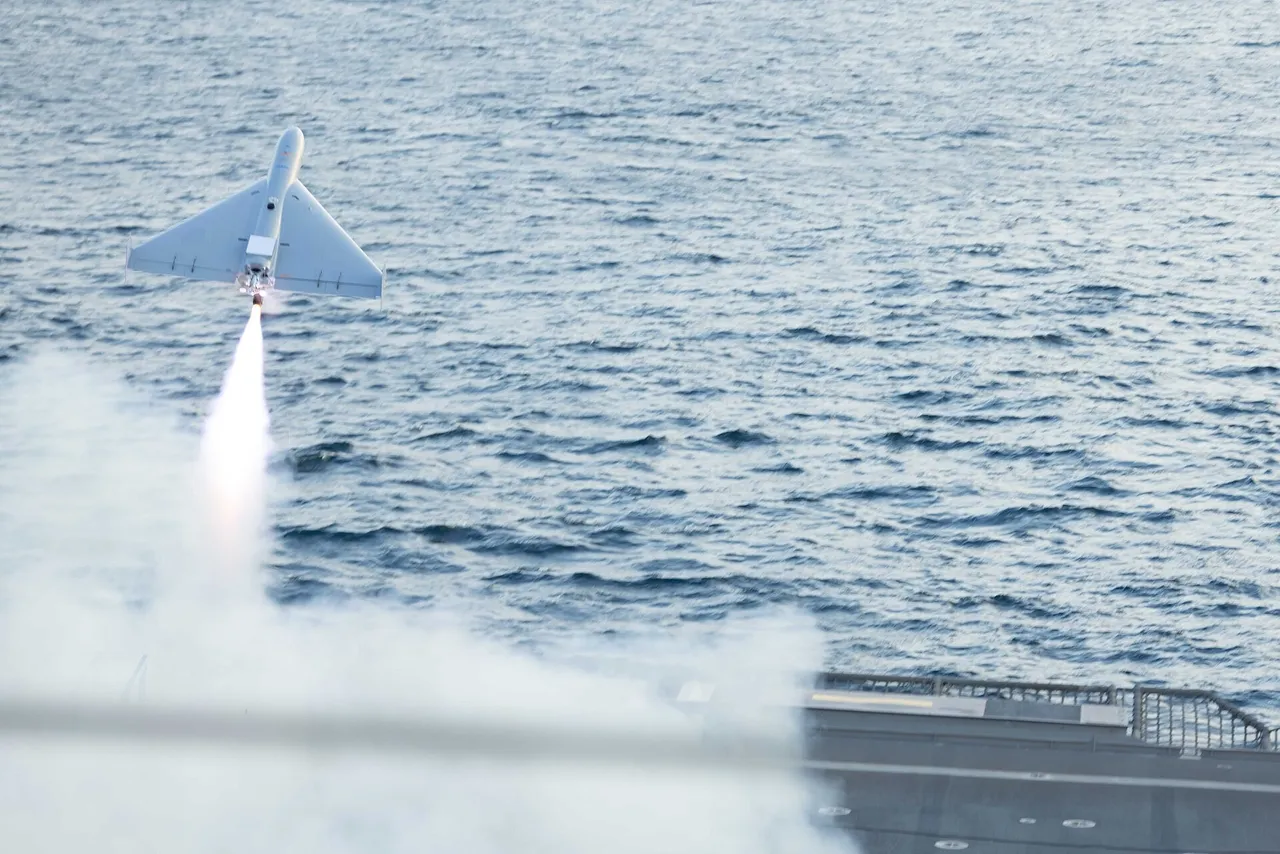
US Army's LUCAS mission-kill plan shows cheap drone mass is becoming its way into China's sea defences
Maj. Gen. Bernard Harrington's Oct. 14, 2026 AUSA remarks on blinding warships with low-cost drones echo the swarm logic Taiwan is already betting on.
TaiwanDefence · 1d ago · 3 min read
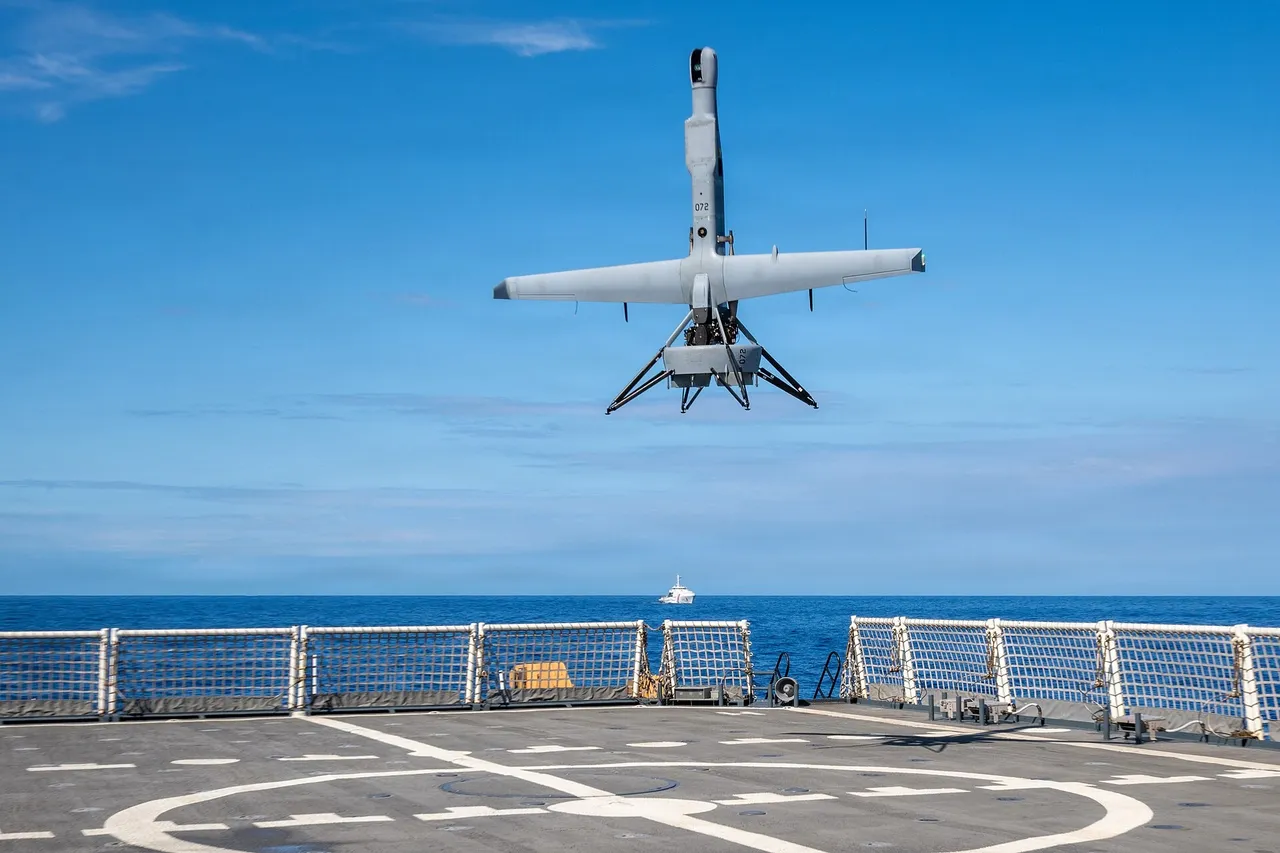
Taiwan's navy plans most of its 280 V-BAT drones as eyes for shore missile units, not warships
A 17 October 2026 report says 212 of the navy's 280 planned V-BATs will serve coastal missile units, making the buy a test of a radar-free kill chain.
TaiwanDefence · 2d ago · 3 min read
Discussion (0)
Comments are not currently available.