
ANALYSIS
US Army's LUCAS mission-kill plan shows cheap drone mass is becoming its way into China's sea defences
Maj. Gen. Bernard Harrington's Oct. 14, 2026 AUSA remarks on blinding warships with low-cost drones echo the swarm logic Taiwan is already betting on.
TAIPEI —
This article is an original Taiwan Defence analysis based on the cited public sources. It distinguishes reported facts from analytical judgments and does not represent original field reporting.
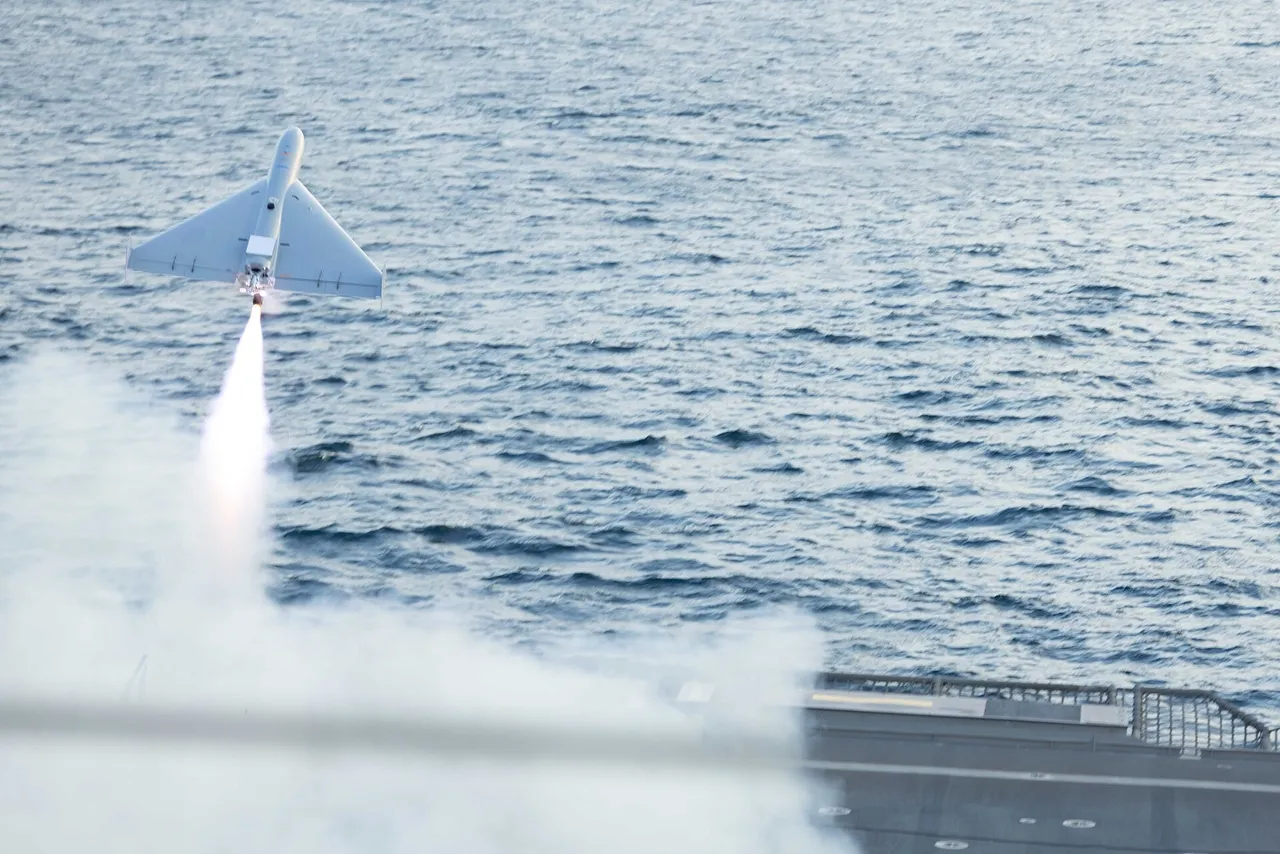
On Oct. 14, 2026, Maj. Gen. Bernard Harrington, who commands the 7th Infantry Division and Multi-Domain Command-Pacific, told a panel at the Association of the US Army annual meeting that his units are modelling how masses of low-cost one-way attack drones such as LUCAS could knock out systems on enemy warships instead of trying to sink them. The aim, he said, would be a short window in which a joint force commander could push in a carrier strike group or a bomber task force.
The remarks matter less as a weapons story than as a statement of method. They suggest the US Army now treats affordable mass, not a handful of expensive missiles, as its practical key to China's anti-access defences, which is the same logic Taiwan has been applying to its own drone build-up. Whether that logic holds at sea is still unproven.
The argument
Harrington described modelling a penetration of part of an anti-access and area-denial network in the US Pacific Command area, asking what effect on a ship was really needed to create an opening. Destroying selected systems on a vessel, rather than the vessel itself, was enough in that model, according to TWZ and Janes. He said the modelling showed considerable value in synchronising uncrewed surface vessels, long-range one-way attack drones and other launched effects in large numbers, so that more capable munitions need not be fired or revealed.
The Army is already training for it. Harrington said the 7th Infantry Division has added long-range one-way attack employment to its Bayonet Academy training area at Joint Base Lewis-McChord, covering maintenance, launch and coordination. Army Recognition reported the same shift toward LUCAS tactics aimed at disabling warships, and the Liberty Times relayed the concept to Taiwanese readers on Oct. 18.
Cost is the core of the case. The Liberty Times, citing foreign reporting, put LUCAS at about US$35,000 a unit, with an estimated range of about 820 kilometres and a payload of about 18 kilograms. A drone of that size is suited to wrecking radars, antennas and launchers rather than sinking a hull, matching the job Harrington described.
Evidence and constraints
LUCAS is not a paper concept. It was reverse-engineered from the Iranian-designed Shahed-136, entered US service in December 2025 and was first used in combat in the opening phase of operations against Iran earlier this year, TWZ reported. It can be launched from ground launchers or ships with a small rocket booster and has been test-fired from the littoral combat ship USS Santa Barbara.
The obvious constraint is the target. The Liberty Times noted that it remains unproven whether LUCAS can penetrate the layered air defences and electronic warfare of modern warships and precisely disable key equipment. Its only reported combat use has been in operations against Iran. TWZ reported that Shield AI's Hivemind software is meant to add swarming, letting drones share tasks, reroute around defences and keep flying if jammed.
Taiwan is pursuing a similar idea from the other side of the Strait. At a maritime security conference hosted by Taiwan's Ocean Affairs Council on Oct. 14, Yoo Jeh-seung, head of a South Korean national strategy institute and a former policy chief at South Korea's defence ministry, told the Central News Agency that Taiwan's defence ministry is rapidly expanding its drone capability, in line with the hellscape idea of using masses of uncrewed systems to delay an attacker and buy time. He urged Taiwan to acquire more attack and defensive drones and warned that the advantage depends on an operational-level command and control system able to coordinate the whole force.
What could change
Three developments would show whether cheap mass is becoming doctrine rather than a panel talking point: whether one-way attack drones appear in large Pacific exercises against moving ship targets, whether swarming software is fielded on LUCAS, and whether US and Taiwanese planners link their drone efforts through shared targeting and command networks. The European commander on the same panel, Brig. Gen. Steven Carpenter, described using such weapons against Russian missile launchers, which suggests the Army sees this as a global approach rather than a Pacific experiment.
Why it matters
For Taiwan, the significance is alignment. If the US Army plans to blind ships cheaply and in numbers while Taiwan builds its own drone mass to slow an invasion fleet, both are betting that quantity and timing can offset the cost of China's naval defences. That bet is plausible, but it is still a bet, and its success will depend on command networks and penetration tactics that neither side has yet demonstrated against a modern navy.
Sources
More in Analysis
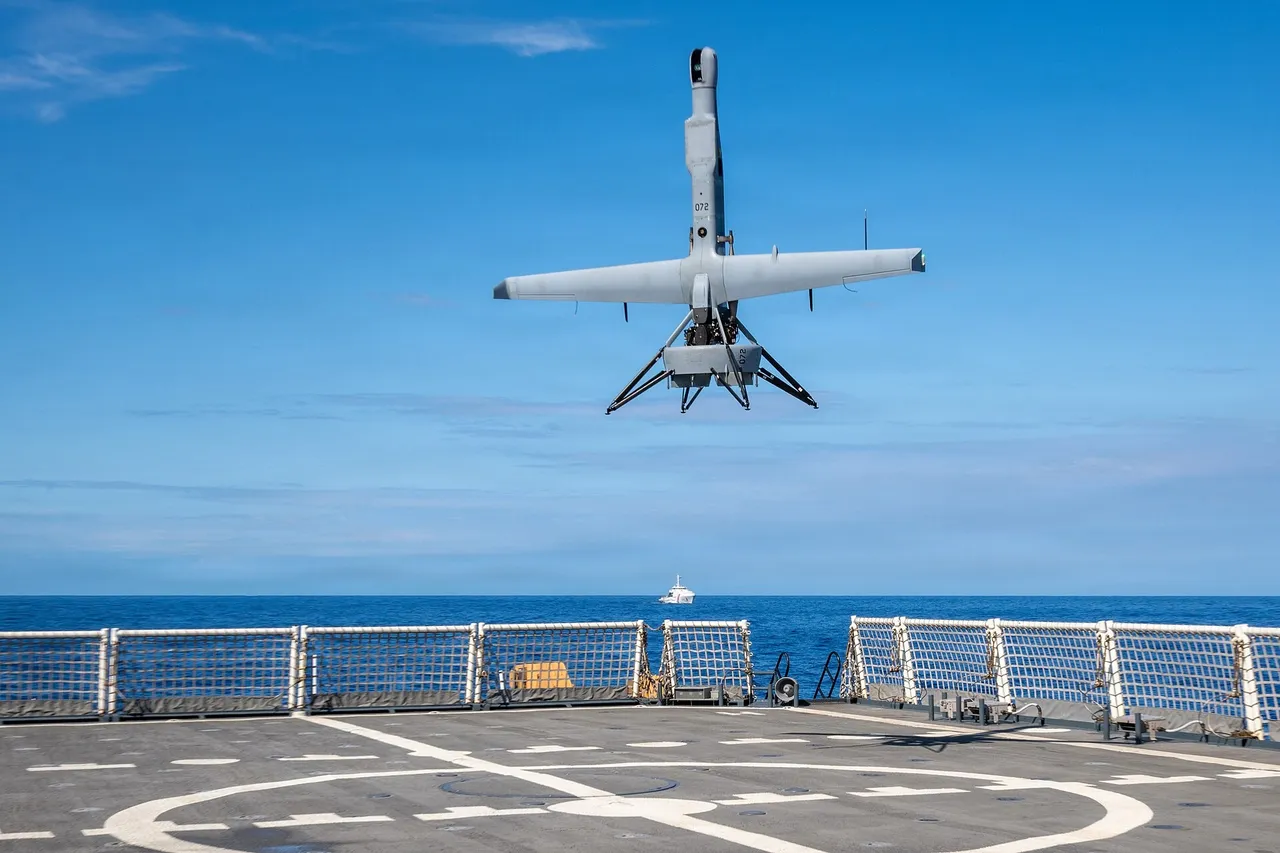
Taiwan's navy plans most of its 280 V-BAT drones as eyes for shore missile units, not warships
A 17 October 2026 report says 212 of the navy's 280 planned V-BATs will serve coastal missile units, making the buy a test of a radar-free kill chain.
TaiwanDefence · 1d ago · 3 min read
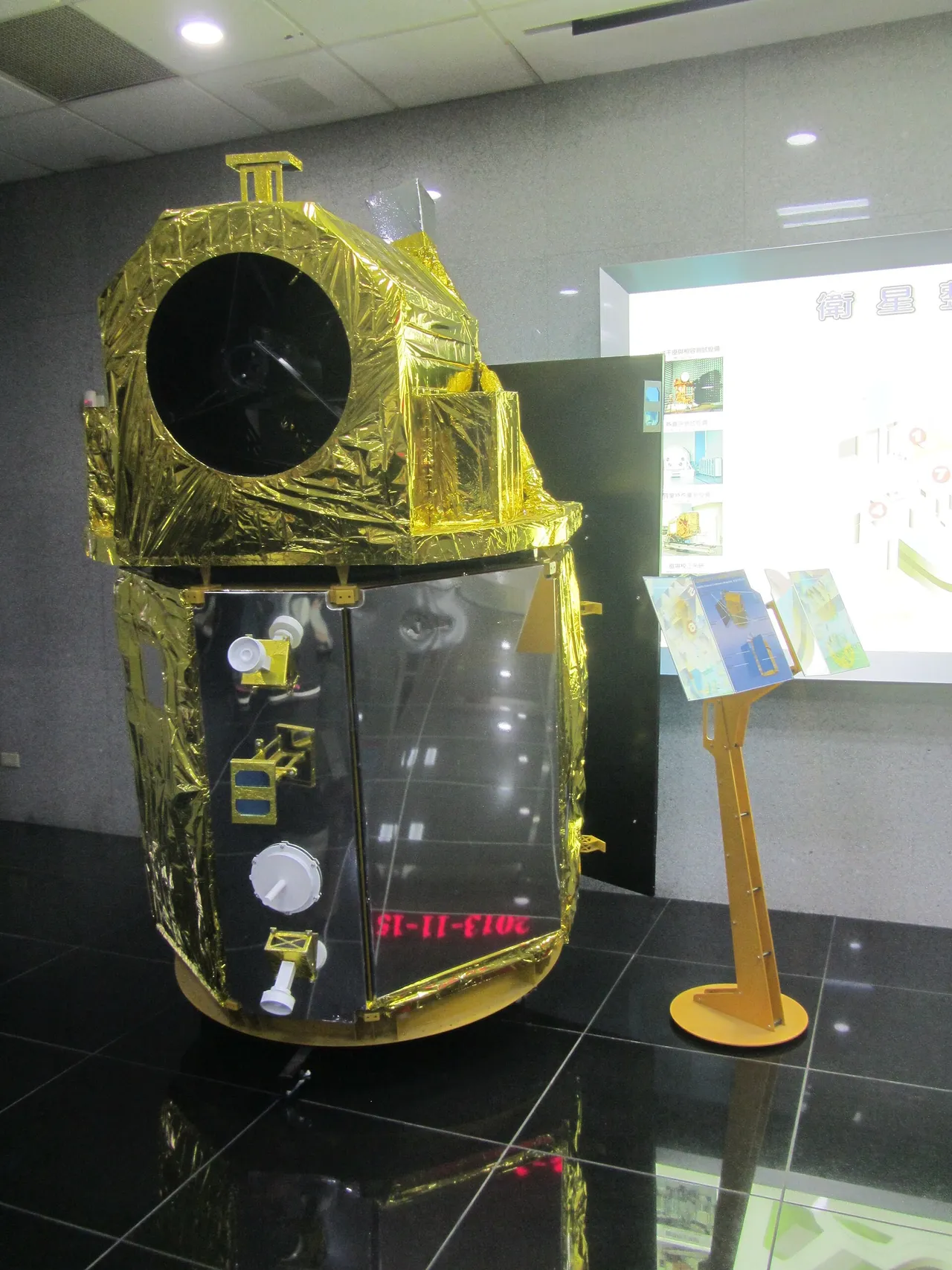
Formosat-8B is less a space PR moment than an ISR independence test
TASA says the second Formosat-8 bird ships to the US by year-end for a Q1 2027 SpaceX launch, just as Taiwan's signals office is still buying AI to mine foreign commercial satellite pictures for PLA hardware.
TaiwanDefence · 1d ago · 4 min read
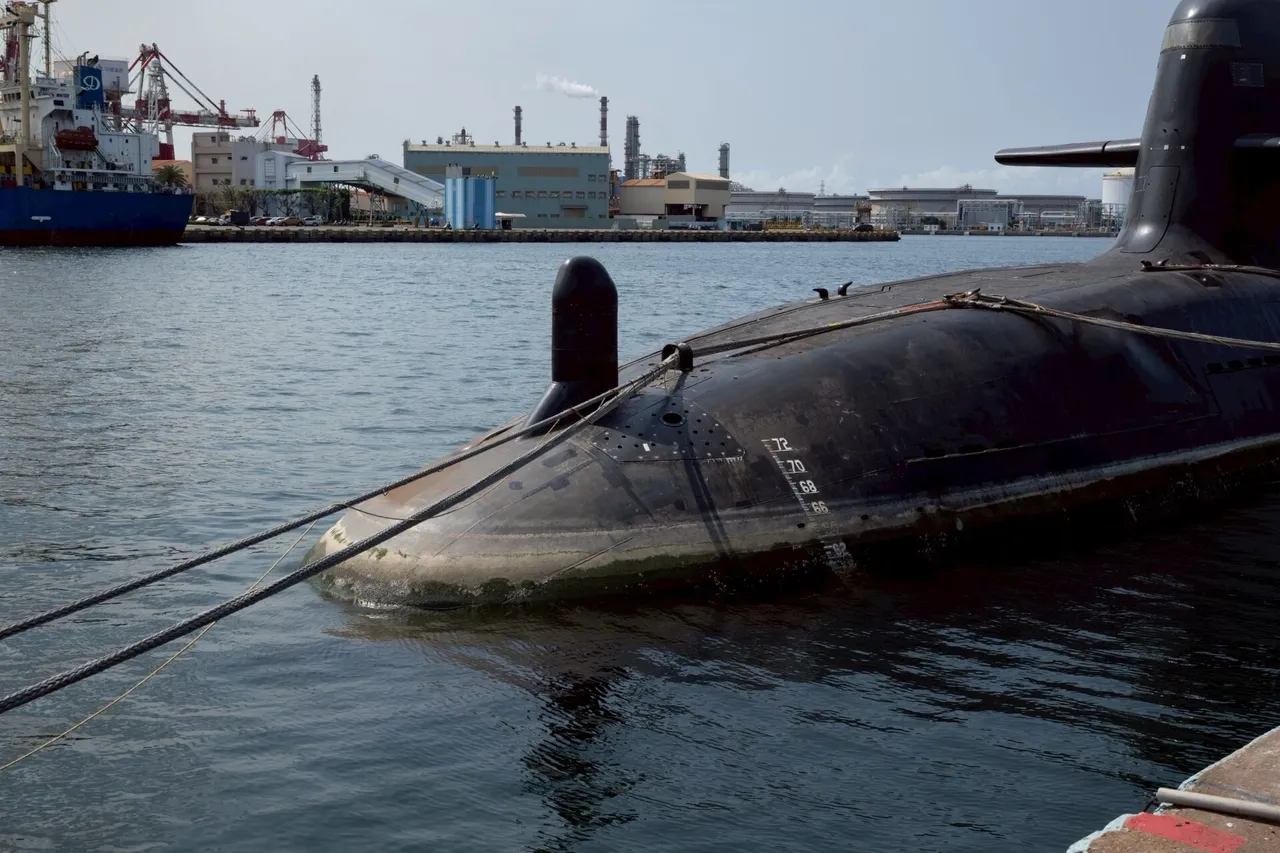
Hai Kun's deep dive is not the hard part — funding the next seven boats is
On 16 October 2026 Liberty Times relayed experts arguing the prototype will likely pass deep tests while Legislative Yuan politics threaten the follow-on class.
TaiwanDefence · 2d ago · 3 min read
Discussion (0)
Comments are not currently available.