
China's YJ-9ER anti-ship missile reportedly doubles range against Taiwan's fast corvettes
Chinese reports say the YJ-9ER can be fired from 30 km by helicopter and 60 km by aircraft, twice the YJ-9's reach, though the figures remain unproven.
TAIPEI —
China has publicly presented an extended-range version of its lightweight YJ-9 air-launched anti-ship missile, and specialist reporting this week says the new YJ-9ER roughly doubles the distance from which Chinese helicopters and aircraft could fire at small, fast warships such as Taiwan's Tuo Chiang-class corvettes. The range figures come from Chinese defence media and have not been independently demonstrated.
According to those reports, the YJ-9ER can reach about 30 km when launched from a helicopter, up from roughly 15 km for the original YJ-9, and about 60 km when launched from a fixed-wing aircraft, up from about 30 km. The defence outlet Army Recognition published the figures on Oct. 17, drawing on Chinese coverage from September, and the Taiwanese outlets ETtoday and the Liberty Times relayed them to domestic readers over the following days.
The missile was reportedly put on display at the Egypt International Airshow in September, which ETtoday described as the first time the Aviation Industry Corporation of China had taken the YJ-9ER to a foreign show. ETtoday said the new version keeps the outer shape of the earlier missile but has a lengthened body, letting its solid-fuel rocket motor carry more propellant. It also reported better resistance to jamming, improved accuracy and a two-way datalink that would allow an operator to switch targets in flight. Those performance claims originate from Chinese sources and commentators.
The original YJ-9 is a small weapon. Published figures put it at about 2.58 metres long and 105 kg, with a warhead of roughly 30 kg and a subsonic speed of Mach 0.7 to 0.85. It is intended for patrol boats, fast attack craft and missile boats rather than large warships, and the People's Liberation Army Navy has previously shown Z-9D shipborne helicopters armed with the missile in exercises against moving surface targets. Army Recognition noted that the dimensions, propulsion and warhead of the longer-range variant have not been independently confirmed.
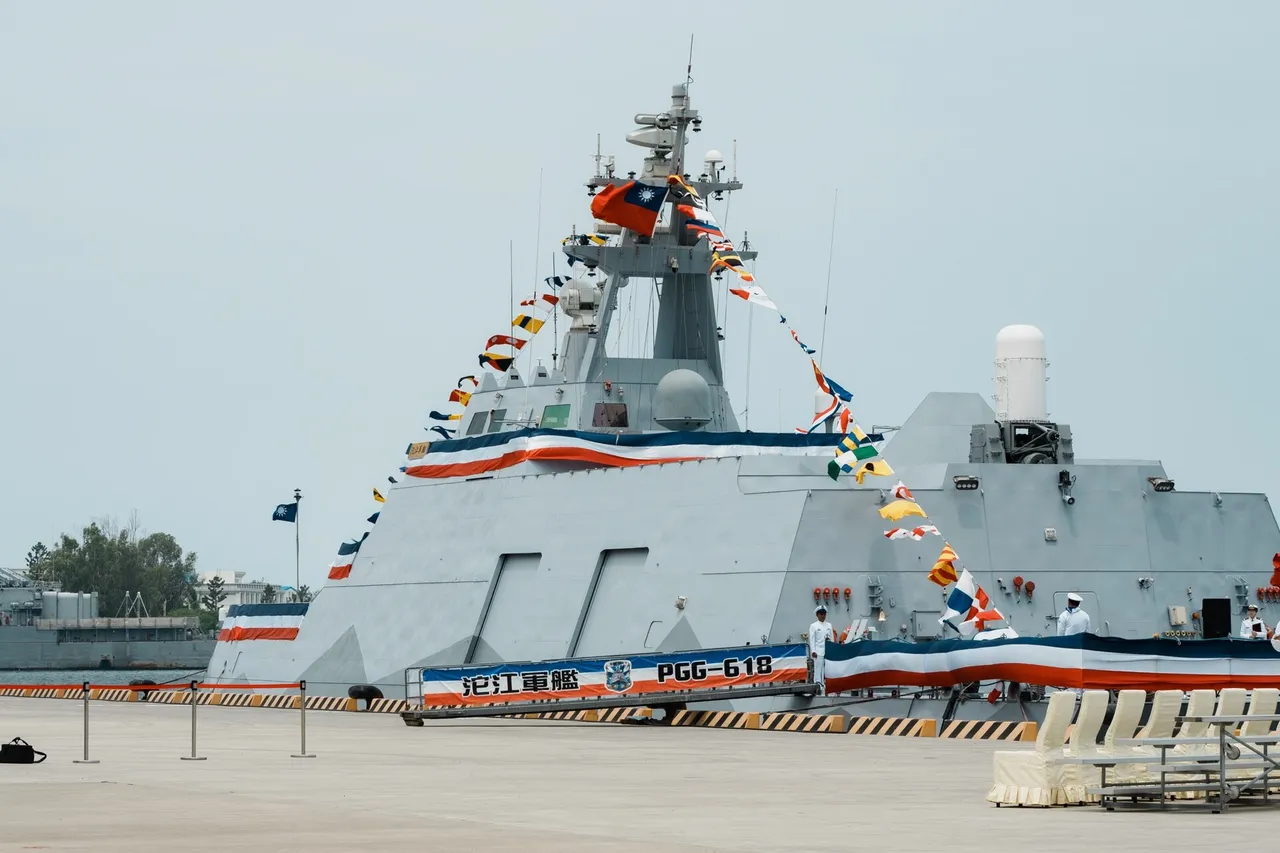
Both Army Recognition and the Liberty Times singled out Taiwan's Tuo Chiang-class corvettes as a likely target. The stealthy catamarans displace about 685 tonnes, can exceed 40 knots and carry Hsiung Feng II and Hsiung Feng III anti-ship missiles, Sea Sword II air-defence missiles, a 76 mm gun and a Phalanx close-in weapon system. Taiwan has invested in such small, fast, missile-armed ships so that its anti-ship firepower can be spread along a complex coastline rather than concentrated in a few large hulls.
The class is still growing. Naval News reported that President Lai Ching-te commissioned ROCS Tan Chiang, the eighth ship of the class and the first of a second production batch, at Tsoying Naval Base on July 24, 2026, and that all 12 corvettes were scheduled for delivery by the end of the year. Ships in the second batch carry a Leonardo NA-30S Mk2 fire-control radar after France declined to approve further exports of Thales radars to Taiwan.
The two sets of reporting read the threat differently. ETtoday argued that the air defences of most small and medium warships do not reach beyond about 30 km, so the longer range would let Chinese launch aircraft stay clear of return fire. Army Recognition was more cautious, saying a 30 km helicopter shot would not automatically keep the launch platform outside the reach of the Sea Sword II system, and that the corvettes' speed, electronic countermeasures and operations close to coastal terrain would complicate targeting.
Army Recognition also stressed that the missile's public appearance does not show it has entered service with the PLA Navy. Its production status, qualification testing, deployment schedule and the specific helicopters or aircraft it has been integrated with all remain unconfirmed, and the outlet said the quoted ranges should be treated as advertised figures rather than demonstrated capability.
If the reported range holds, Army Recognition assessed, the missile would give Chinese naval aviation a lighter way to threaten the small warships Taiwan relies on to strike surface groups and amphibious formations, while saving heavier anti-ship missiles for larger targets. The outlet said that would push Taiwanese commanders to put more weight on air-defence coordination, electronic warfare and dispersal when operating the corvettes in a blockade or wider conflict.
Sources
More in Cross-Strait
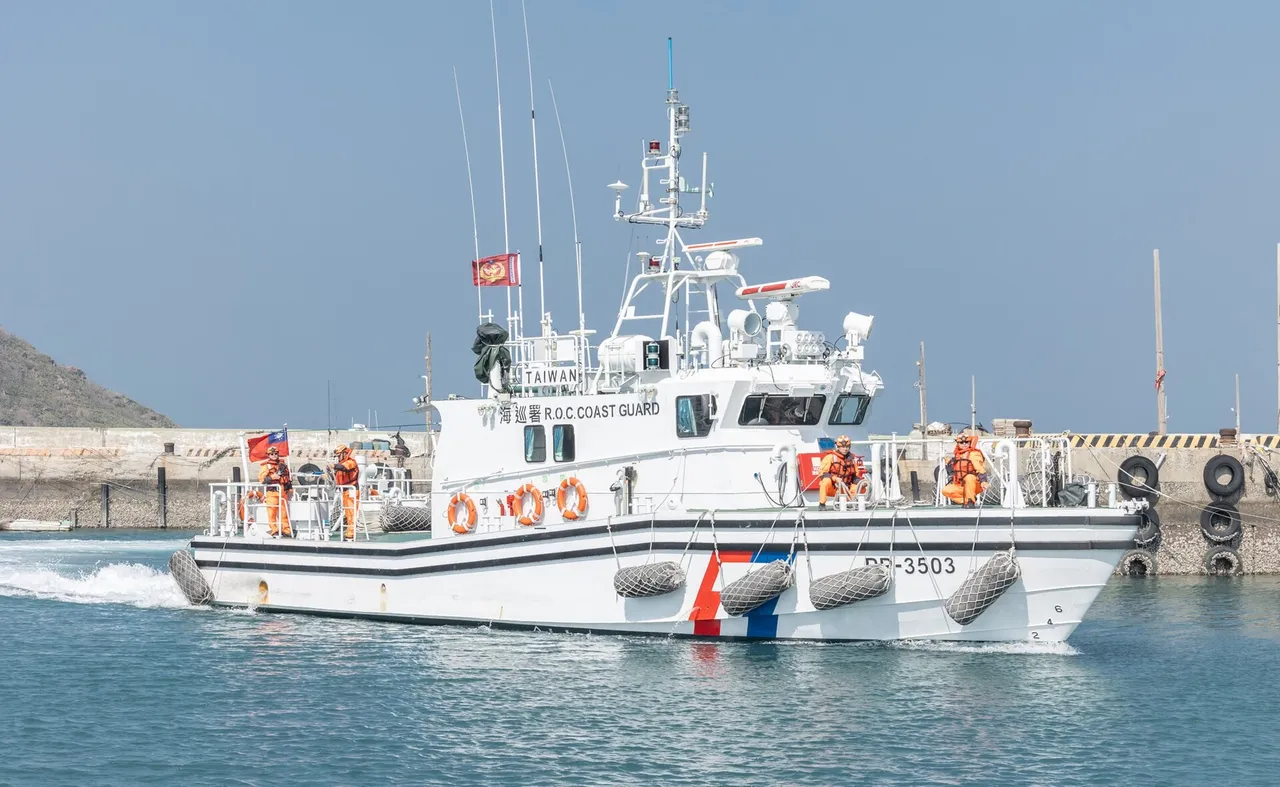
Chinese deep-sea test ship ignores Taiwan coast guard calls in restricted waters off Pingtung
The Liberty Times says Bei Diao 996, a ship the Philippines has linked to sonar testing and seabed surveys, ignored a patrol boat's radio warnings near Qixingyan.
TaiwanDefence · 1h ago · 3 min read
Nine Chinese official ships outnumber PLA warships around Taiwan as two helicopters cross the median line
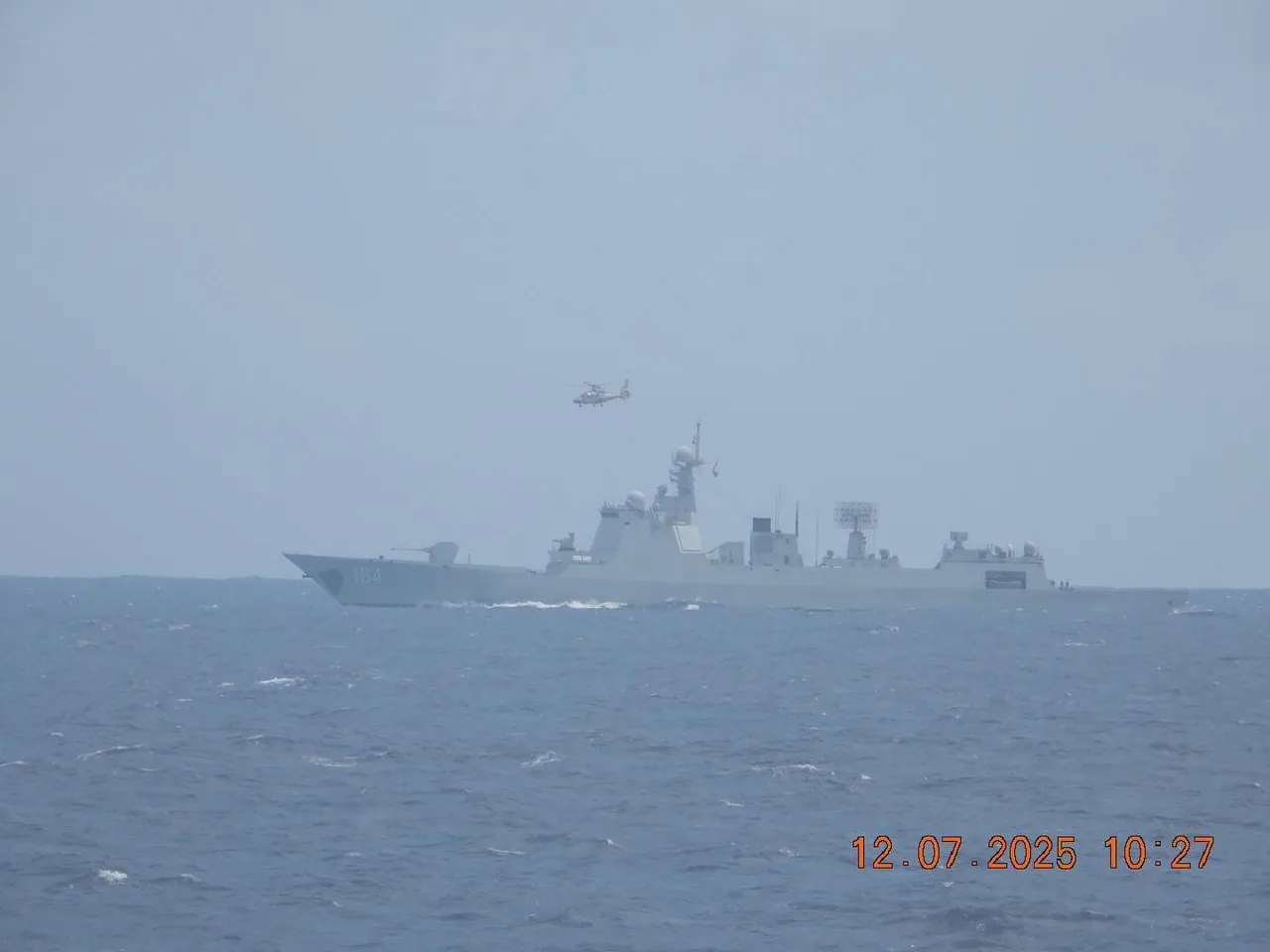
Taiwan's defence ministry logged two PLA helicopter sorties across the Taiwan Strait median line, five warships and nine Chinese government ships.
TaiwanDefence · 3h ago · 3 min read
Chinese state TV airs H-6K bombers with YJ-21 hypersonic anti-ship missiles under their wings
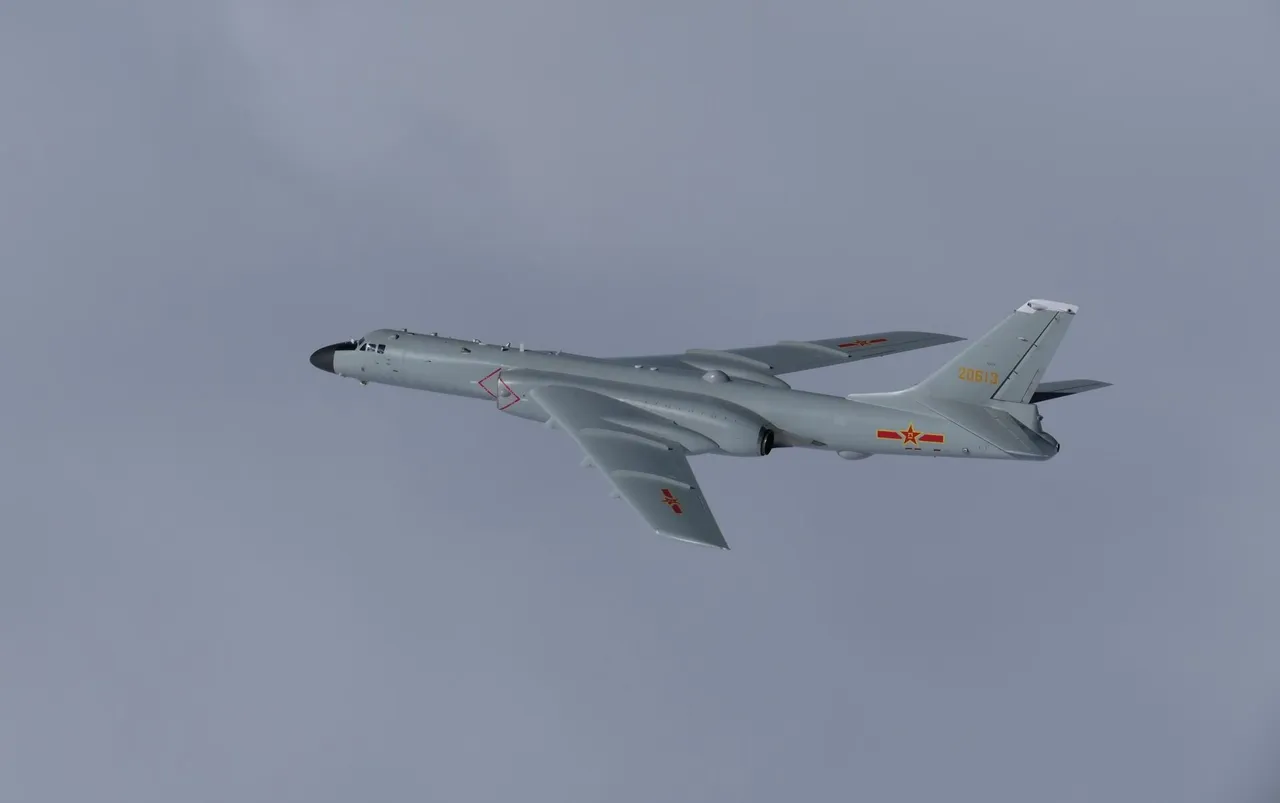
Taiwanese reporting says the footage shows the missile settling into an air-launched role, while a retired general argues Taiwan's air defences can still intercept it.
TaiwanDefence · 8h ago · 3 min read
Discussion (0)
Comments are not currently available.