
South Korea weighs a P-8 patrol plane and a wider zone toward Hormuz for its anti-piracy naval unit
Seoul's defence ministry is preparing to extend the Cheonghae Unit's mandate, while critics warn that stretching it to the Gulf of Oman would be a deployment by the back door.
TAIPEI —
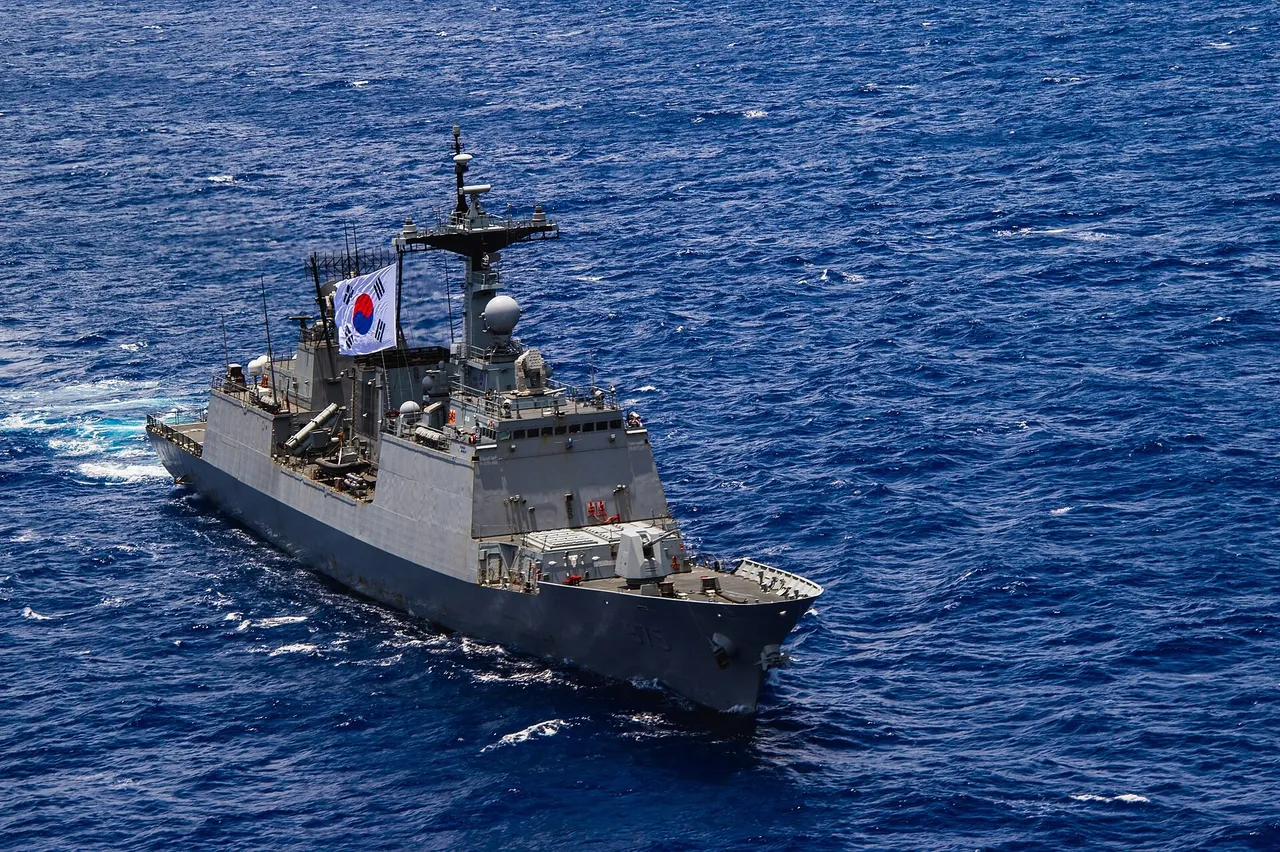
South Korea's defence ministry is weighing whether to stretch the operating area of its Cheonghae Unit, the naval task force that has guarded shipping off Somalia, to the Gulf of Oman at the mouth of the Strait of Hormuz, and to add a P-8 Poseidon maritime patrol aircraft to the force, according to several South Korean newspapers.
The options are being discussed as the ministry prepares to ask the National Assembly to extend the unit's mandate, which is due to end on December 31. A ministry official told reporters on October 16 that piracy in the Gulf of Aden had surged compared with previous years and that the security situation there had worsened. The official said an extension motion was under review but that no details had been decided, adding that the ministry usually submits it at about this time of year.
The unit currently consists of one 4,400-tonne DDH-II class destroyer, one maritime operations helicopter, up to three fast boats and about 320 personnel. The ministry is reported to be considering the P-8 to strengthen the force's airborne surveillance and reconnaissance. The 49th rotation sailed from the Busan naval base aboard the destroyer Chungmugong Yi Sun-sin.
Hankook Ilbo reported that one idea being discussed inside and outside government is to widen the zone first to the Gulf of Oman and then, once the region stabilises, to send the unit into the strait in coordination with a multinational mission led by Britain and France. A senior government official told the paper that direct entry would be difficult until the fighting ends, and that Seoul was unlikely to move ahead of London and Paris or to join a separate US-led maritime framework.
Last year's motion defines the operating area as the Gulf of Aden off Somalia, but it also covers waters the unit is directed to when protecting South Korean nationals in an emergency. Some officials believe that clause would allow a wider zone without a new mandate. The government relied on it in January 2020, when it extended the unit's operations into the Strait of Hormuz to escort South Korean ships during a flare-up between the United States and Iran, drawing criticism that it had sidestepped the constitution.
President Lee Jae-myung said at a news conference on September 18 that there would be no deployment that involved South Korea in a war, while acknowledging that the government was considering ways to strengthen the unit's activities. Defence Minister Kang Shin-chul told a parliamentary audit on October 15 that the mission and its extension were being reviewed in several ways.
Critics on the left say the plan amounts to a deployment by the back door. Rebuilding Korea Party floor leader Kim Joon-hyung said adding a patrol aircraft and widening the area would draw South Korea into US military operations, and the Justice Party urged the government to drop the Gulf of Oman option, saying it raised the risk of becoming a party to the conflict. Progressive Party lawmaker Son Sol told the ministry that any expansion must go to the National Assembly for approval.
Others defended the review. Democratic Party lawmaker Kim Byung-joo, a retired four-star general, said on radio that the unit was not being sent to Hormuz and that the military's real concern was the force's weak ability to defend itself. The ministry said the government would not take part in any war or combat under any circumstances and would consult the National Assembly once a concrete plan was ready.
The review comes as attacks on civilian ships passing through the Strait of Hormuz have risen again, according to Hankook Ilbo. Yoo Ji-hoon, a researcher at the Korea Institute for Defense Analyses, told the paper that the motion could include a clause allowing operations near the Gulf of Oman only after the US-Iran war ends, which he described as a compromise between staying out of the fighting and protecting sea lanes.
Sources
More in Indo-Pacific
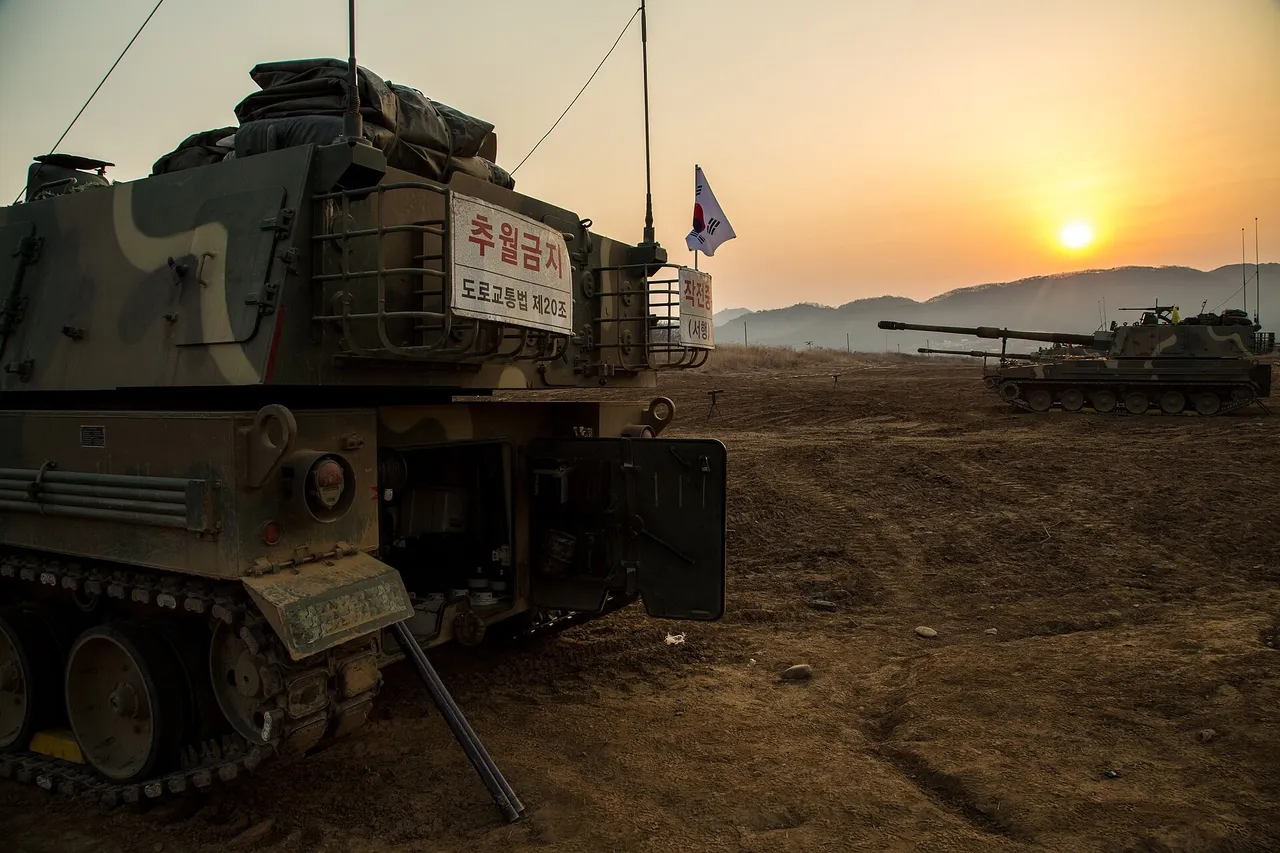
South Korea's army spent over 3 trillion won in five years keeping overage weapons running
Army data given to a lawmaker show 3.08 trillion won went on maintaining tanks, howitzers and helicopters past their service lives, as she urges faster retirement.
TaiwanDefence · 21m ago · 3 min read
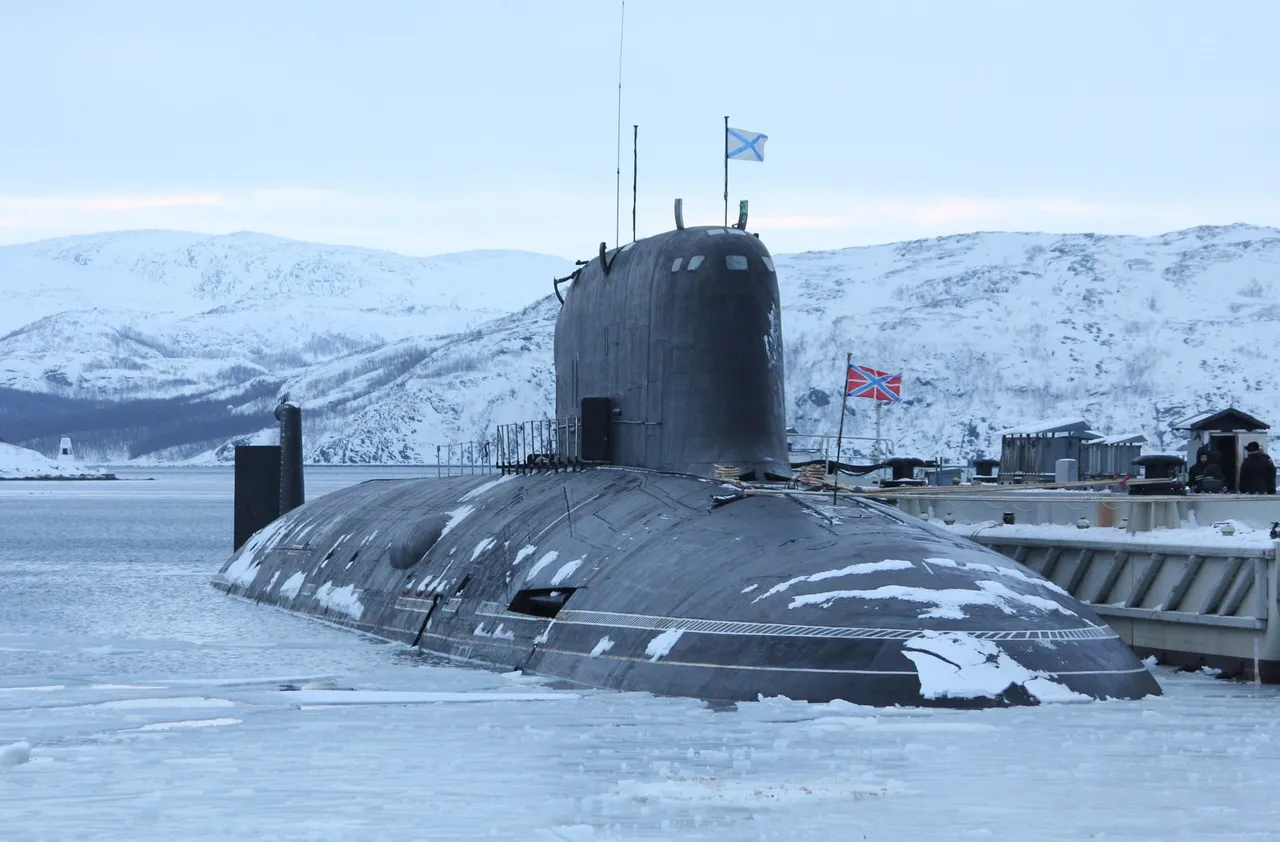
Russian military says its nuclear submarine hit sea and land targets with cruise missiles in a Pacific drill
Moscow says the Yasen-M submarine Novosibirsk, firing while submerged, hit a mock warship 170 km away and a Kamchatka range target over 1,200 km away.
TaiwanDefence · 3h ago · 2 min read
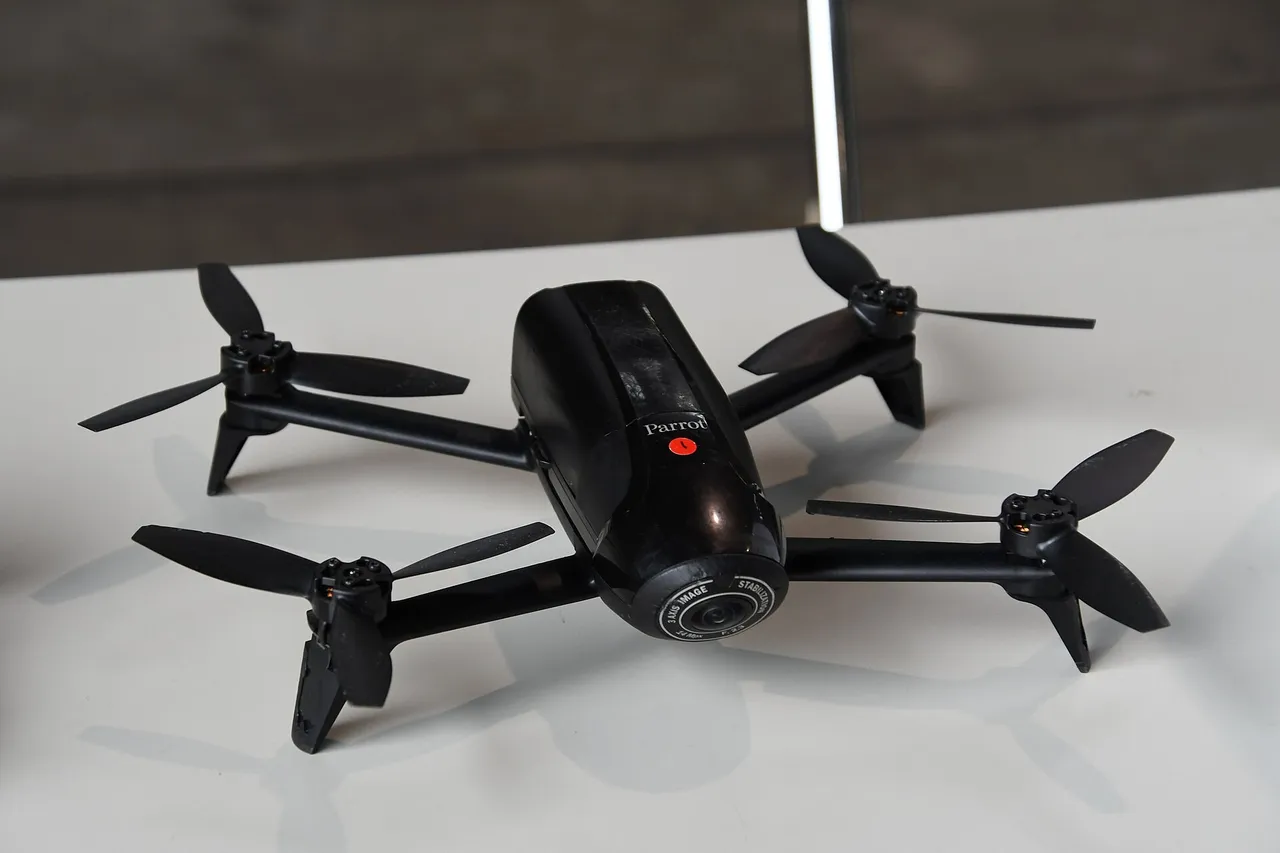
Japan's defence ministry asks start-ups for cheap military drones built from Japanese parts
The first call under a new start-up scheme seeks attack drones costing under 5 million yen and interceptors for Shahed-type threats.
TaiwanDefence · 7h ago · 3 min read
Discussion (0)
Comments are not currently available.