
Russian military says its nuclear submarine hit sea and land targets with cruise missiles in a Pacific drill
Moscow says the Yasen-M submarine Novosibirsk, firing while submerged, hit a mock warship 170 km away and a Kamchatka range target over 1,200 km away.
TAIPEI —
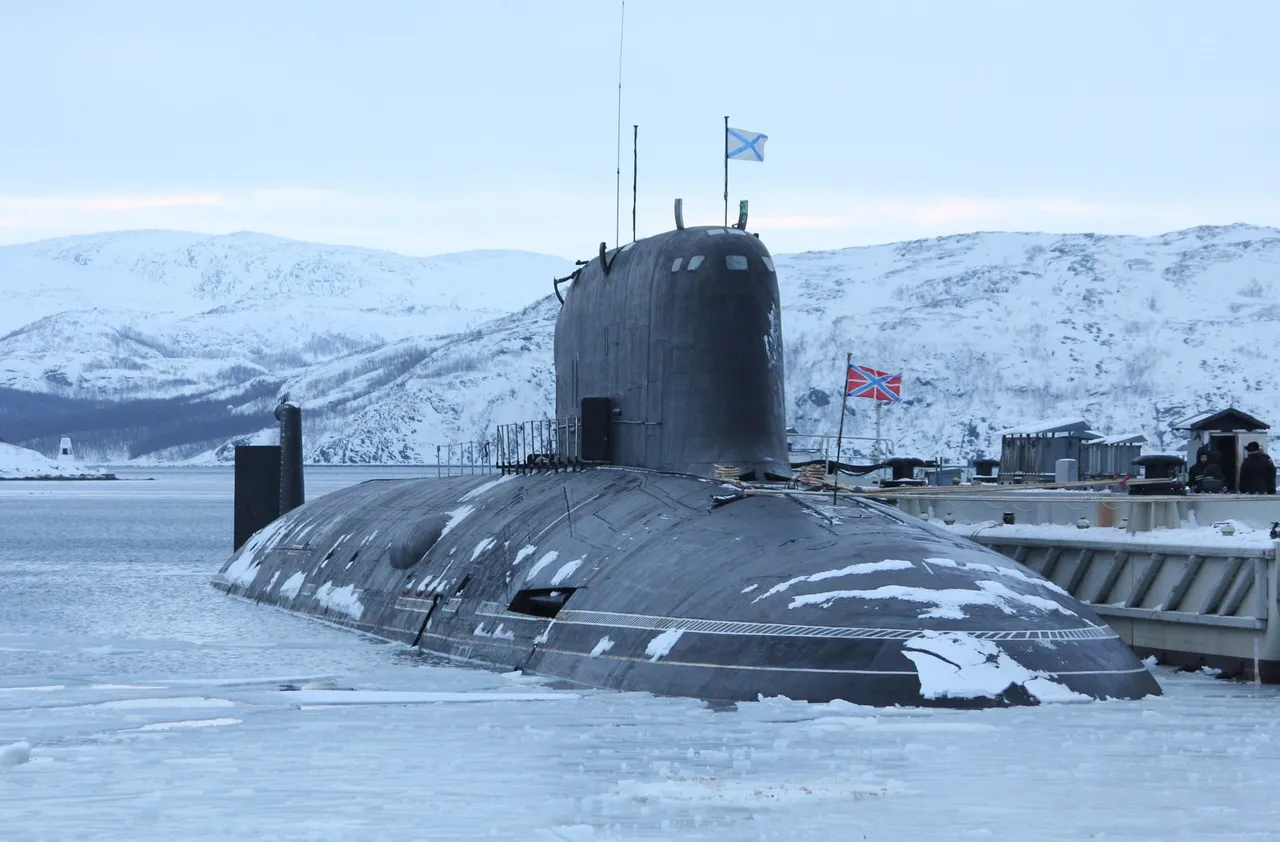
Russia's defence ministry said on 15 October that Novosibirsk, a Project 885M Yasen-M nuclear-powered attack submarine assigned to the Pacific Fleet, fired two cruise missiles from underwater during a scheduled exercise in the Pacific Ocean. South Korea's Yonhap news agency reported the announcement the next day, describing the boat as a 4.5-generation design about 130 metres long that displaces roughly 13,800 tonnes submerged.
According to the ministry's account, an Oniks supersonic missile was fired at a sea target standing in for an enemy surface warship and struck it at a distance of more than 170 kilometres. A Kalibr cruise missile then hit a target at the Kura range on the Kamchatka Peninsula, more than 1,200 kilometres from the launch point. Fleet vessels closed the danger area to civilian shipping and aircraft while the firings took place.
These results come only from Moscow. Interesting Engineering noted that the ministry's statement offered no independent verification of the hits and gave few technical details, and Army Recognition pointed out that the distances describe these particular shots rather than the maximum range of either weapon. The ministry did not say which Kalibr variant was used, what warheads the missiles carried, or what flight profile the Oniks flew. It made no claim that any weapon was nuclear-armed.
Defense WarRoom, a specialist outlet, judged that a land shot beyond 1,200 kilometres fits the land-attack version of the Kalibr, since the anti-ship version is usually credited with a range of only about 660 kilometres. It placed the 170-kilometre Oniks engagement at the shorter end of that missile's published envelope. Yonhap, which calls the Kalibr Russia's answer to the Tomahawk, put the family's range at roughly 300 to 2,500 kilometres depending on the target.
Yonhap also framed the drill as the second Russian submarine missile firing in the region in about a month. In September, it said, the new Kilo-class diesel-electric submarine Ufa, from the same fleet, carried out a live cruise missile firing in the sea between Korea and Japan, which Koreans call the East Sea.
Novosibirsk is the first series-built boat of the upgraded Yasen-M design. It was laid down in 2013, launched in 2019 and reached its permanent base on Kamchatka in September 2022, arriving alongside the Borei-A ballistic missile submarine Knyaz Oleg. Defense WarRoom said the boat carries eight vertical launch modules able to hold up to 32 Oniks or 40 Kalibr missiles, and that its sister Krasnoyarsk hit the same Kura range with a Kalibr fired from more than 1,100 kilometres in April 2025.
More boats are coming. The same outlet reported that Russia's navy chief told President Vladimir Putin in July that Perm, launched in March 2025, would join the fleet before the end of this year as the first nuclear-powered submarine designed to carry the Zircon hypersonic missile. Russian speed and range claims for Zircon have not been independently verified.
For Japan and South Korea, which track Russian naval activity off their northern approaches, the drill is a reminder that the Pacific Fleet keeps a submerged long-range strike force on Kamchatka and is preparing to add a hypersonic-capable boat to it. How accurate the reported hits were remains Moscow's claim alone.
Sources
More in Indo-Pacific
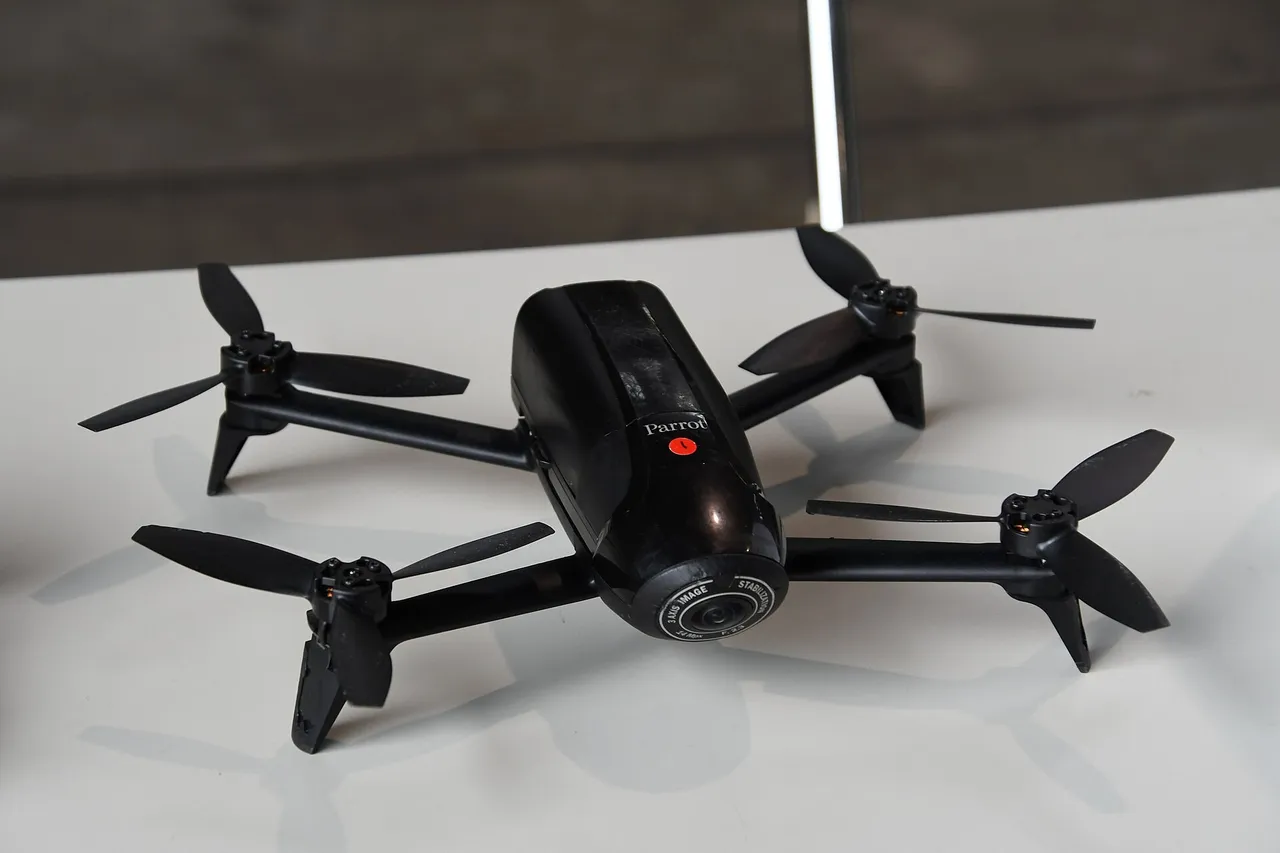
Japan's defence ministry asks start-ups for cheap military drones built from Japanese parts
The first call under a new start-up scheme seeks attack drones costing under 5 million yen and interceptors for Shahed-type threats.
TaiwanDefence · 5h ago · 3 min read
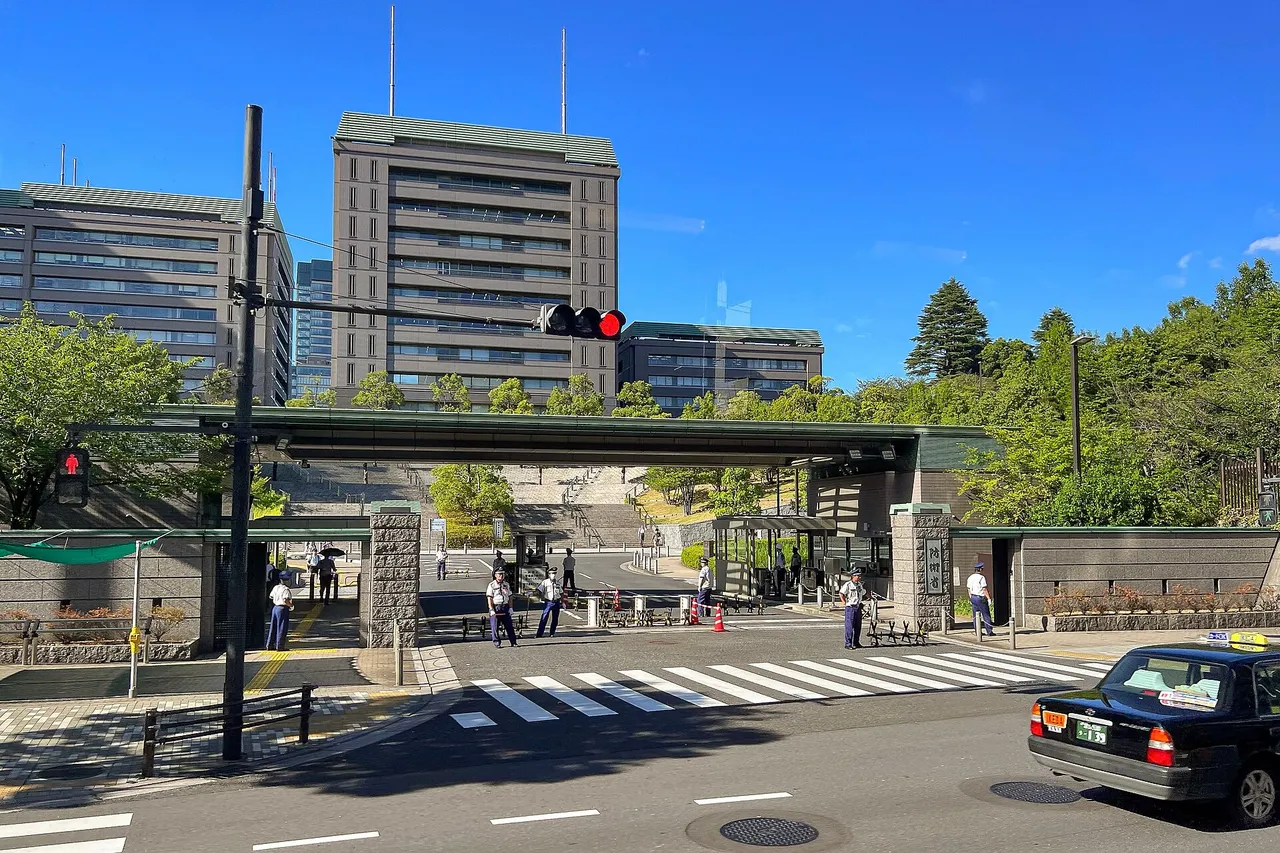
Tokyo floats a corporate tax rise as Japan's defence bill heads past 10 trillion yen
Officials say Japan's next five-year buildup, centred on mass drone buys and munitions for a long war, could cost 70 to 80 trillion yen.
TaiwanDefence · 6h ago · 3 min read

Japan moves to raise SDF pay as its forces fill only 88 percent of their posts
Tokyo plans a new pay scale and a support agency for veterans, warning that the Self-Defense Forces could shrink to 130,000 by fiscal 2045 on current trends.
TaiwanDefence · 7h ago · 3 min read
Discussion (0)
Comments are not currently available.