
Tokyo floats a corporate tax rise as Japan's defence bill heads past 10 trillion yen
Officials say Japan's next five-year buildup, centred on mass drone buys and munitions for a long war, could cost 70 to 80 trillion yen.
TAIPEI —
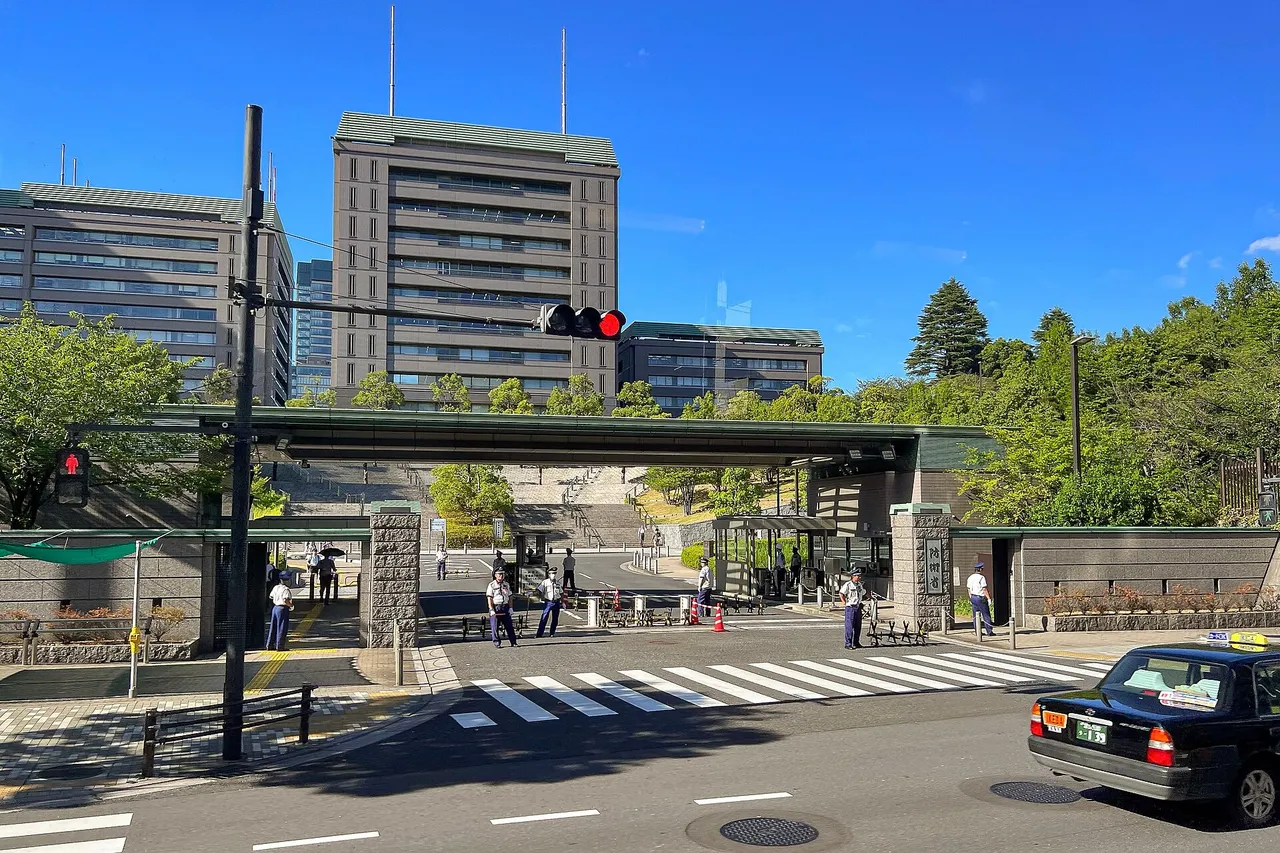
Japan's government is weighing a further increase in corporate tax to pay for a sharp rise in defence spending, Kyodo News reported on 17 October, citing several people familiar with the discussions. The option has surfaced inside the administration of Prime Minister Sanae Takaichi as it prepares to revise the country's three core security documents by the end of the year, a process that is expected to push annual defence outlays above 10 trillion yen.
According to the report, officials see an additional corporate levy as a possible stable source of revenue for that higher level of military spending. The government is also studying spending cuts elsewhere in the budget to free up money, but it is unclear whether those savings would be large enough. Business groups, worried about the effect on wage increases and on the international competitiveness of Japanese companies, may push back, and Kyodo said the debate was likely to take several turns before any decision.
Japan sets its defence budget in five-year blocks through the Defense Buildup Program, one of the three security documents. The current programme, covering fiscal 2023 to 2027, put total defence spending at about 43 trillion yen. The Ministry of Defense budget for fiscal 2026 came to roughly 9 trillion yen, a figure that includes costs tied to the realignment of US forces stationed in Japan.
The next programme, which will cover fiscal 2027 to 2031, is expected to centre on buying large numbers of drones and on building up stocks of ammunition and missiles so that the Self-Defense Forces can sustain a protracted conflict. A senior government official told Kyodo that a simple tally of the equipment and force structure the defence ministry believes it needs could take the five-year total to between 70 trillion and 80 trillion yen, far above the current plan.
The tax debate follows reports that Tokyo will not write a specific spending ratio into the new documents. The Seoul Economic Daily, citing the Asahi Shimbun, reported on 16 October that the government has decided to leave out the goal of raising defence spending to 3.5 percent of gross domestic product, a level the administration of US President Donald Trump has repeatedly urged Japan to reach. Hitting that benchmark would lift annual spending above 20 trillion yen and make tax increases unavoidable, according to the report.
Instead, the government intends to keep increasing defence outlays and is considering a broader category, provisionally called comprehensive security-related expenses, that would also count spending outside the defence ministry on economic security, artificial intelligence and space. Some officials have argued that a wider definition of this kind could eventually satisfy Washington's push for 3.5 percent, the newspaper said, while others expect the United States to focus on a long-term buildup rather than insist on the number itself.
The three documents are the National Security Strategy, the National Defense Strategy and the Defense Buildup Program. The first two set out Japan's security goals over a ten-year horizon, while the buildup programme fixes the level of capability Japan aims for and the size of the budget needed to reach it over five years.
Kyodo's report did not say how large a corporate tax increase is being considered or when the government expects to settle the question. The option is being discussed alongside the revision of the security documents, which the government aims to complete by the end of the year, and business groups have already been identified as likely critics.
Sources
More in Indo-Pacific
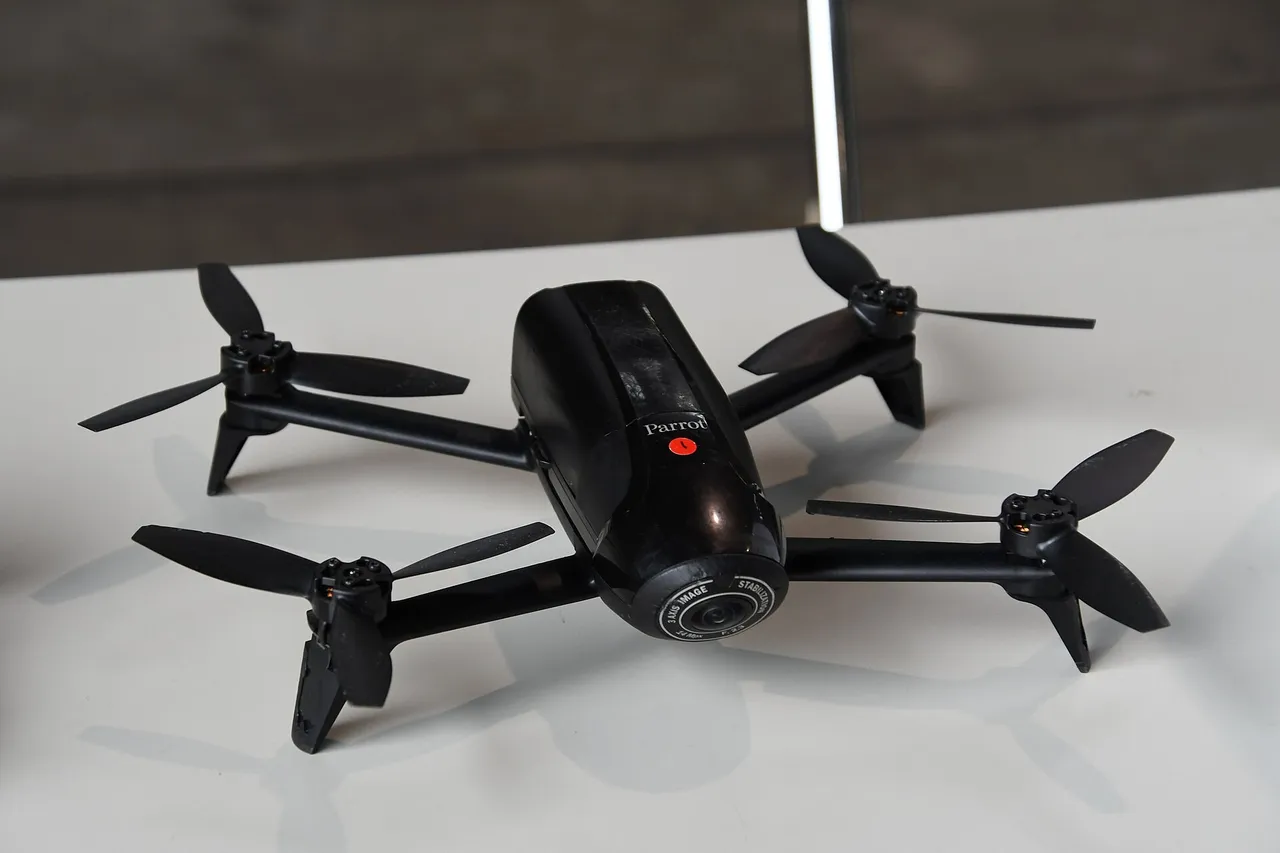
Japan's defence ministry asks start-ups for cheap military drones built from Japanese parts
The first call under a new start-up scheme seeks attack drones costing under 5 million yen and interceptors for Shahed-type threats.
TaiwanDefence · 1m ago · 3 min read

Japan moves to raise SDF pay as its forces fill only 88 percent of their posts
Tokyo plans a new pay scale and a support agency for veterans, warning that the Self-Defense Forces could shrink to 130,000 by fiscal 2045 on current trends.
TaiwanDefence · 1h ago · 3 min read
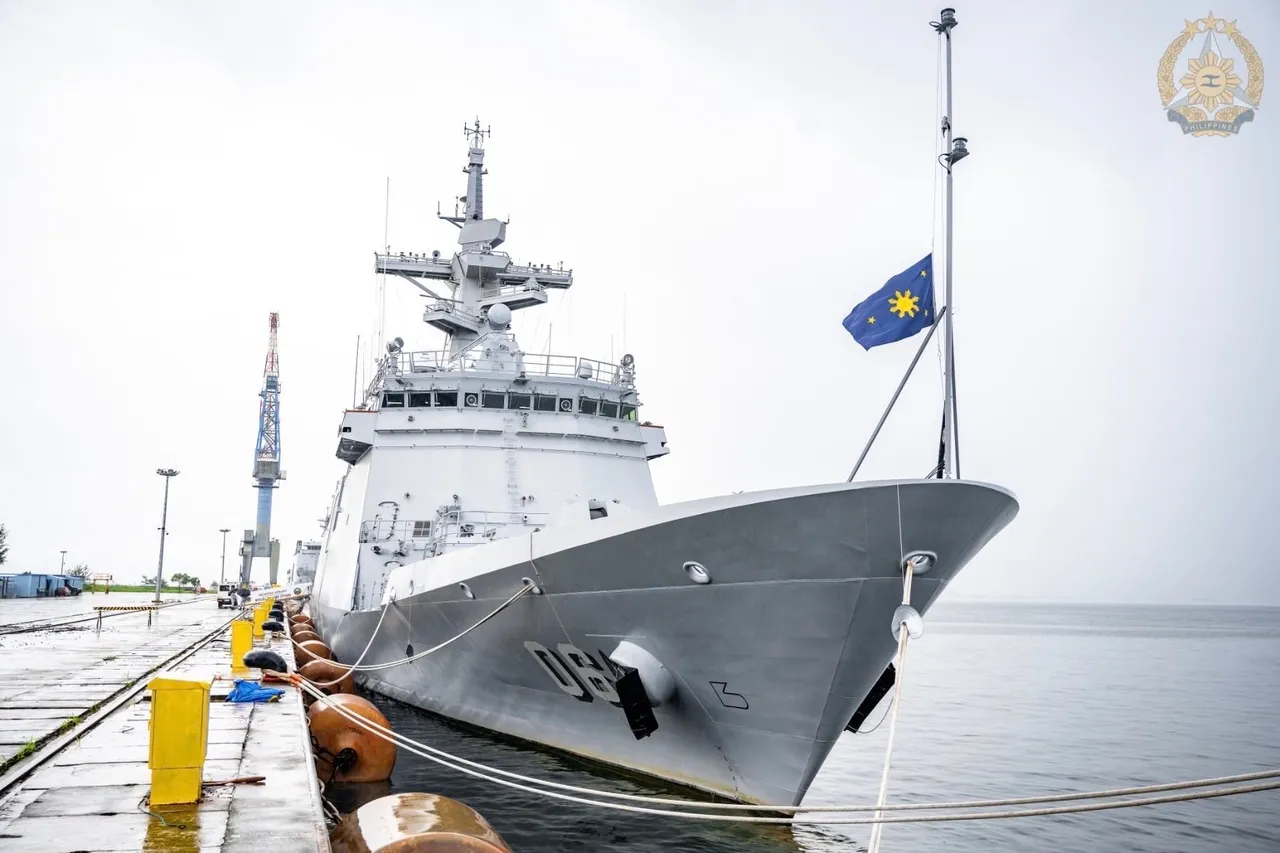
Chinese warships, drones and a patrol plane gather at Scarborough Shoal around a Philippine frigate
The Philippine Navy counted nine Chinese military and coast guard assets, including two drones, near the shoal a day after it reported three ships there.
TaiwanDefence · 3h ago · 3 min read
Discussion (0)
Comments are not currently available.