
Japan's defence ministry asks start-ups for cheap military drones built from Japanese parts
The first call under a new start-up scheme seeks attack drones costing under 5 million yen and interceptors for Shahed-type threats.
TAIPEI —
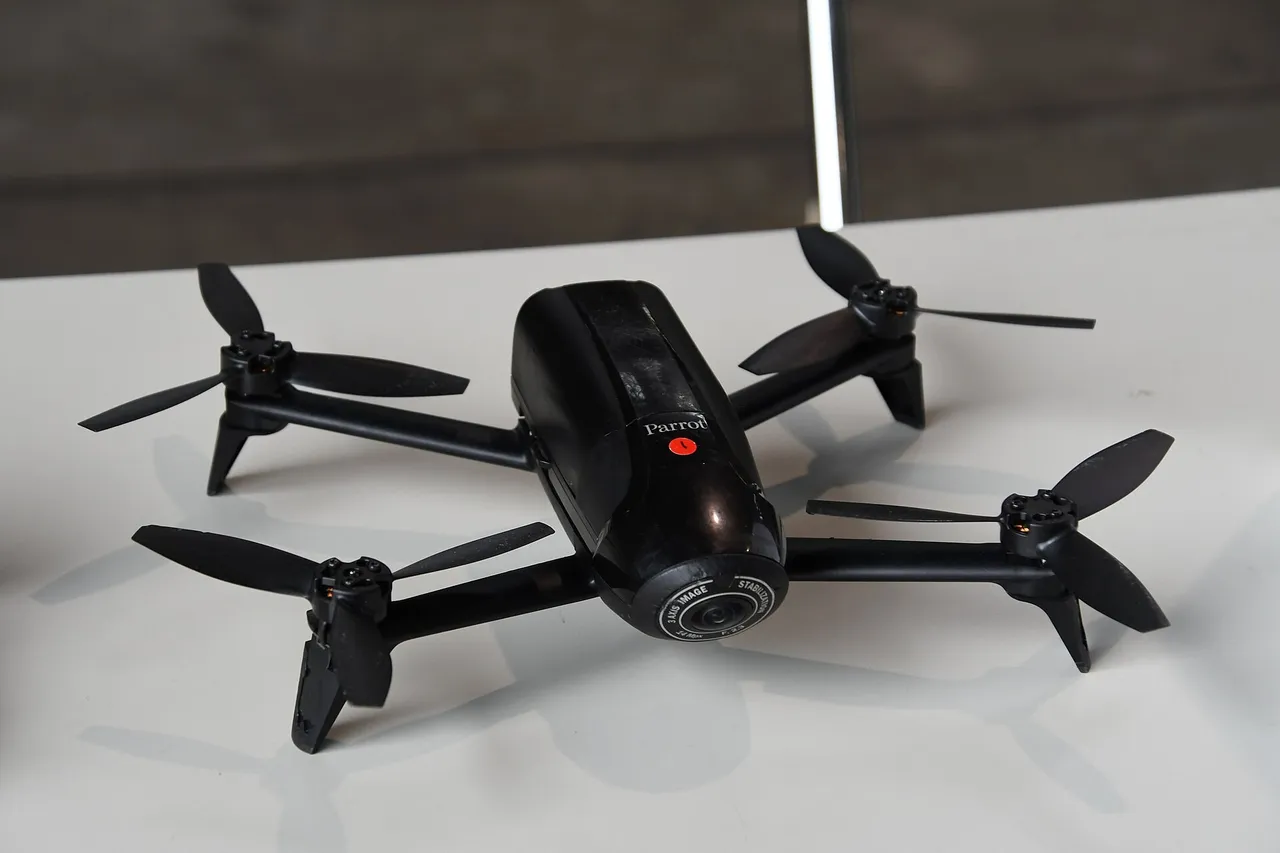
Japan's Ministry of Defense has opened a new procurement route for start-up companies, and four of the seven research topics in its first call involve military drones or artificial intelligence, the Nikkan Kogyo Shimbun's Newswitch site reported on 17 October. The defence version of the Small Business Innovation Research programme published its topics on 2 October, including small attack drones and interceptor drones that are to be built as far as possible from domestically made parts.
Defence Minister Shinjiro Koizumi said start-ups can come up with ideas that are not simply an extension of existing approaches, and that adopting new technology quickly has become a global trend, according to the report. Newswitch said 239 companies attended a briefing on the call in Tokyo on 6 October. A senior ministry official told the site that the Self-Defense Forces still cannot use some private-sector technology, led by drones, and will not be able to cope with new forms of warfare without it.
Call documents from the Acquisition, Technology and Logistics Agency name the Ground Self-Defense Force as the user for three topics: a small attack drone system, an interceptor drone system and an ultra-small intelligence-gathering system. The Maritime Self-Defense Force is the user for a small drone system to counter surface ships and for an AI system to optimise maritime surveillance by several drones at once, and the Air Self-Defense Force for supply-depot management tools and an aircraft noise-cancelling device.
The attack drone specification describes a weapon that can fly more than 50 kilometres, detect and identify enemy ships or light armoured vehicles advancing mainly from the sea, and steer itself automatically onto the target with a warhead once an operator has confirmed it. A crew of three or fewer would launch it from the ground, a Ground Self-Defense Force vehicle or a small boat, and the agency expects a production price of no more than 5 million yen per drone.
The interceptor topic is aimed at incoming medium-sized one-way attack drones of the Shahed type. A single operator would link the system to existing army air-defence systems and radars and let it control several interceptors autonomously at the same time, with each interceptor expected to cost no more than a few hundred thousand yen in production. The documents say foreign-made equipment brings problems with cost, lead times, supply-chain risk and slow modification, and call for a domestic production base for flight controllers, batteries, motors and video transmission modules, especially for interceptors that would be used up in combat.
The scheme signs contracts with several companies in parallel and moves them through stages. A proof-of-concept phase of up to five months carries a ceiling of 20 million yen per topic, a research and prototyping phase of up to two years is worth several hundred million yen, and a final phase of up to five years puts prototypes through large-scale trials with units. Newswitch said a notable change is that the ministry can pay estimated costs for each phase in advance, rather than only after equipment meets its requirements and is delivered, a delay that has kept cash-poor start-ups away.
The call is part of a wider push into unmanned systems. An analysis of the scheme published on 16 October by a Japanese law firm notes that the ministry plans to build a layered coastal defence network of unmanned assets, called SHIELD, during fiscal 2027, and set aside 100.1 billion yen for it in the fiscal 2026 budget.
Newswitch said Japan lags well behind countries such as Ukraine and Russia in military drone development, and that many of the motors and electronic parts used in drones are made in China. Domestic manufacturers concede that Chinese components are far cheaper than Japanese ones and often perform better, the site said, which makes the domestic-parts requirement one of the main tests for the new scheme.
Sources
More in Indo-Pacific
Tokyo floats a corporate tax rise as Japan's defence bill heads past 10 trillion yen
Officials say Japan's next five-year buildup, centred on mass drone buys and munitions for a long war, could cost 70 to 80 trillion yen.
TaiwanDefence · 1h ago · 3 min read

Japan moves to raise SDF pay as its forces fill only 88 percent of their posts
Tokyo plans a new pay scale and a support agency for veterans, warning that the Self-Defense Forces could shrink to 130,000 by fiscal 2045 on current trends.
TaiwanDefence · 2h ago · 3 min read
Chinese warships, drones and a patrol plane gather at Scarborough Shoal around a Philippine frigate
The Philippine Navy counted nine Chinese military and coast guard assets, including two drones, near the shoal a day after it reported three ships there.
TaiwanDefence · 4h ago · 3 min read
Discussion (0)
Comments are not currently available.